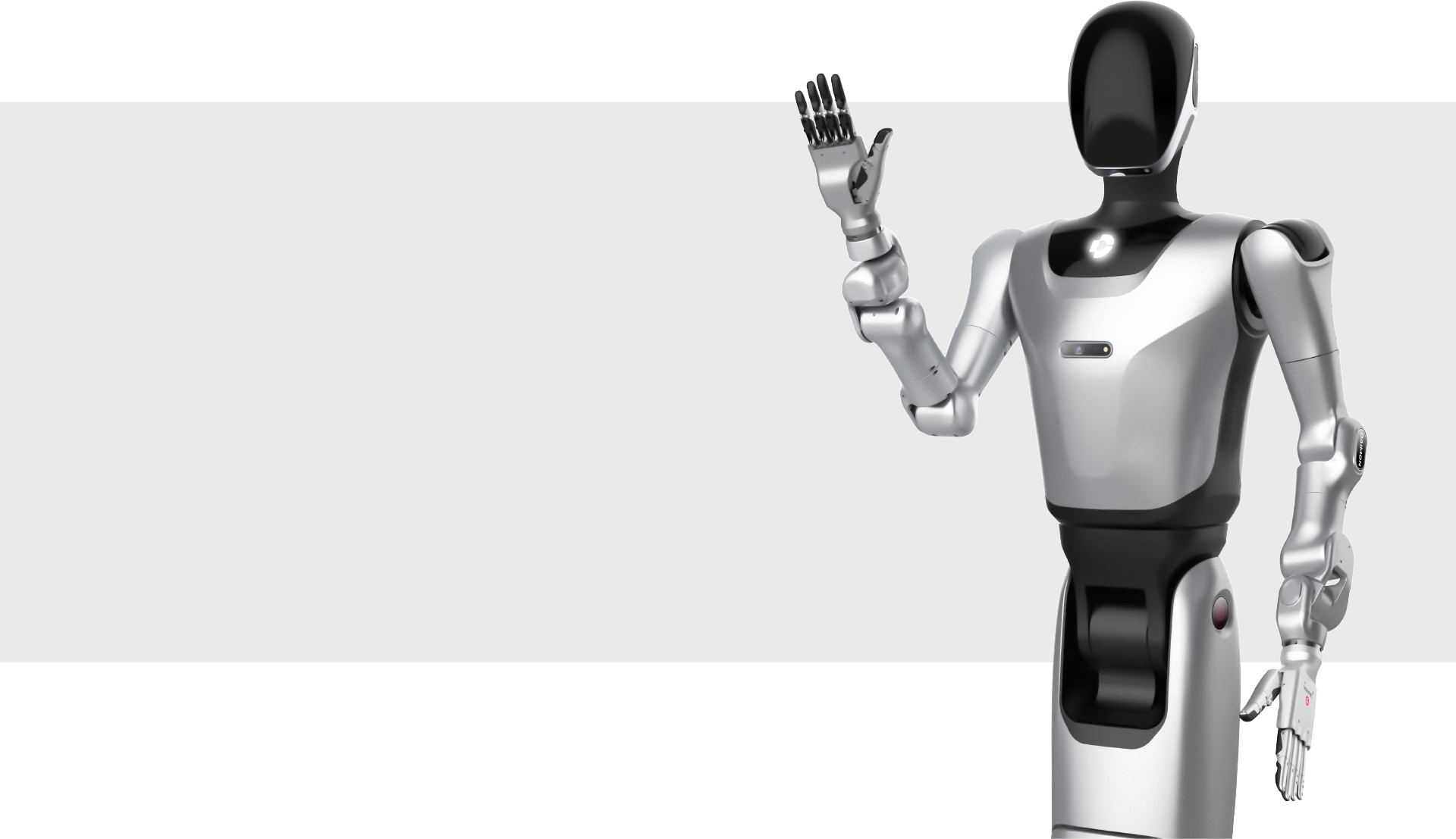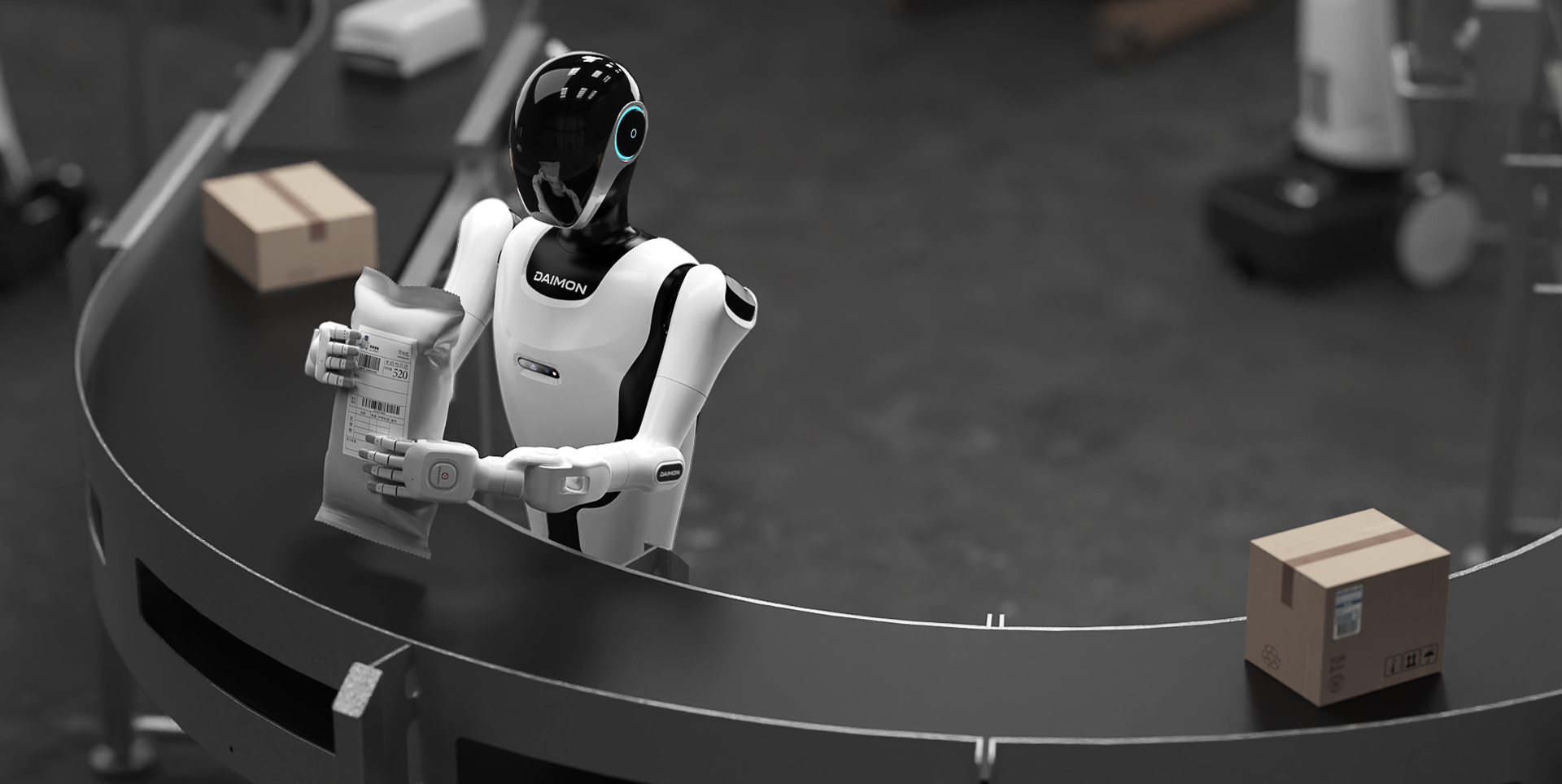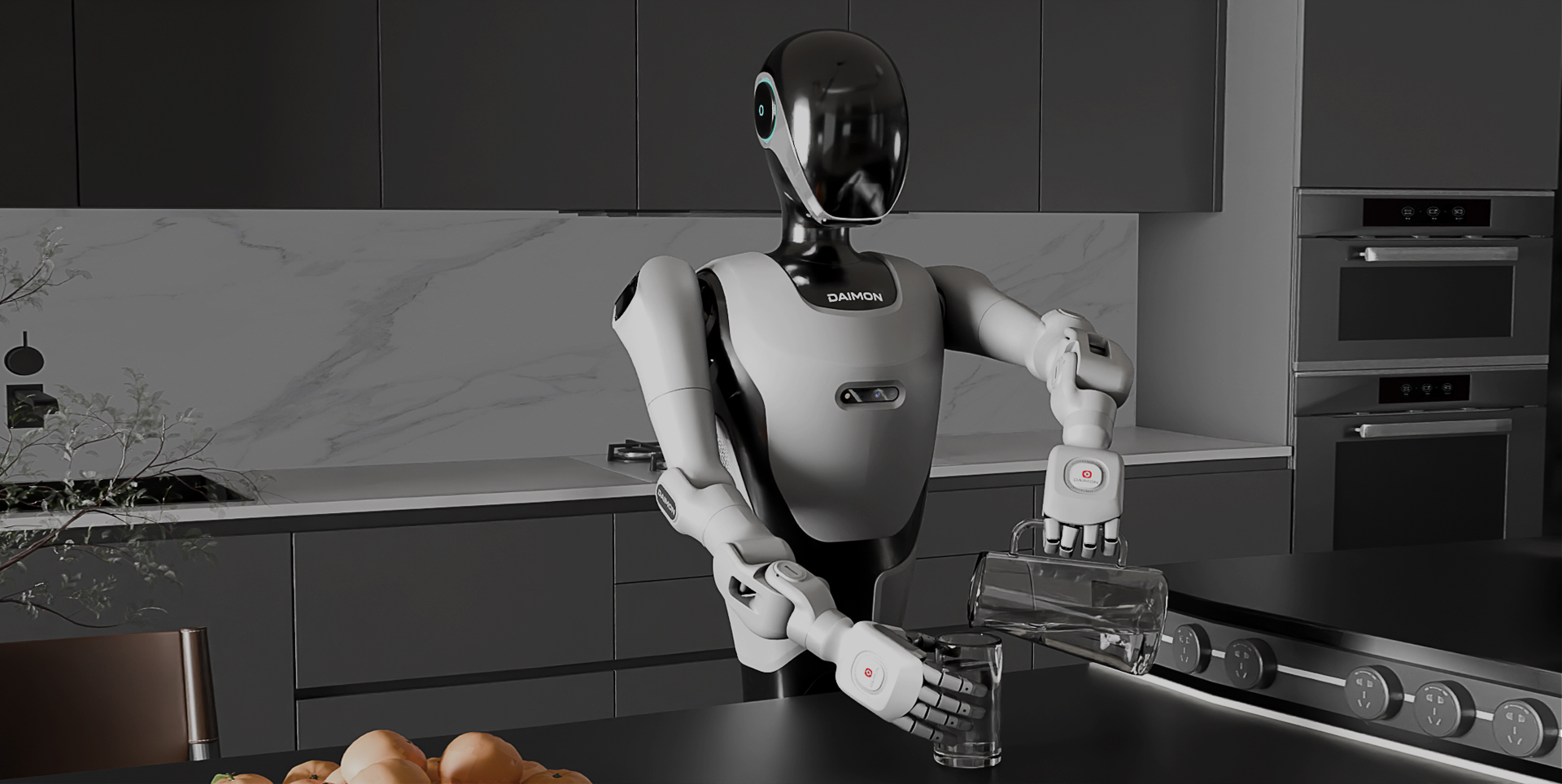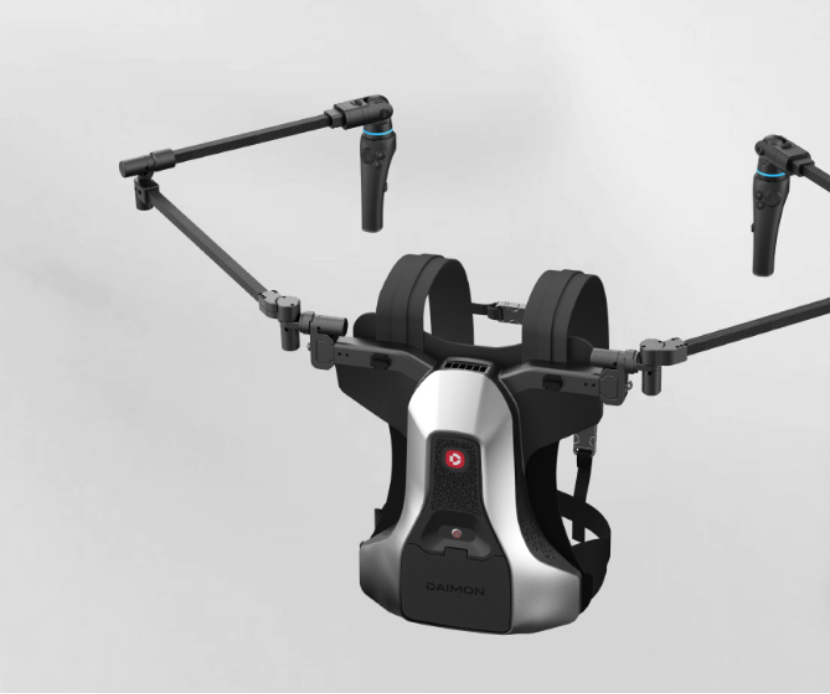
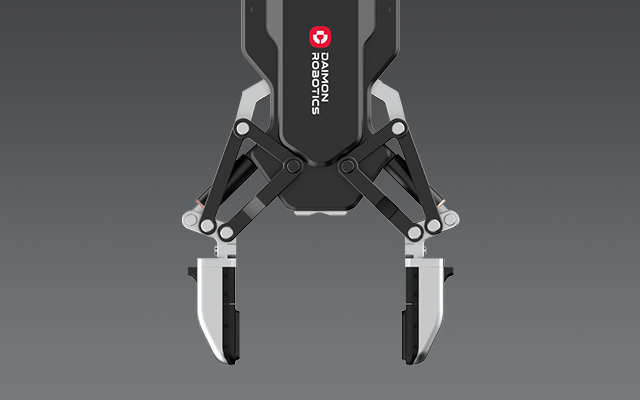
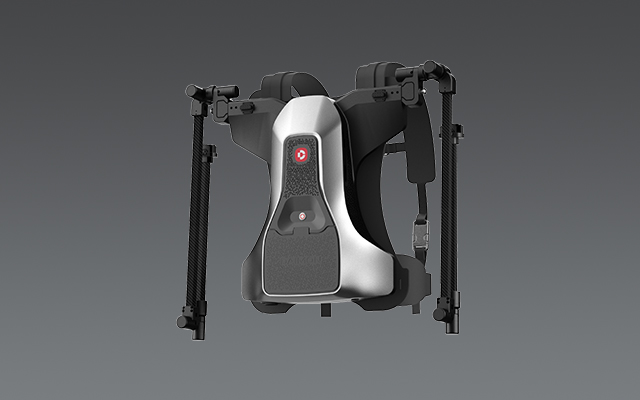
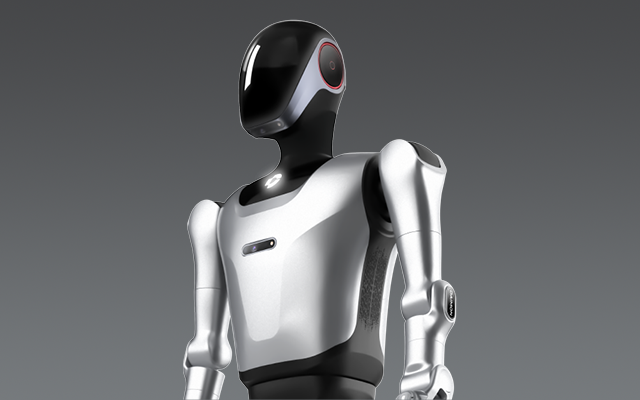






The integration of force-sensitive exoskeletons in robot teleoperation is revolutionizing the way humans interact with robotic systems. These wearable exoskeletons not only provide physical assistance but also enhance operational precision by allowing users to control complex robotic actions with ease. Daimon leads the way in developing innovative solutions that support this technological advancement, facilitating more efficient and effective teleoperation across various industries.
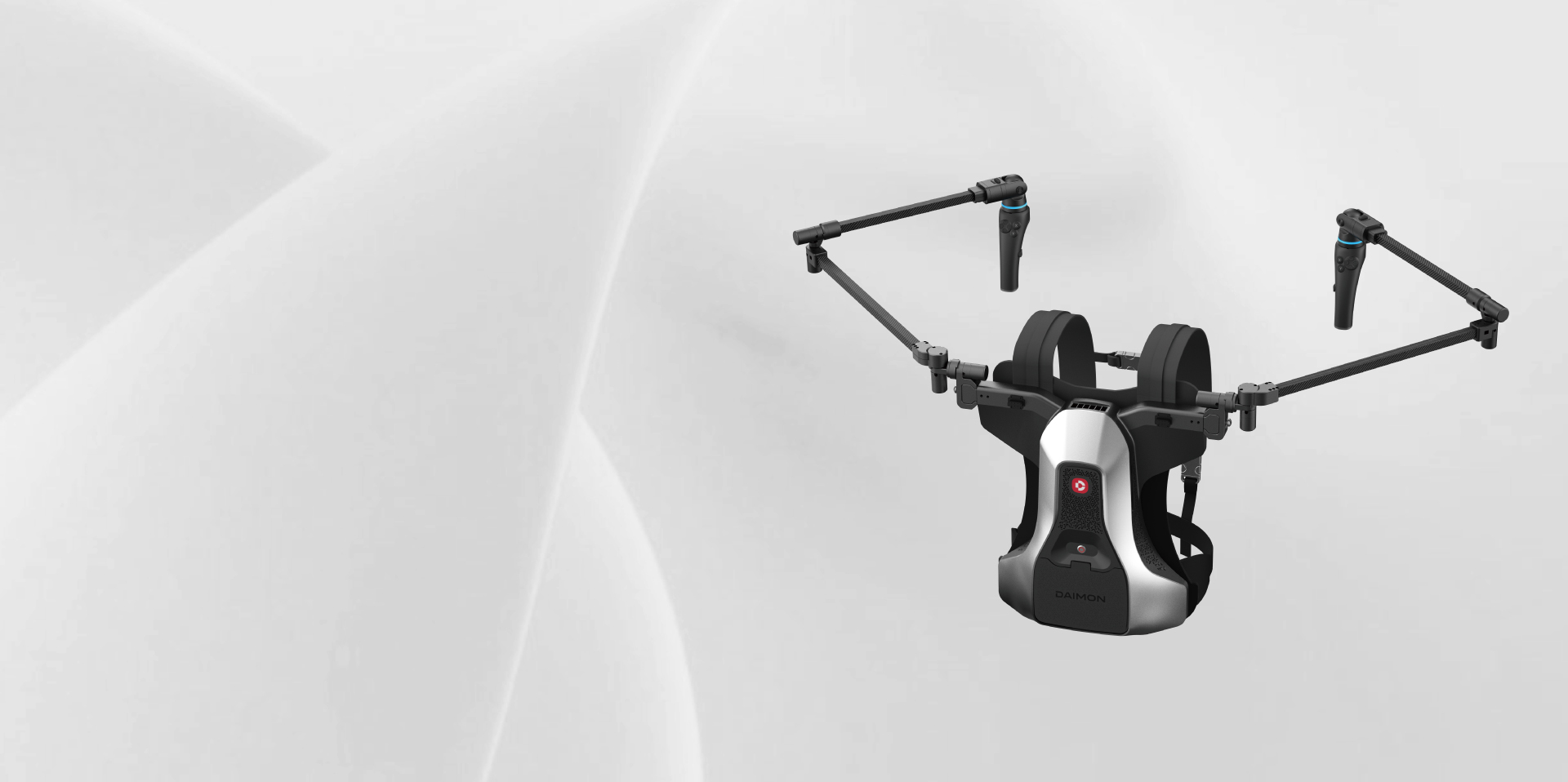
Enhancing Control with Wearable Exoskeletons
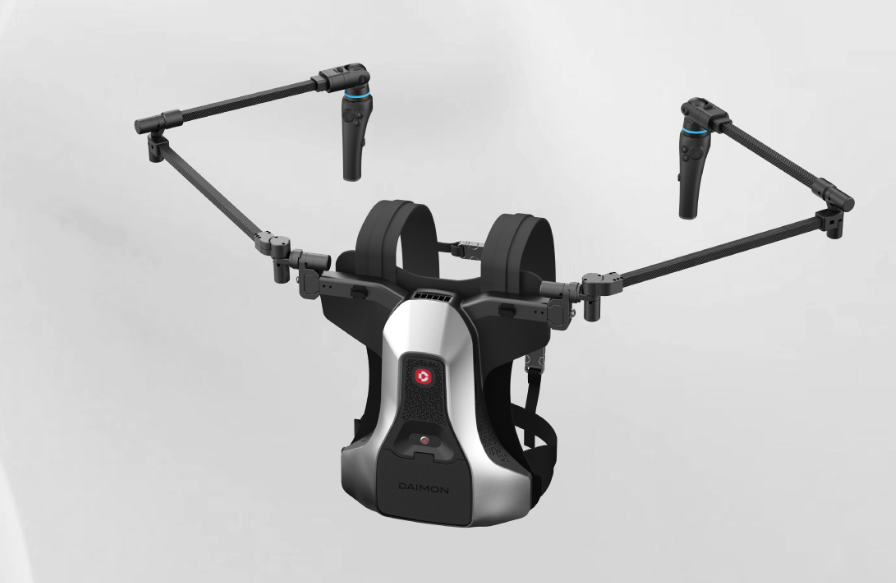
Wearable exoskeletons are pivotal in improving the master-slave relationship in robot teleoperation. By employing force-sensitive technology, these devices allow operators to apply force in a natural manner, replicating the sense of touch and feedback necessary for complex tasks. Daimon’s approach emphasizes intuitive control, enabling users to manipulate robotic systems with enhanced precision.
One of the key features of Daimon’s technology is the support for whole-body teleoperation. This capability allows operators to control not only individual robotic limbs but also mobile chassis and waist joint actuation. Such comprehensive control is essential in environments that require coordinated actions, making the entire operation smoother and more efficient.
Key Features that Facilitate Teleoperation
Daimon’s DM-DataMaster system exemplifies a range of features designed to optimize robot teleoperation. The 3-gear motion scaling functionality is particularly noteworthy. This feature enables one-touch switching between different levels of control, allowing users to adapt their approach based on the task’s requirements—whether it’s fine manipulation or large-motion tasks. This adaptability is crucial in scenarios where precision is paramount.
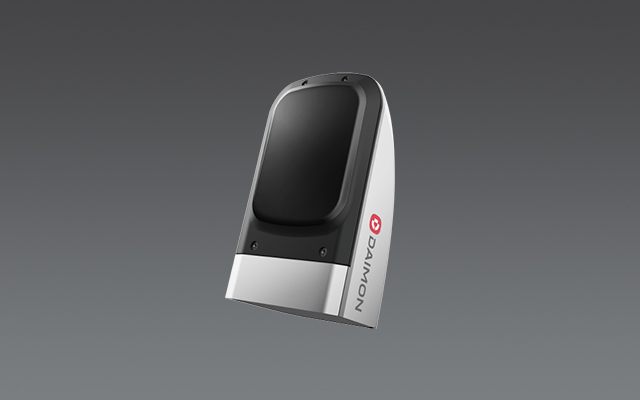
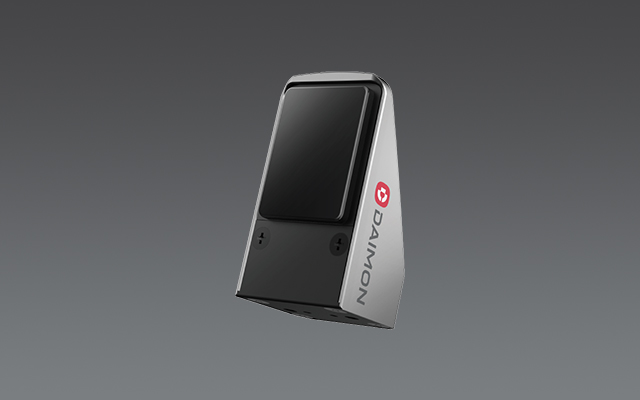
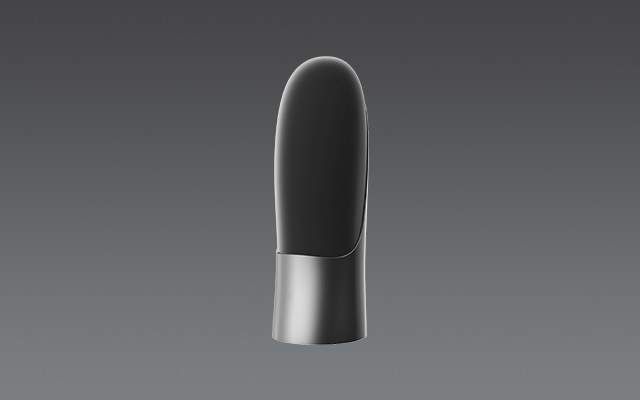
Furthermore, the multi-form end-effector adaptation enhances the versatility of the wearable exoskeleton. With a snap-fit design, users can quickly switch between control pads and gloves, allowing for flexibility depending on the operational context. This means that a single device can cater to multiple uses, significantly simplifying the logistics of training and equipment management.
Applications Across Industries
The applications of force-sensitive exoskeletons in robot teleoperation span various fields, including manufacturing, healthcare, and search-and-rescue missions. In manufacturing environments, these systems enable operators to engage in complex assembly processes with high levels of accuracy, thereby reducing errors and increasing productivity. Likewise, in healthcare, robotic systems can assist in surgeries or rehabilitation, where precision and control are critical.
Moreover, teleoperation using wearable exoskeletons enhances safety in hazardous environments. For example, in disaster response scenarios, operators can control robots remotely to navigate dangerous terrains, ensuring that human workers can avoid risks while maintaining operational effectiveness. Daimon’s innovations in this area support the safe and efficient execution of tasks that would otherwise pose significant challenges.
The Future of Human-Robot Collaboration
In summary, force-sensitive exoskeletons are set to play a transformative role in the field of robot teleoperation. By leveraging the capabilities of wearable exoskeletons, operators can achieve higher levels of precision and control, ultimately enhancing the effectiveness of robotic systems across various applications. Daimon’s commitment to innovation, exemplified by the DM-DataMaster, underscores the potential for these technologies to redefine workplace dynamics and operational efficiency.
As industries continue to evolve, the integration of force-sensitive exoskeletons into robot teleoperation will not only improve performance but also foster a safer, more adaptable environment for human workers. Embracing this technology marks a significant step toward a future where human and robotic collaboration becomes increasingly seamless and productive.