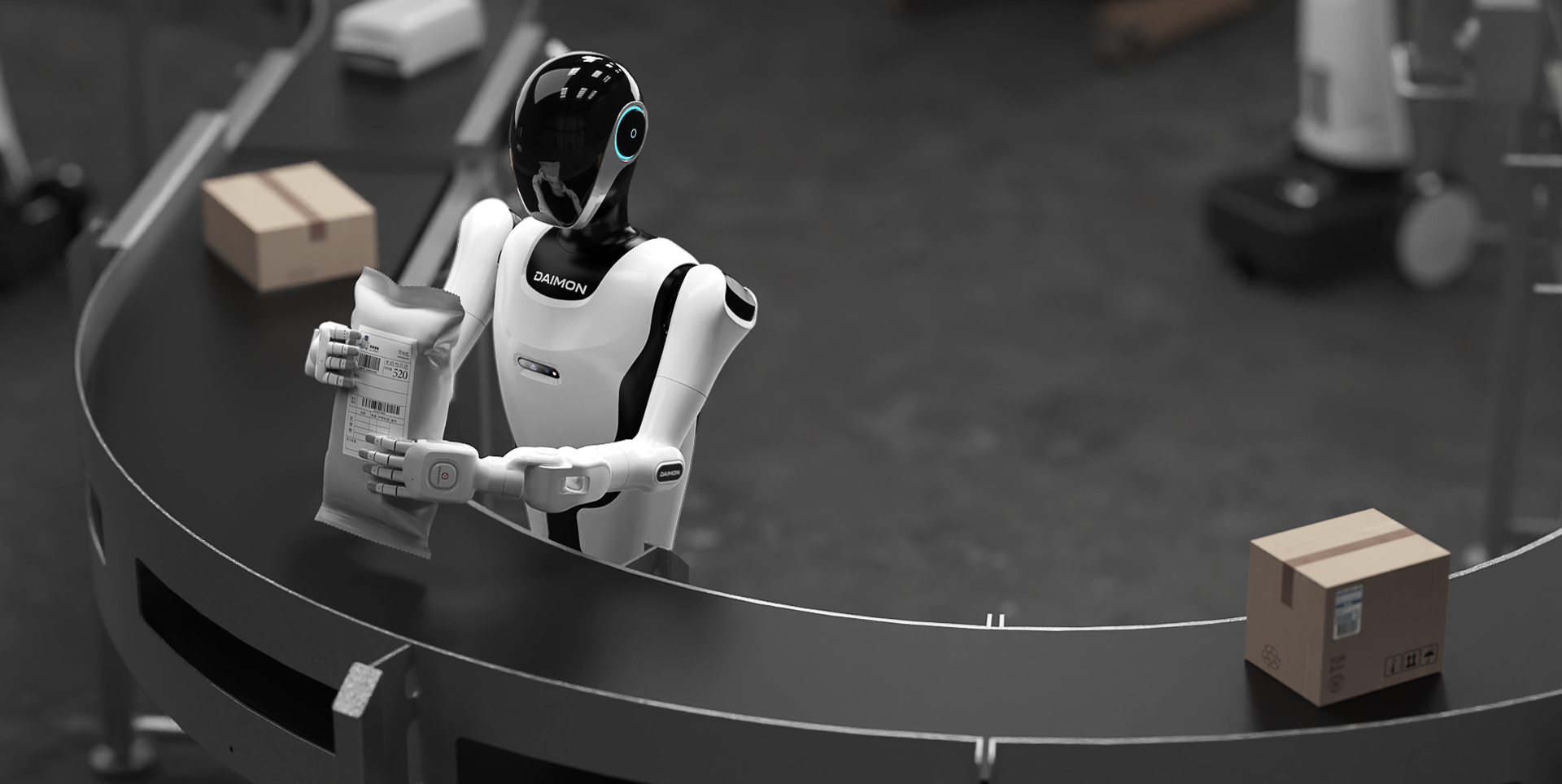







The design of a robotic gripper is crucial for the effective operation of automated systems in various industries. A well-engineered robot gripper enables machines to perform delicate tasks with precision and efficiency, especially in environments like Intelligent Manufacturing and Logistics. As the demand for advanced robotics grows, understanding the primary components and factors involved in designing an effective electric hand gripper becomes essential.
Key Elements of a Robotic Gripper Design
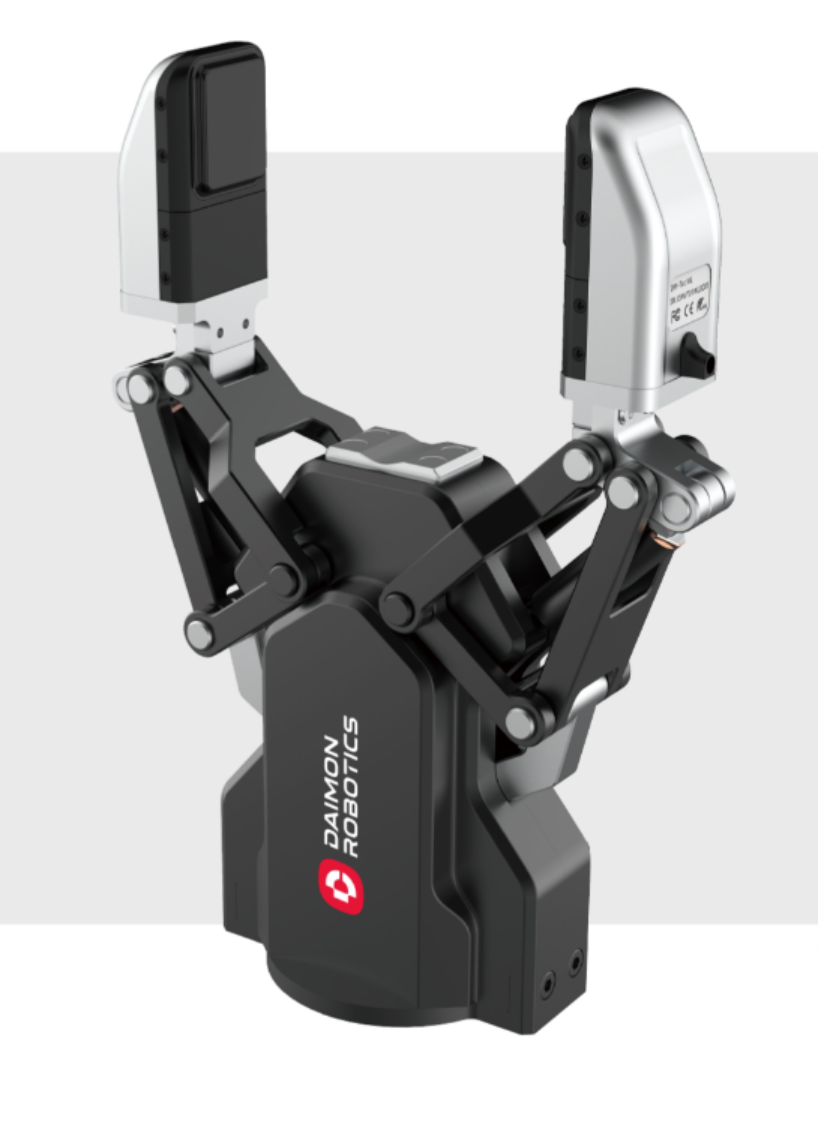
When creating a robot gripper, several key elements must be considered to ensure it meets the operational demands of its intended applications. Firstly, the gripping mechanism—whether mechanical or electric—plays a pivotal role in how the gripper interacts with objects. Electric hand grippers, for instance, offer precise control over gripping force and motion, making them ideal for applications requiring delicate handling.
In addition to the gripping mechanism, the choice of materials is critical. The materials used in constructing the gripper must balance strength, weight, and flexibility. A lighter robot gripper can enhance mobility and speed, while durable materials ensure longevity and reliability even in harsh environments. Moreover, incorporating sensory feedback into the design allows the gripper to adapt to varying object shapes and weights, significantly improving performance.
Integrating Advanced Sensing Technology
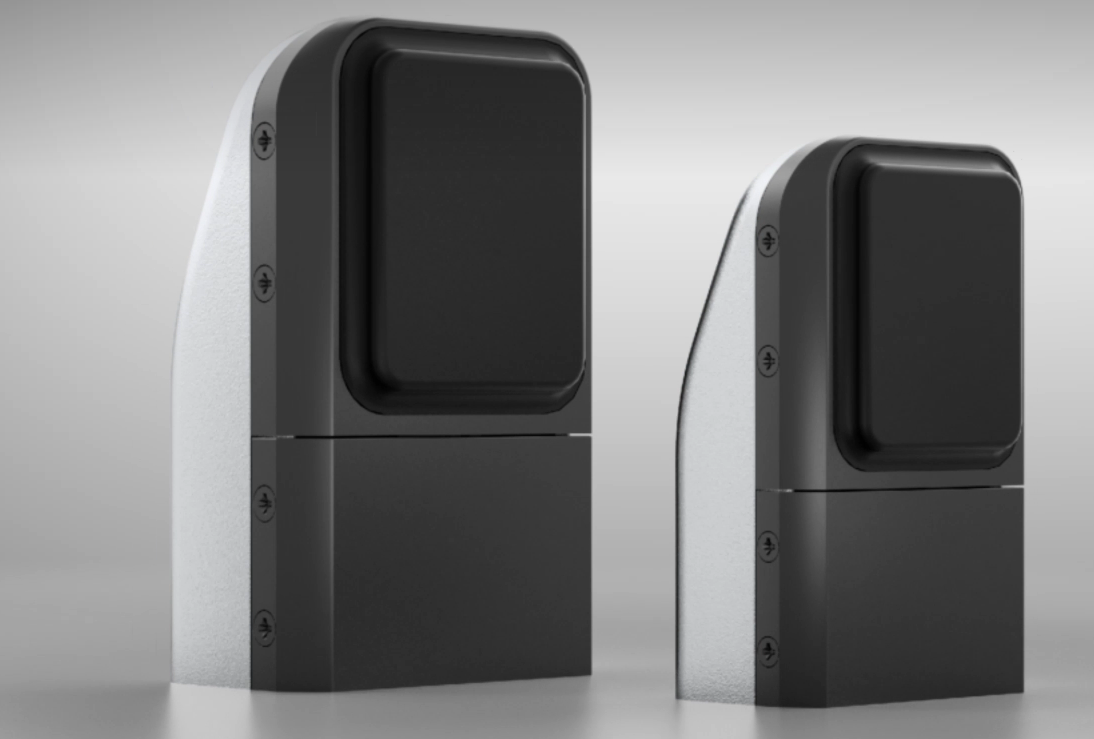
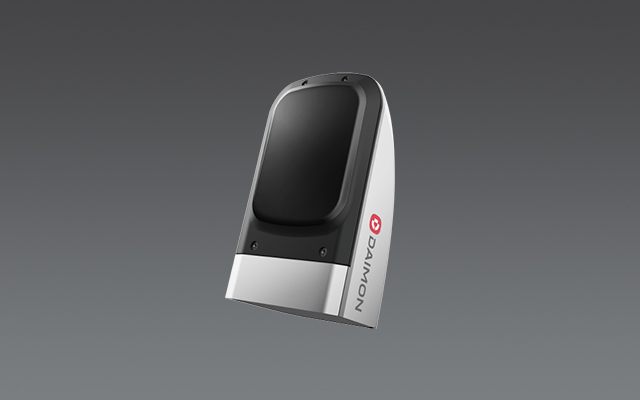
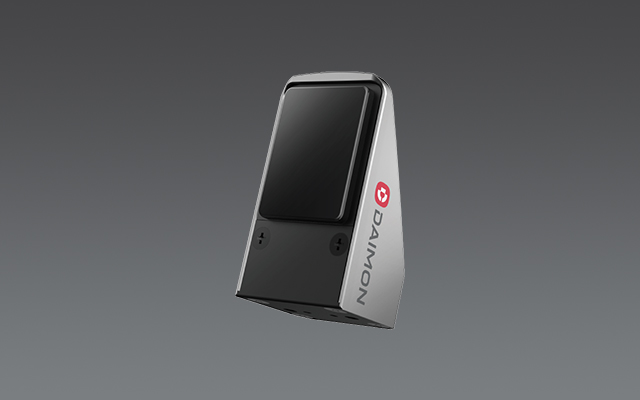
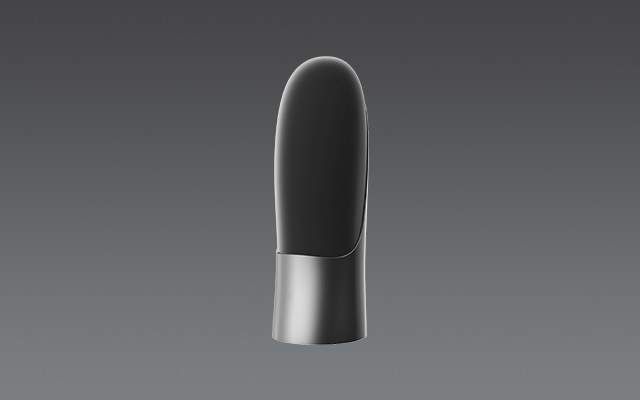
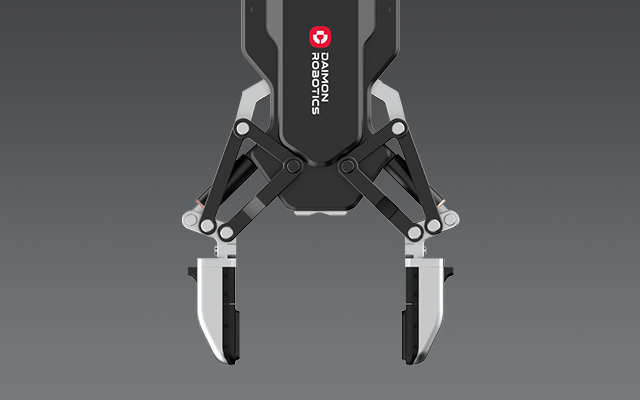
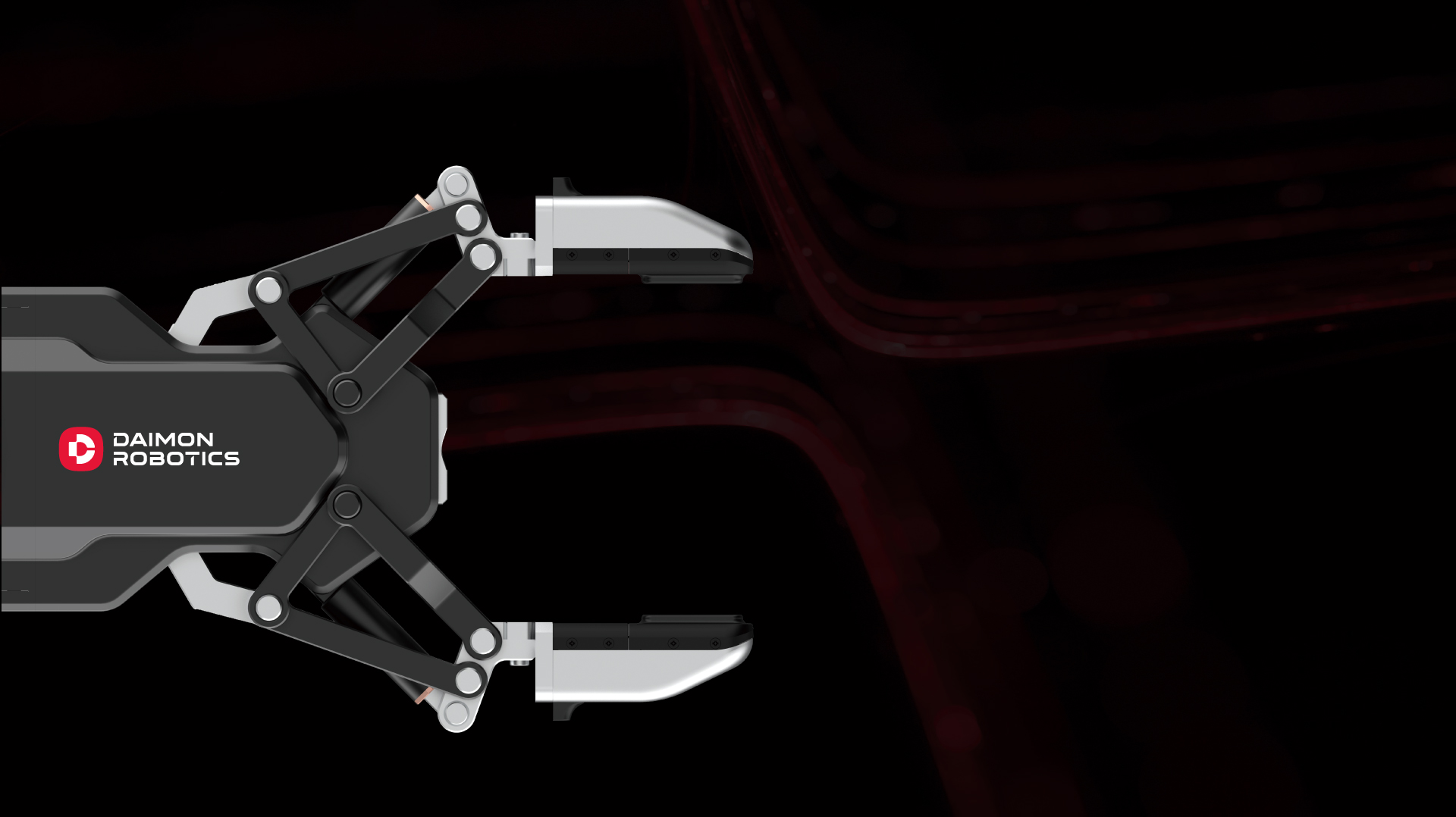
Integrating advanced sensing technology into a robot gripper can greatly enhance its functionality. The DM-Tac G Visuotactile Gripper exemplifies this integration by combining high-precision visual-tactile sensors with the gripping mechanism. This innovative electric hand gripper collects over 9 million sets of data per second, enabling it to perceive comprehensive tactile information regarding an object's material, morphology, and deformation.
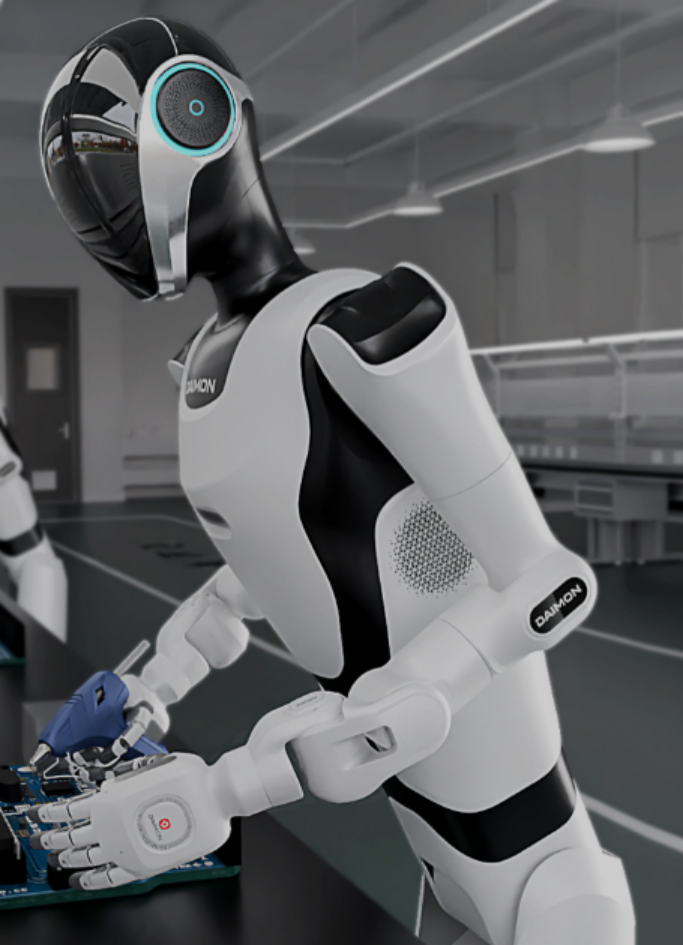
With this multimodal sensing capability, the DM-Tac G captures subtle contact changes in full 3D resolution, allowing for more dexterous and informed manipulation. This feature is particularly valuable in settings where grip adaptability is crucial, such as in laboratory automation or when handling fragile items in logistics. By ensuring that the electric hand gripper is equipped with robust sensing technology, designers can facilitate more efficient operations and reduce the risk of damage during handling.
Innovating for Tomorrow’s Needs
As industries continue to evolve, the need for reliable and intelligent robotic grippers grows. A successful design not only requires an understanding of mechanical engineering principles but also a keen awareness of the capabilities offered by modern technology. Companies that invest in advanced electric hand grippers will find themselves at the forefront of automation and efficiency.
At Daimon, we are dedicated to creating cutting-edge solutions like the DM-Tac G. With its precise grasping and flexible control, our visuotactile gripper redefines the standard for what robotic grippers can achieve. We believe that integrating high-resolution tactile sensing with advanced robotics will revolutionize industries and enhance productivity. Together, let’s embrace the future of automation and step into a new era of intelligent robotic solutions.