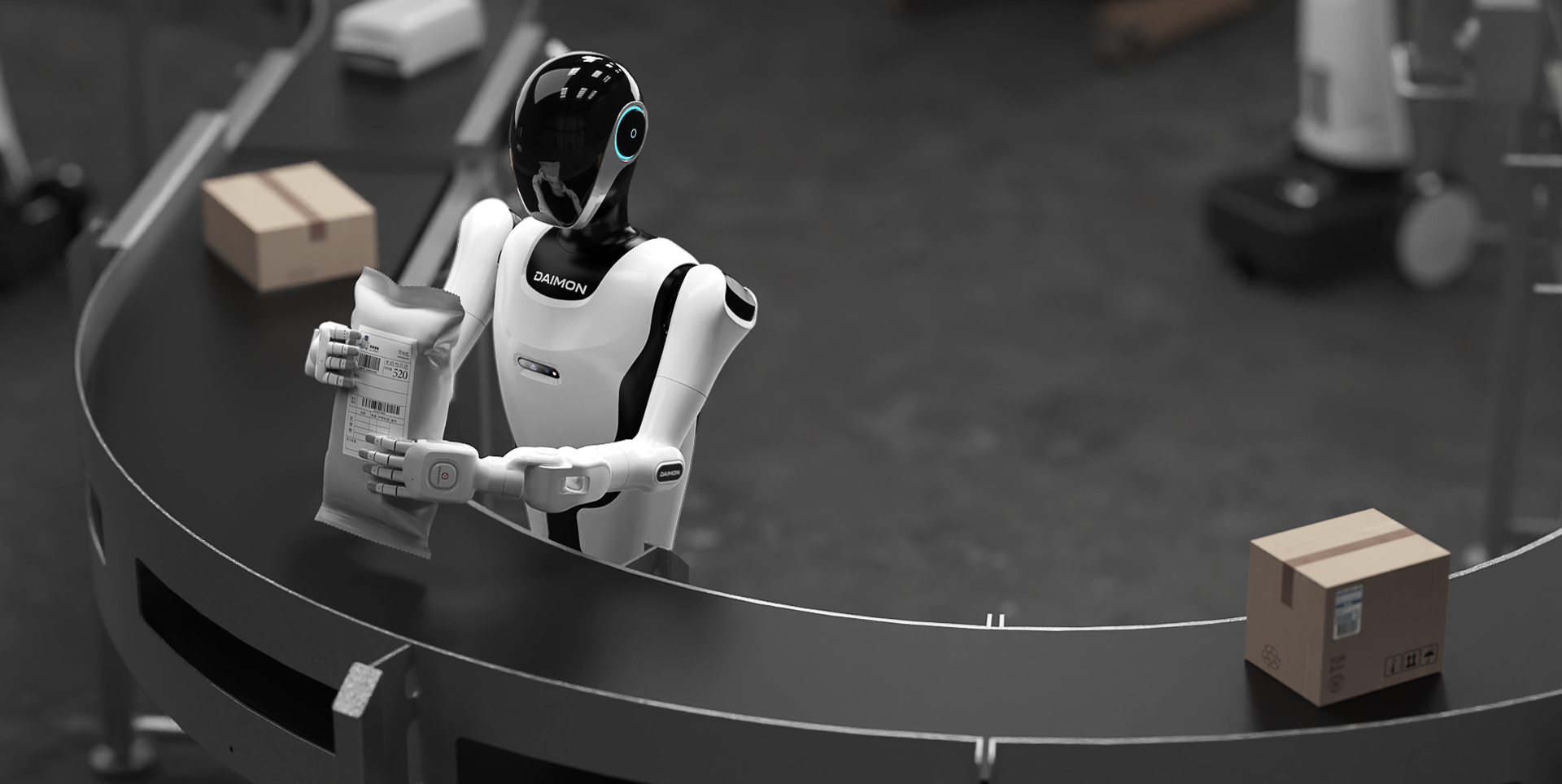






Understanding tactile motion perception is crucial for advancing robotics and enhancing interactions between machines and their environments. Tactile sensing refers to the ability of a system to interpret touch through pressure, texture, and temperature. This technology offers profound implications across numerous sectors, particularly in industries such as Intelligent Logistics, Laboratory Automation, and Intelligent Manufacturing.
The Role of Tactile Sensing in Robotics
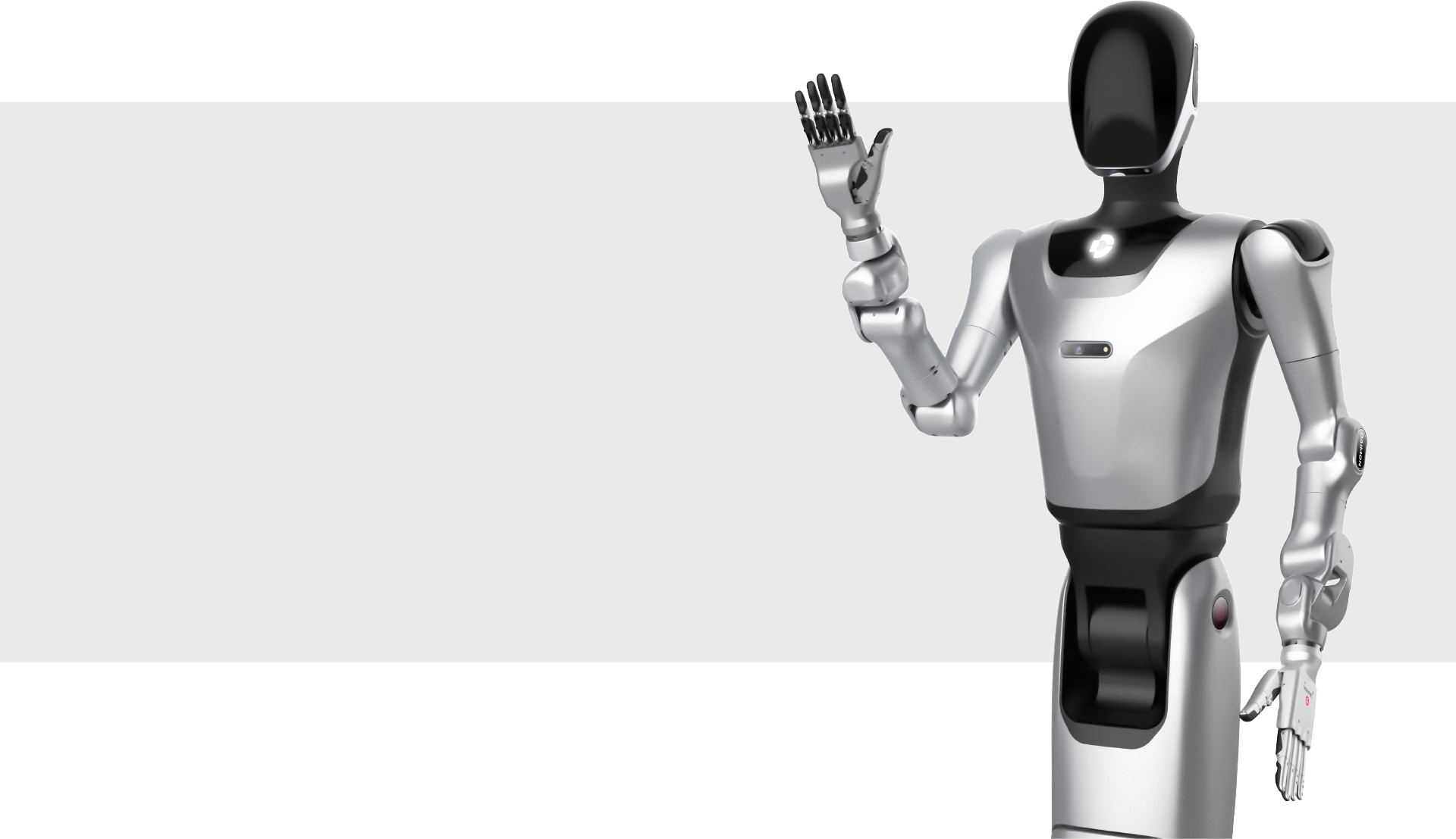
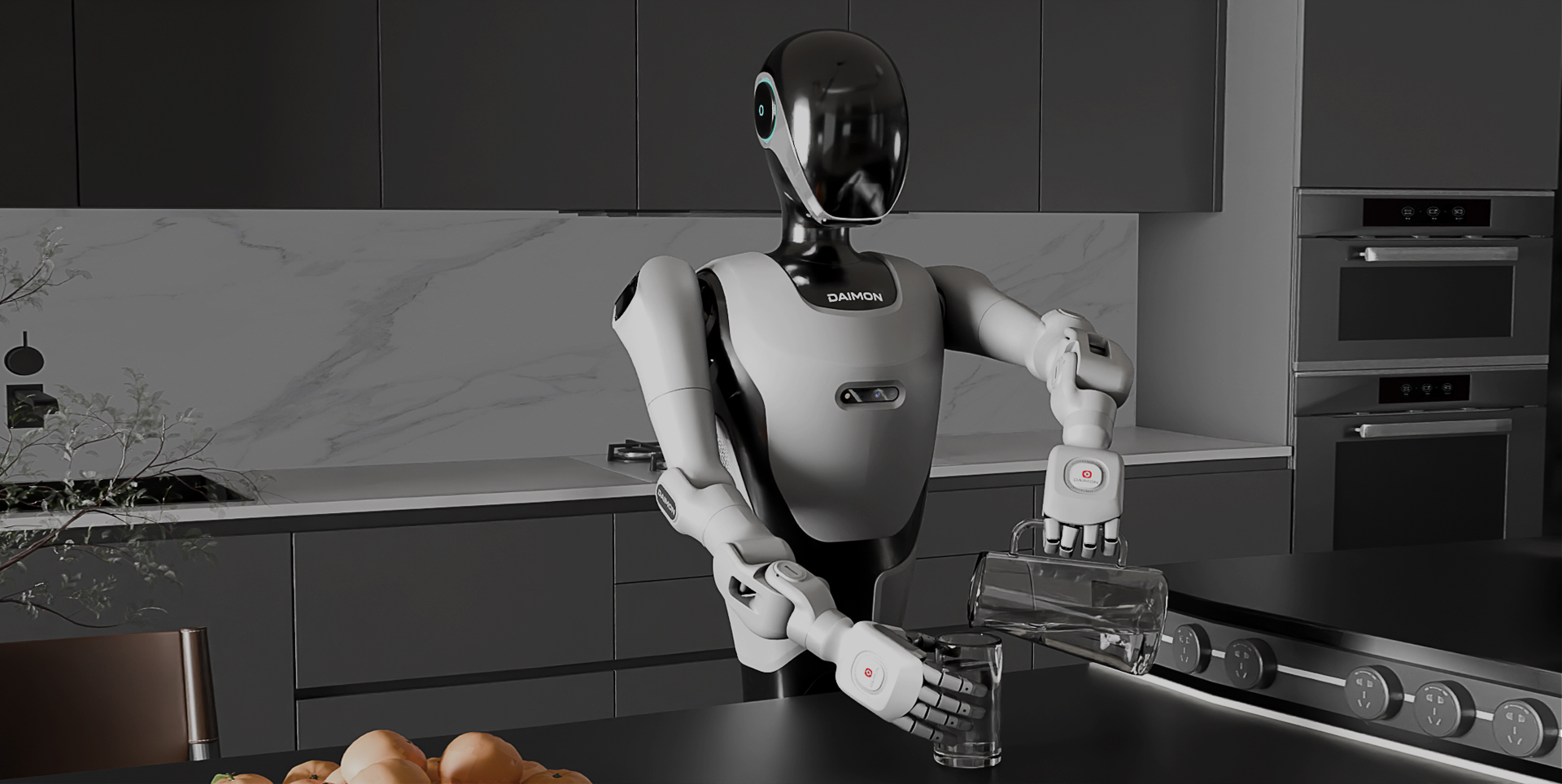
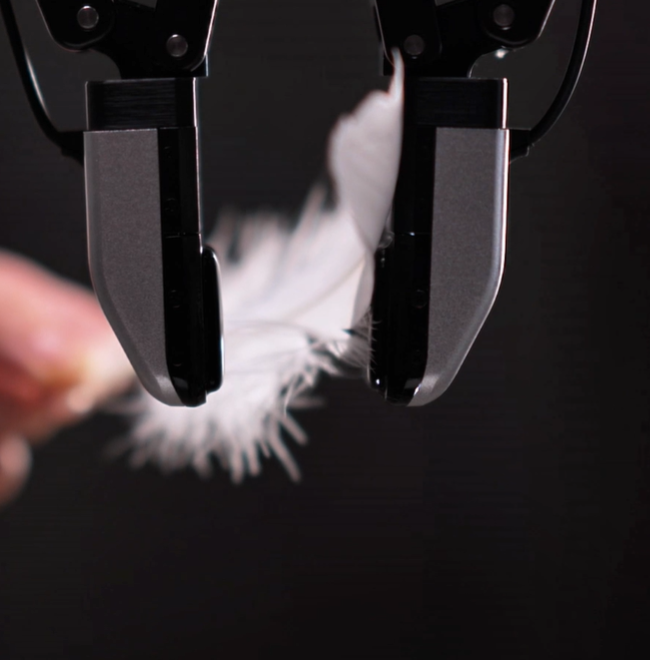
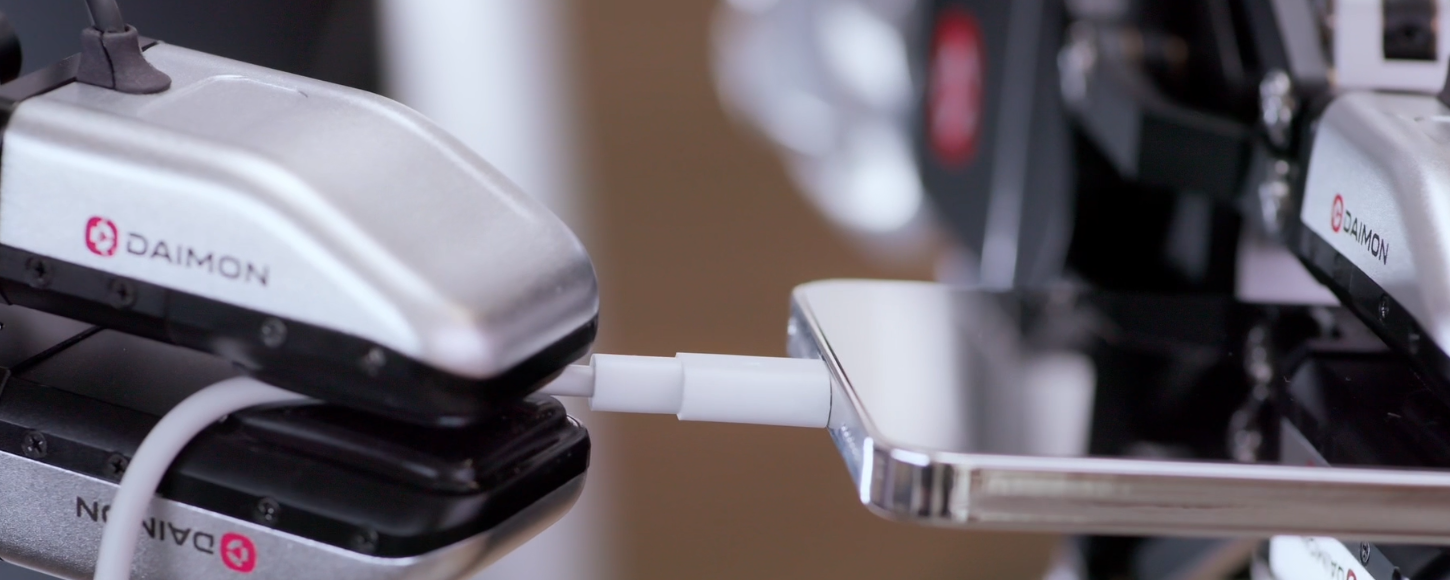
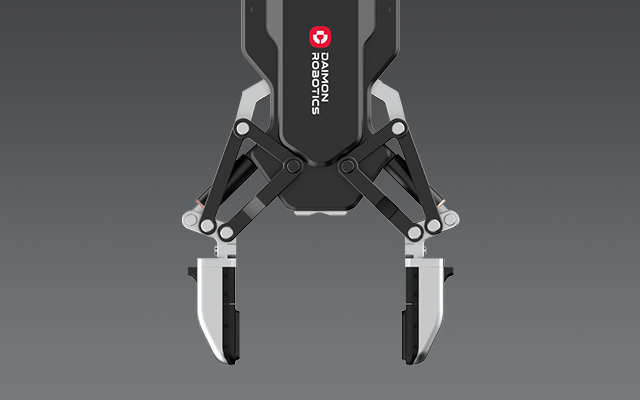
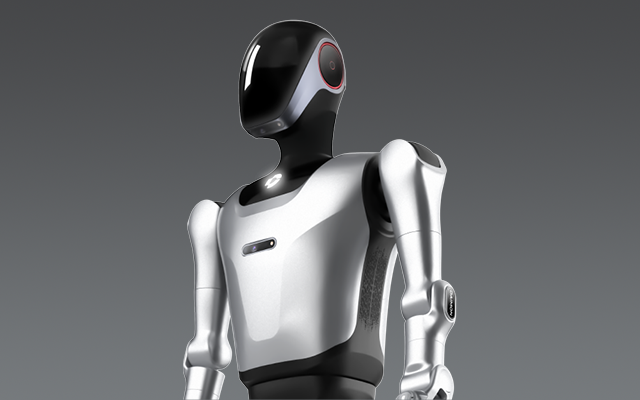
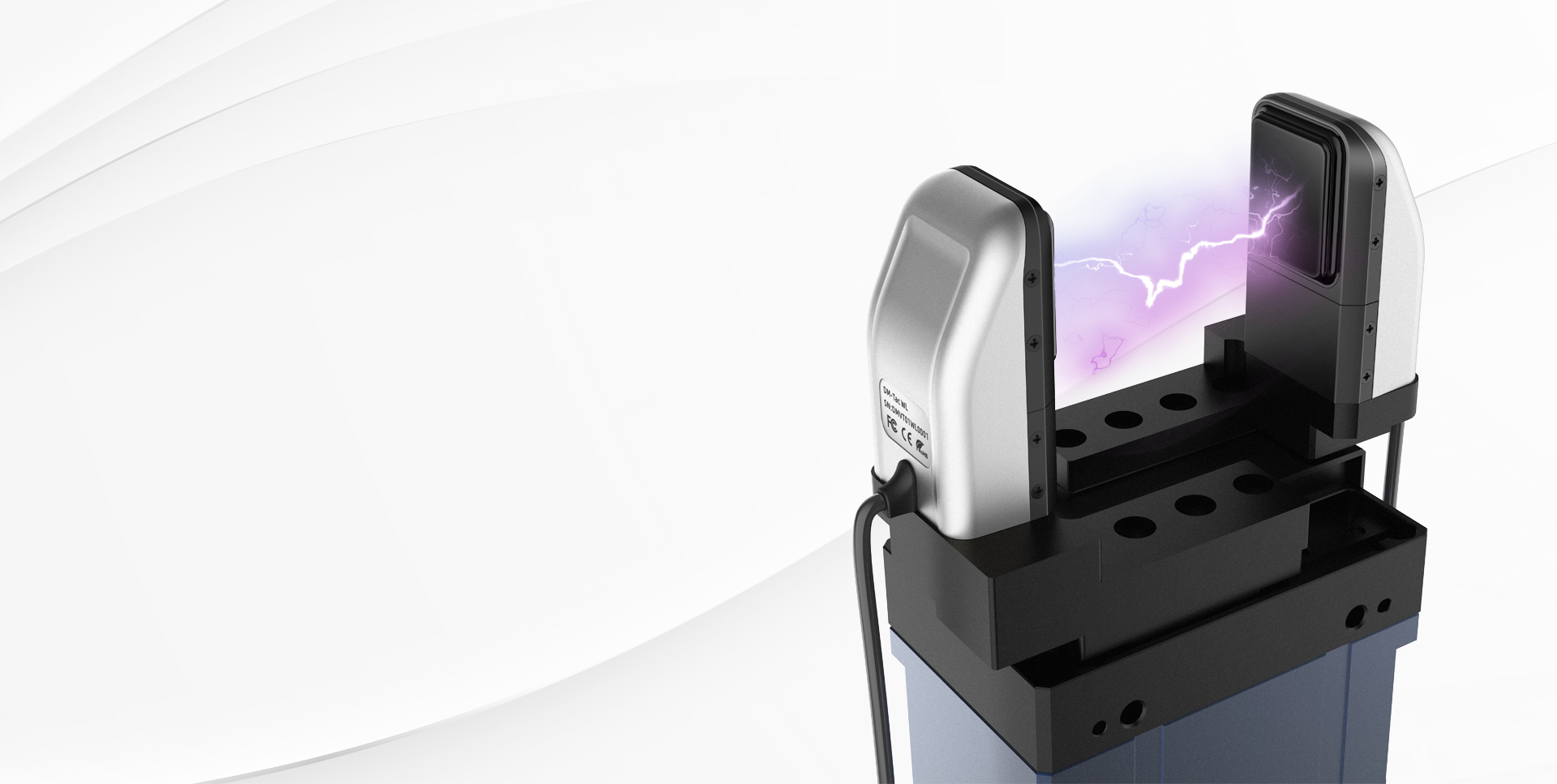
Tactile sensing is integral to the development of intelligent robots capable of performing intricate tasks. These advanced systems use perception tactile to gather real-time data about their surroundings. By simulating human-like touch, robots can make informed decisions based on the tactile feedback they receive. For example, with high-resolution tactile sensors, robots can detect subtle changes in the objects they handle, allowing them to adjust their grip or manipulate items with enhanced precision.
At Daimon, we recognize the importance of integrating tactile sensing with other modalities. Our multimodal tactile sensing systems are designed to capture detailed tactile information, equipping robotic systems with the capability to perform complex actions traditionally reserved for human operators. This high-resolution perception empowers robots to adapt their motions based on the tactile information received, significantly improving efficiency in various applications.
High-Resolution Multimodal Tactile Systems
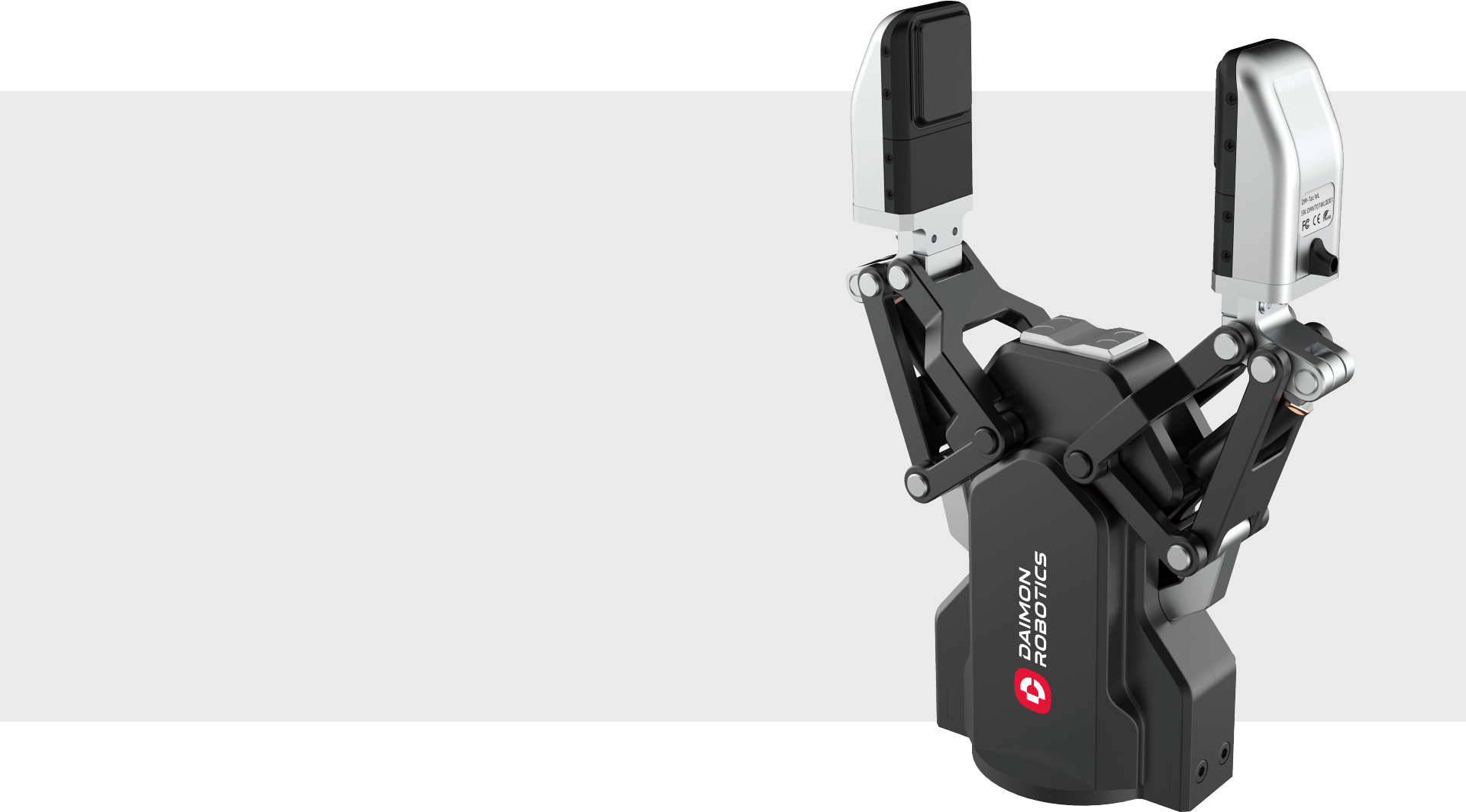
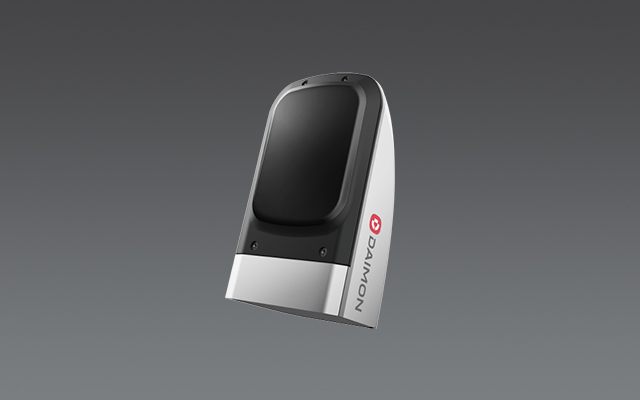
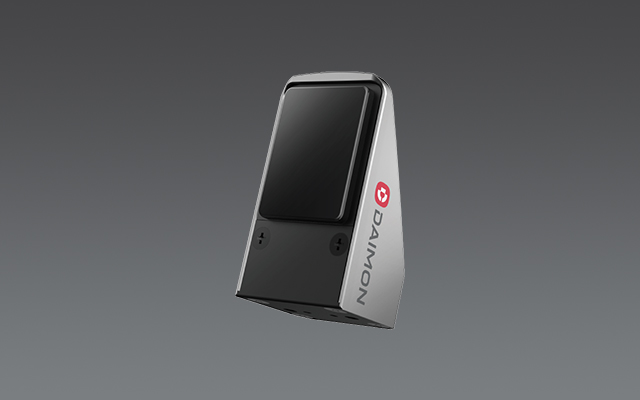
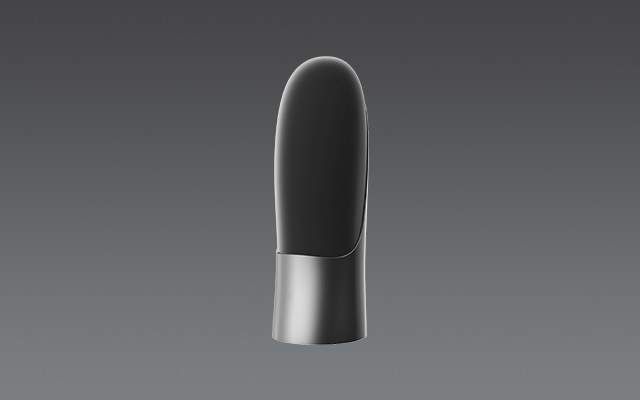
The advancements in tactile technology have paved the way for the development of high-resolution multimodal tactile sensing systems. Our cutting-edge sensor packs feature over 40,000 sensing units per square centimeter, delivering unparalleled detail and accuracy in contact shape detection. This high level of resolution means that robots can not only recognize the shape of an object but also discern its texture and temperature, enabling a richer understanding of tactile interactions.
By combining different sensing modalities, our systems allow for comprehensive tactile perception. This multidimensional tactile interface enhances a robot's ability to navigate complex environments, making it an invaluable tool in industries requiring precision and reliability. Our focus on Vision-Tactile-Language-Action (VTLA) manipulation models further bridges the gap between digital and physical worlds, catering to the evolving demands of intelligent automation.
Embracing the Future of Tactile Perception
Tactile motion perception represents a significant leap forward in how robots interact with their world. As the need for smarter, more adaptable machines grows, so does the role of tactile sensing technologies. At Daimon, we are dedicated to pioneering the future of tactile perception through our innovative hardware and software solutions.
By merging advanced tactile sensing with artificial intelligence, we empower robots to make nuanced decisions based on tactile feedback, revolutionizing how they perform tasks across various industries. Together, we can unlock the full potential of robotics and reshape the landscape of intelligent automation. Join us at Daimon as we explore new horizons in tactile sensing and perception, paving the way for a smarter, more efficient future.