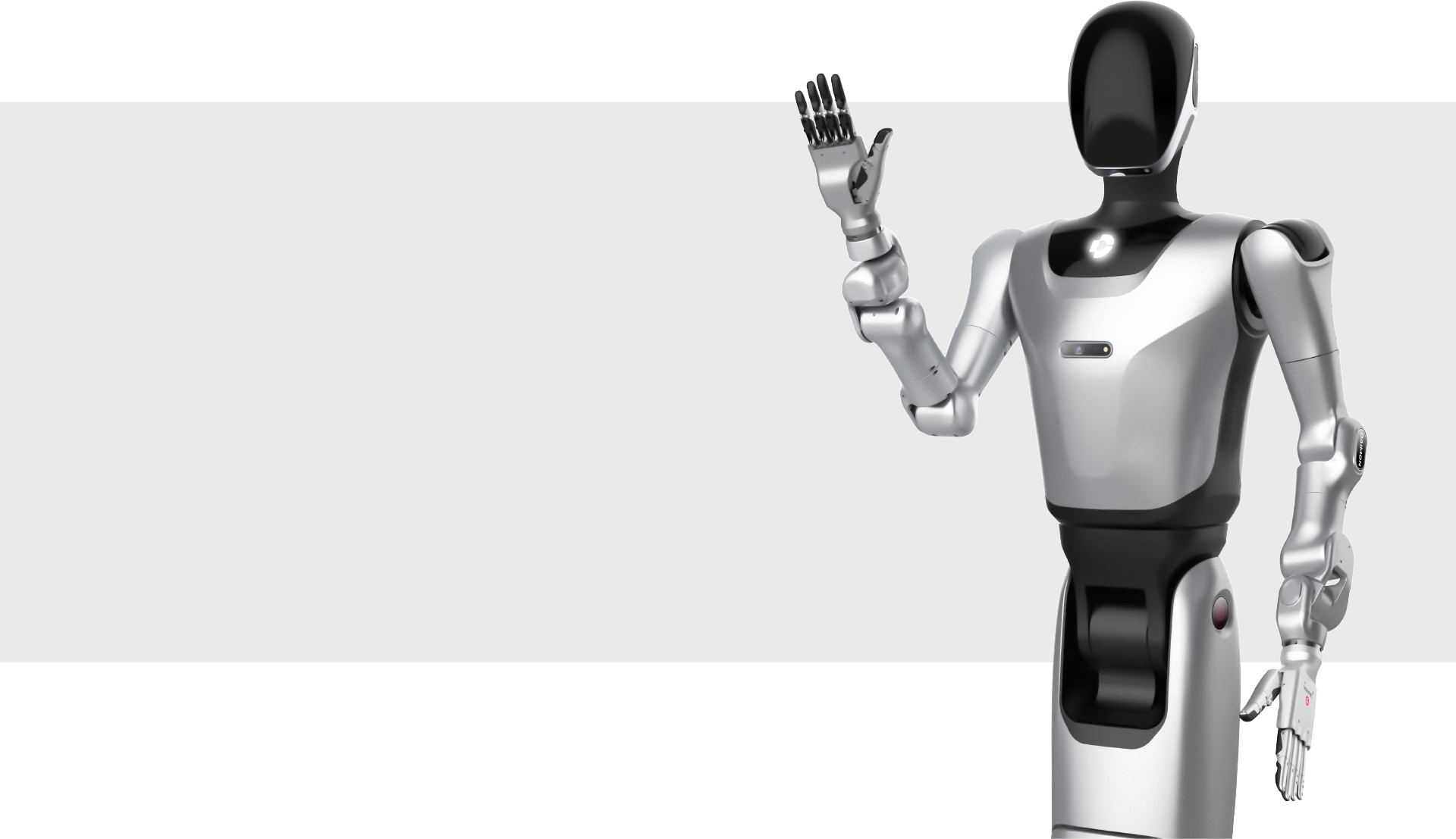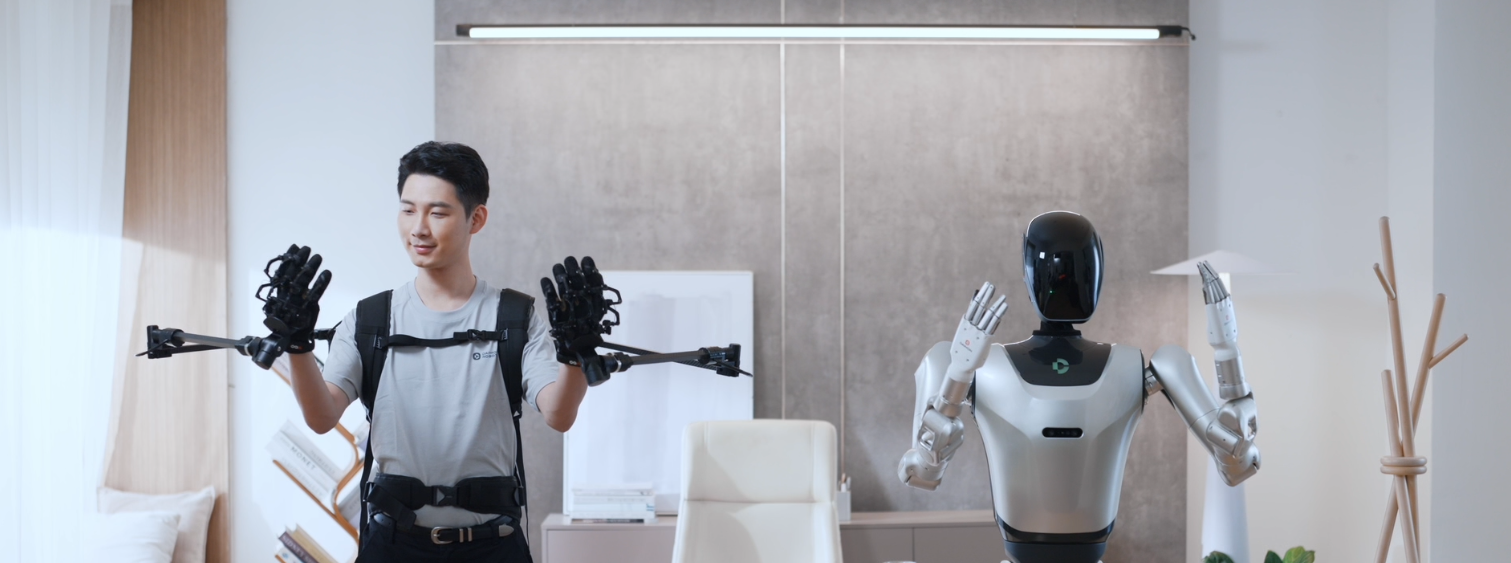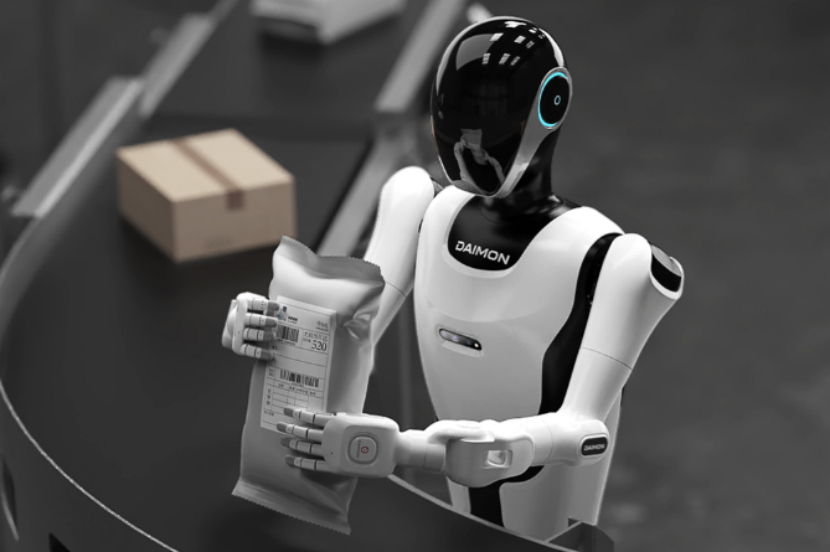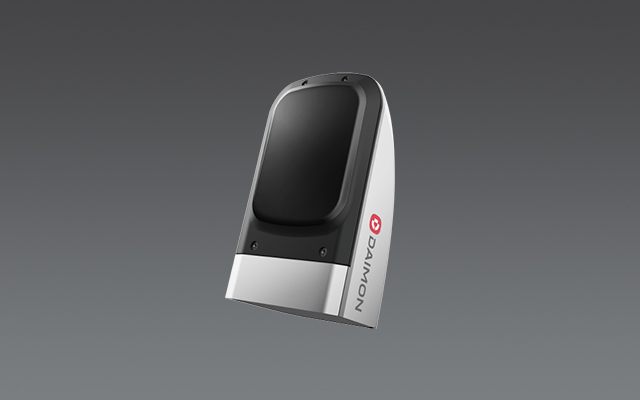
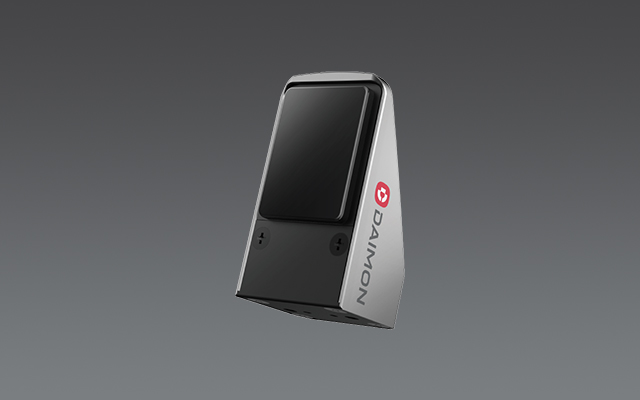
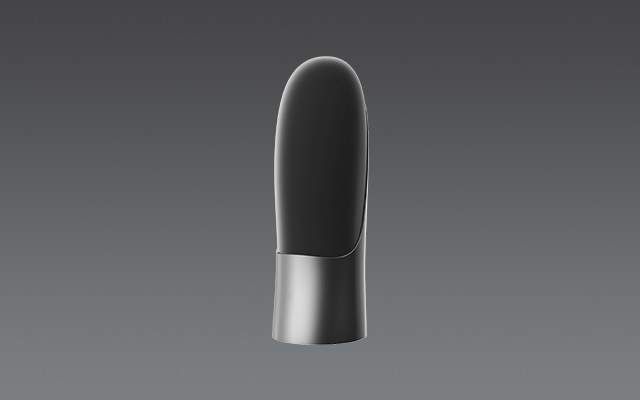
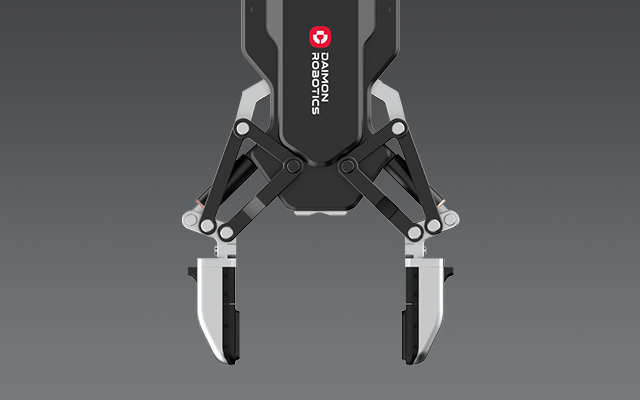






Visual-tactile grippers represent a significant advancement in robotic manipulation, combining visual perception with tactile feedback to enhance functionality. These grippers are particularly effective in scenarios requiring precise interaction and detailed environmental understanding. Companies like Daimon are leading this innovation with products such as the DM-Tac G, which utilizes embodied artificial intelligence to optimize operational capabilities.
Understanding Visual-Tactile Grippers
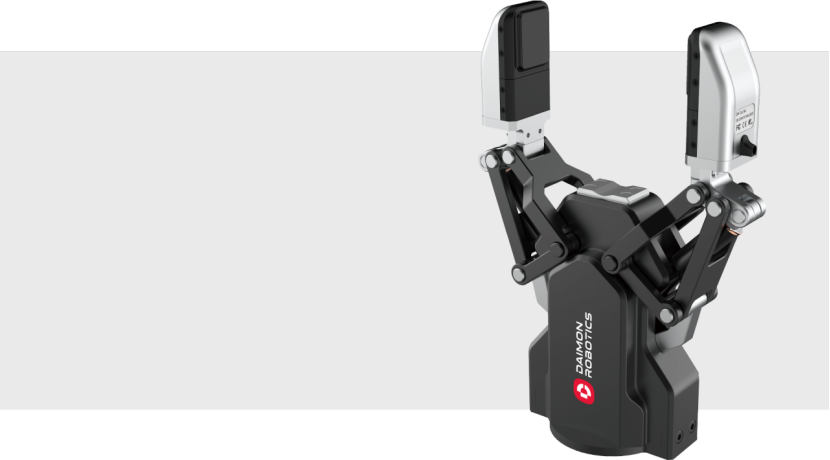
Visual-tactile grippers are specialized robotic devices that integrate visual sensors with tactile sensors. This hybrid approach allows robots to not only see objects but also feel and respond to their physical characteristics accurately. The DM-Tac G exemplifies this technology with its ability to collect over 9 million data sets per second through its high-precision visual-tactile sensor.
This real-time data acquisition enables grippers to understand an object’s material, shape, and even deformation. With embodied artificial intelligence, robots equipped with visual-tactile grippers can adapt their grasp based on immediate sensory feedback, providing a level of interaction that traditional grippers cannot achieve.
Enhanced Manipulation Capabilities
One of the main benefits of visual-tactile grippers is their enhanced manipulation capabilities. The combination of high-resolution tactile perception in both tangential and normal directions allows for recognition of micron-level changes during contact. This precision is vital for tasks that require delicate handling, such as assembling small components or picking fragile items.
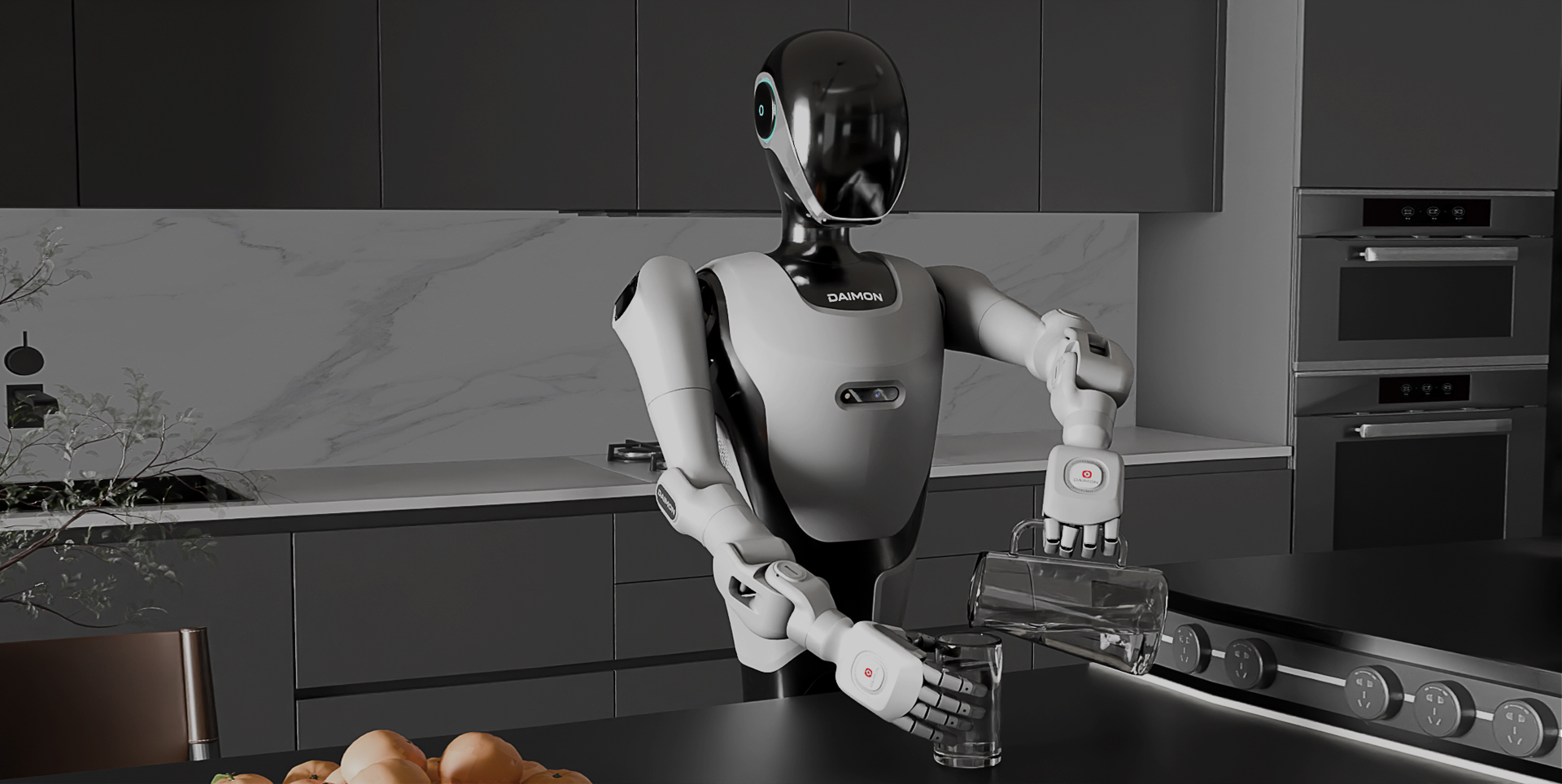
The ability to detect slip and adjust grip strength accordingly further enhances performance in dynamic environments. For instance, when a robot lifts an object, the visual-tactile gripper can sense if the item starts to slide and respond instantly to maintain its hold. This responsiveness is a clear application of embodied artificial intelligence, allowing robots to operate more effectively and safely.
Applications in Various Industries
The advantages of visual-tactile grippers extend across multiple industries, including manufacturing, logistics, and healthcare. In manufacturing, these grippers excel in assembly lines where precision is non-negotiable. They can differentiate between materials and adjust their grip based on the specific requirements of each part, minimizing waste and rework.
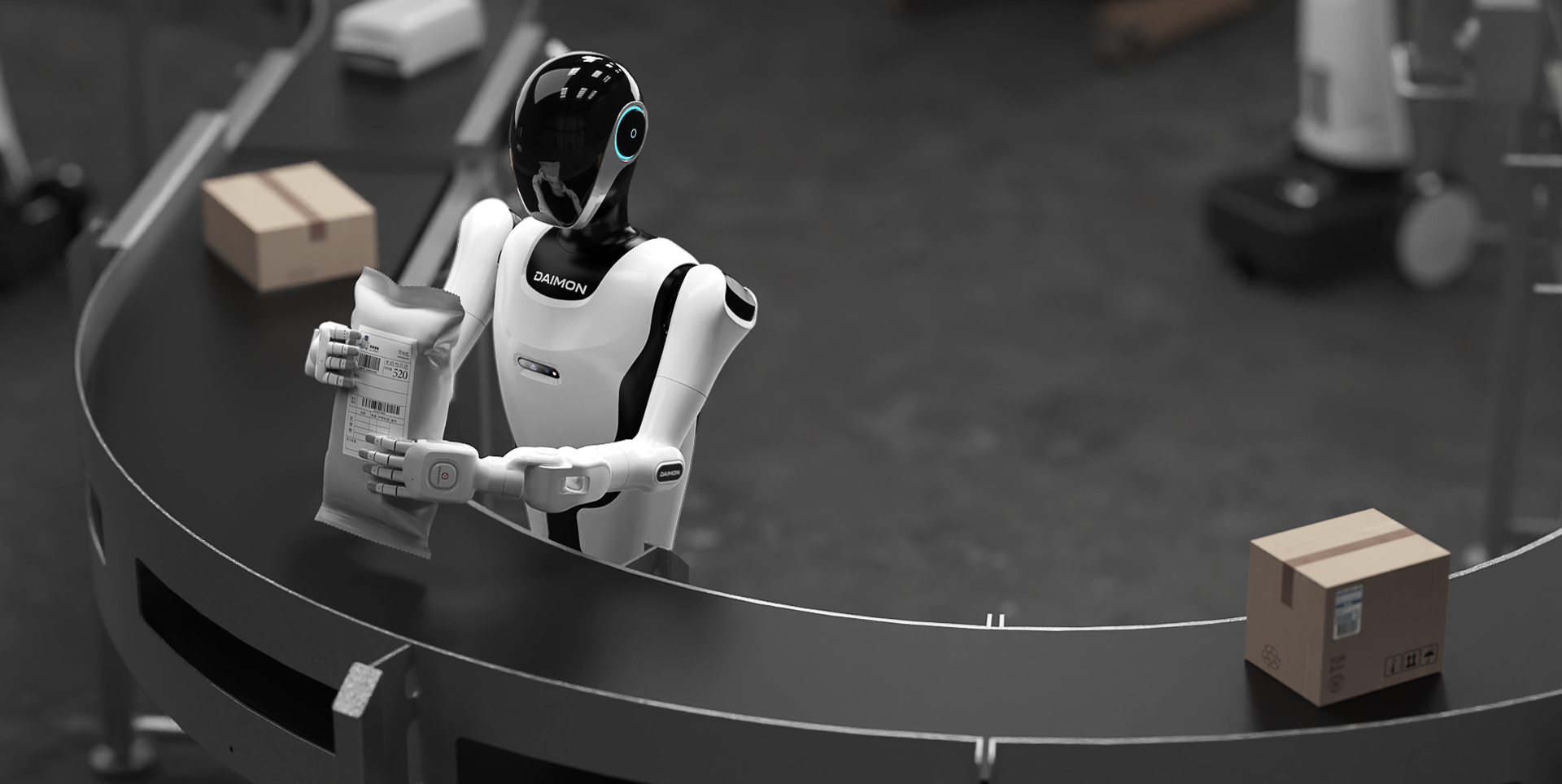
In logistics, visual-tactile grippers enhance sorting and packaging processes by accurately identifying items based on tactile feedback and visual data. This capability speeds up operations and reduces the risk of damaging products during handling.
Laboratory automation also benefits from this technology. Robots equipped with our visuotactile grippers can manipulate delicate test tubes and hazardous chemical reagents, significantly improving automated experiment efficiency while preventing human contamination. Thus, the embodied artificial intelligence in these grippers allows them to operate effectively in complex and sensitive environments.
The Future of Robotic Manipulation with Visual-Tactile Grippers
In summary, visual-tactile grippers offer substantial benefits by integrating visual perception with tactile feedback. Products like Daimon’s DM-Tac G demonstrate how embodied artificial intelligence can enhance robotic capabilities, enabling precise manipulation and interaction in various applications.
The integration of high-frequency multimodal perception allows robots to effectively respond to intricate tasks and adjust in real time, improving operational efficiency and safety. As the demand for intelligent robotic solutions increases, visual-tactile grippers will play a crucial role in advancing robotic technology, paving the way for innovative applications across diverse fields.
By leveraging embodied artificial intelligence, companies like Daimon are not just enhancing robotic functionality but also shaping the future of automation and intelligent systems.