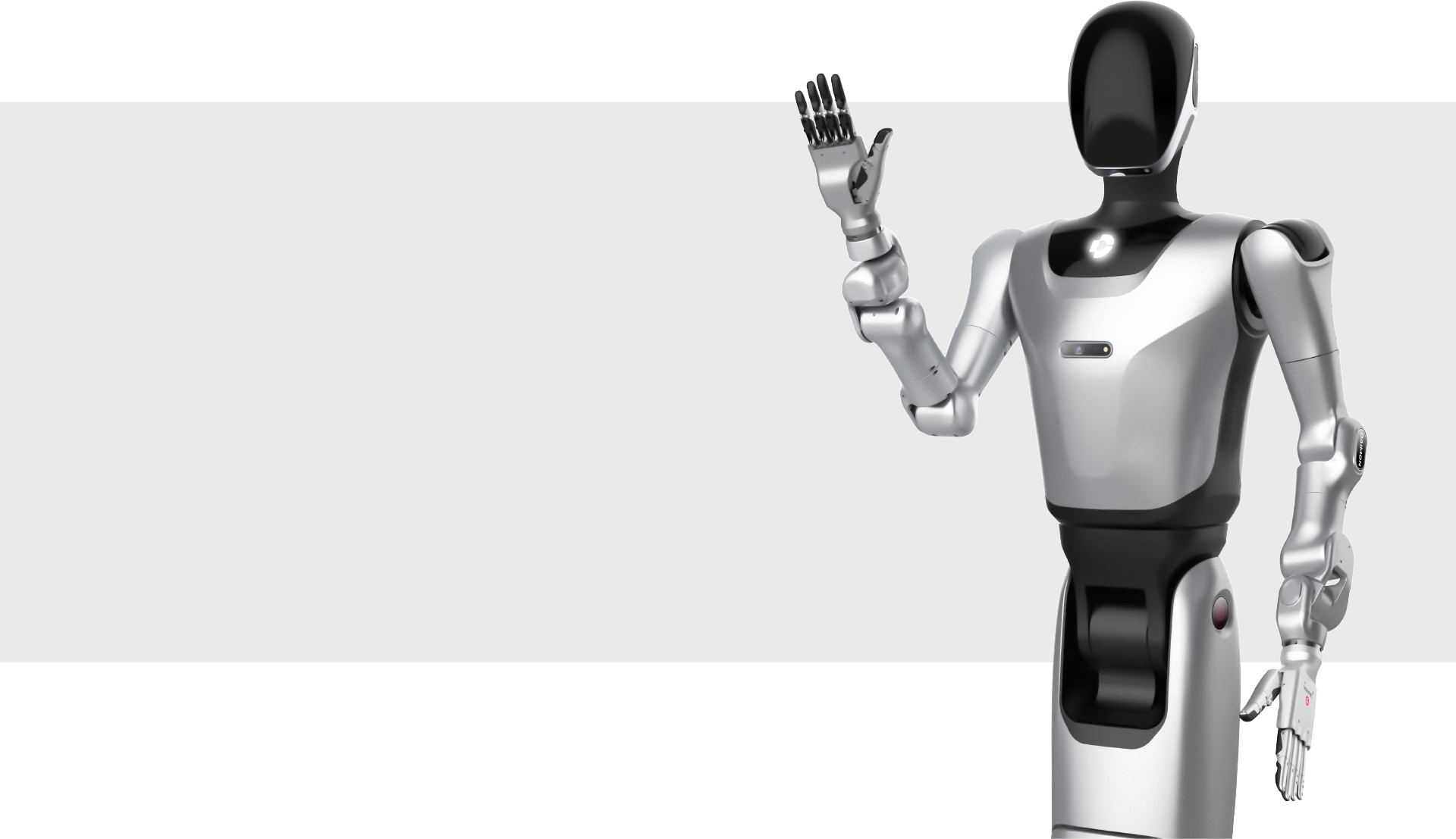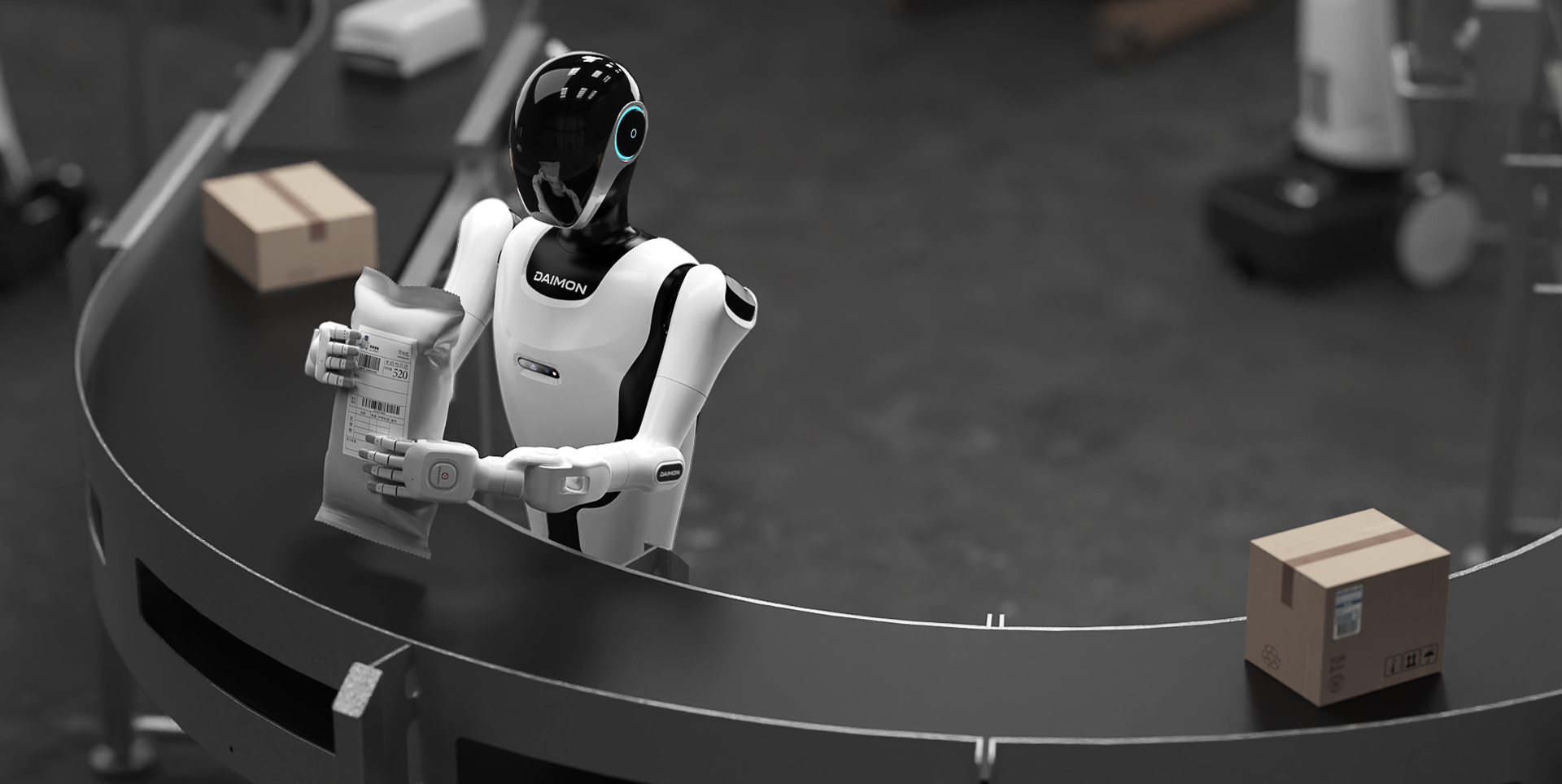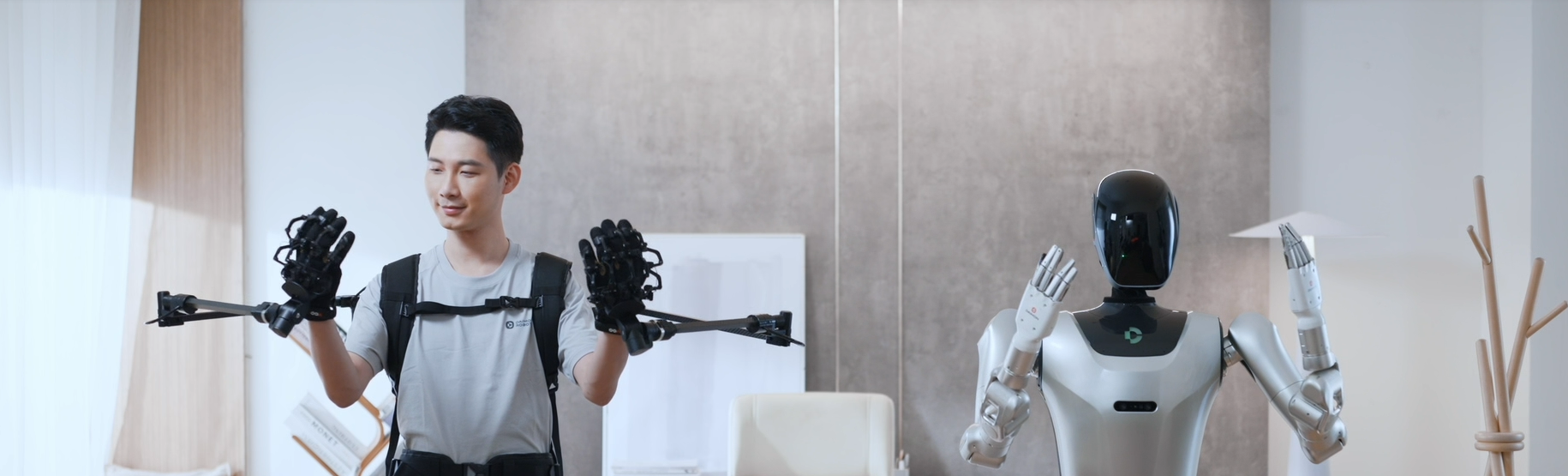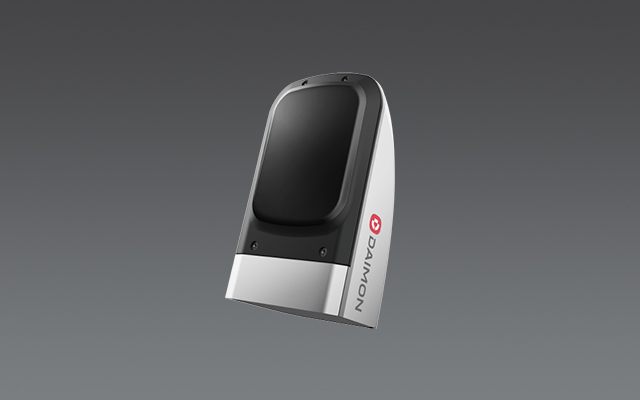
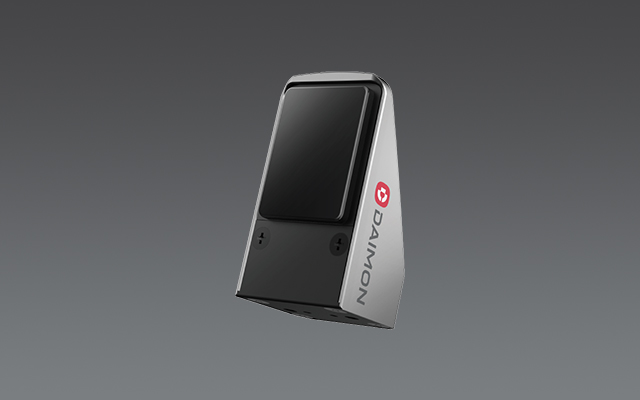
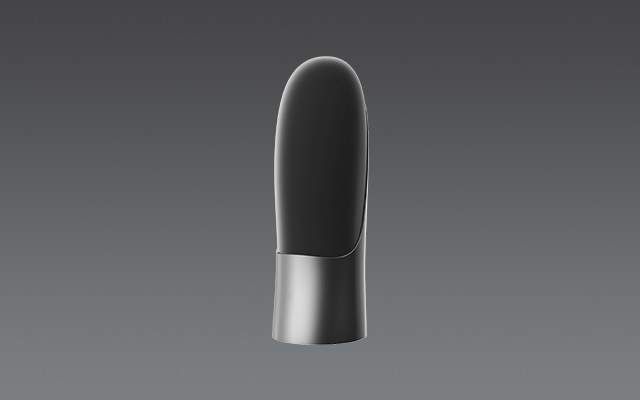
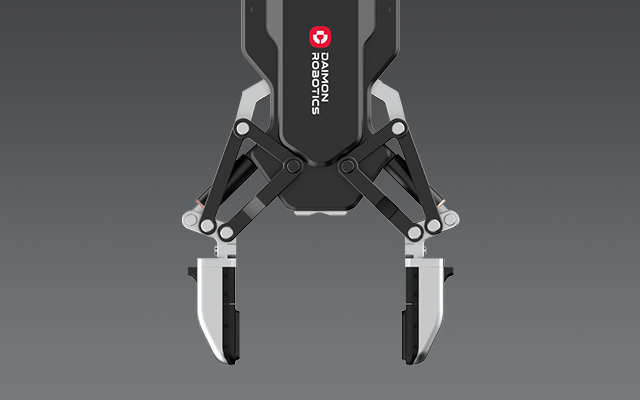
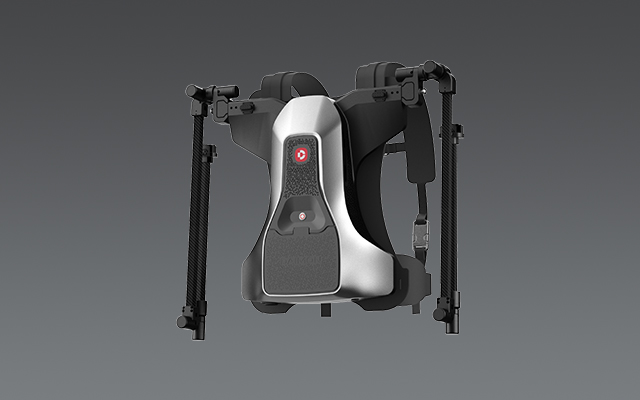
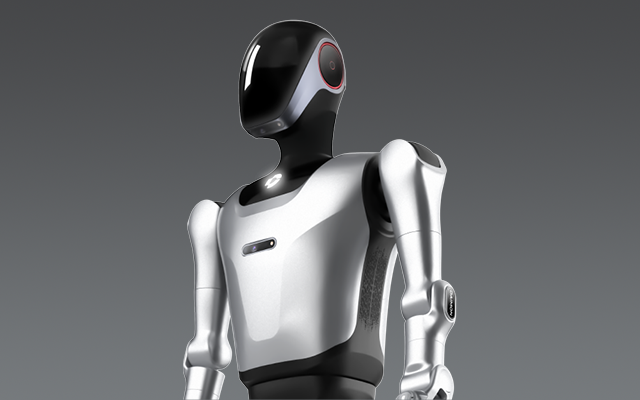






Tactile sensing and vision are two critical components of embodied artificial intelligence (AI) that work together to enhance robotic capabilities. By integrating these modalities, robots can gain a more comprehensive understanding of their environment, leading to improved interaction and manipulation of objects. Daimon is at the forefront of this integration with its innovative Daimon One model, which employs a multimodal approach combining vision, touch, and language.
The Role of Tactile Sensing in Embodied AI
Tactile sensing provides robots with the ability to physically interact with objects, offering data about texture, weight, and shape. This sensory input is crucial for tasks requiring precision, such as handling delicate items or navigating complex environments. With tactile sensors, robots can detect minute variations in contact and apply appropriate forces, ensuring safe manipulation.
In the context of embodied artificial intelligence, tactile sensing complements visual input by adding a layer of interaction that vision alone cannot provide. While cameras capture visual information, tactile sensors relay real-time feedback that influences how robots engage with their surroundings. This integration allows for more nuanced actions, such as adjusting grip strength when lifting an object, which is essential for effective robotic operation.
Integrating Vision and Tactile Inputs
The integration of tactile sensing and visual data is a hallmark of the Daimon One multimodal VTLA (Vision Tactile Language Action) model. This system enables robots to process multiple sensory inputs simultaneously, creating a comprehensive understanding of their environment. By mapping visual and tactile data to actionable outputs, robots can execute tasks with greater accuracy.
For example, when a robot identifies an object using its vision system, it can simultaneously use tactile sensors to assess how to grasp that object securely. This closed-loop capability empowers robots to adapt their actions based on real-time feedback, enhancing their reasoning and task generalization abilities in diverse scenarios. Such integration is vital for performing complex physical interactions that require both visual and tactile assessments.
Benefits of Multimodal Perception
The fusion of tactile sensing and vision yields numerous benefits in robotic applications. First, it enhances the robot's situational awareness, enabling it to operate effectively in dynamic and unpredictable environments. Robots equipped with embodied artificial intelligence can better interpret multifaceted stimuli, leading to more informed decision-making.
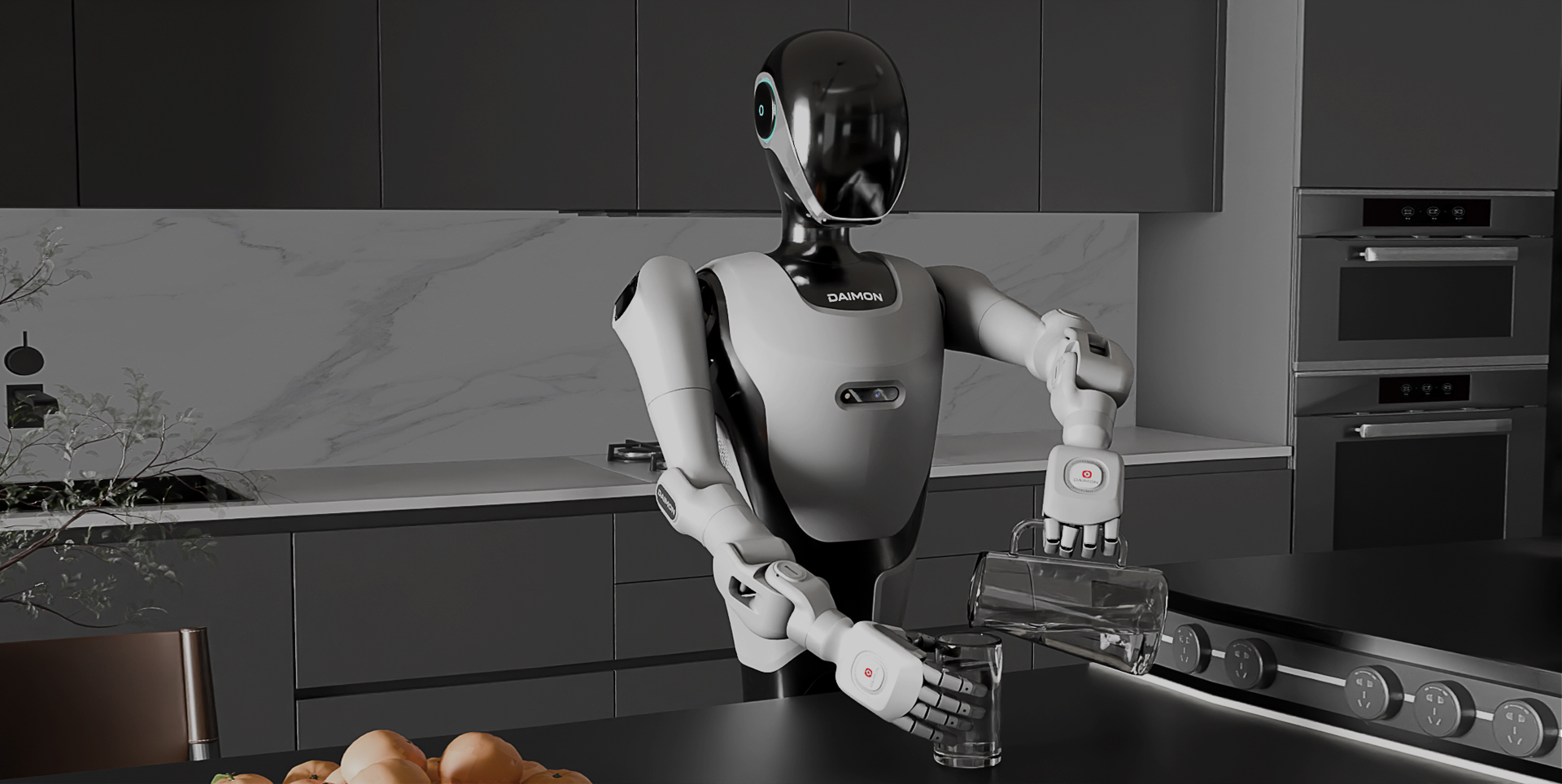
Second, this integration facilitates a more intuitive user experience. With robots capable of understanding both what they see and feel, they can engage in more natural interactions with users, making them suitable for various application areas, including healthcare, manufacturing, and home services. For instance, when a robot assists in a kitchen, it can visually recognize pots and pans while tactically assessing their temperature and weight, enabling safer and more efficient operations.
Lastly, the combined strengths of tactile sensing and vision lead to improved autonomy. As robots become capable of autonomously executing complex tasks through multimodal perception, they alleviate burdens on human operators. This autonomy allows for broader deployment of robotic systems in various sectors, transforming how tasks are approached and executed.
Advancing Robotic Capabilities Through Integration
In summary, the integration of tactile sensing with vision represents a significant advancement in embodied artificial intelligence. Daimon’s innovative approaches, such as the Daimon One model, demonstrate how multimodal inputs can be harnessed to enhance robotic manipulation and interaction.
This integration not only improves the precision and effectiveness of robotic tasks but also opens avenues for more intuitive and autonomous systems. As the landscape of robotics continues to evolve, the synergy between tactile sensing and vision will play a crucial role in shaping the future of embodied artificial intelligence, enabling robots to operate seamlessly in human-centric environments. The potential for transforming industries through these technologies is vast, marking a significant leap forward in the capabilities of intelligent systems.