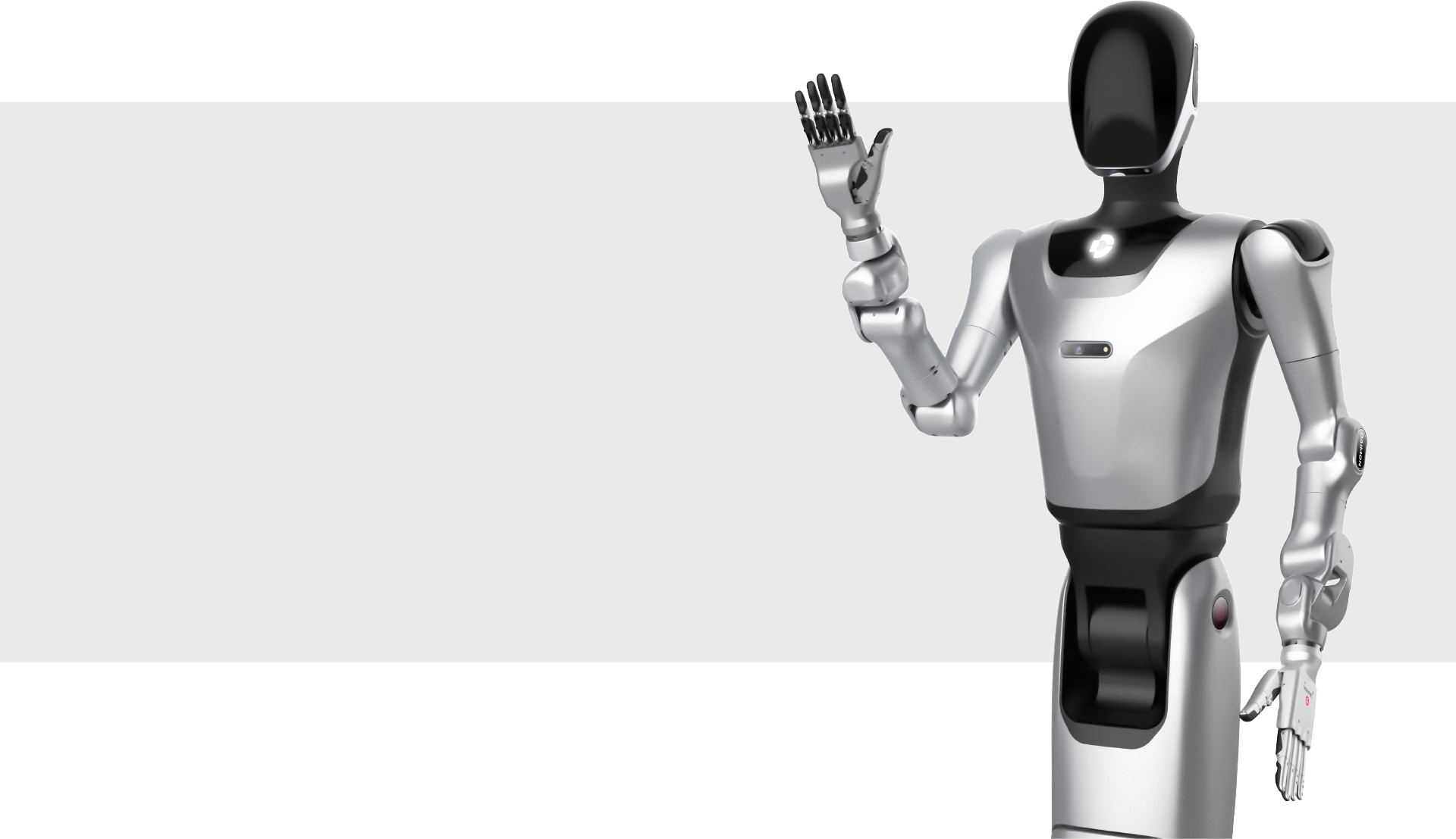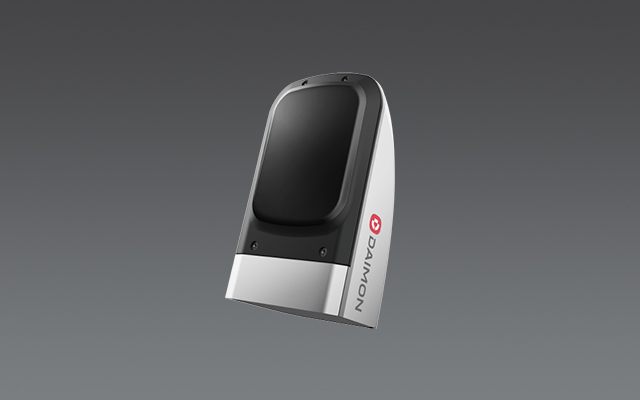
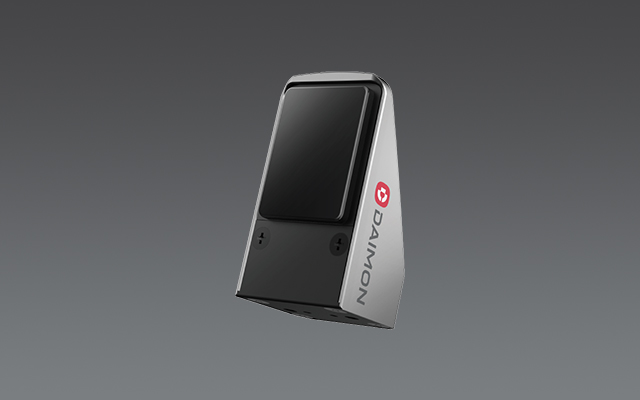
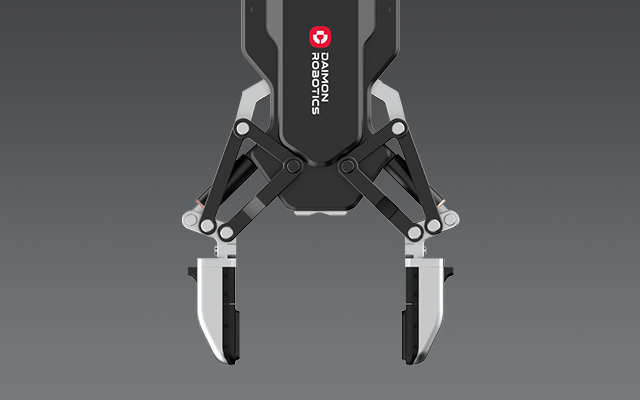
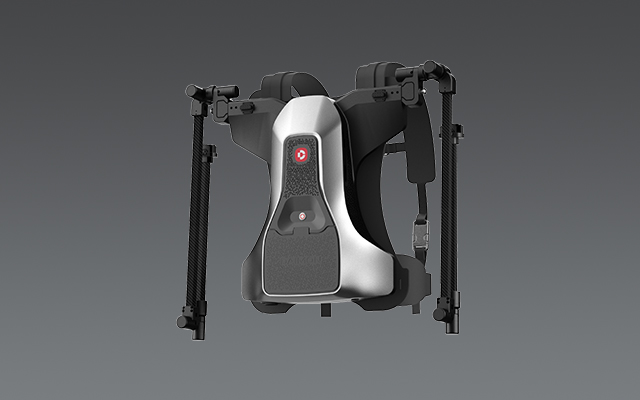
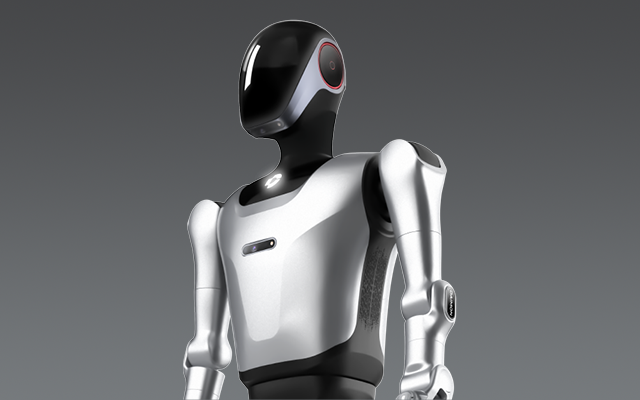






Embodied artificial intelligence (AI) is revolutionizing the capabilities of robotic systems, enabling them to perform tasks with increased efficiency and precision. By integrating sensory perception with physical action, embodied AI equips robots to interact intelligently with their environments. Companies like Daimon are pioneering this technology, introducing innovative services across diverse sectors such as logistics and manufacturing.
Intelligent Logistics: Enhancing Efficiency
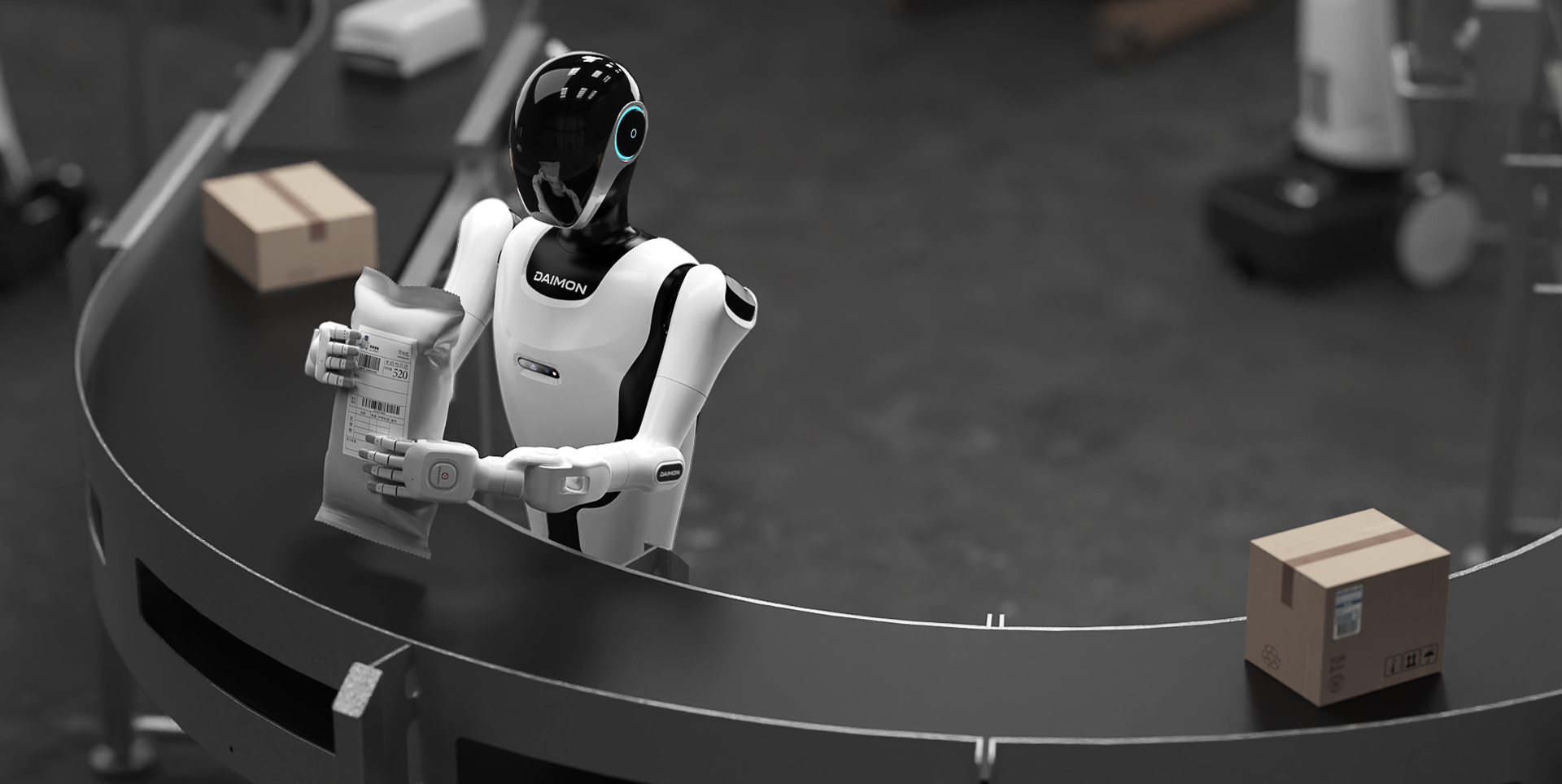
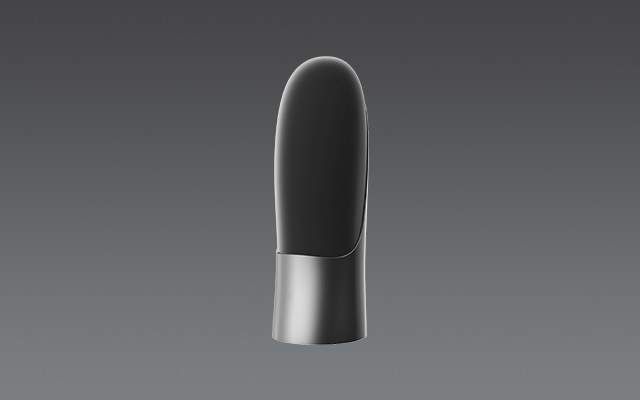
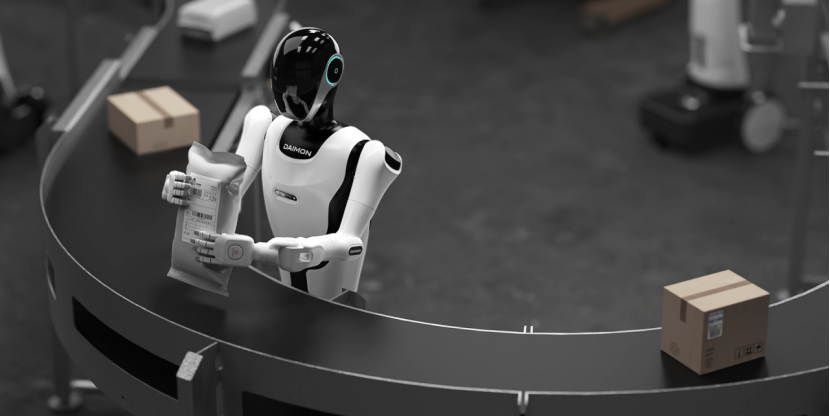
One of the most promising applications of embodied artificial intelligence is in intelligent logistics. The combination of high-precision tactile feedback and advanced dexterous hand technology allows robots to handle complex logistics tasks effectively. These robots can accurately recognize an object’s size, weight, and material properties, enabling them to grasp a wide range of items, including fragile and irregularly shaped components.
This capability significantly enhances operations in warehouses and distribution centers. For instance, robots equipped with embodied AI can efficiently sort and transport goods, minimizing the risk of damage during handling. Safety and stability are paramount, and the tactile feedback provided by embodied AI ensures that robots can execute their tasks with confidence, ultimately leading to increased agility and overall operational efficiency.
Intelligent Manufacturing: Precision and Adaptability
Another area where embodied artificial intelligence is making a substantial impact is in intelligent manufacturing. Daimon’s tactile sensors are designed to provide high-resolution tactile feedback, enabling robots to perceive, understand, and manipulate components with remarkable accuracy. This level of precision is crucial for modern manufacturing processes, where the integration of robotics can enhance productivity while maintaining quality standards.
In practical terms, embodied AI facilitates operations such as plug-and-play assembly and electronic component handling. Robots can assemble products or manage intricate tasks that require real-time analysis of each component’s characteristics. This adaptability allows for rapid changes in production lines, accommodating varying product designs and specifications without compromising efficiency.
By enabling seamless interaction with varied materials, embodied artificial intelligence ensures that manufacturing operations remain flexible and responsive to market demands. This capacity for precise manipulation can lead to significant cost savings and streamlined workflows for manufacturers.
Home Services: A New Era of Assistance
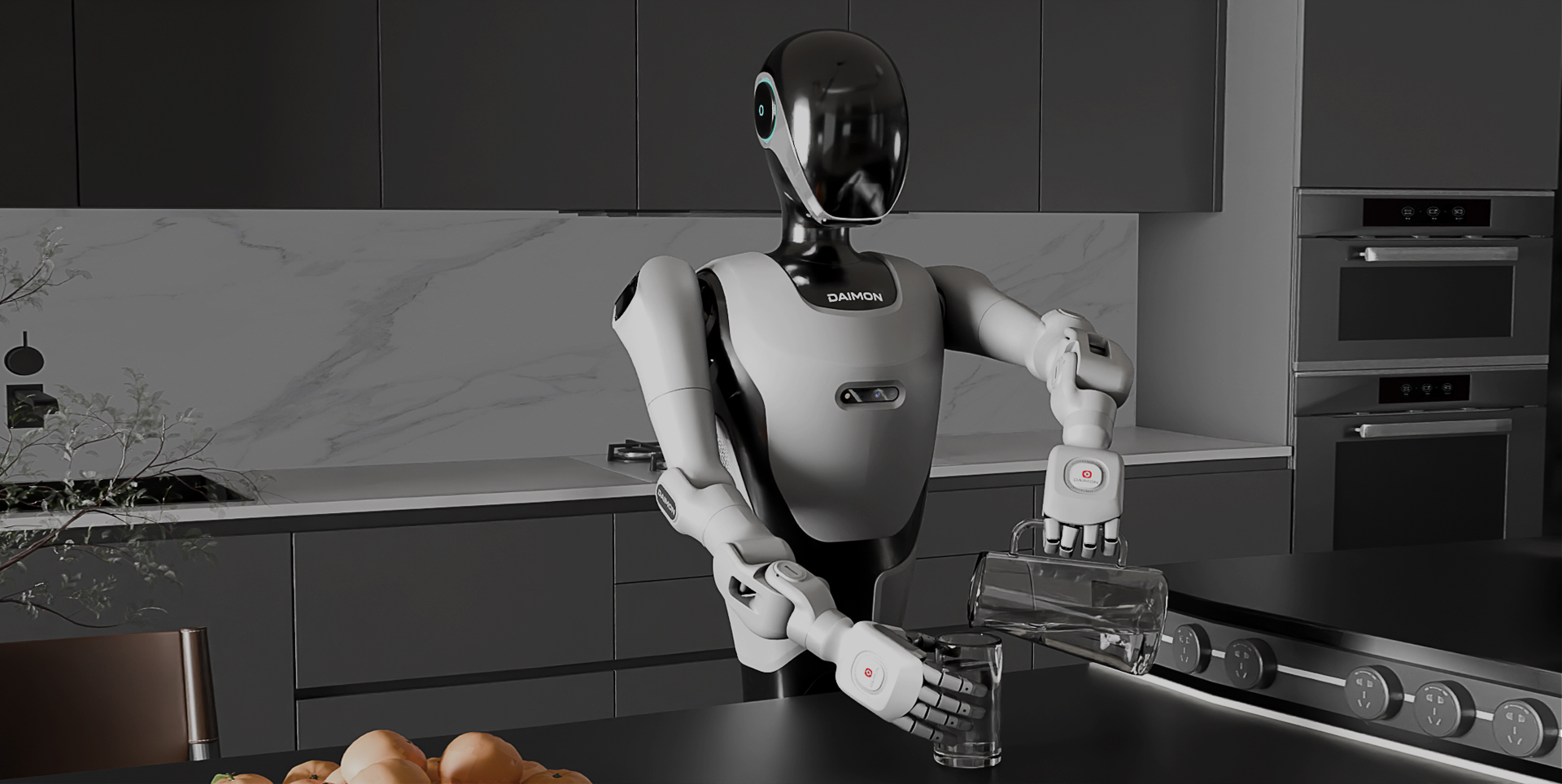
The applicability of embodied artificial intelligence extends beyond industrial settings into everyday life. In the realm of home services, robots powered by embodied AI can undertake various chores, enhancing convenience and efficiency in household management. For example, robots can assist with cleaning tasks, catering to specific needs by responding intelligently to their surroundings.
Using advanced tactile and visual sensors, these robots can navigate through complex spaces, avoiding obstacles while executing tasks like washing dishes or wiping surfaces. The ability to accurately perceive and react to their environment makes these home service robots reliable companions that can adapt to user preferences and household challenges.
With embodied artificial intelligence, the potential for personalized home assistance grows, making daily living more manageable and efficient for users. From elderly care to routine cleaning, the integration of intelligent robotic services has the potential to significantly enhance quality of life.
The Transformative Potential of Embodied AI
In summary, embodied artificial intelligence is poised to provide innovative services across multiple domains, including logistics, manufacturing, and home assistance. By integrating advanced tactile sensing and responsive technology, companies like Daimon are at the forefront of this transformation.
The capability of embodied AI to enhance efficiency, precision, and adaptability will redefine industries and the functionalities of robotic systems. As these technologies continue to evolve, we can expect a future where embodied AI not only supports but actively enhances our daily lives and work environments. The potential services offered by embodied AI represent a significant leap forward in how robots can interact with, understand, and improve the world around us.