





The integration of robotics into various fields has led to groundbreaking advancements in how tasks are performed, particularly through the use of wearable exoskeletons and teleoperation systems. These technologies allow operators to control robotic systems remotely, enhancing efficiency, safety, and flexibility in operations. As industries evolve, understanding the functionality of wearable exoskeleton in enabling remote control through teleoperation systems becomes crucial for businesses looking to invest in automation.
The Role of Wearable Exoskeletons in Teleoperation
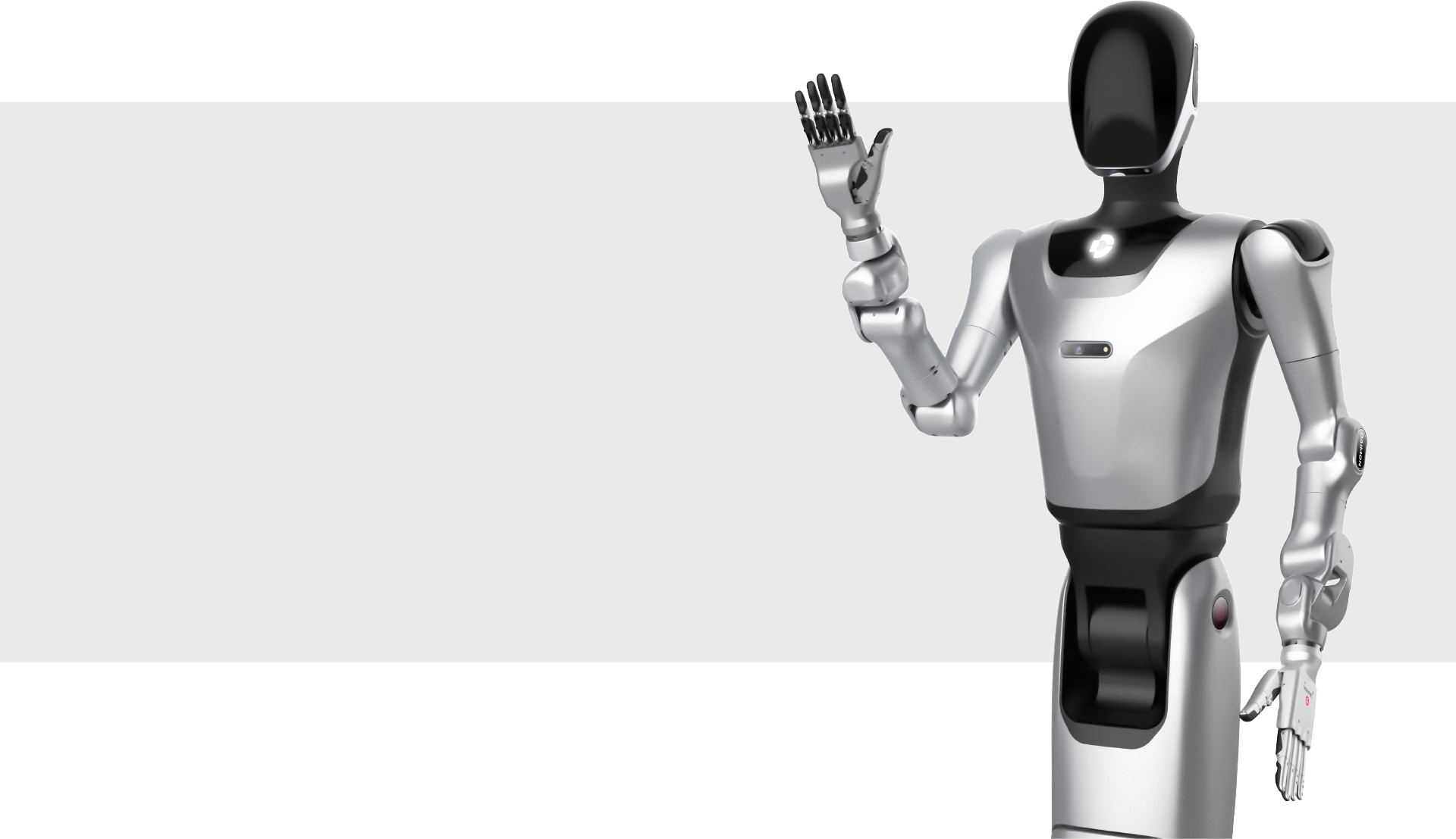
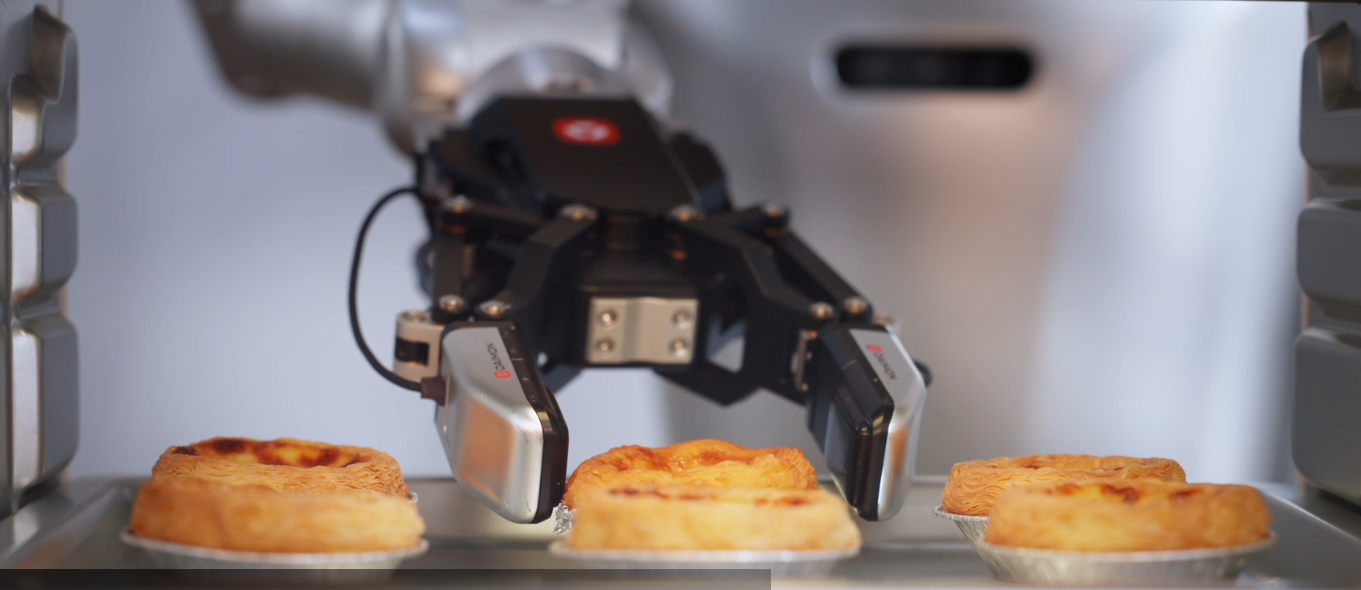
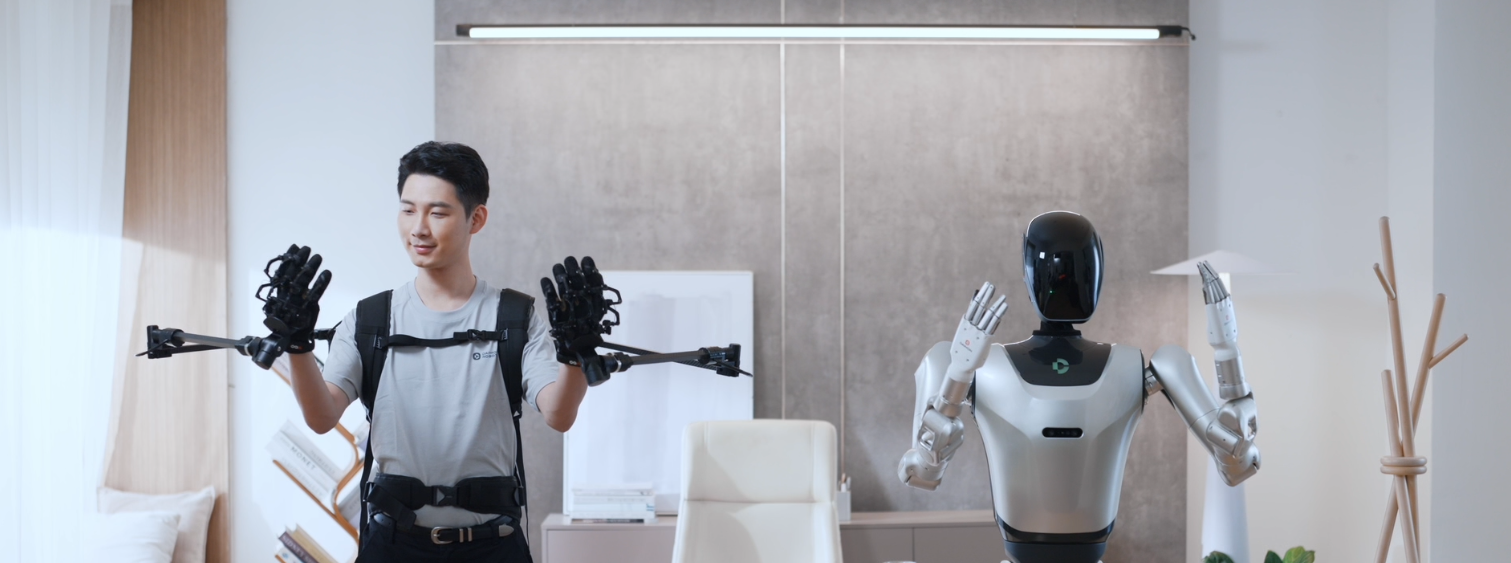
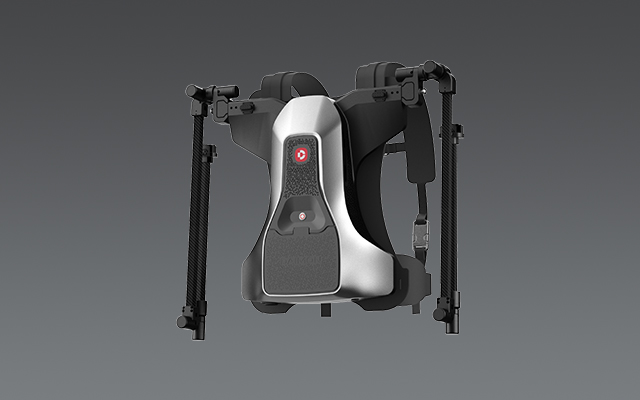
Wearable exoskeletons serve as an interface between human operators and robotic systems, providing a seamless way to translate human motion into robotic actions. This connection is made possible through a lightweight, easy-to-wear design that offers high degrees of freedom, allowing users to move naturally while controlling a robot. When integrated with a robust teleoperation system, these exoskeletons enable users to manipulate robotic limbs and tools remotely, making them invaluable in scenarios where human presence may be risky or impractical.
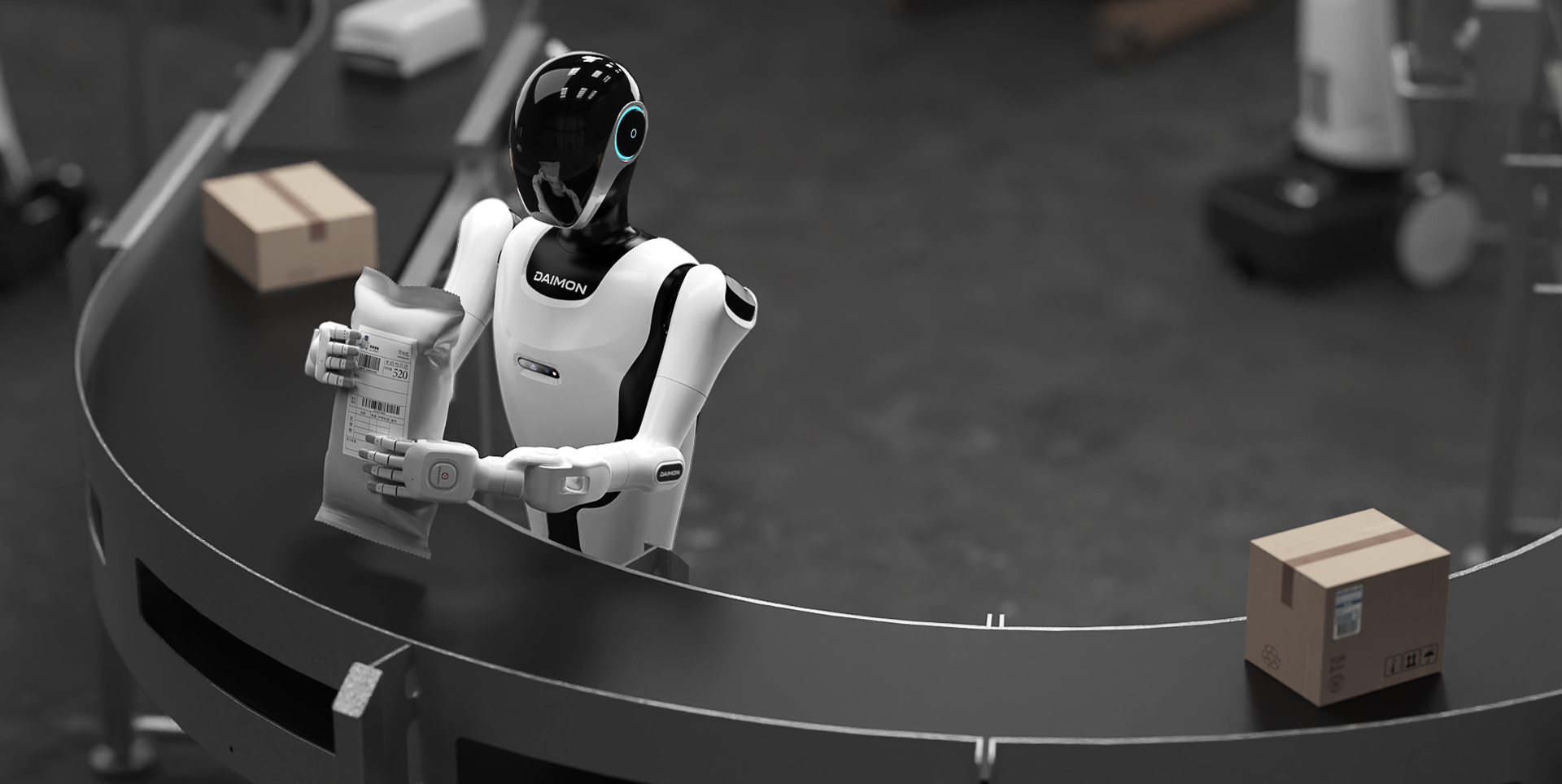
Moreover, the ability of wearable exoskeletons to collect and transmit data plays a significant role in this process. By gathering real-time information about the operator's movements and intentions, the teleoperation system can execute commands with precision, allowing for accurate representations of the user's actions in the robotic counterpart. This technology finds extensive applications in fields ranging from manufacturing and logistics to healthcare and disaster recovery.
Enhancing Safety and Efficiency Through Remote Operations
One of the most significant advantages of utilizing a wearable exoskeleton and teleoperation system is the enhanced safety it provides. In hazardous environments, such as construction sites or areas affected by natural disasters, human operators can control robots without exposing themselves to danger. This remote capability not only protects human lives but also ensures that operations continue smoothly even in challenging situations.
Additionally, the efficiency of operations is amplified when employing a wearable teleoperation system. Operators can manage multiple robots simultaneously, optimizing productivity while minimizing manual labor. The intuitive control provided by exoskeletons makes it easier to oversee complex tasks that require finesse and precision, such as surgical procedures or intricate assembly work.
Future Prospects and Innovation
As technology advances, the potential for wearable exoskeletons and teleoperation systems continues to expand. Research and development in this field are unlocking new possibilities, including enhanced adaptability to various environments and user-specific customization options. These innovations will further increase the applicability of wearable exoskeletons across different sectors, making them essential tools for ongoing transformation in automation and robotics.
At Daimon, we are dedicated to developing cutting-edge solutions that harness the power of wearable exoskeletons and teleoperation systems. Our commitment to creating lightweight, versatile systems enhances the capabilities of operators while ensuring safety and efficiency in their tasks. Together, let’s explore the future of remote control and redefine what’s possible in the world of robotics and automation.