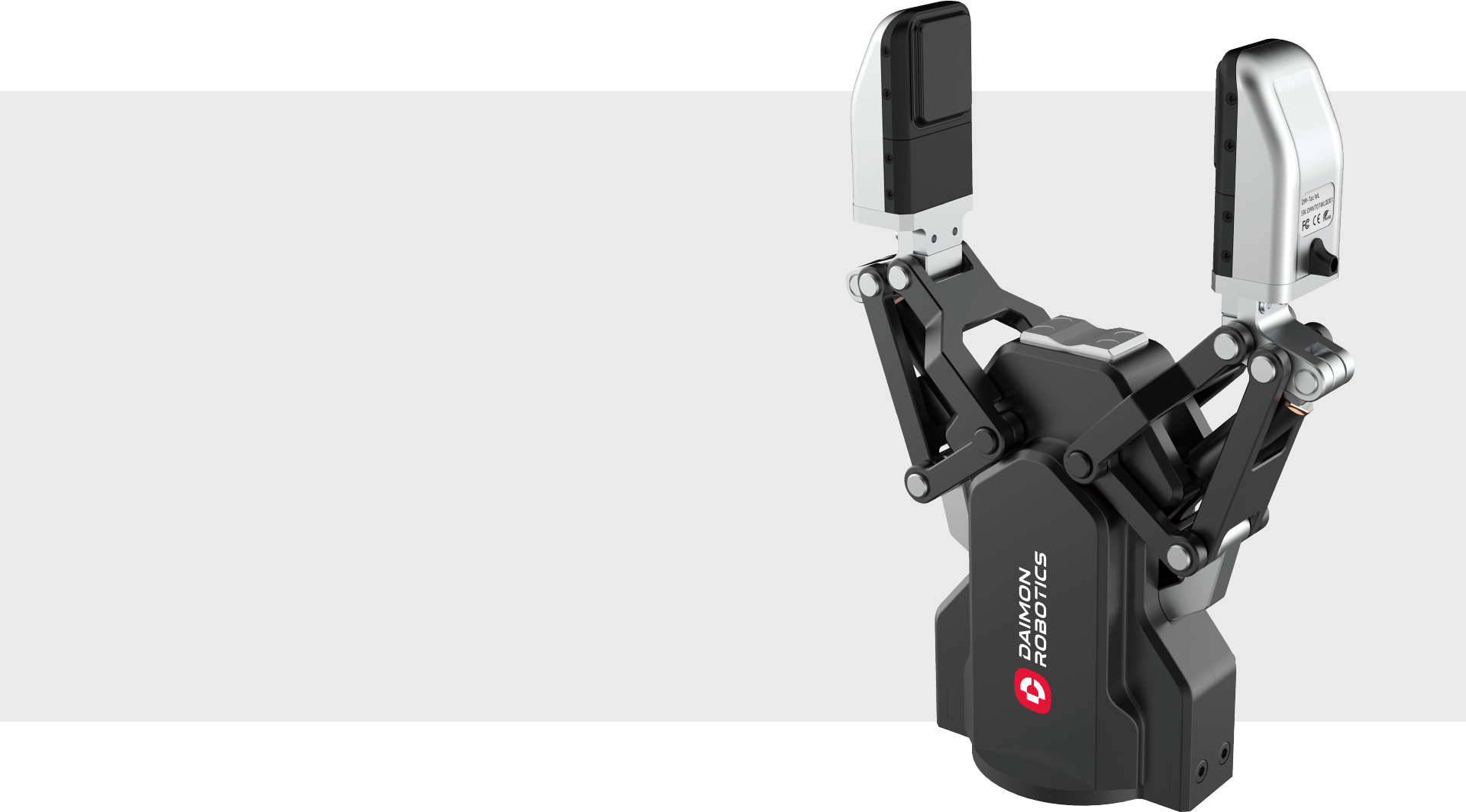
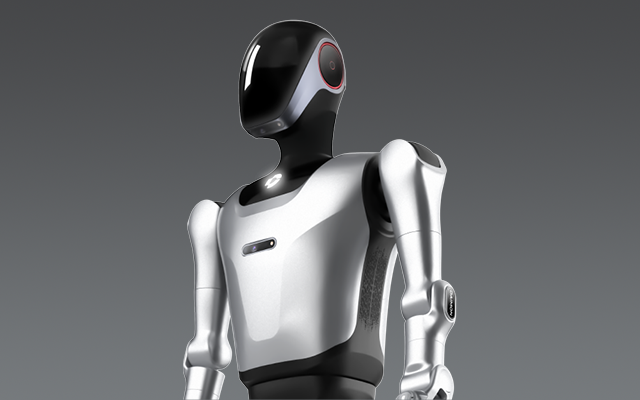






For years, robotic manipulation struggled with a fundamental gap: even the most advanced robotic hands could not replicate the intuitive, delicate touch of human fingers. That gap is now closing, thanks to breakthroughs in sensing technology. From our perspective at Daimon, the key to high-dexterity control lies not just in capturing contact, but in understanding the full richness of tactile interaction. Achieving this requires a robotic tactile sensor that goes beyond simple pressure detection—and a robotic finger sensor that fits seamlessly into fingertip-sized spaces without sacrificing perception.
Beyond the Fingertip: The Need for Full-Coverage Sensing
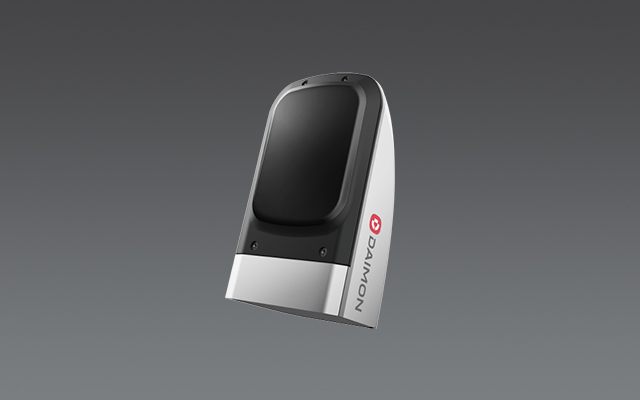
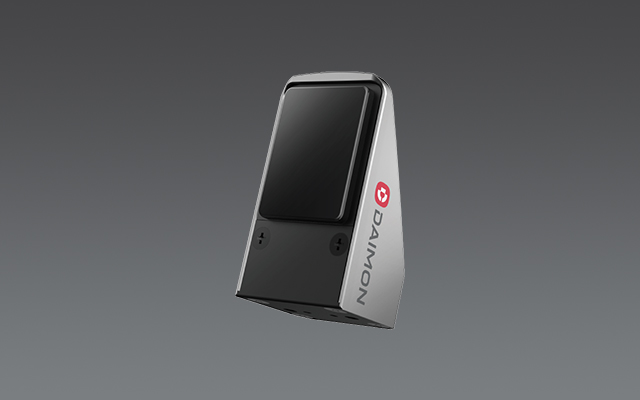
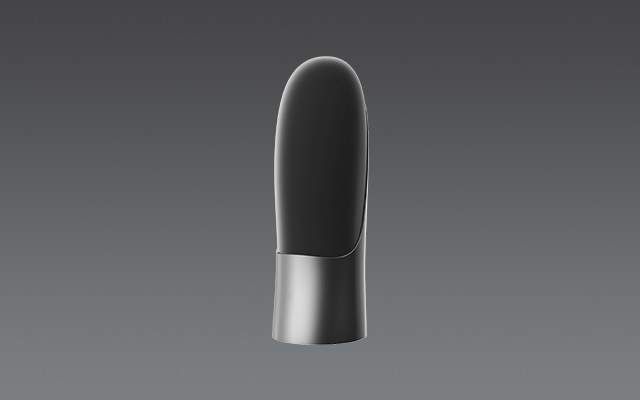
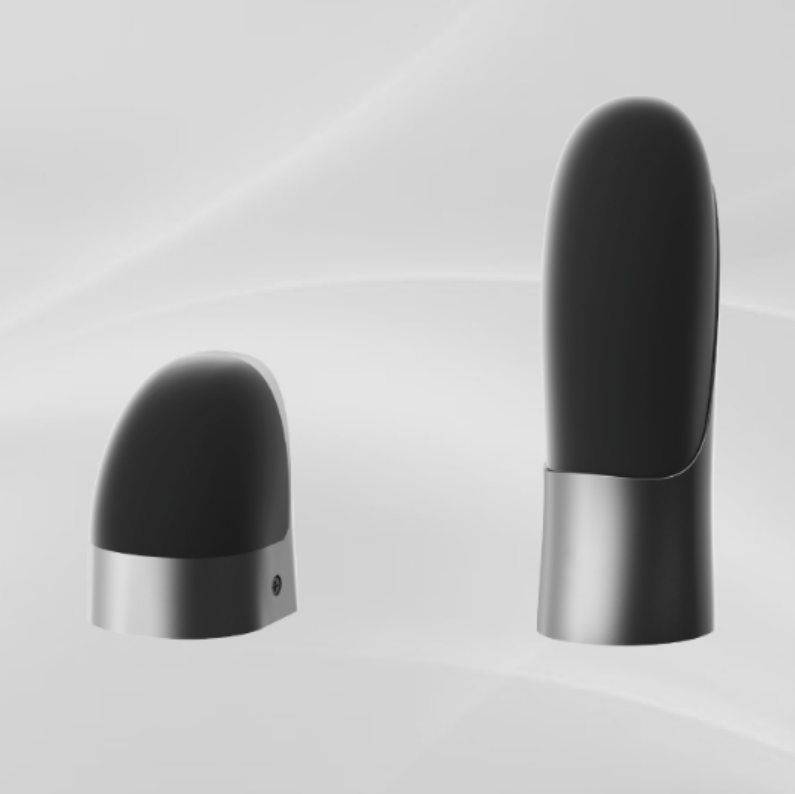
Traditional tactile sensors often cover only the fingertip pad, leaving the sides and tip unmonitored. This creates blind spots during lateral grasps or in-hand manipulations. True dexterity demands that every contact point—from the finger pad to the side and tip—contributes to the control loop. A robotic finger sensor with full-coverage sensing eliminates those blind spots. Our DM-Tac F, for example, integrates sensing surfaces that wrap around the entire fingertip geometry. This ultra-compact design enables reliable multi-pose grasping and precision manipulation, even in spaces as tight as a human fingertip. When a robot can feel along every surface that might touch an object, it can adjust grip force proactively, detect slips before they happen, and handle fragile or irregular items with unprecedented confidence.
Multi-Dimensional Data for True Dexterity
High-dexterity control is not just about where you sense—it is about what you sense. A single-axis pressure reading cannot distinguish between a slippery glass surface and a compliant rubber surface, nor can it predict when an object is about to rotate out of grasp. That is why the most effective robotic tactile sensor captures multi-dimensional information: contact topography, 3D force fields, and deformation fields. By integrating these data streams, a robotic finger sensor can simultaneously identify material hardness, detect micro-slips, and map surface texture. In practice, this means a robot can adjust its grip from a firm hold to a gentle cradling motion in milliseconds—without crushing or dropping the object. Our DM-Tac F achieves this with an expanded sensing area that covers the finger pad, side, and tip, supporting slip detection and material hardness identification in real time.
Advancing Robotic Manipulation Together
The journey from clumsy grippers to dexterous hands is being paved by smarter, smaller, and more comprehensive sensors. Full-coverage form factors and multi-dimensional perception are no longer optional—they are essential for any robotic system that aims to handle diverse objects in unstructured environments. At Daimon, we have embodied these principles in the DM-Tac F, a robotic fingertip sensor that redefines what is possible in precision manipulation. We invite you to explore how our sensing solutions can elevate your robotic applications—because when fingers truly feel, dexterity follows.