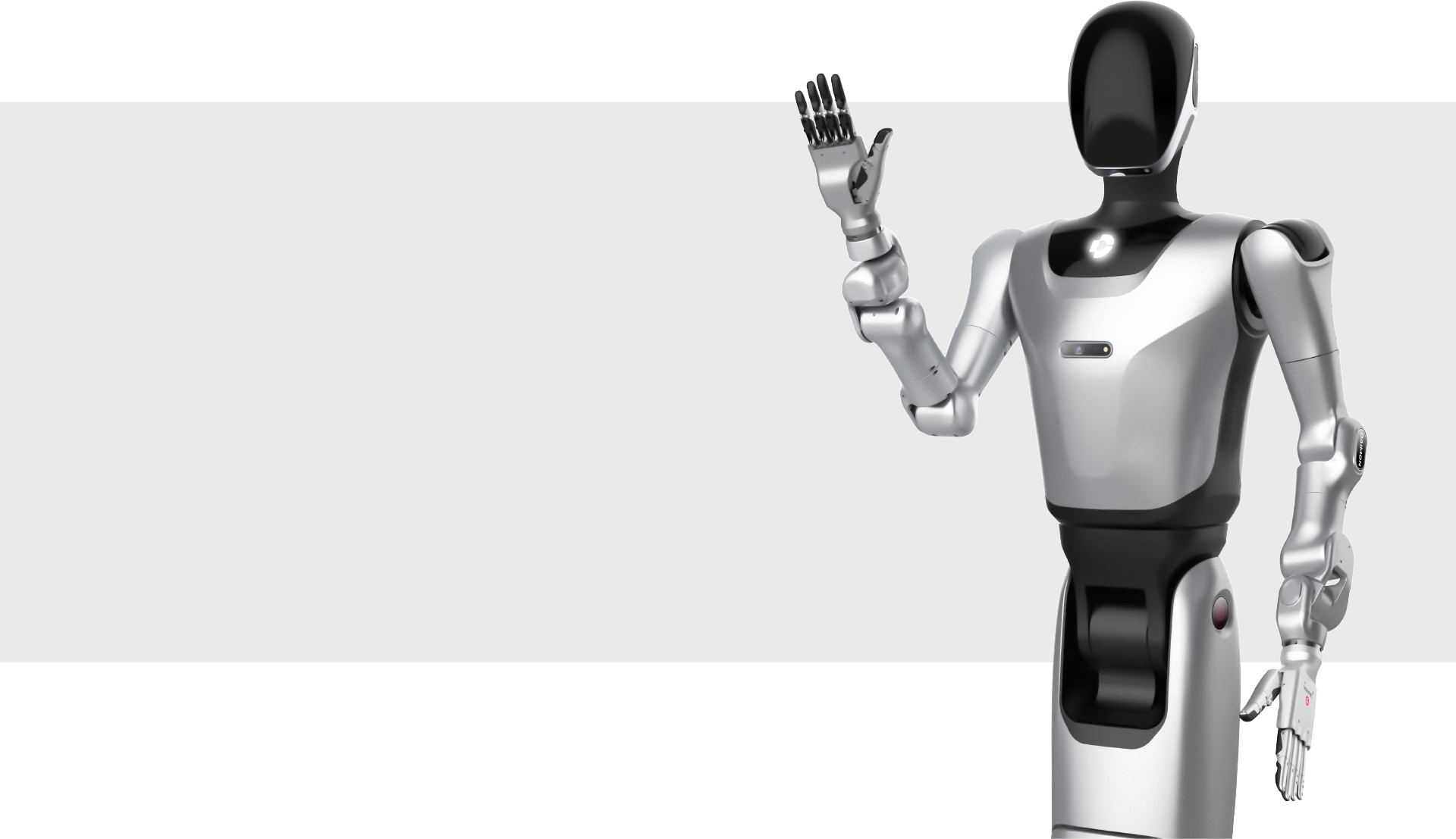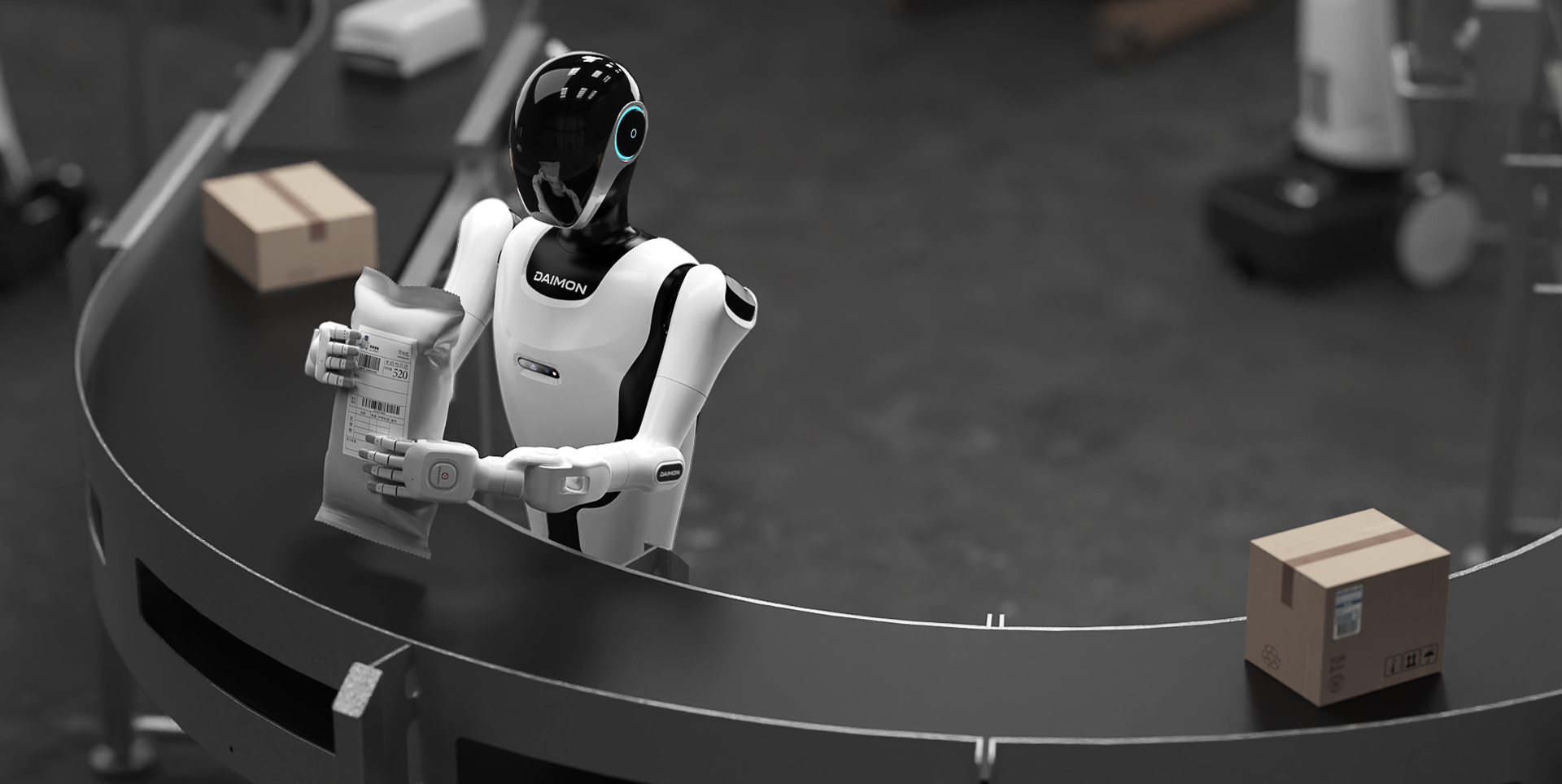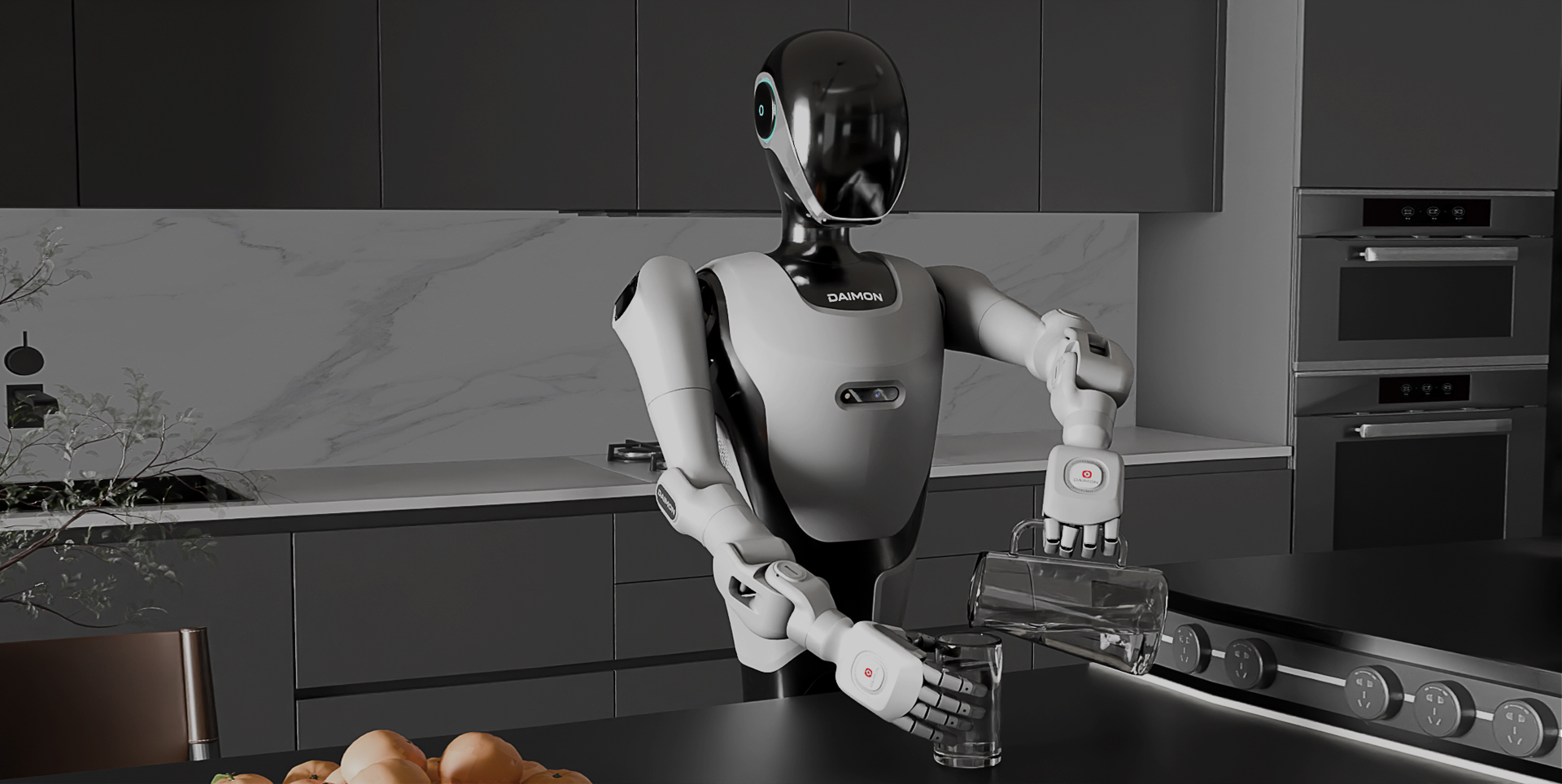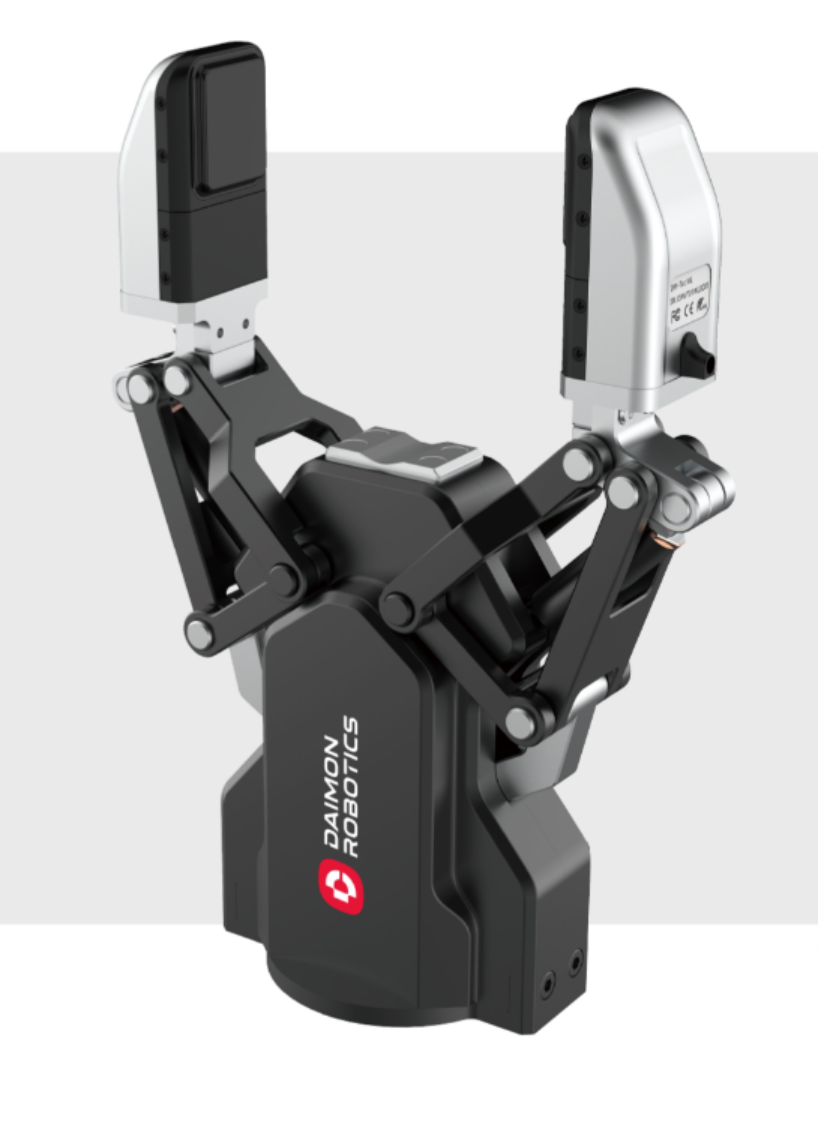
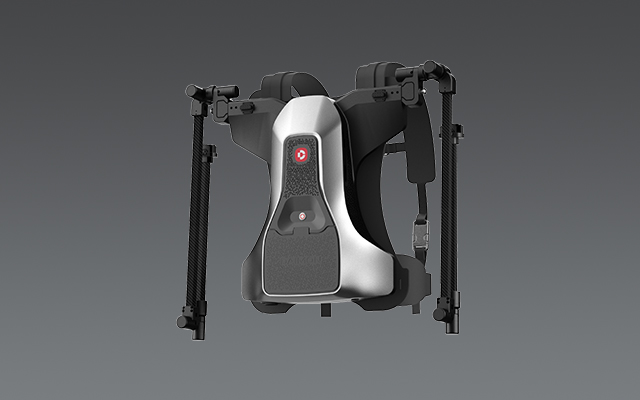
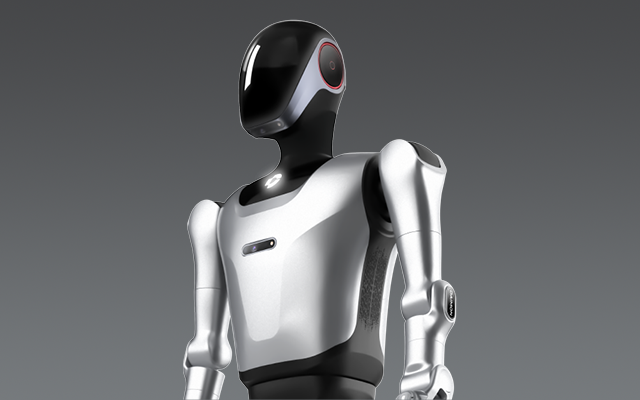






When businesses ask what is teleoperation in robotics, they are really asking how humans can control machines from a distance—and, more critically, how those machines can feel what the human operator cannot directly touch. Teleoperation bridges human expertise and robotic execution, enabling surgeons to operate on another continent or factory workers to handle hazardous materials safely. Yet without high-fidelity sensory feedback, even the most advanced teleoperation robot remains blind to the physical world. That is why we at Daimon believe that a robotic tactile sensor is not an accessory but a necessity. By integrating touch into teleoperation, we unlock precision and reliability that vision alone cannot provide.
The Role of Robotic Tactile Sensors in Effective Teleoperation
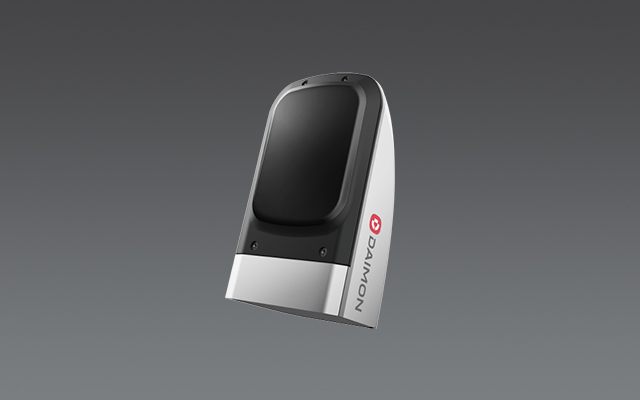
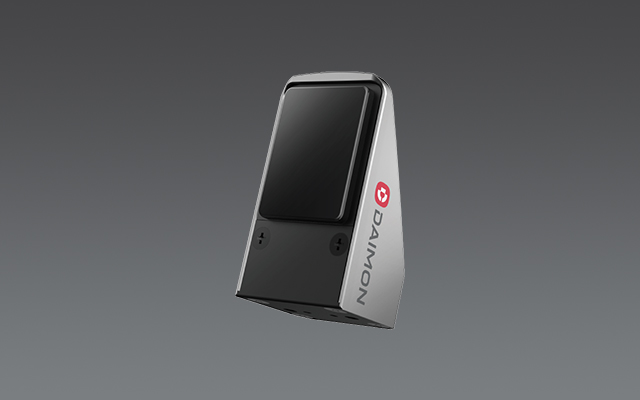
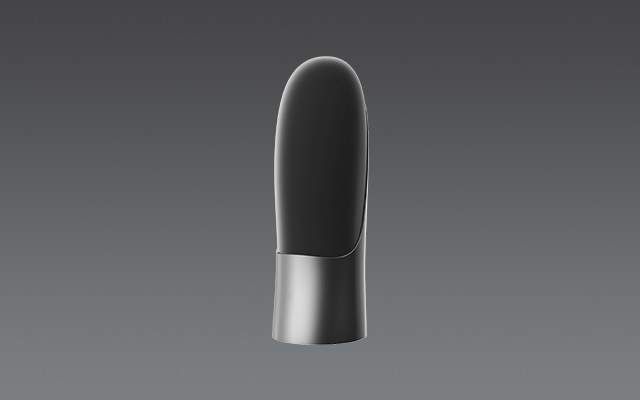
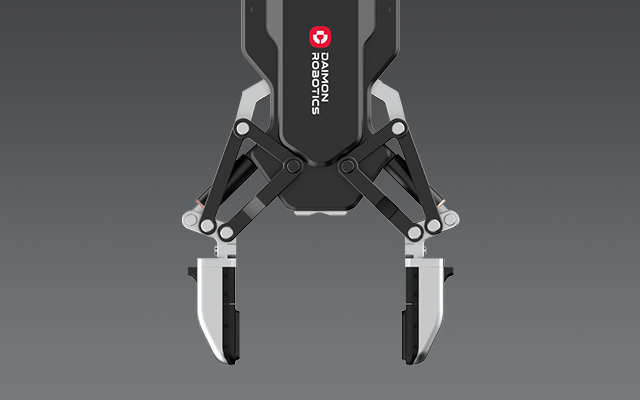
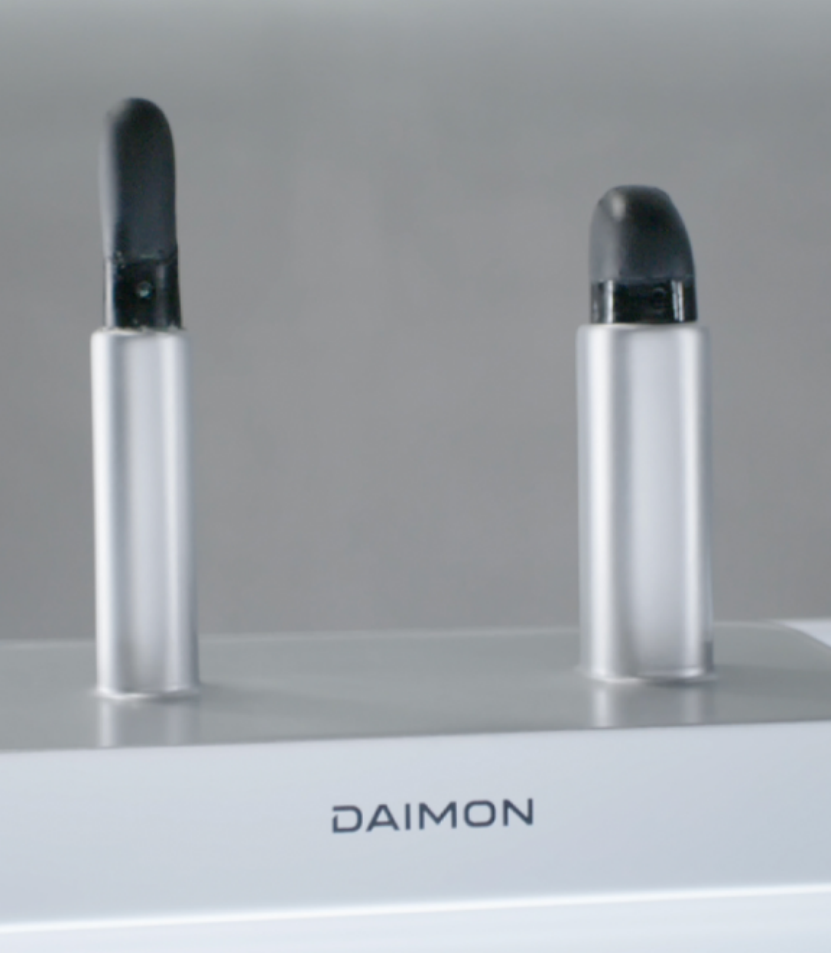
A standard teleoperation robot transmits video and joint angles, but what happens when a fragile object deforms under pressure or slips from a gripper? The operator sees the failure but cannot feel it coming. This is where a robotic tactile sensor transforms the equation. Our DM-Tac F sensor, for instance, fits at the fingertip scale yet delivers full-coverage sensing across the finger pad, side, and tip. It captures contact topography, 3D force fields, and deformation fields in real time. When integrated into a teleoperation robot, this sensory layer allows the human operator to detect slip, identify material hardness, and adjust grip force intuitively—closing the perception loop that traditional systems miss.
Overcoming Latency and Sensory Gaps with DM-Tac F
Teleoperation faces two persistent challenges: signal latency and sensory deprivation. Even millisecond delays can cause crushing errors. Without touch feedback, operators overcompensate. Our solution is the DM-Tac F robotic tactile sensor, engineered for millisecond-level force response. It resists electromagnetic interference and remains unaffected by temperature or humidity changes. Most importantly, it never requires recalibration. For a teleoperation robot working in a dusty warehouse, sterile operating room, or underwater environment, this stability is invaluable. We have designed the DM-Tac F to be deployed in human fingertip-sized spaces, enabling multi-pose reliable grasping and precision manipulation that feels almost natural to the remote operator.
Why Your Teleoperation Strategy Needs Tactile Intelligence
Many companies focus on low-latency video or force-torque sensors at the wrist. But true dexterity comes from the fingertip. A robotic tactile sensor like DM-Tac F provides wide-field perception that covers the entire contact area, including the sides and tip—zones where most gripping failures initiate. With slip detection and hardness identification, our sensor turns a teleoperation robot from a blind follower into a responsive partner. This is not incremental improvement; it is a paradigm shift.
Our Perspective on Teleoperation’s Future
Teleoperation is rapidly moving from remote control to immersive partnership. As we at Daimon see it, the future belongs to systems that can feel as precisely as they see. That is why we recommend our own platform: Daimon’s DM-Tac F robotic tactile sensor is purpose-built to give your teleoperation robot a true sense of touch. From research labs to industrial lines, our sensor delivers stable, recalibration-free performance in an ultra-compact form. Let us help you close the sensory gap—because remote work should never mean working blind.