





Across nuclear decommissioning, deep-sea exploration, and disaster response, workers routinely face hazards that threaten life and limb. We at Daimon have seen how remote control systems transform these high‑risk jobs—not by replacing human judgment, but by projecting it into danger zones through machines. The real breakthrough, however, lies deeper. When remote control is powered by embodied artificial intelligence, the operator’s intent becomes fluidly translated into precise, tactile‑aware robotic action. Let us explain how this combination turns perilous tasks into manageable operations.
Separating Human from Hazard Without Losing Fidelity
The most obvious benefit of remote control is physical distance. An operator sits in a shielded room while a robot handles radioactive material or defuses an improvised explosive device. But distance alone is not enough. Traditional remote systems suffer from delayed feedback, poor dexterity, and a lack of “feel.” This is where embodied artificial intelligence changes the game. In high‑risk jobs like handling unstable chemical containers or repairing live power lines, that tactile awareness prevents catastrophic errors. Embodied artificial intelligence means the robot does not just follow commands; it perceives and adapts to the physical world in real time, guided by human oversight.
Enabling Precision in Environments Humans Cannot Enter
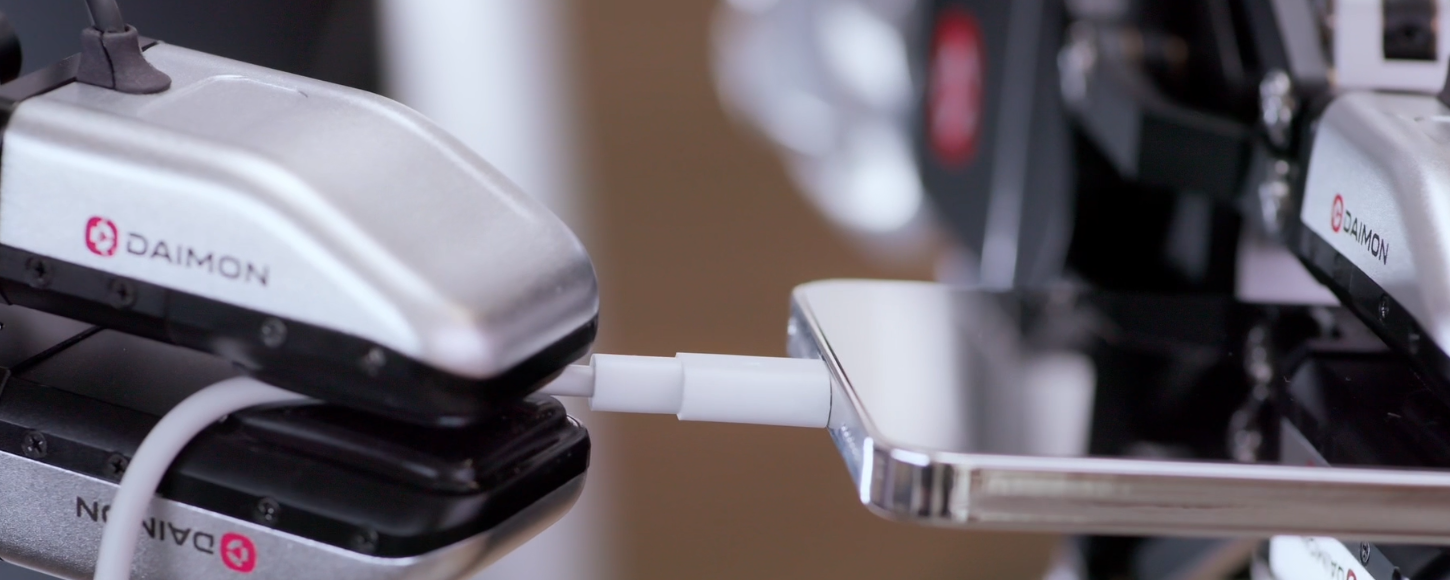
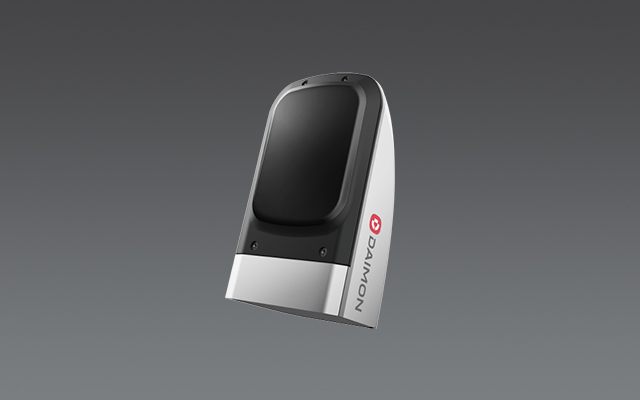
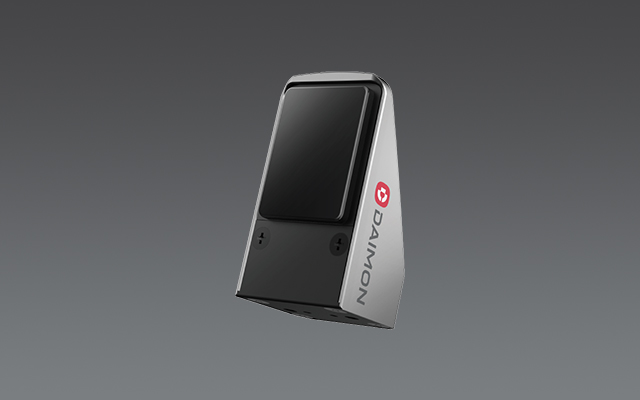
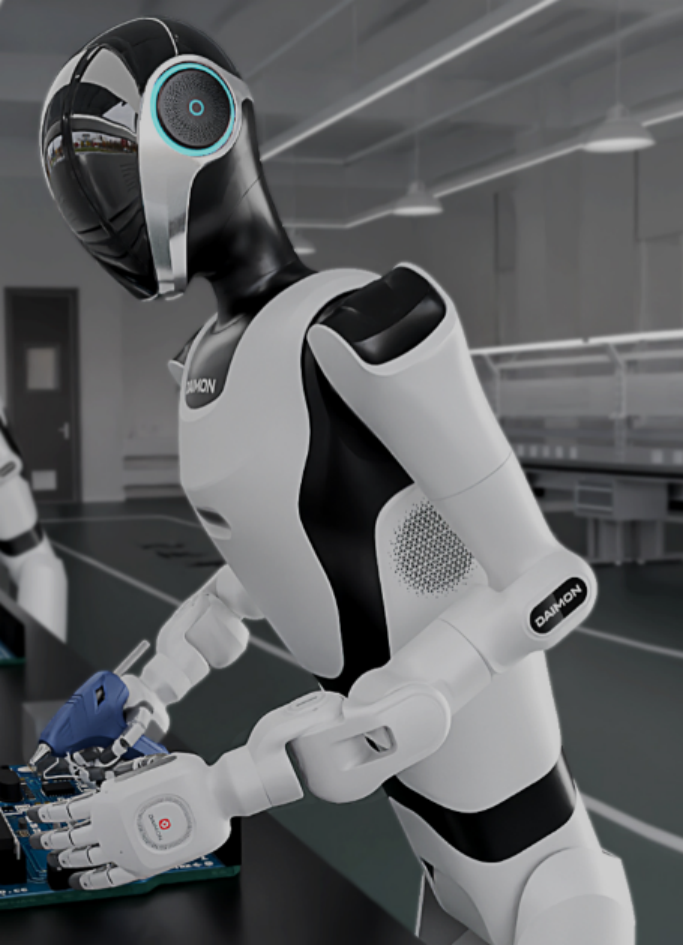
Consider a high‑risk scenario: assembling electronic components inside a chamber filled with toxic gas. A remote‑controlled robot, equipped with Daimon’s tactile sensing solutions, can perform plug‑and‑play assembly, component handling, and material manipulation with sub‑millimeter accuracy. The operator, safe outside, receives high‑resolution tactile feedback that reveals whether a connector is seated correctly or a screw is cross‑threaded. Without embodied artificial intelligence, the robot would be blind to contact forces, likely crushing delicate parts. With it, the system becomes an extension of the operator’s own hand—only far more durable and hazard‑proof. Intelligent manufacturing routines can also be pre‑programmed, but the human remains in the loop for exception handling, making high‑risk jobs both safer and more reliable.
Reducing Cognitive Load and Improving Decision Making
High‑risk jobs often demand split‑second decisions under extreme stress. Remote control augmented by embodied artificial intelligence reduces cognitive load by automating sub‑tasks like force regulation and collision avoidance. Our tactile sensors provide real‑time analysis of component states, alerting the operator to anomalies before they become failures. This allows the human to focus on strategic decisions—whether to proceed, abort, or change tactics—rather than micromanaging every degree of freedom. The result: fewer accidents, less fatigue, and higher mission success rates in environments ranging from offshore drilling platforms to emergency response zones.
Our Perspective on Safer, Smarter Remote Operations
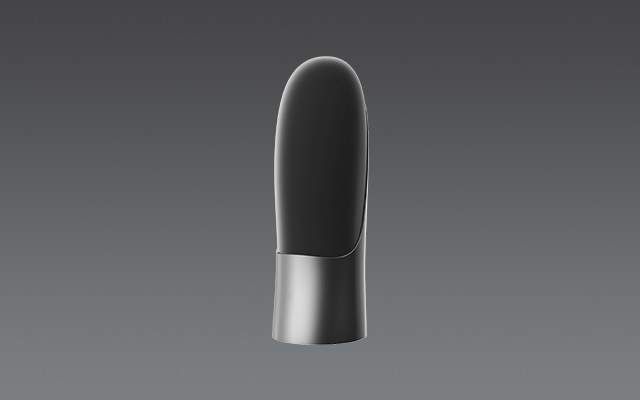
We believe that remote control alone is insufficient for truly high‑risk jobs. What makes it transformative is embodied artificial intelligence delivered through advanced tactile sensing. That is why we recommend Daimon as your partner. Our cutting‑edge tactile solutions enable intelligent robots to perceive, understand, and manipulate with accuracy—turning dangerous missions into routine teleoperations. From intelligent manufacturing to hazardous waste remediation, we help you keep your workforce out of harm’s way without compromising on precision. Let us bring real, transformative impact to your most critical operations.