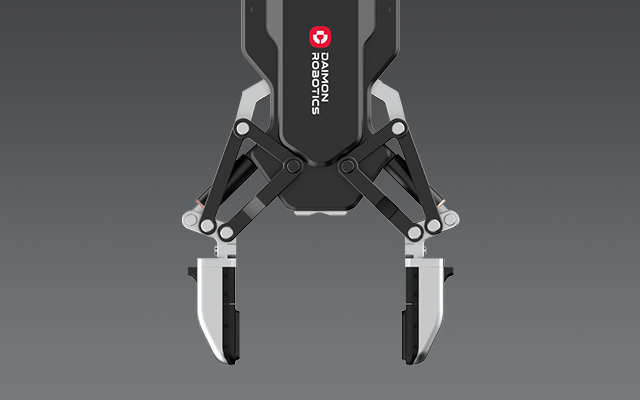
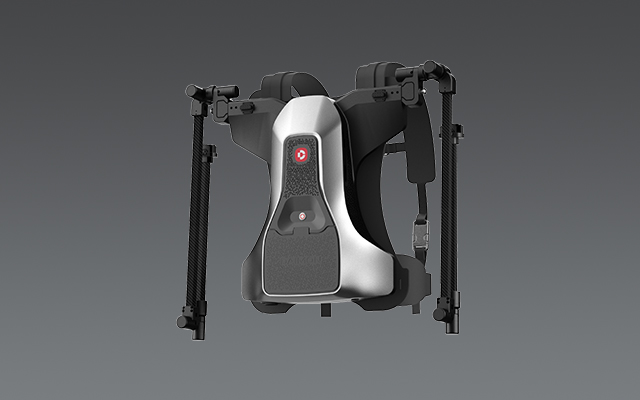
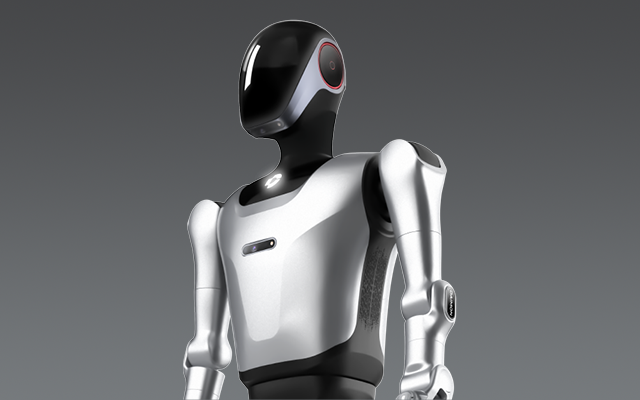






In an era of rapid technological advancement, the development of low-cost exoskeletons has gained significant attention. These wearable exoskeletons are designed to assist individuals in performing tasks that require physical strength or precision. By integrating advanced technologies, such as teleoperation systems, these devices can enhance efficiency and safety in various applications. Daimon is at the forefront of this innovation, utilizing its expertise to create exoskeletons that not only reduce operational costs but also improve human-robot interaction.
Advancements in Wearable Exoskeleton Technology
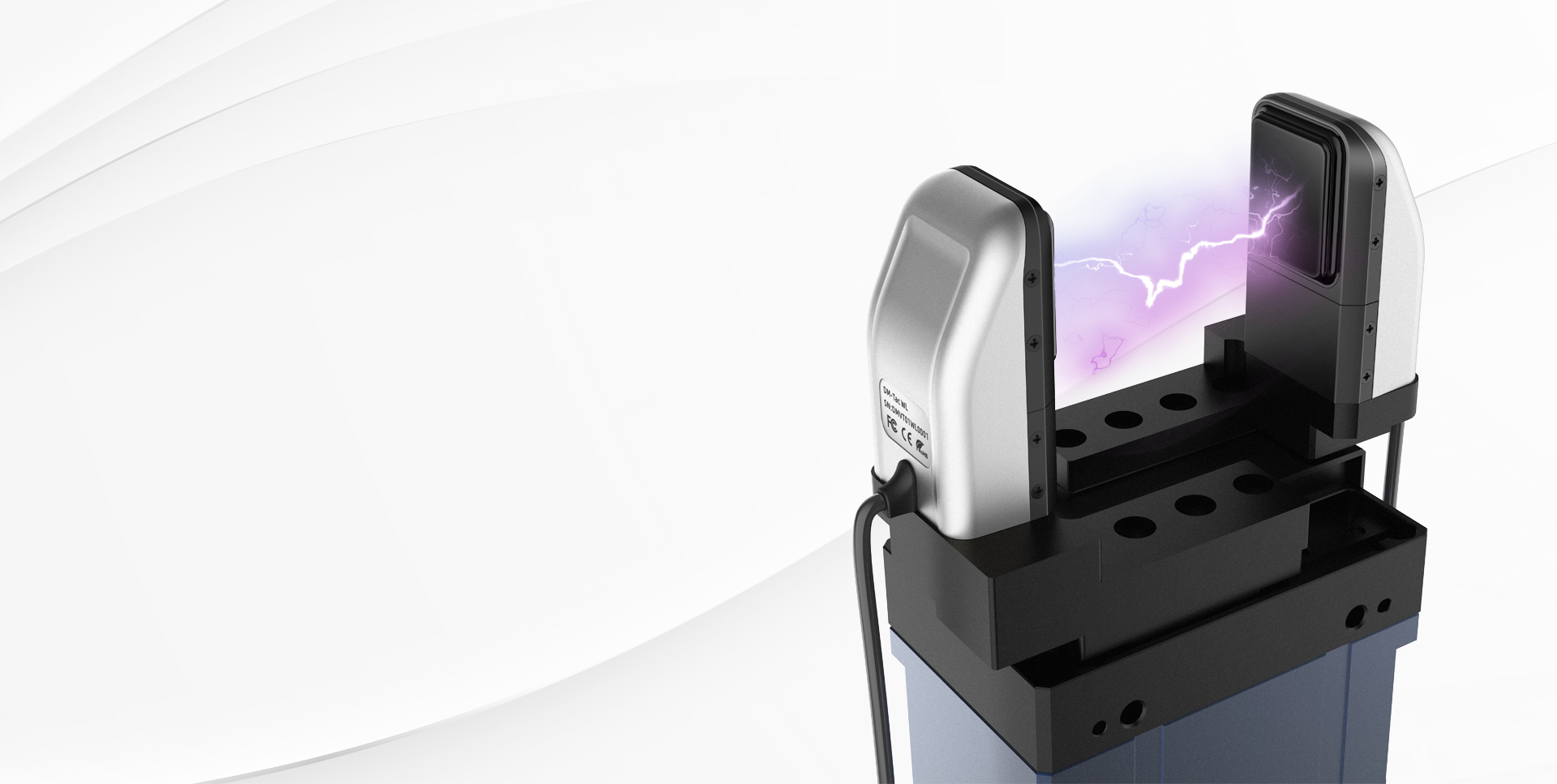
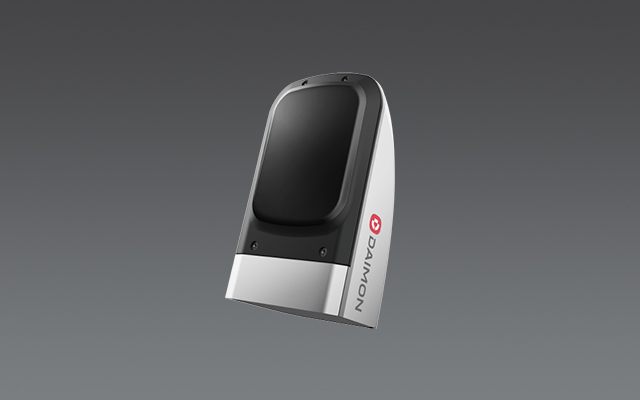
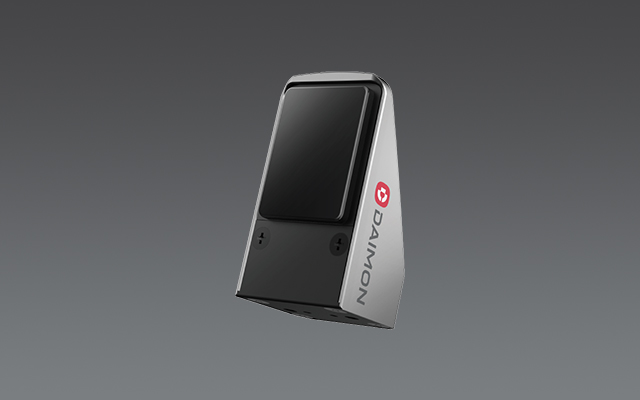
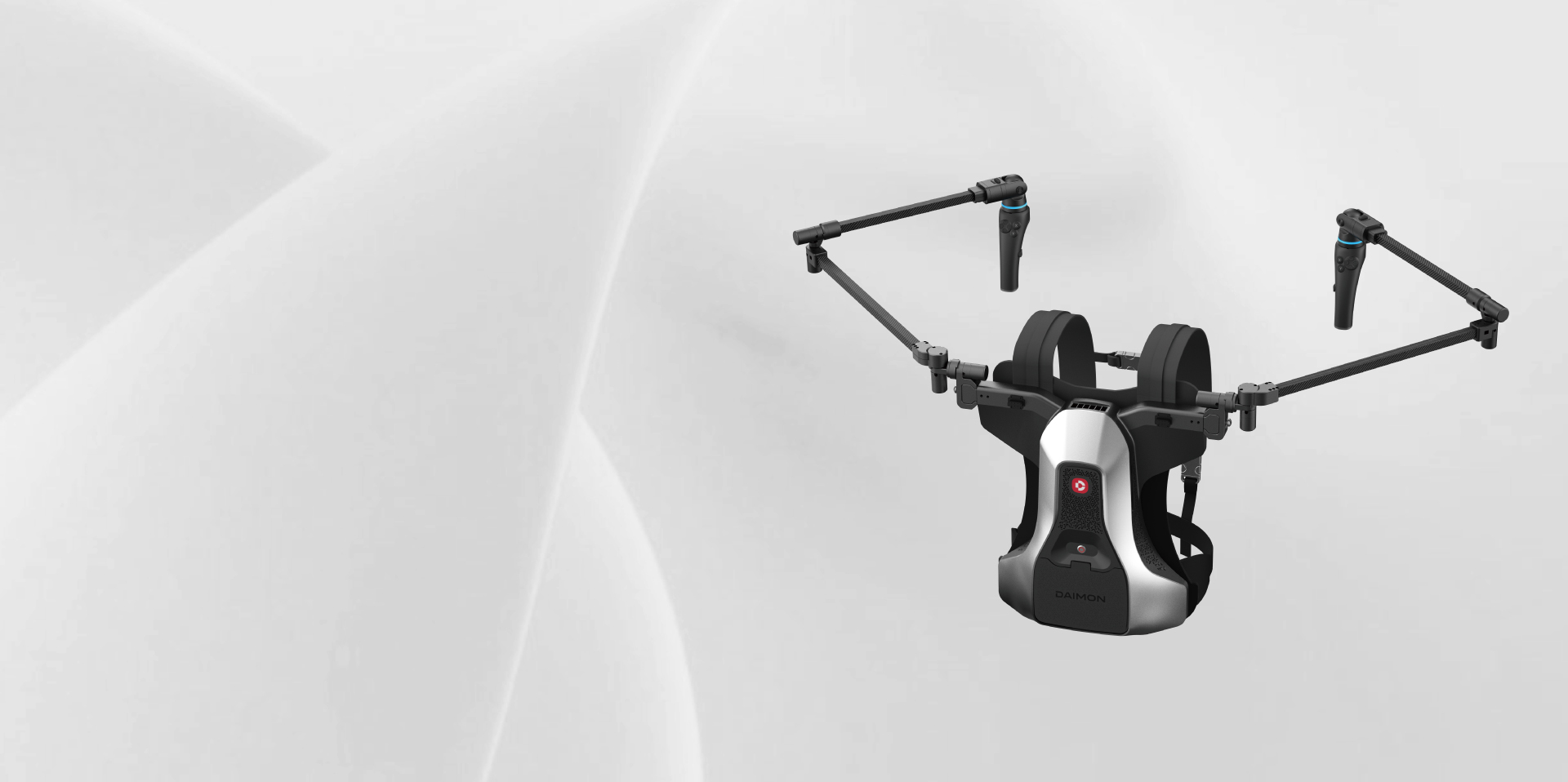
The evolution of wearable exoskeletons has transformed the industrial landscape. Unlike traditional robotic systems, low-cost exoskeletons are lightweight and designed for direct human use, allowing for easy integration into existing workflows. These devices often feature advanced technologies, including precision haptic feedback and vision-based tactile sensors, which enable users to experience a more intuitive interaction with their surroundings. For example, Daimon's DM-DataMaster system exemplifies this approach, streamlining operations and enhancing data acquisition through its efficient design.
The implementation of teleoperation systems in exoskeleton technology further enhances its capabilities. These systems allow operators to control exoskeletons remotely, ensuring precise execution of tasks while maintaining safety. With a 1000Hz low latency response, Daimon’s exoskeletons can synchronize commands in real-time, facilitating seamless collaboration between humans and robots. This responsiveness is crucial in dynamic environments, where timely actions can significantly impact operational outcomes.
Applications and Benefits of Low-Cost Exoskeletons
Low-cost exoskeletons find applications across various sectors, including manufacturing, healthcare, and logistics. In manufacturing, these devices assist workers with lifting and repetitive tasks, thereby reducing the risk of injury and improving productivity. Similarly, in healthcare settings, exoskeletons enable rehabilitation for patients with mobility impairments, providing support during physical therapy sessions.
The benefits of integrating wearable exoskeletons extend beyond immediate physical assistance. The incorporation of advanced teleoperation systems allows for remote monitoring and control, providing managers with valuable data on workforce performance and safety. Companies like Daimon leverage this capability, using their integrated solutions to gather insights that inform operational improvements.
Moreover, the cost-effectiveness of low-cost exoskeletons lowers the barriers to entry for many organizations. As manufacturing processes evolve, adopting these devices can facilitate smoother transitions into automation, ultimately leading to a more skilled and resilient workforce.
The Future of Human-Robot Collaboration
As industries continue to embrace automation and robotics, the role of wearable exoskeletons will become increasingly significant. The ongoing advancements in teleoperation systems and haptic feedback will pave the way for more sophisticated applications. Daimon’s commitment to research and innovation ensures that their wearable exoskeletons will remain at the cutting edge of this technology.
Looking ahead, the potential for exoskeletons to redefine workplace ergonomics is profound. By alleviating physical strain, these devices can contribute to a healthier workforce, reducing absenteeism and enhancing employee satisfaction. With their versatile applications and affordability, low-cost exoskeletons are not just a temporary solution but a crucial component of future labor strategies.
Paving the Way for a New Era in Robotics
In summary, the development of low-cost exoskeletons represents a significant advancement in human-robot collaboration. By enhancing operational efficiency and safety, these wearable exoskeletons are poised to revolutionize various industries. As demonstrated by Daimon's innovations, particularly through their DM-DataMaster and teleoperation systems, the future of work will increasingly involve seamless integration between human capabilities and robotic assistance. Embracing these technologies will not only improve productivity but also foster a more adaptive and resilient work environment.