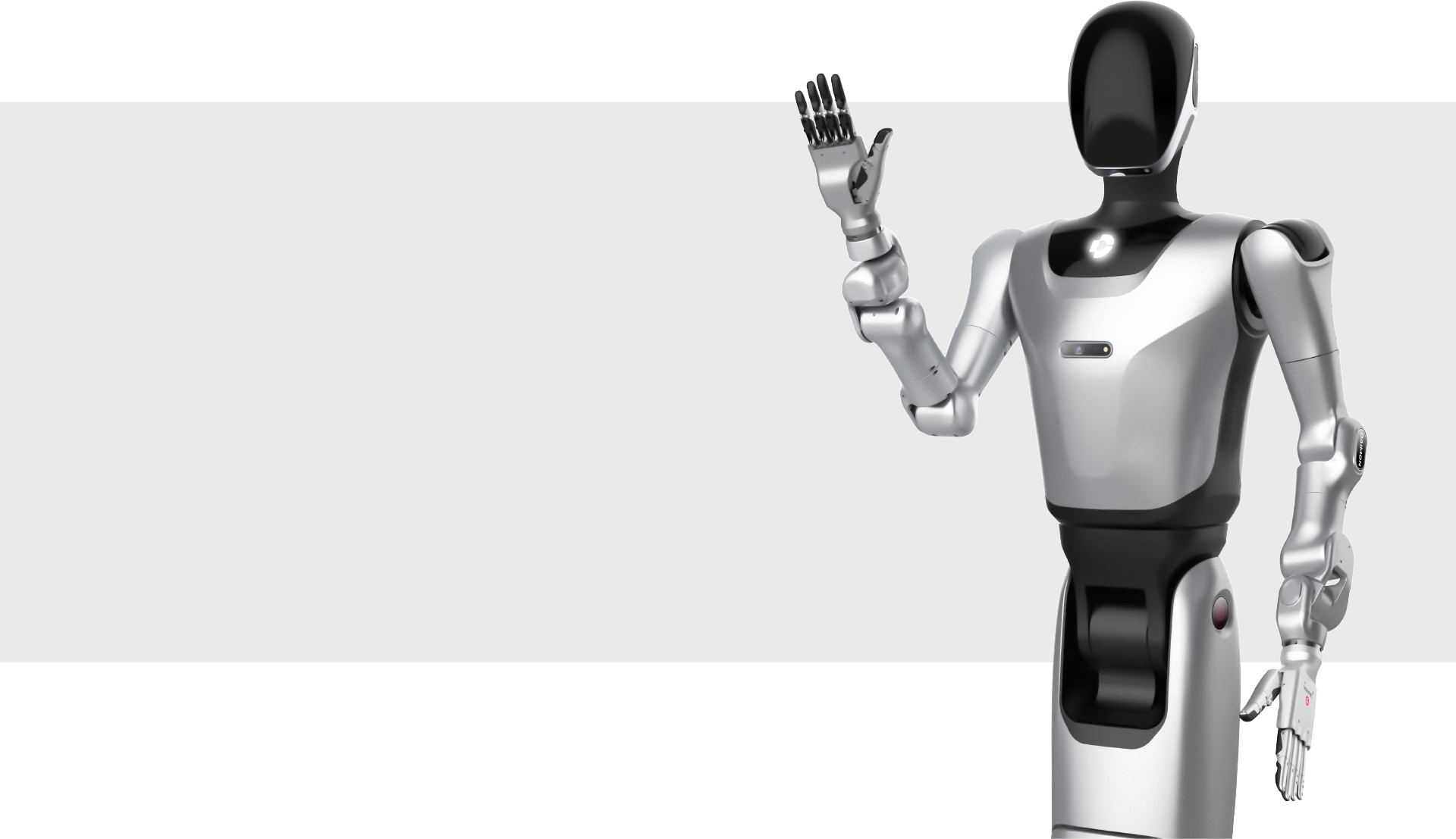






In the evolving landscape of robotics, the integration of embodied intelligence is revolutionizing how machines learn and interact with their environments. A key component in this advancement is visuotactile data—information derived from the combination of visual and tactile feedback systems. At Daimon, we leverage this type of data to train next-generation embodied AI, significantly enhancing its operational capabilities. This article explores how visuotactile data influences the development and training of intelligent systems.
The Importance of Visuotactile Data
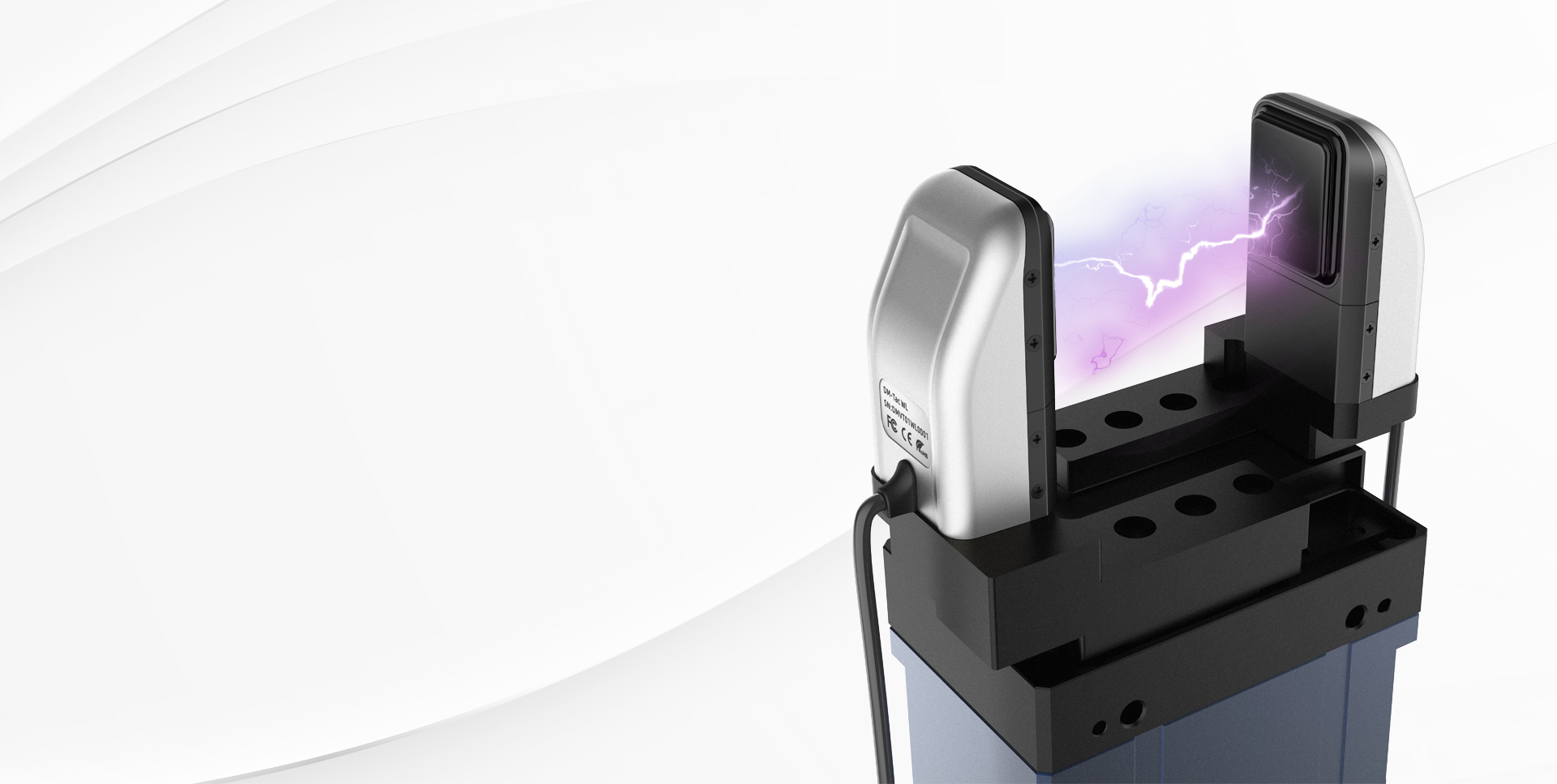
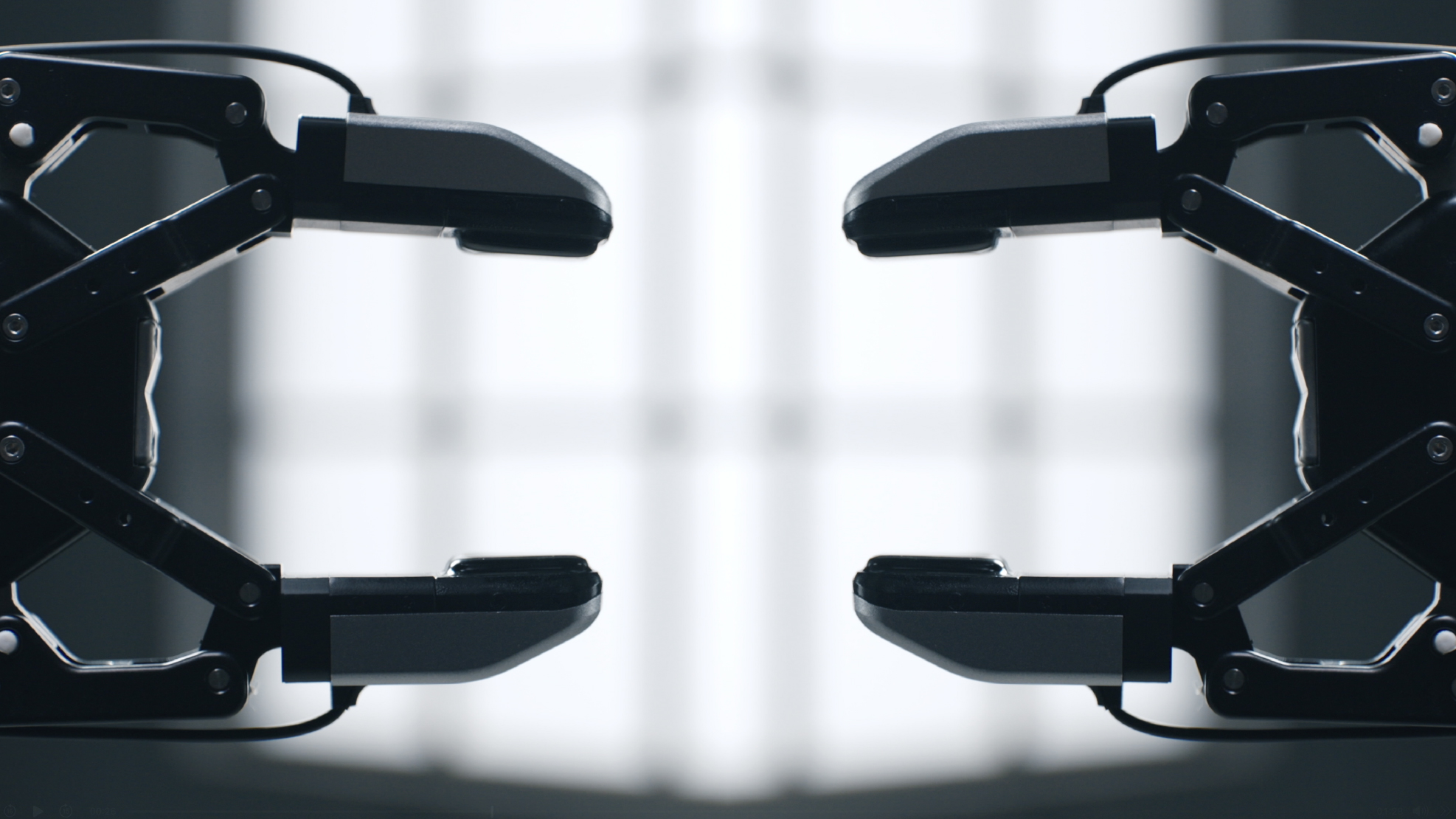
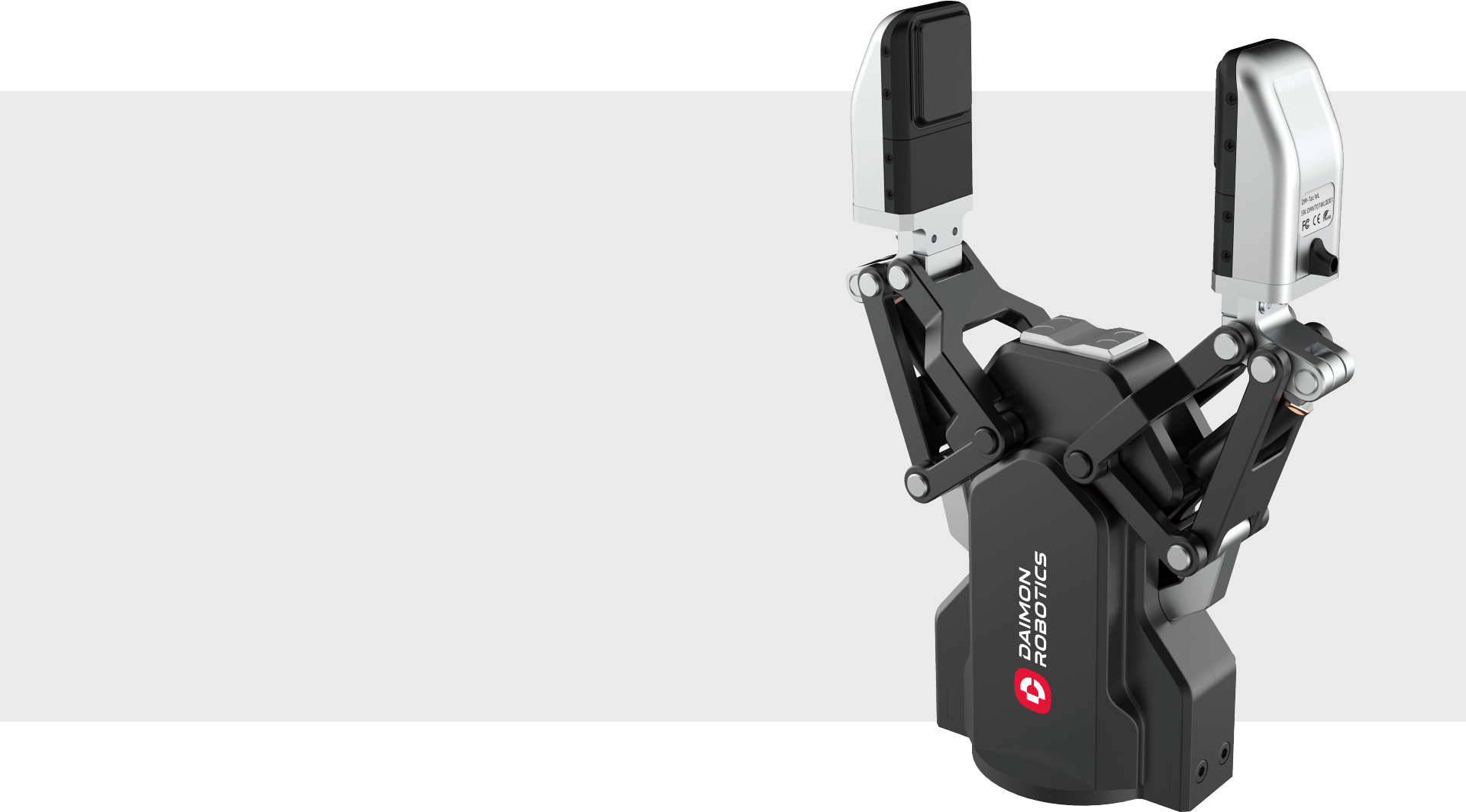
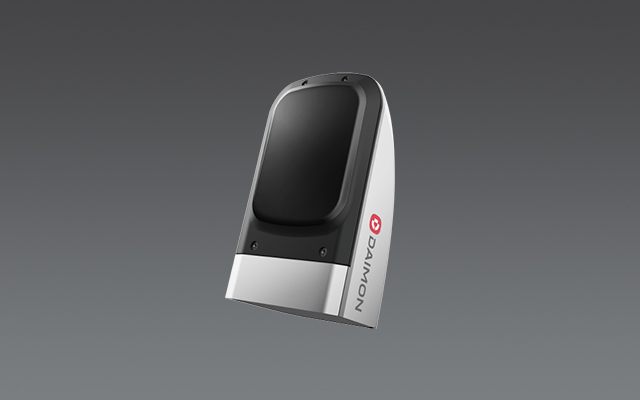
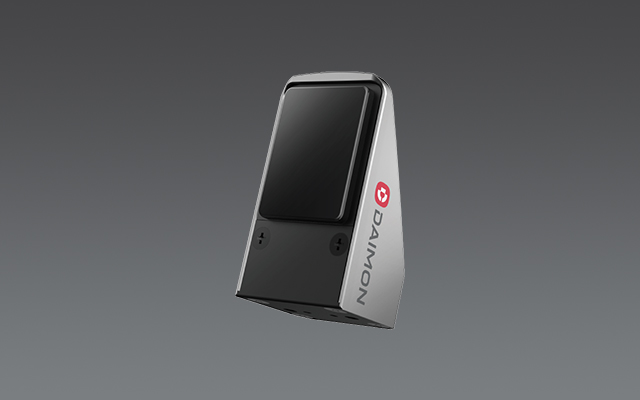
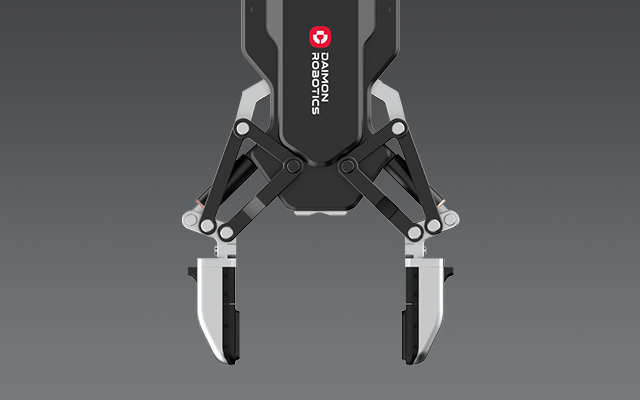
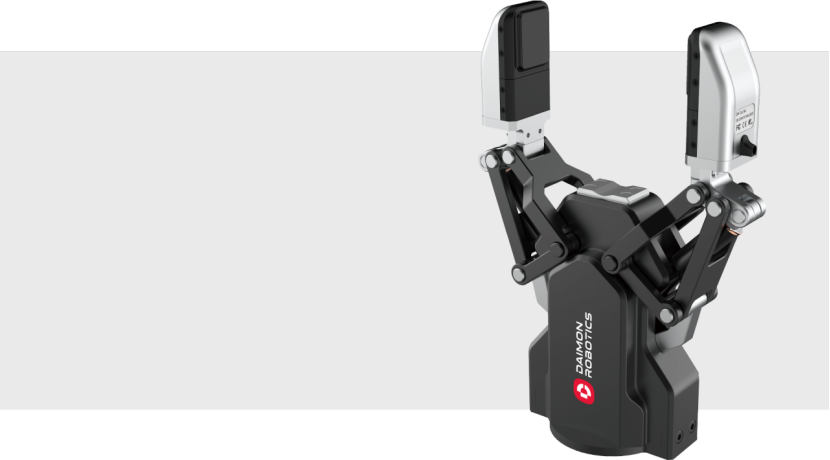
Visuotactile data is crucial for training robust AI systems. By combining visual information with tactile feedback, machines can gain a more comprehensive understanding of their environment. The DM-Tac G visuotactile gripper is a prime example of this technology, utilizing high-precision visual-tactile sensors to capture over 9 million data sets per second.
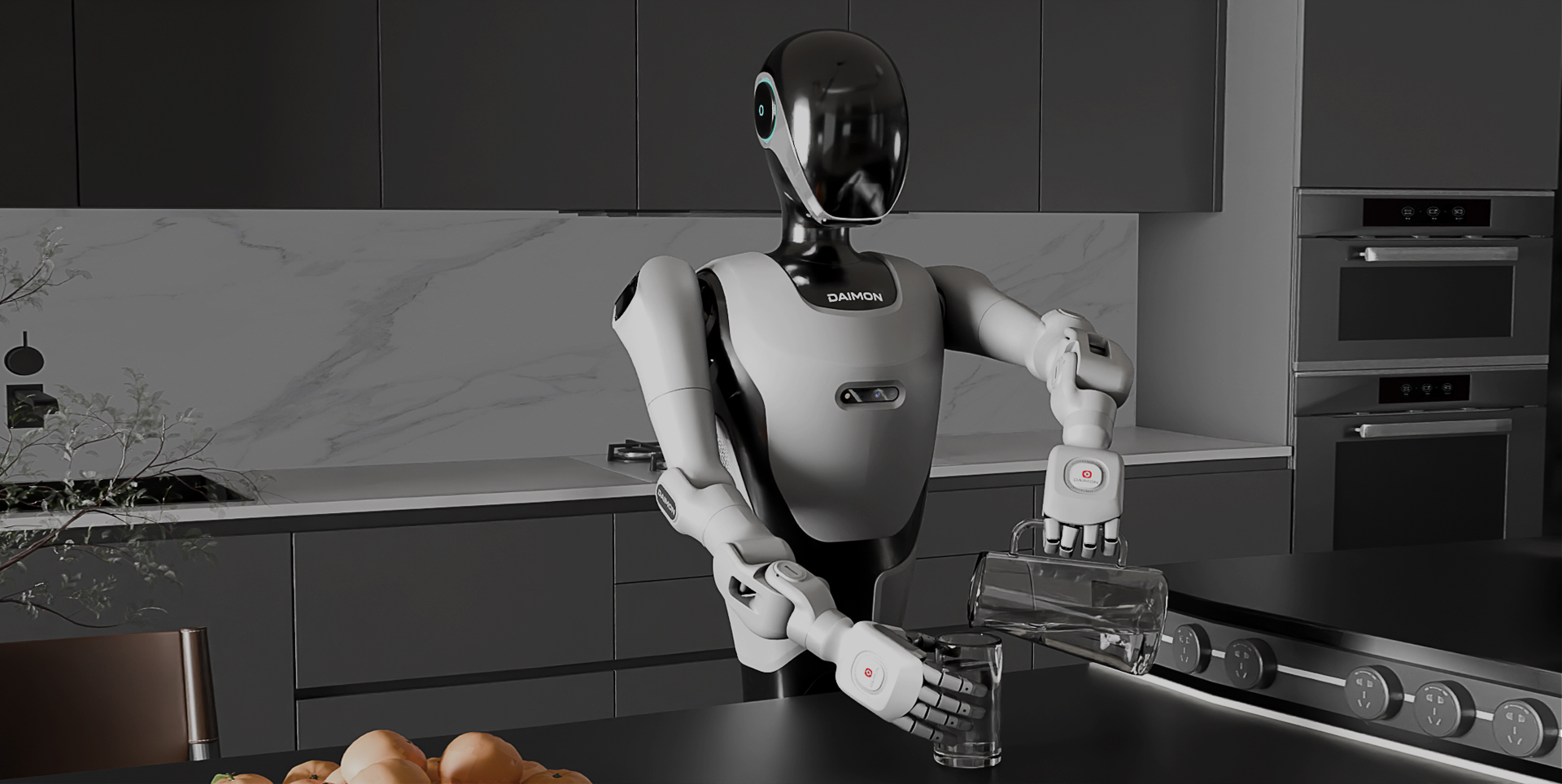
This rich dataset includes detailed insights about an object's material properties, morphology, and deformation. Such comprehensive sensory input allows robots to grasp and manipulate objects with precision, significantly improving their functionality in real-world applications. By integrating these insights into the training process, embodied intelligence systems can develop a nuanced understanding of how to interact with different materials and objects effectively.
Training Algorithms Utilizing Multimodal Perception
To train next-generation embodied AI, it is essential to employ algorithms that can process and learn from visuotactile data. The high-frequency multimodal perception capabilities of the DM-Tac G allow for the collection of intricate details about how objects behave when manipulated. This includes understanding subtle contact changes, which are critical for tasks requiring high precision.
Machine learning algorithms can leverage this information to refine their models. For instance, an AI system can learn the optimal grip strength needed for fragile items versus heavier components based on the tactile data obtained during training. This iterative learning process enhances the AI’s adaptability and decision-making capabilities, making it more effective in diverse scenarios.
Real-World Applications of Trained Embodied AI
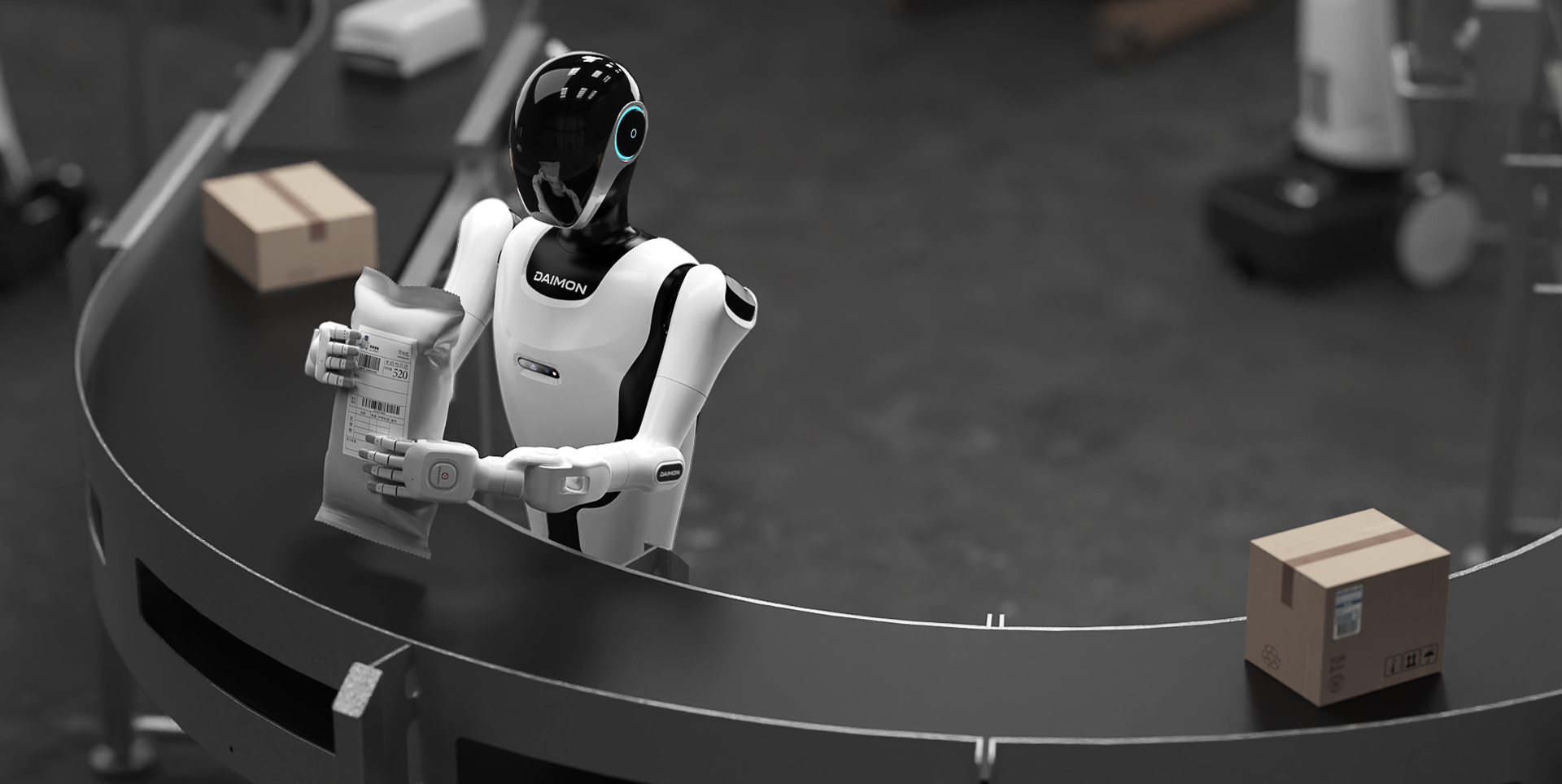
The application of visuotactile data in training embodied intelligence is broad and impactful. In scenarios such as automated assembly lines or precision surgery, the ability to accurately perceive and interact with the environment is crucial. Robots trained using visuotactile data can understand variables such as pressure, softness, and texture, allowing them to perform complex manipulations safely and effectively.
For example, in industrial settings, a robot equipped with embodied intelligence can adjust its approach to assembly tasks in real-time, accommodating variations in component design or material characteristics. The training process, grounded in rich visuotactile data, equips these systems with the flexibility and precision necessary for high-stakes environments.
Shaping the Future of Robotics and AI
As the field of robotics advances, the integration of visuotactile data into training models will play a pivotal role in developing more intelligent systems. Companies like Daimon are at the forefront of this transformation, pushing the boundaries of what embodied intelligence can achieve.
Pioneering the Next Era of Intelligent Systems
In summary, visuotactile data is instrumental in training next-generation embodied AI, enhancing its precision and adaptability in real-world tasks. By utilizing advanced technologies like the DM-Tac G visuotactile gripper, Daimon is redefining the landscape of robotics and AI. As visuotactile sensing continues to evolve, it promises to unlock new possibilities for intelligent systems, heralding an era where robots can operate with unprecedented dexterity and awareness. The future of embodied intelligence hinges on these advancements, paving the way for smarter, safer, and more efficient robotic applications across various industries.