





In the realm of modern manufacturing and robotics, achieving high precision in assembly tasks is paramount. At Daimon, we are pioneering advancements in visuotactile sensing technology, which offers the potential to reach micron-level assembly accuracy. This article explores how the integration of embodied intelligence with visuotactile capabilities can significantly enhance precision in various assembly applications.
The Role of Visuotactile Sensing in Precision Assembly
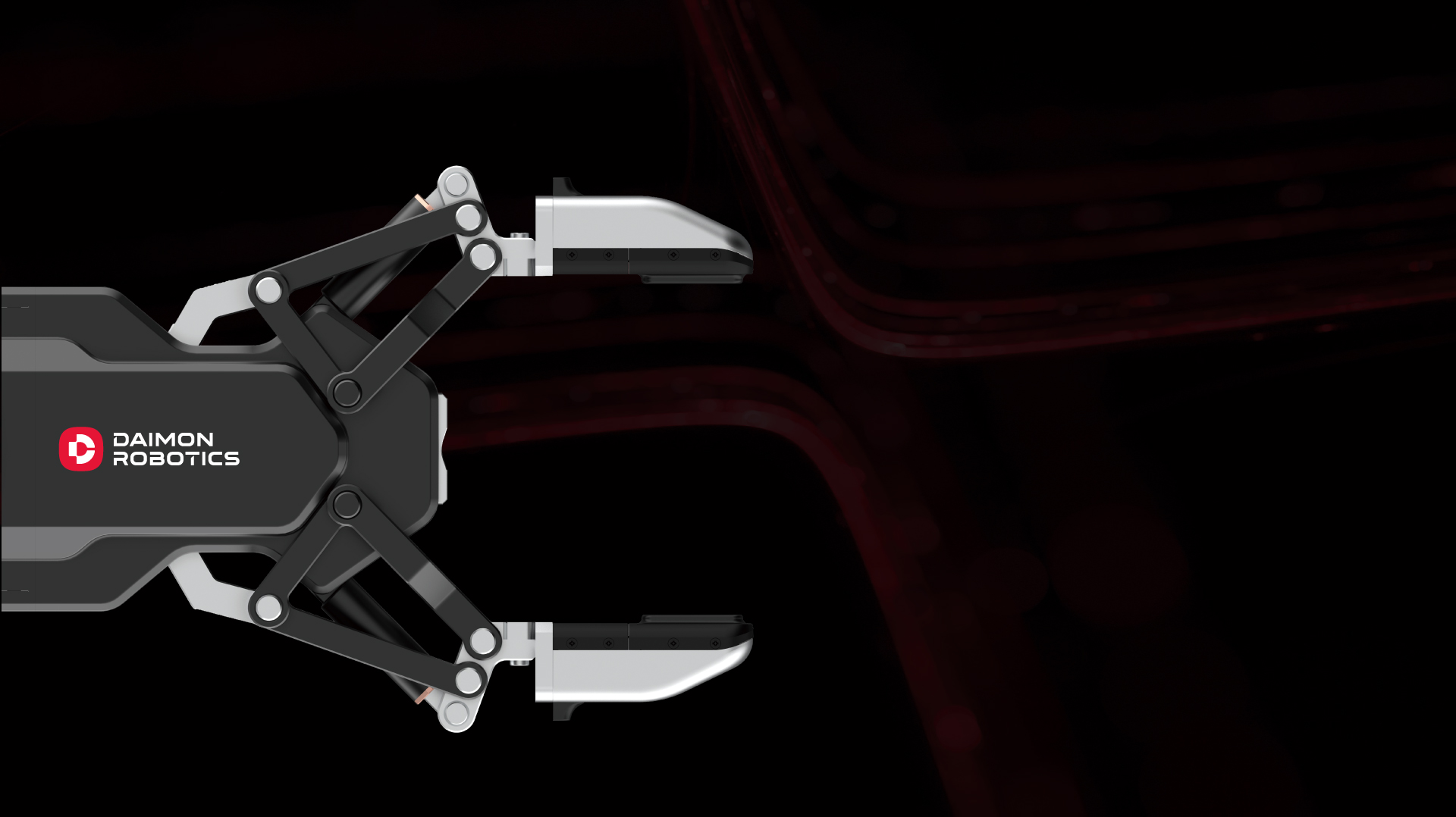
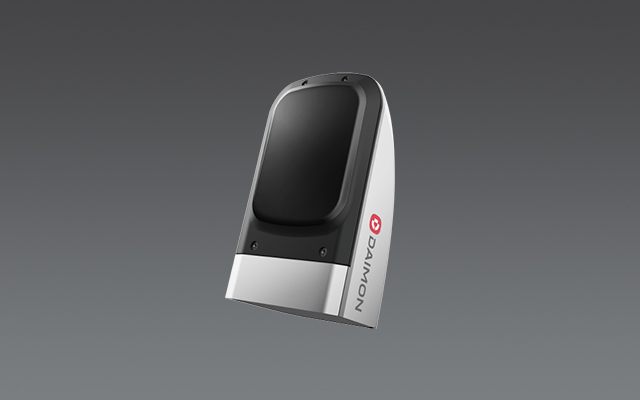
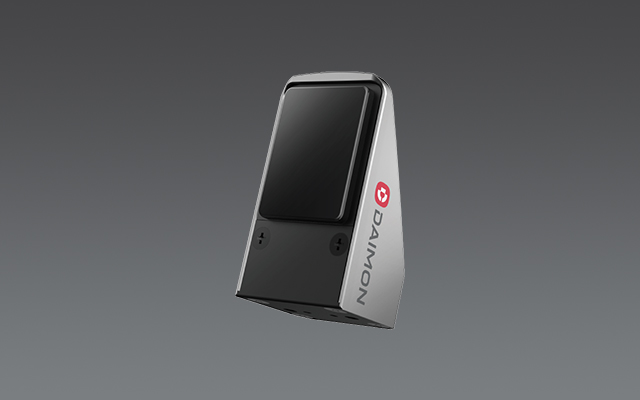
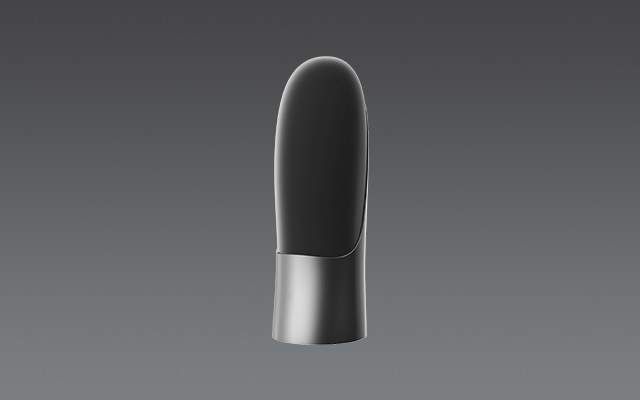
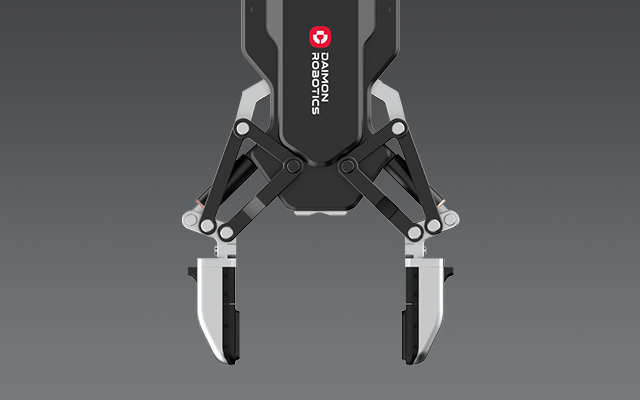
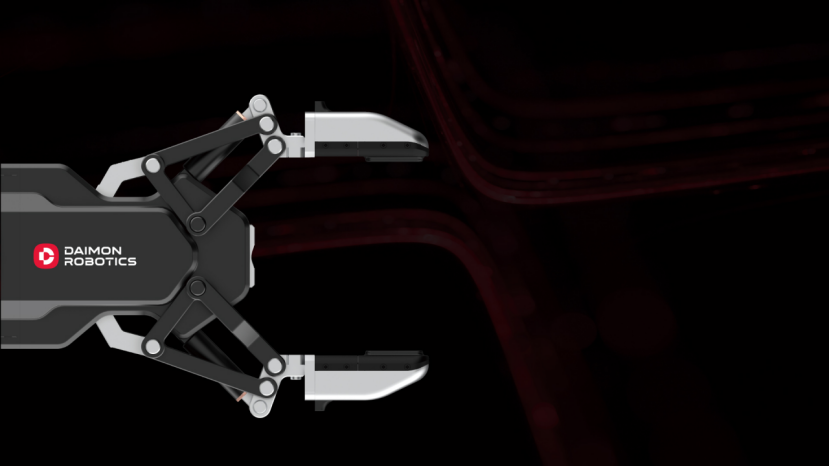
Visuotactile sensing refers to the combination of visual and tactile feedback mechanisms, enabling robots to perceive and interact with their environment in a nuanced manner. The DM-Tac G visuotactile gripper is an exemplary model in this domain, equipped with advanced high-precision visual-tactile sensors. This technology allows for the collection of over 9 million data sets per second, providing a comprehensive understanding of an object's material, morphology, and deformation in real time.
We integrate this rich sensory feedback into our manipulation models. This closed-loop control allows our systems to adjust for micro-level contact variations, eliminating tracking slips in high-tolerance insertion tasks. By recognizing minute changes in contact—such as hardness, softness, and slip—the DM-Tac G gripper enhances the precision of robotic assembly operations.
Achieving Micron-Level Accuracy
To determine whether visuotactile sensing can enable micron-level assembly accuracy, it's essential to consider its capabilities in detail. The DM-Tac G features 3D full-resolution tactile perception, allowing it to measure contact changes in both tangential and normal directions. This high-resolution tactile sensing is vital for applications that demand precision, such as assembling electronic components or intricate mechanical parts, where tolerances can be in the micrometer range.
Moreover, the ability to capture subtle contact changes equips robots with the data they need to execute tasks meticulously. For instance, when inserting a component into a circuit board, the robot can adjust its approach based on the feedback from the visuotactile sensors, ensuring that each part is positioned with exacting accuracy. This level of precision is a significant advantage in industries where consistency and reliability are critical.
Flexibility and Adaptability in Assembly Tasks
Another relevant aspect of visuotactile sensing is its inherent flexibility and adaptability. With advanced embodied intelligence, robots are not confined to pre-defined actions; they can learn and adapt their techniques based on real-time sensory data. This capability is particularly beneficial in manufacturing environments where tasks can change frequently.
For example, when faced with new materials or variations in component design, robots equipped with visuotactile sensing can quickly recalibrate their approach. This adaptability enhances operational efficiency and reduces downtime, allowing manufacturers to respond more agilely to market demands without compromising precision.
Transforming Assembly Processes with Visuotactile Technology
The transformative potential of visuotactile sensing in achieving micron-level accuracy cannot be understated. By leveraging the high-frequency capabilities of sensors and the nuanced feedback enabled by embodied intelligence, organizations can significantly enhance their assembly processes.
Advancing Toward Micron-Level Assembly Precision
In summary, visuotactile sensing represents a critical advancement in achieving micron-level assembly accuracy. The integration of sophisticated technologies like the DM-Tac G visuotactile gripper showcases how embodied intelligence can facilitate precise and flexible assembly operations across various industries. As Daimon continues to develop and refine these capabilities, the future of manufacturing will increasingly rely on the ability to execute tasks with unparalleled accuracy, ultimately leading to improved product quality and operational efficiency.