





As automation continues to transform industries, the need for precision in service tasks has never been greater. At Daimon, we focus on the power of visuotactile perception as a cornerstone of effective service robotics. This technology, which integrates visual and tactile feedback, enhances robots' ability to perform tasks with accuracy and adaptability. This article explores how visuotactile perception contributes to the success of smart service tasks.
Understanding Visuotactile Perception
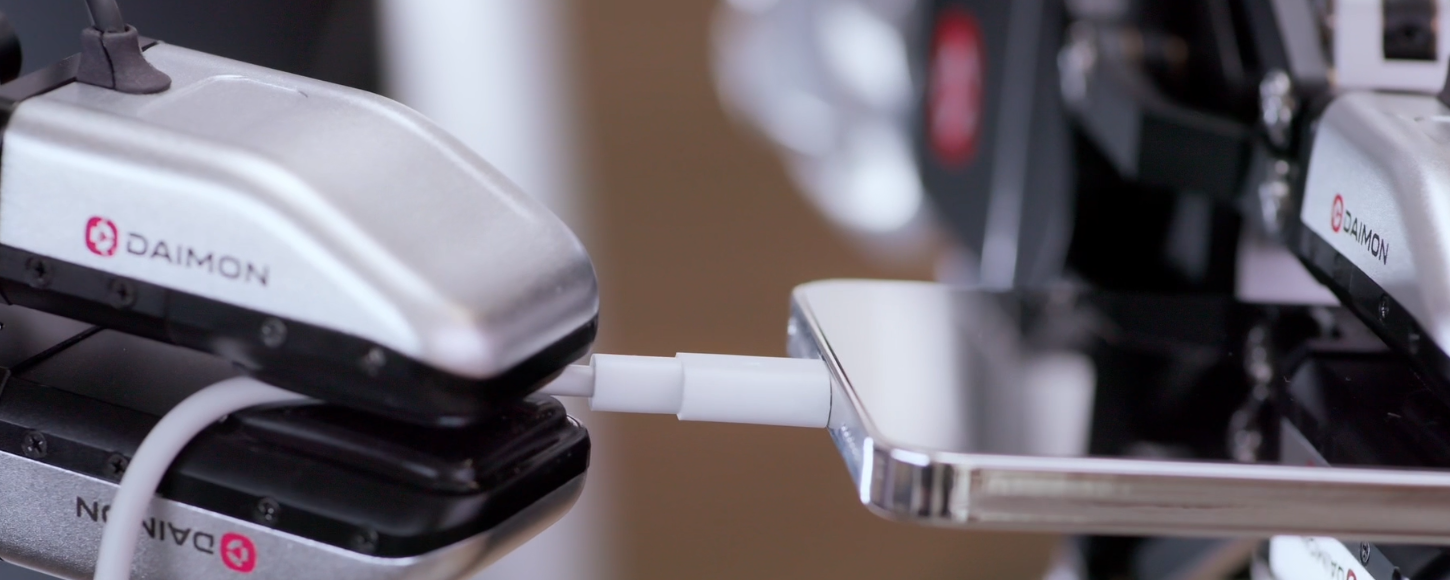
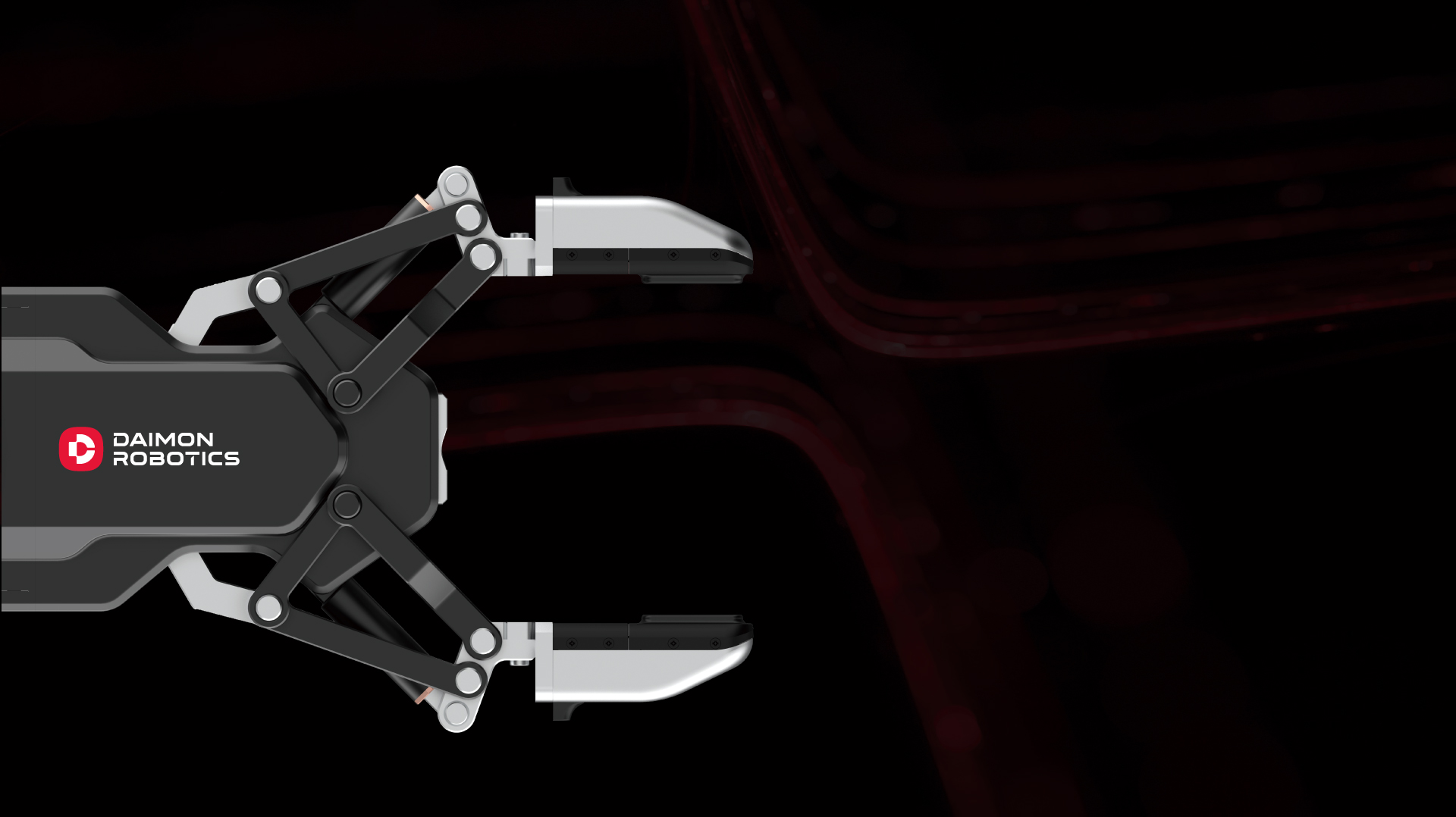
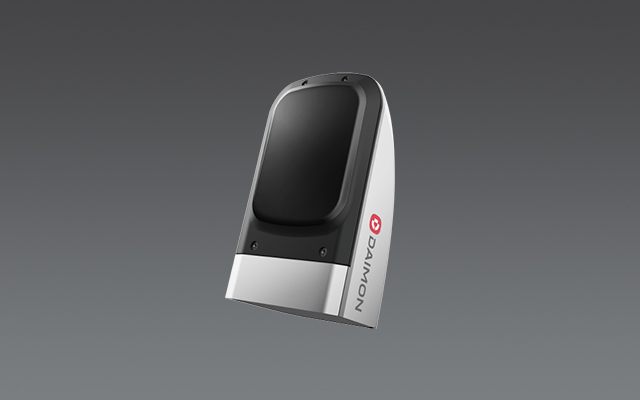
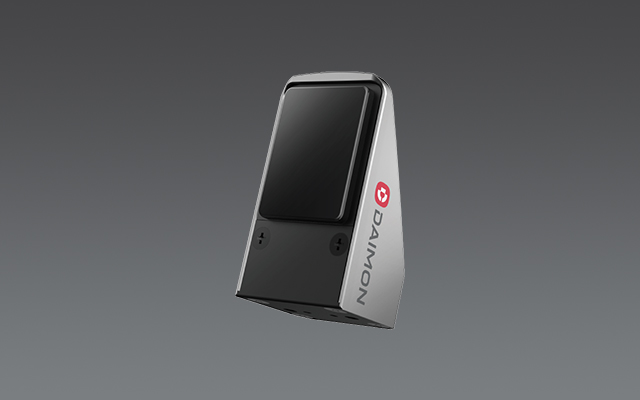
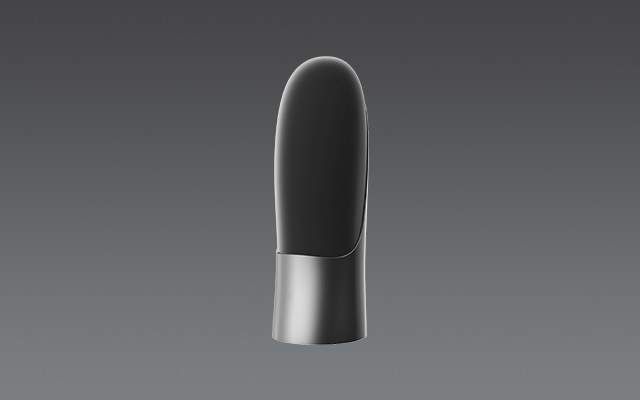
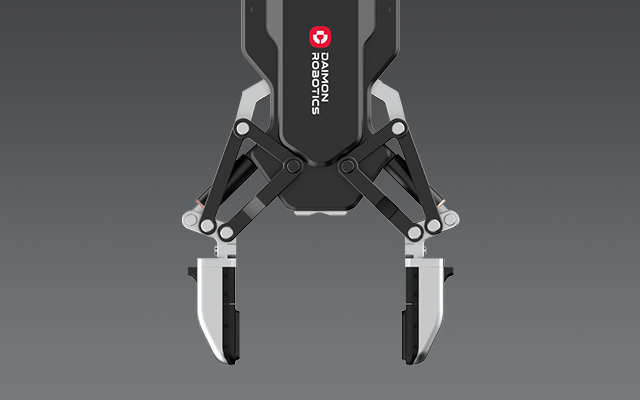
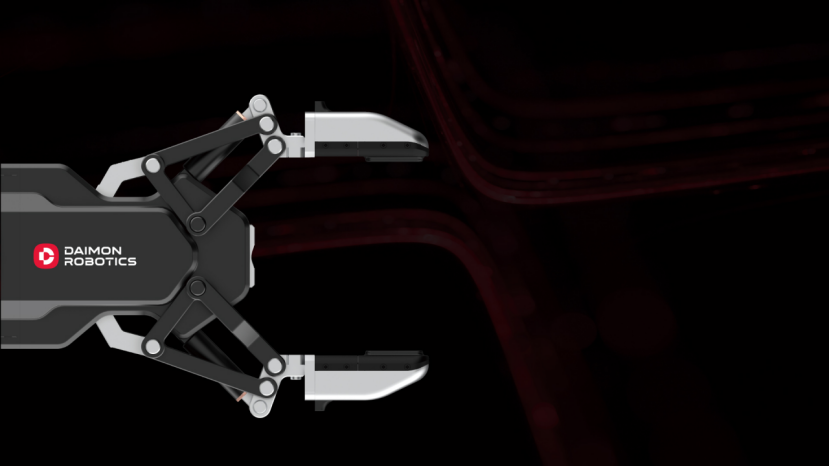
Visuotactile perception is the ability of robots to perceive their environment through both visual and tactile modalities. This integration allows for a comprehensive understanding of various objects and surfaces. The DM-Tac G visuotactile gripper exemplifies this concept, combining advanced sensors that provide high-resolution tactile feedback in both tangential and normal directions.
With the capability to recognize micron-level contact changes, visuotactile perception equips robots with crucial data for tasks that require nuanced understanding. For instance, the ability to detect hardness or softness and the potential for slip detection is vital in service applications, whether in healthcare for handling delicate tools or in hospitality for managing fragile items. Embodied intelligence, which relies on this perceptual capability, thus stands as a key driver for the success of modern service tasks.
Enhancing Task Precision and Adaptability
One of the primary advantages of visuotactile perception is the enhanced precision and adaptability it provides to robots in executing service tasks. Robots equipped with this technology can adjust their actions based on real-time feedback, allowing them to navigate unpredictable environments effectively.
For instance, in scenarios where a robot must grasp an irregularly shaped object, the visuotactile grippers can gauge the object's contours and adapt their grip accordingly. This flexibility minimizes the risk of dropping items, ensuring service quality and safety. The precise control offered through visuotactile perception significantly elevates the performance of robots in varied service roles, marking an important evolution in embodied intelligence.
Versatile Applications Across Industries
The versatility of visuotactile perception extends across multiple sectors, reinforcing its importance in achieving success in smart service tasks. In healthcare, for example, robots must interact with sensitive equipment and patients. The ability to perceive subtle variations in pressure enhances their capacity to perform medical tasks with the necessary delicacy.
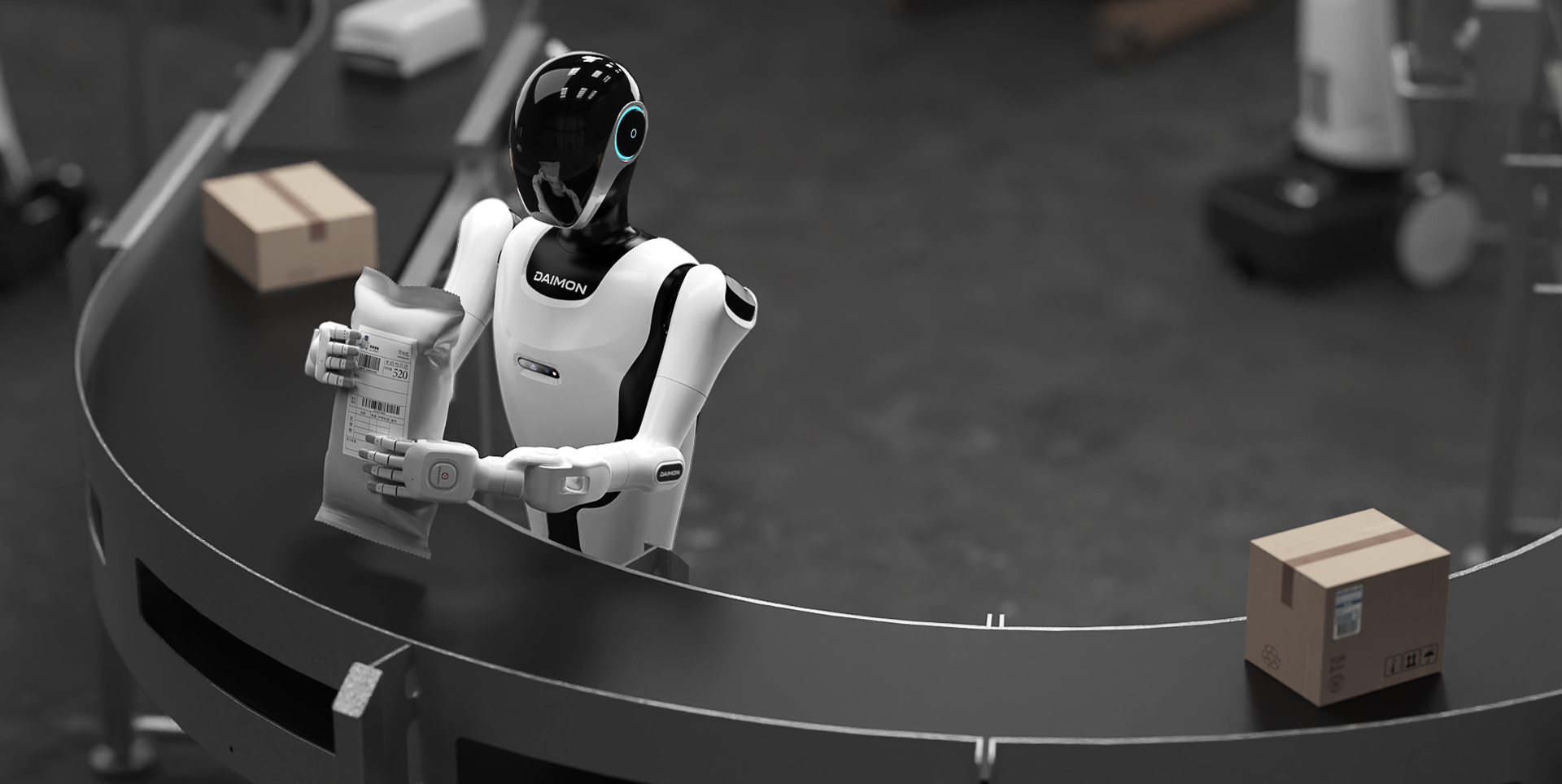
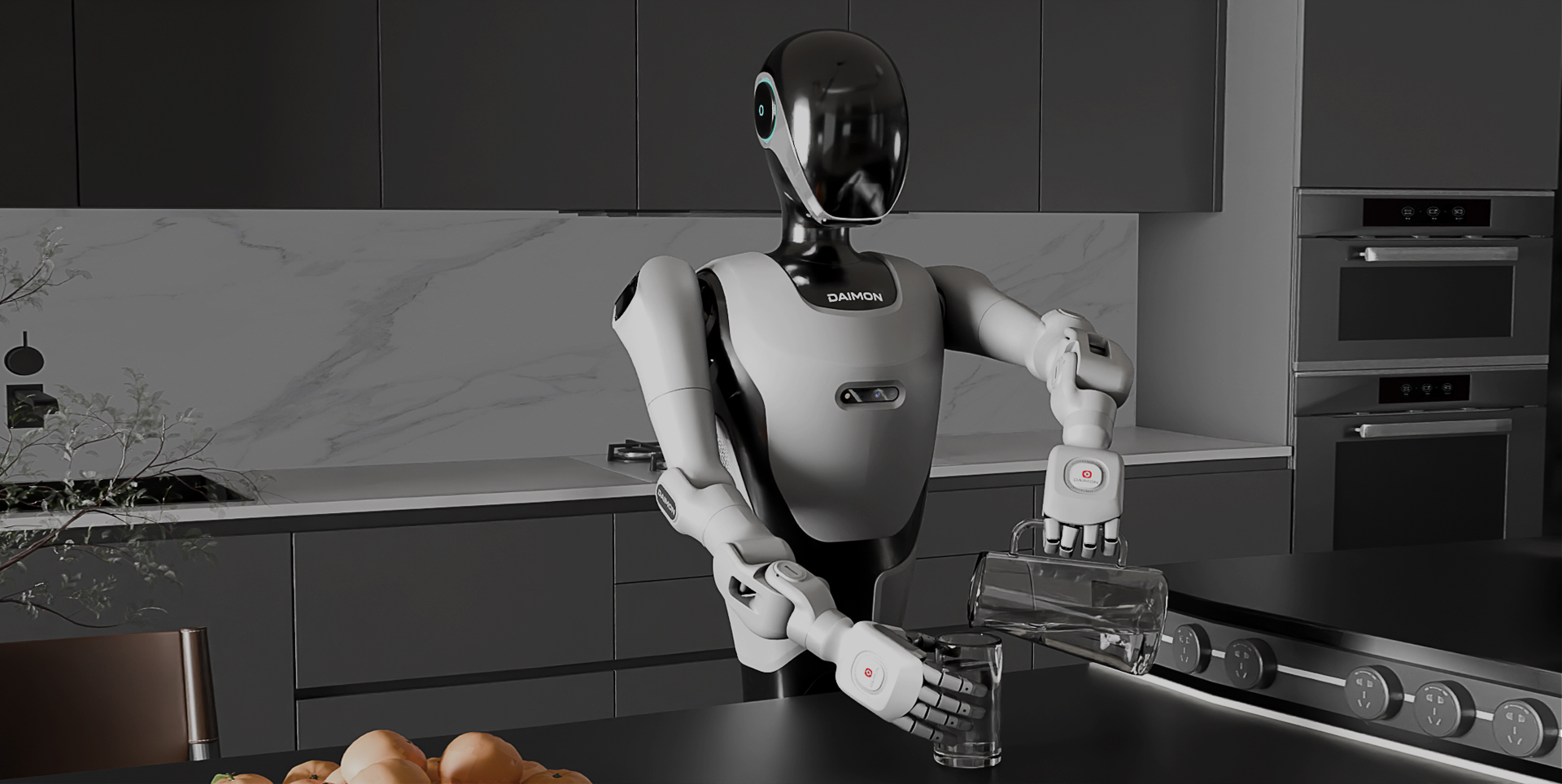
In the hospitality industry, robots can employ visuotactile sensing to deliver items or execute cleaning duties without damaging property. This technology allows for precise force-position control, making it easier for robots to operate in environments designed for human interaction. The ongoing development of embodied intelligence through visuotactile data positions robots as valuable assets in service industries, driving efficiency and improving customer experiences.
The Future of Service Robotics
As visuotactile sensing continues to evolve, its role in the future of service robotics becomes increasingly critical. The integration of this technology into service tasks empowers robots to perform with improved accuracy and reliability, ultimately enhancing operational efficiency across sectors.
Unlocking the Potential of Visuotactile Perception for Smart Services
In conclusion, visuotactile perception is indeed key to achieving success in smart service tasks. The ability of embodied intelligence systems to perceive, adapt, and interact with their environments through this advanced sensory technology significantly enhances their performance. With Daimon's commitment to innovation in visuotactile solutions, we are setting the stage for a new era of service robotics that promises to be more effective, precise, and responsive. As industries continue to embrace automation, visuotactile perception will remain a vital component in ensuring that smart services meet the growing demands of the future.