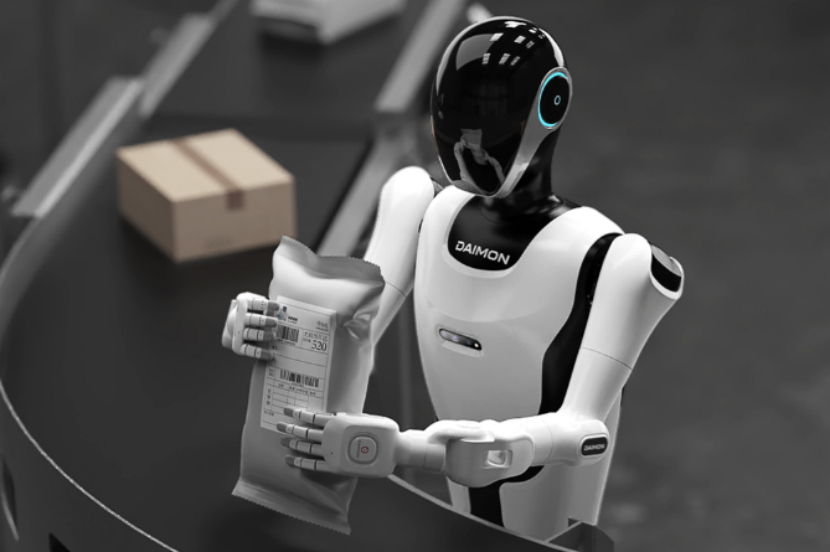






As advancements in artificial intelligence (AI) continue to reshape various industries, their impact on robotic manipulation cannot be understated. At Daimon, we recognize the pivotal role that embodied intelligence plays in enhancing robots’ capabilities. This article explores how AI fuels improvements in robot manipulation through multi-dimensional tactile perception, sensory data acquisition, and the development of embodied intelligence manipulation models.
Multi-Dimensional Tactile Perception
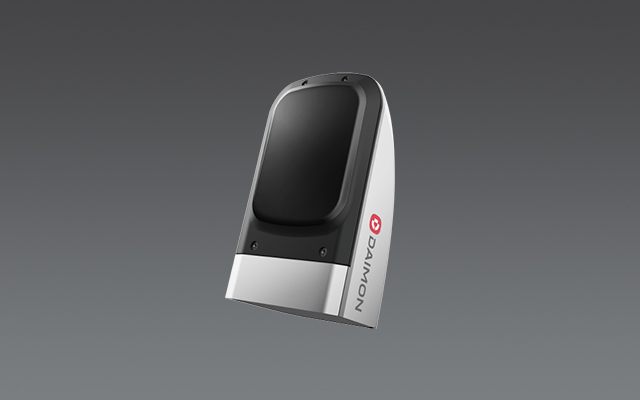
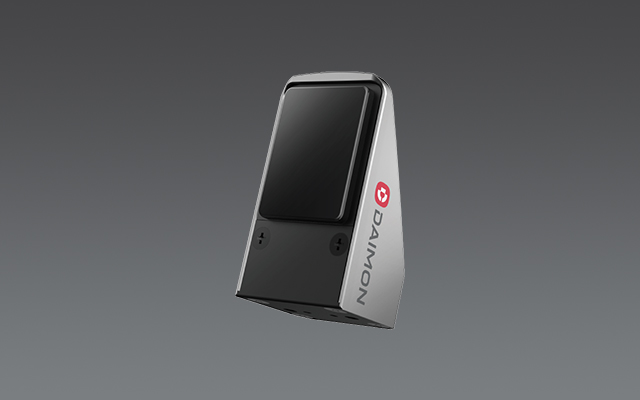
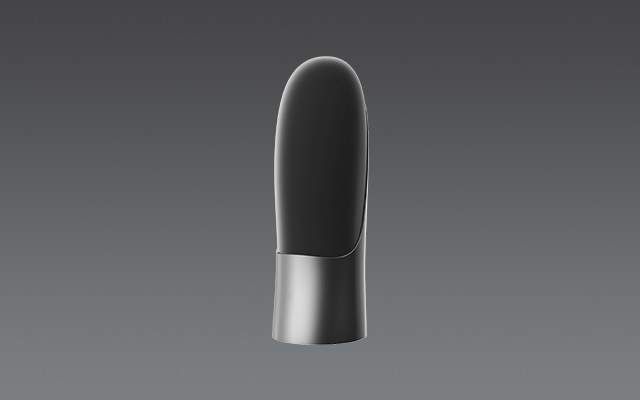
One of the most groundbreaking innovations in robotic manipulation is the development of multi-dimensional tactile perception. Daimon has introduced the world’s first millimeter-level thickness, multimodal, high-resolution vision-based tactile sensor. This technology enables robots to perceive their environment in a nuanced manner, effectively mimicking human sensory capabilities.
With the integration of these advanced sensors, robots can now discern subtle differences in texture, shape, and pressure when interacting with various objects. For instance, a robot equipped with Daimon’s tactile sensors can differentiate between fragile and robust materials, allowing it to adjust its grip accordingly. This high level of tactile feedback is a significant step toward achieving embodied intelligence, where robots not only react to their surroundings but actively learn and adapt to complex manipulation tasks.
In this context, Embodied Intelligence Inc. is at the forefront, leveraging such technologies to further enhance robotic capabilities and ensure that machines can better understand and navigate the world around them.
Sensory Data Series
To optimize robotic performance further, flexible data acquisition solutions are essential. Daimon’s sensory data series provides a comprehensive suite of visual, tactile, and multimodal inputs, allowing robots to collect and process diverse information simultaneously. This capability underscores the importance of embodied intelligence in robotic manipulation.
By harnessing these varied sensory inputs, robots can develop a more holistic understanding of their environment. For example, while performing a task that involves assembling components, a robot can utilize visual data to locate parts and tactile data to assess fit and alignment. This rich data integration fosters improved decision-making processes, enabling robots to handle intricate tasks with greater precision and efficiency. Ultimately, the synergy of AI and sensory data acquisition enhances the robots' embodied intelligence, leading to more capable and adaptable machines.
Embodied Intelligence Manipulation Model
At the heart of these advancements lies the embodied intelligence manipulation model, a framework that leverages tactile sensing to enhance robot dexterity in precision tasks. Daimon is at the forefront of developing this model, which integrates various sensory modalities to facilitate seamless interactions with objects.
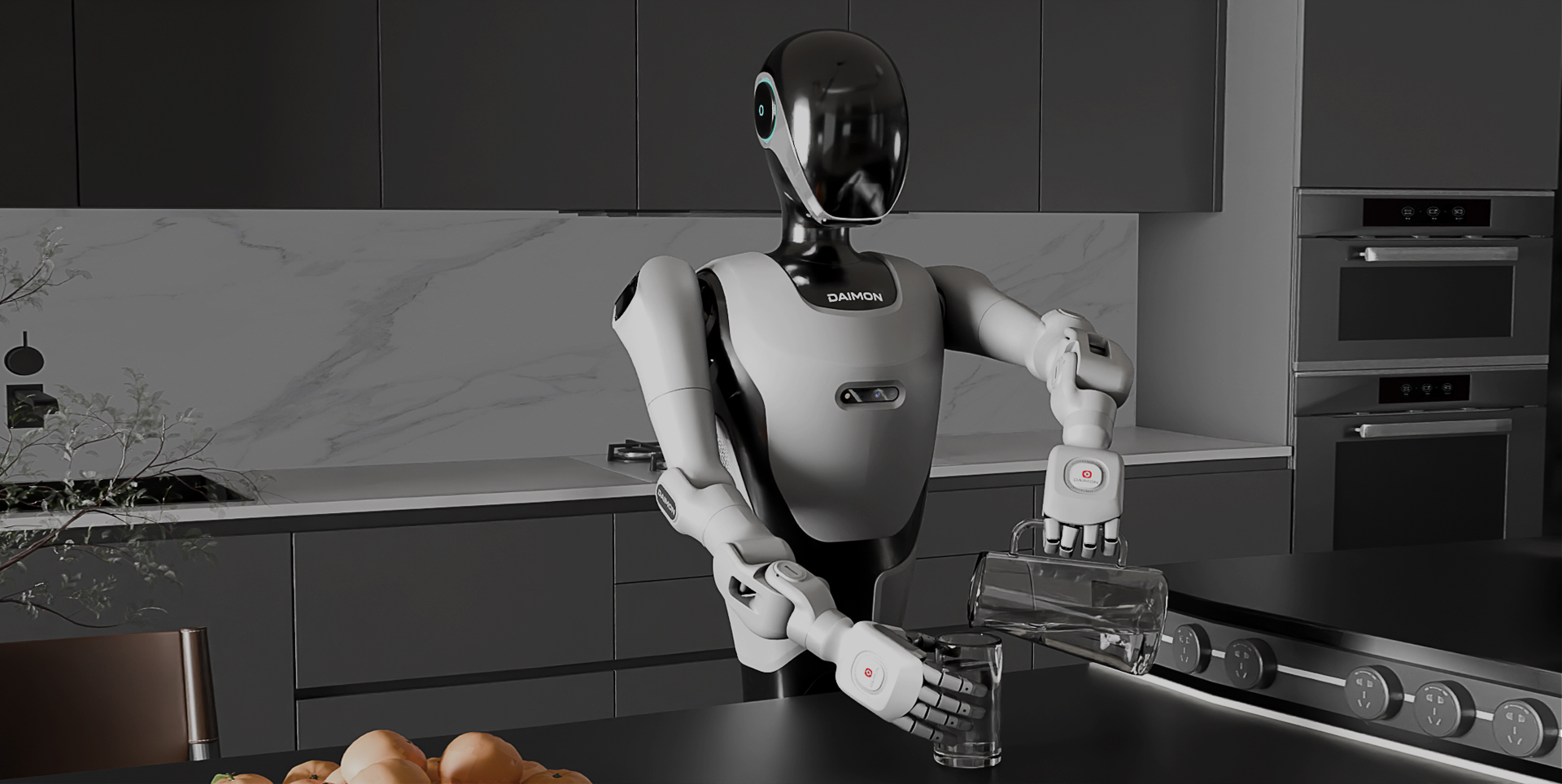
This model allows robots to perform a wide range of manipulation tasks, from delicate assembly operations to handling heavy machinery. It emphasizes not just the mechanical aspects of manipulation but also the cognitive processes that underpin effective action. By employing AI to analyze sensory data, robots can learn from their experiences, refining their manipulation strategies over time. This adaptability is crucial in dynamic environments, where conditions may change rapidly and require real-time adjustments.
Advancing Robotic Dexterity for Future Applications
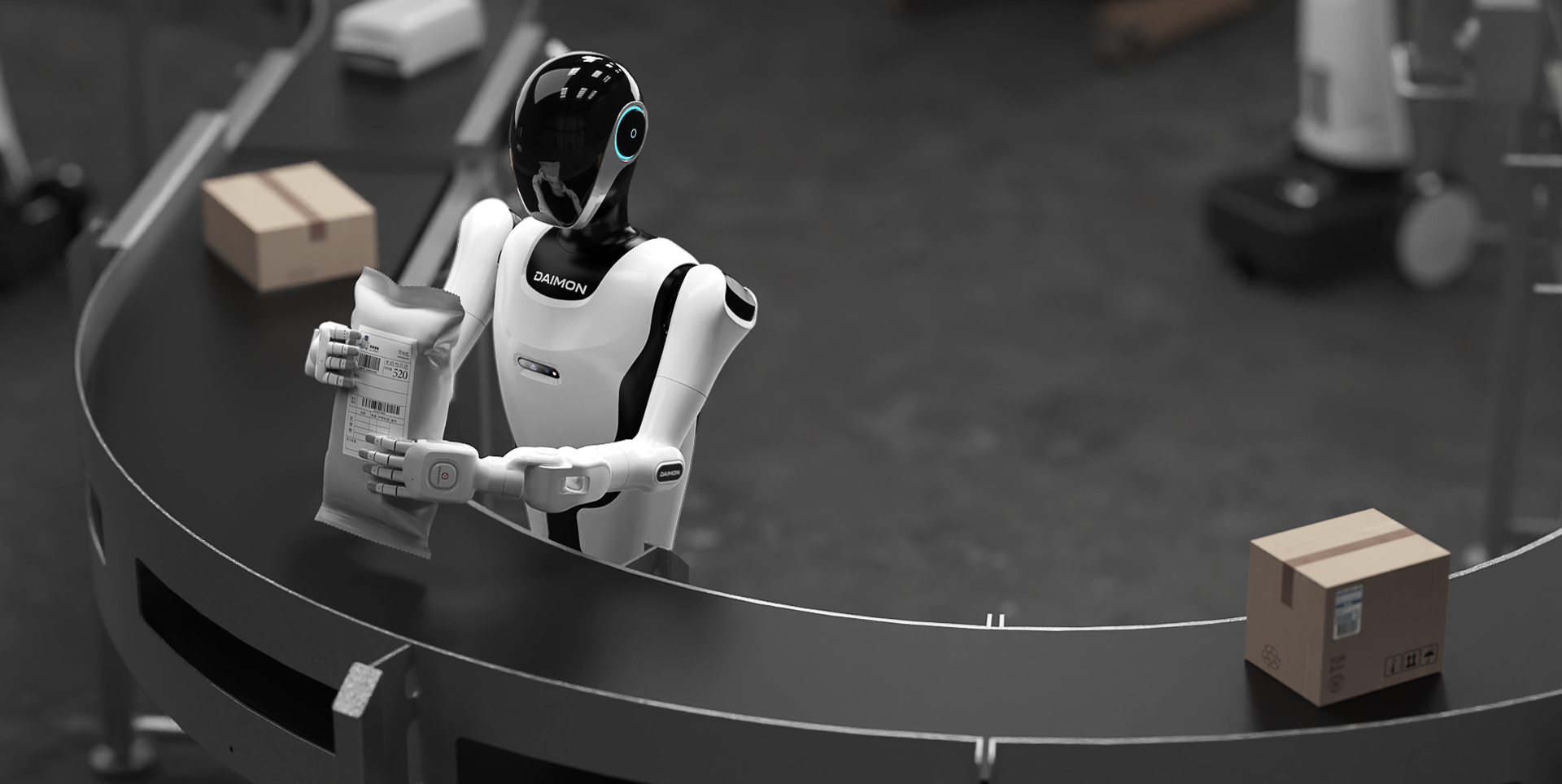
The continuous evolution of AI in robotics, particularly through embodied intelligence, is set to revolutionize numerous industries, including manufacturing, healthcare, and logistics. By enhancing robot manipulation capabilities, companies like Daimon are paving the way for more intuitive and effective robotic systems.
Advancing Toward a Future of Embodied Intelligence
In summary, the intersection of AI and robotic manipulation signifies a transformative era driven by embodied intelligence. Through innovations in multi-dimensional tactile perception, robust sensory data acquisition, and sophisticated manipulation models, Daimon is redefining what robots can achieve.
As we move forward, the emphasis on embodied intelligence will not only enhance robotic dexterity but also lead to smarter, more adaptable machines ready to tackle the challenges of tomorrow.