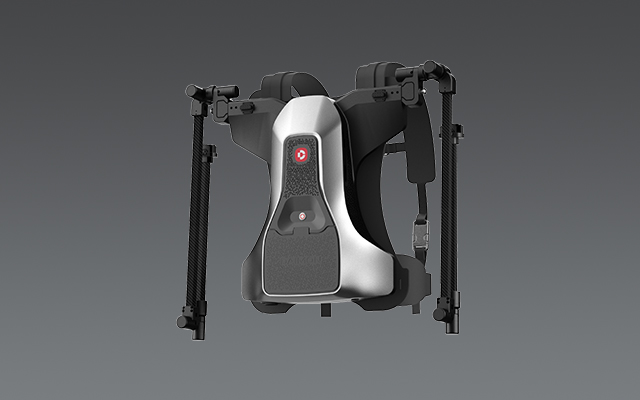







The integration of wearable exoskeletons into various industries is transforming how physical tasks are performed. This technology enhances user capabilities while presenting unique challenges, particularly regarding latency. Understanding these implications is crucial for optimizing performance and ensuring safety in operational environments.

Understanding Latency in Wearable Exoskeletons
Latency refers to the delay between a user's command and the system's actual response. High latency can lead to ineffective control and decreased efficiency, undermining the advantages these systems are designed to provide. For instance, a low-cost wearable exoskeleton may utilize simplified sensors or communication protocols, potentially introducing delays in data transmission. These delays can significantly impact the operator’s ability to perform tasks seamlessly, especially in dynamic environments where precise movement and quick reaction times are essential.
Certain models are designed to address latency concerns by incorporating advanced features, such as multiple degrees of freedom, which allow for accurate mapping of user movements. However, the cost of integrating enhanced sensor technology and real-time data processing can influence the overall performance of budget-friendly options. This means that trade-offs regarding latency and responsiveness must be thoughtfully considered.
The Importance of High Response Frequency
A key factor affecting latency in wearable exoskeletons is the system's response frequency. Higher response frequencies translate to lower latency, facilitating smoother interactions between the user and the wearable technology. Advanced teleoperation systems are specifically designed for real-time operation with minimal delays, which is critical for tasks requiring a high degree of precision.
Businesses considering the deployment of low-cost wearable exoskeletons must evaluate whether the system’s latency is adequate for their specific applications. For example, in manufacturing environments, timely feedback is vital for operators controlling robotic arms remotely; delays can result in errors or accidents. Choosing a system that balances cost and performance is crucial for achieving optimal outcomes.
Embracing Innovation with Daimon
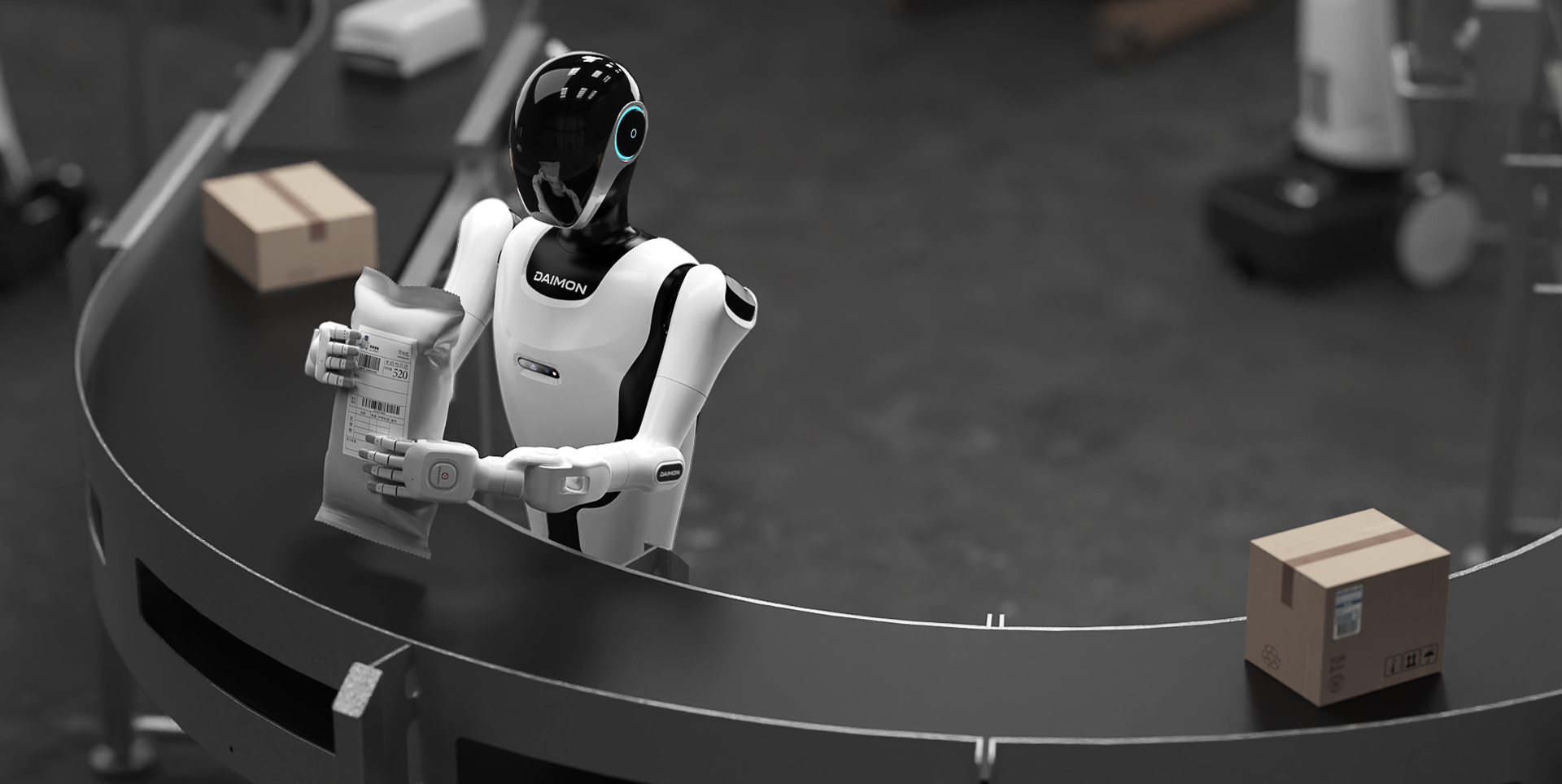
At Daimon, we recognize the important role that latency plays in the effective use of wearable exoskeletons, including budget-friendly options. We are collaborating with AirExo to jointly develop high-quality Wearable Exoskeletons. Our mission is to innovate in this field by developing lightweight, user-friendly wearable teleoperation systems that emphasize both functionality and user experience.
By focusing on high degrees of freedom and accurate movement mapping, we ensure that our systems facilitate seamless remote user control and data collection, which is essential for robotic development and learning across diverse scenarios. We invite businesses to collaborate with us in advancing the use of wearable exoskeletons while addressing latency challenges. Together, we at Daimon can unlock new opportunities that enhance productivity, safety, and efficiency in the modern workplace. Let’s shape the future of wearable technology together.