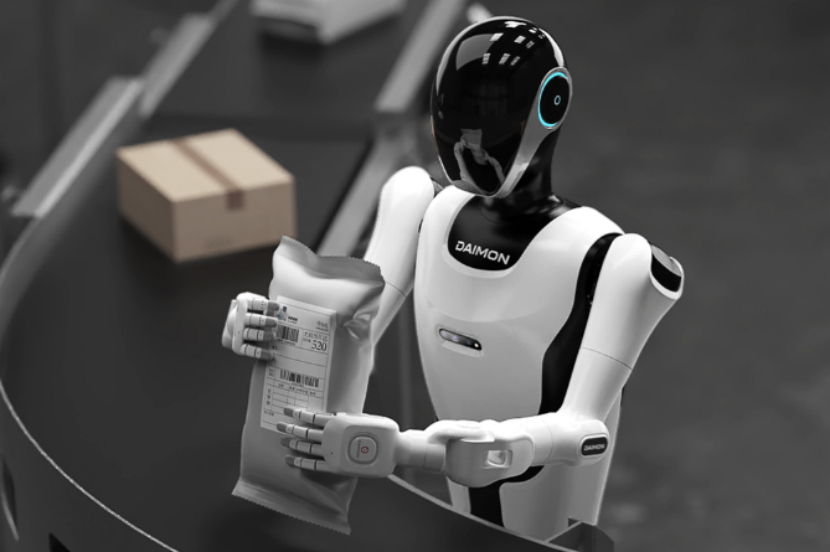
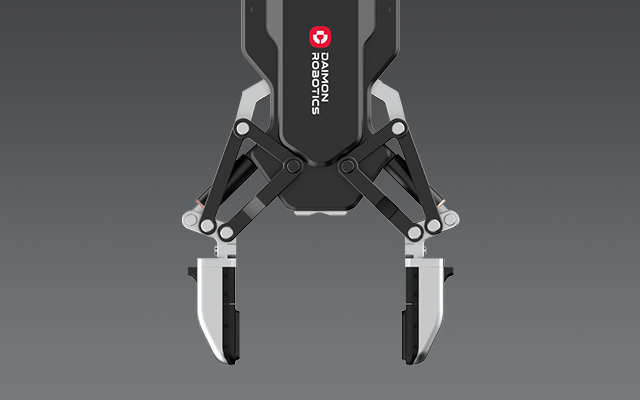
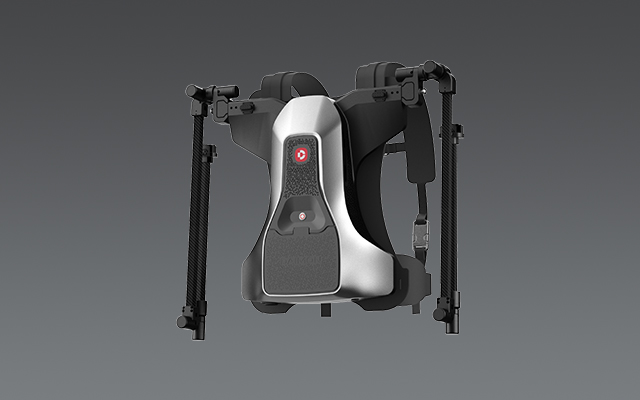
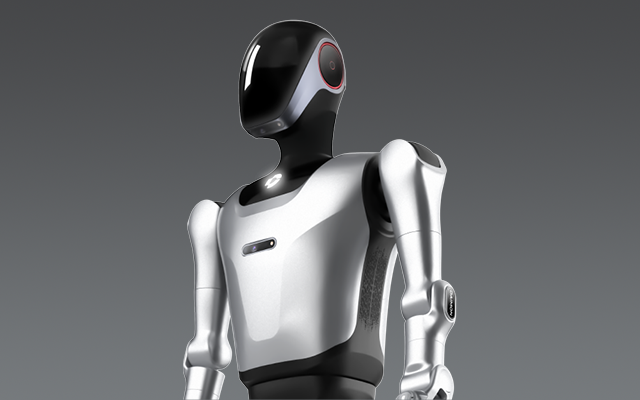






Advanced robotics is entering a new phase where precision and adaptability are no longer optional but essential. At the center of this evolution lies tactile sensing, a technology that allows machines to interact with objects in a more human-like way. By enabling robots to detect pressure, texture, and contact dynamics, vision-tactile sensing is proving to be a key enabler of fine manipulation across modern industrial applications.
High-Resolution Tactile Sensing for Precision Tasks
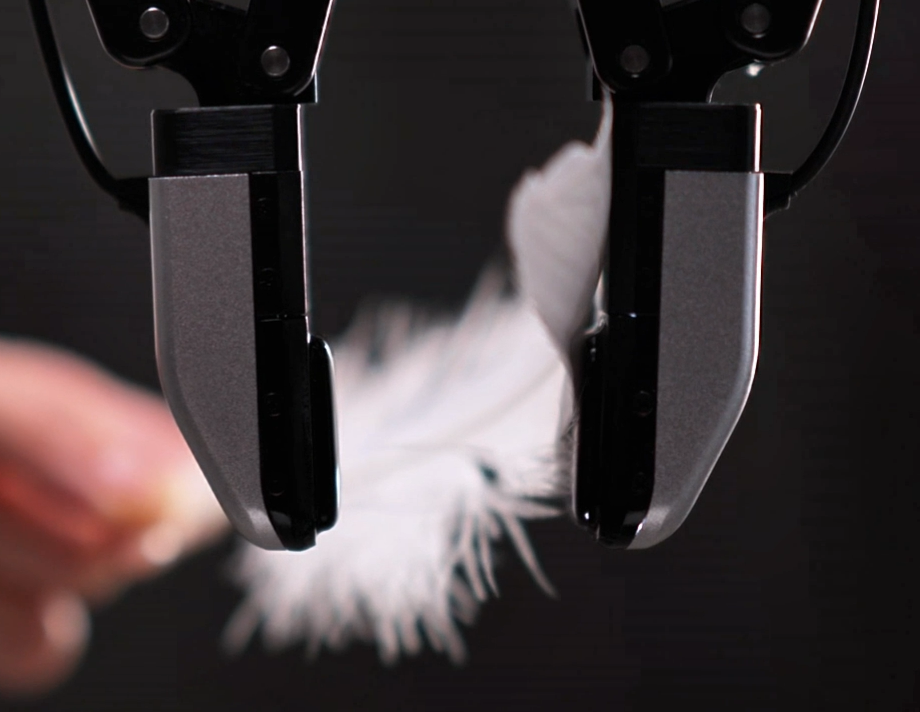
Fine manipulation depends heavily on a robot’s ability to perceive subtle differences in its environment. Traditional vision-based systems alone often fall short when dealing with delicate or complex objects. This is where tactile sensing becomes critical. With high-resolution tactile data, robots can detect the shape, texture, and position of objects at a microscopic level.
For example, advanced multimodal tactile interfaces now integrate tens of thousands of sensing units per square centimeter. This level of detail allows robots to accurately identify contact points and adjust their grip accordingly. As a result, tactile sensing empowers robotic systems to perform tasks such as assembling small components, handling fragile materials, and executing precision-driven operations with greater confidence and consistency.
Multimodal Integration for Enhanced Dexterity
True fine manipulation requires more than just touch—it demands the integration of multiple sensory inputs. Modern systems combine visual, tactile, and contextual data to create a more comprehensive understanding of the environment. Tactile sensing plays a central role in this multimodal approach, complementing vision systems with detailed contact information.
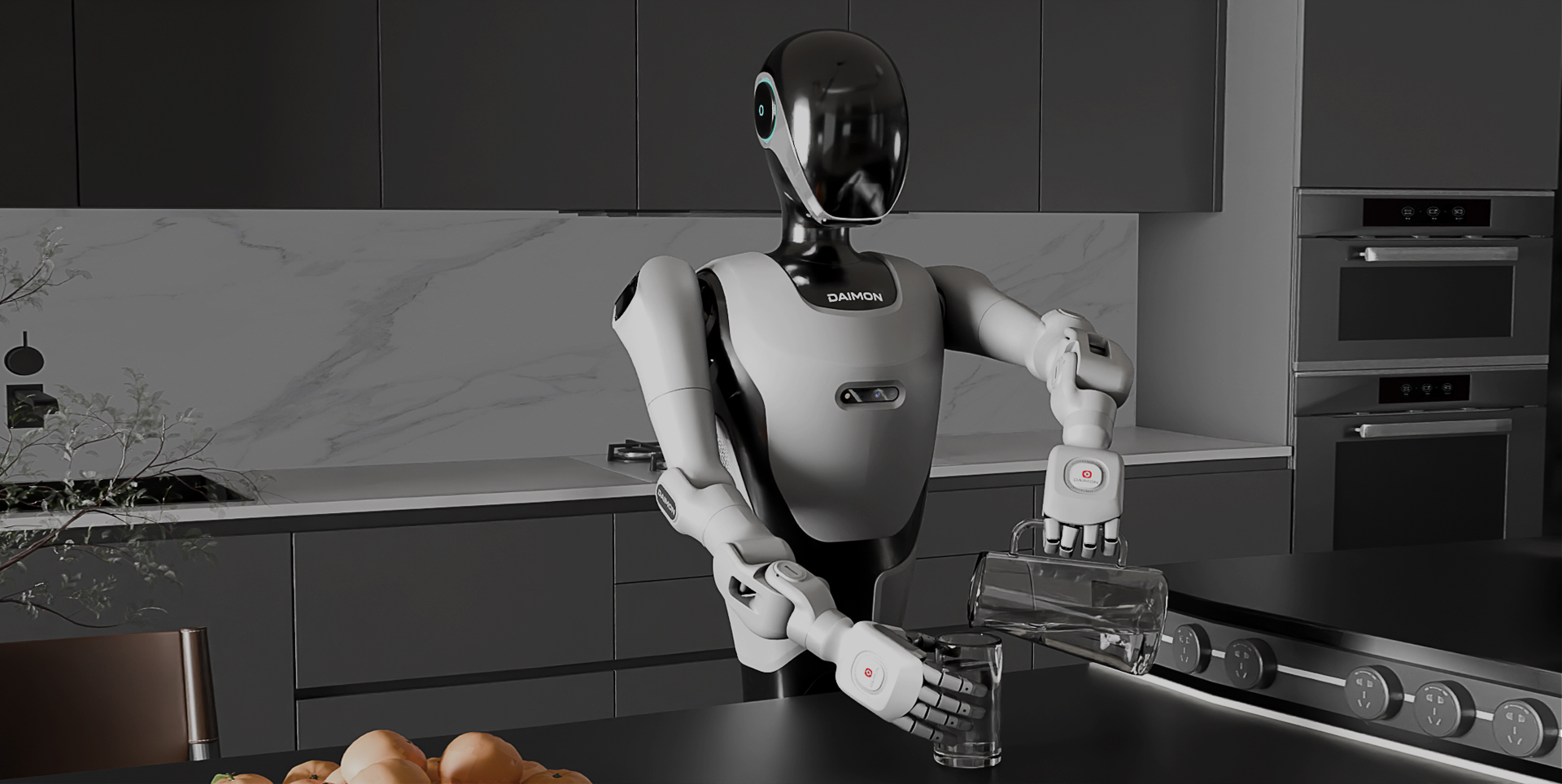
By leveraging multimodal tactile interfaces, robots can transition seamlessly between tasks and adapt to variations in object properties. This leads to improved dexterity and flexibility, enabling automation in areas that were previously too complex for machines. As industries continue to demand higher levels of customization and precision, tactile sensing becomes a foundational technology for next-generation robotics.
Unlocking New Possibilities with Advanced Tactile Solutions
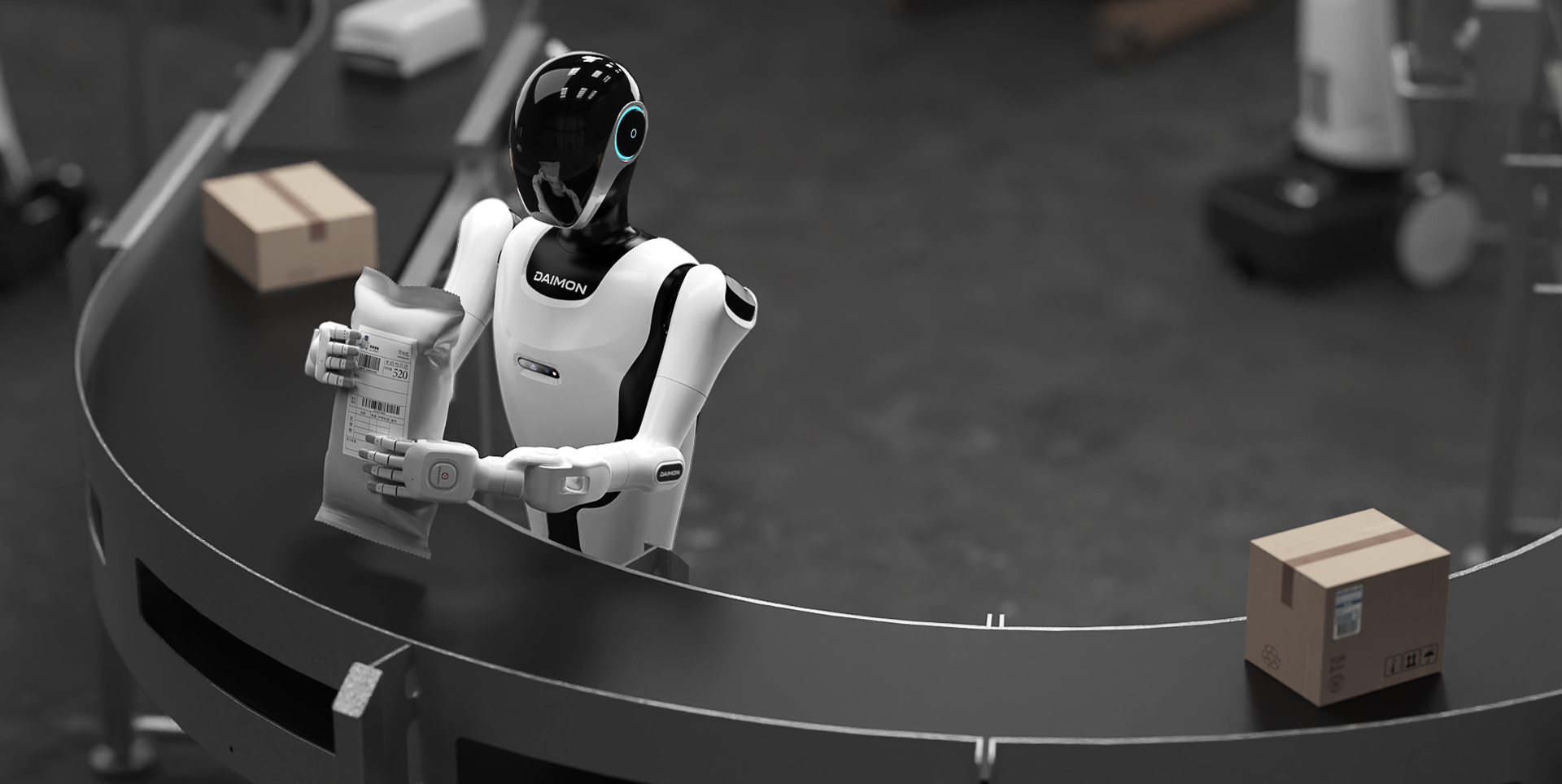
The ability to achieve fine manipulation is directly linked to how effectively robots can sense and respond to their environment. Vision-tactile sensing not only enhances precision but also expands the scope of automation across industries. From manufacturing to logistics, businesses can unlock new efficiencies by adopting systems that combine high-resolution perception with real-time force control.
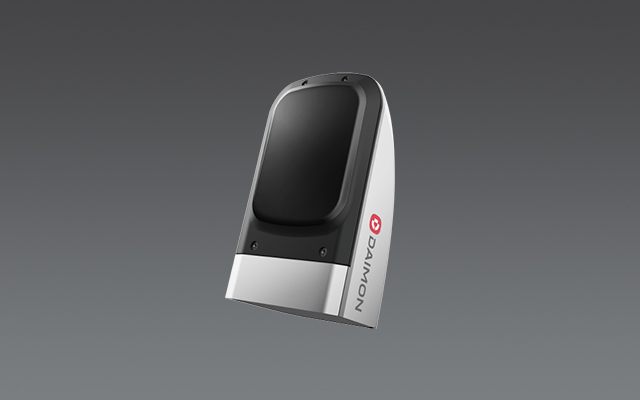
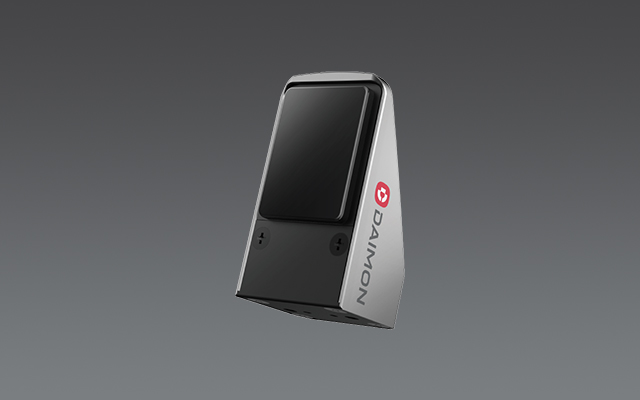
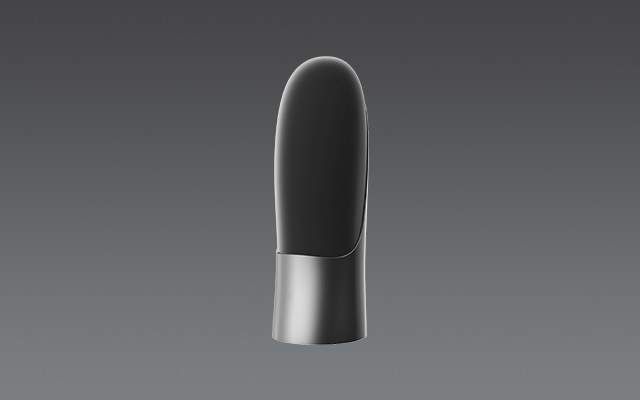
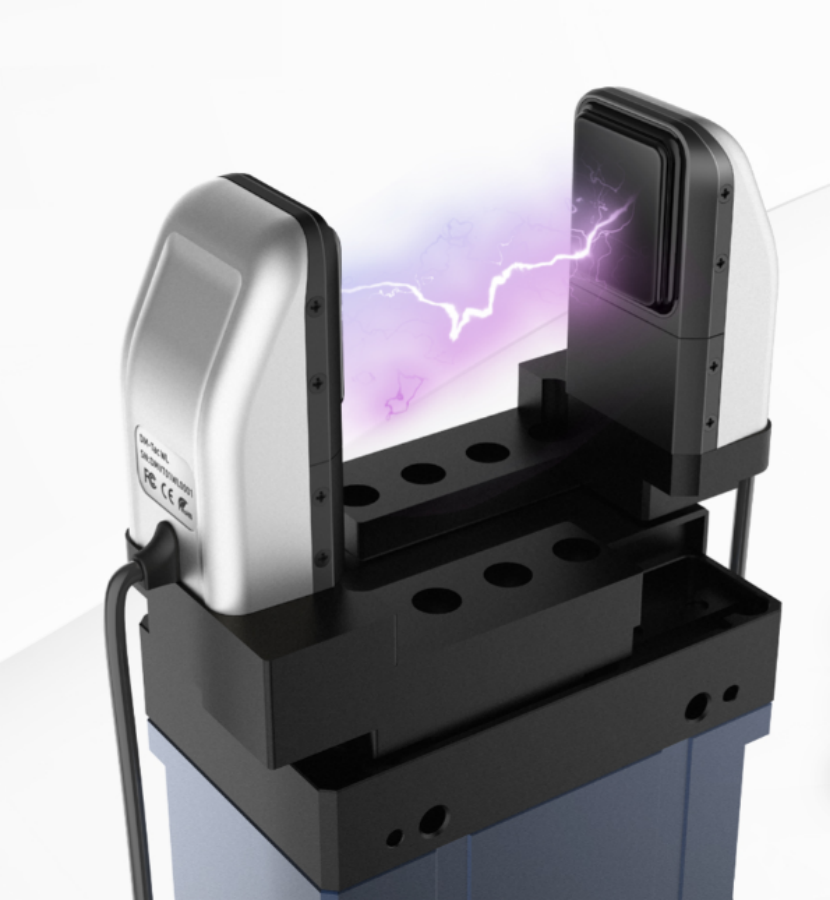
We at Daimon are driving this innovation forward with our DM-Tac W multimodal tactile interface. Designed for dexterous manipulation, our solution integrates ultra-high-resolution sensing with accurate force feedback to deliver exceptional performance. By incorporating advanced tactile sensing into your operations, we help you achieve smarter, more precise, and more reliable automation.