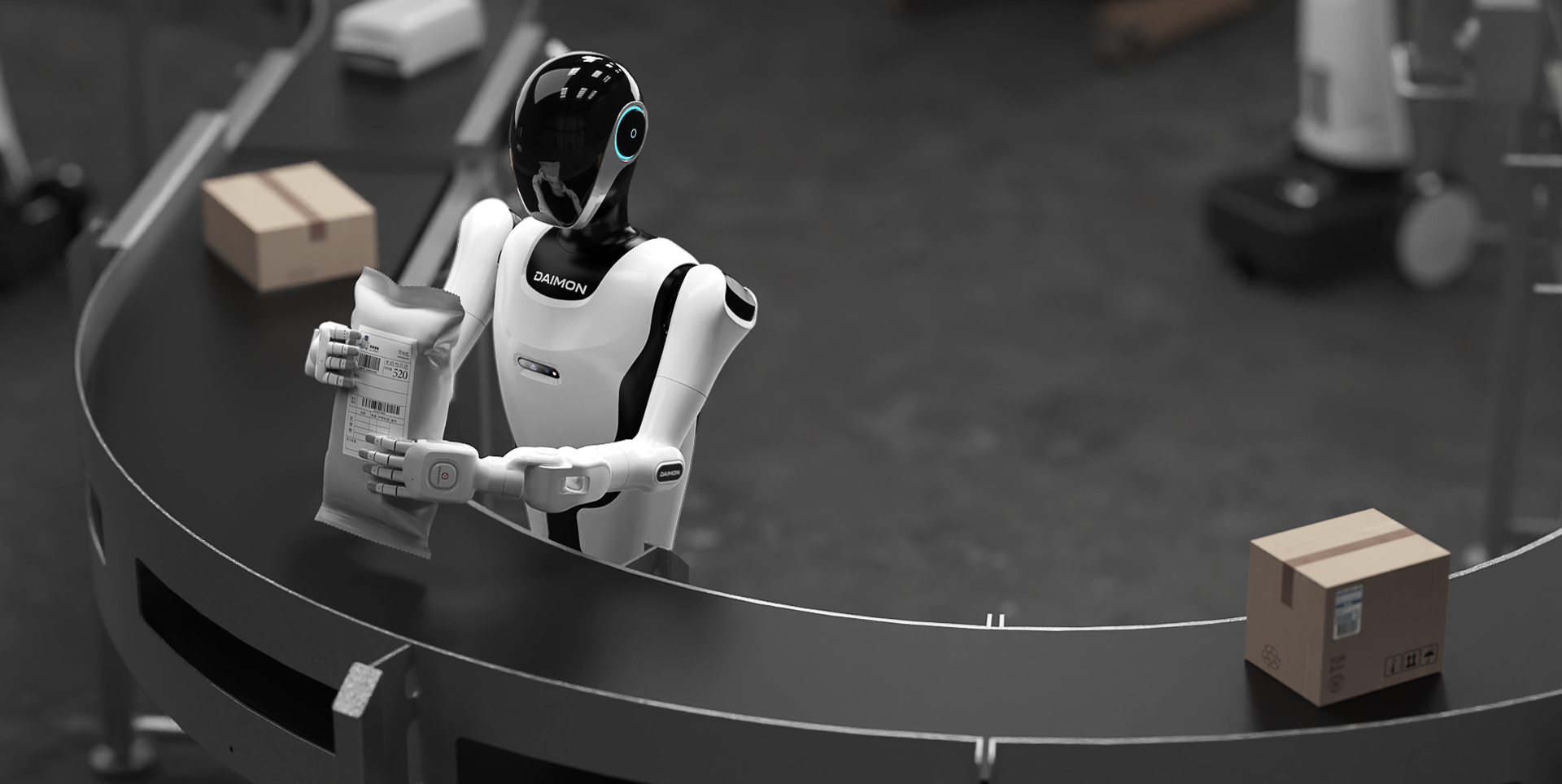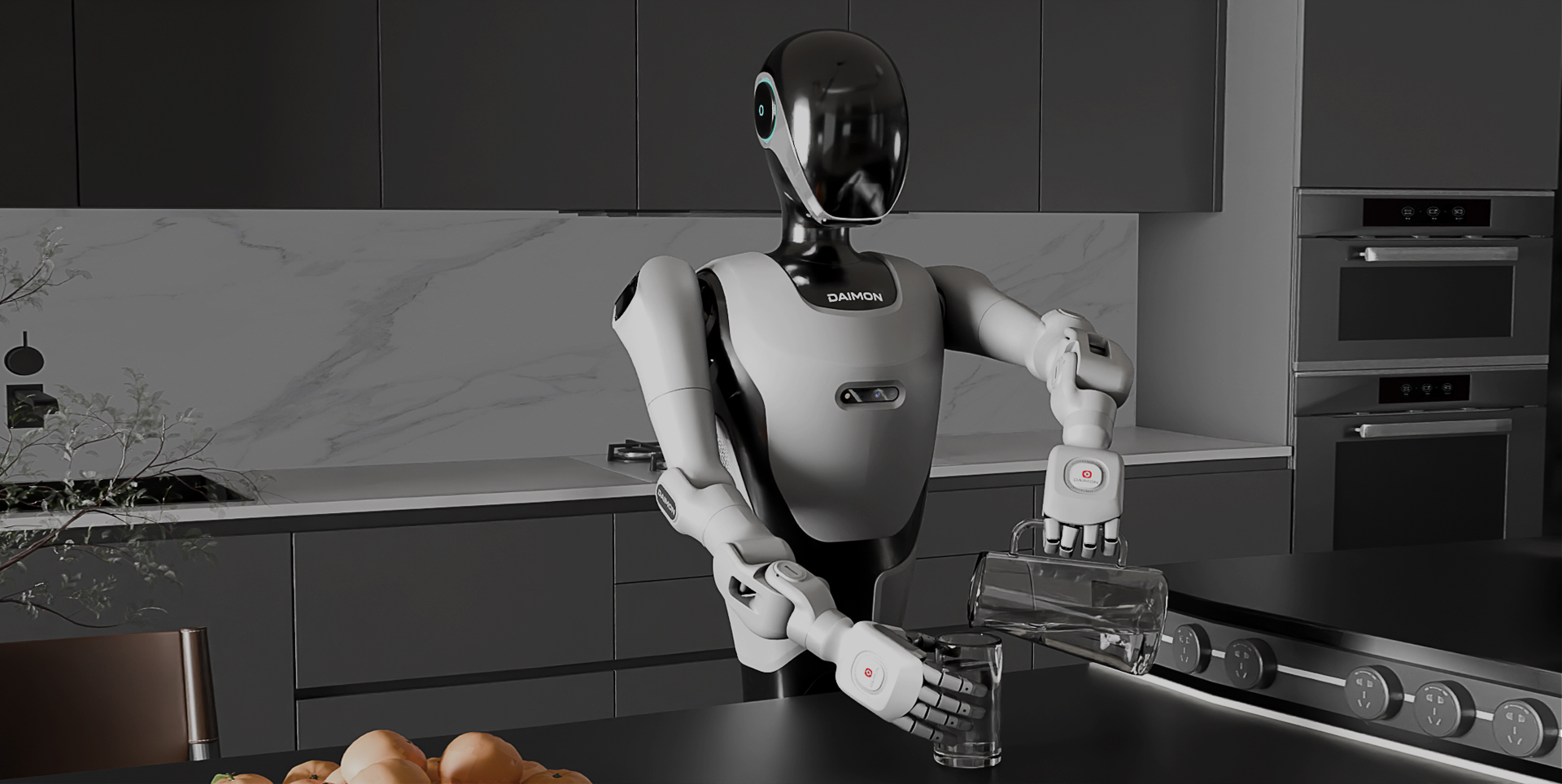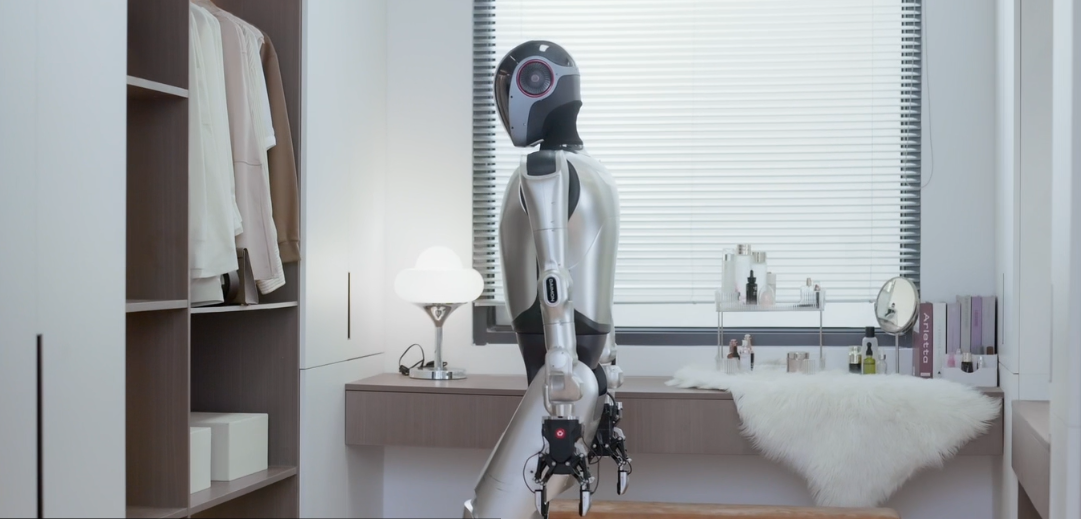






In the field of robotics and automation, precise manipulation is a cornerstone for enhancing operational efficiency. One critical aspect of this involves detecting transient events—brief and often subtle changes during interactions with objects. At Daimon, we are pioneering advancements in tactile sensing technology through our DM-Tac W multimodal tactile interface. This article explores how tactile sensing can be leveraged for localizing transient events in manipulation, providing insights into its benefits and applications.
The Importance of Transient Event Localization
Transient events occur frequently in the context of manipulation, such as when a robot grips an object or adjusts its handling due to changes in weight or texture. Accurately localizing these events is essential for ensuring that robots can respond effectively to their environment. Tactile sensing plays a vital role in this process by providing the necessary feedback that informs the robot of the current state of interaction.
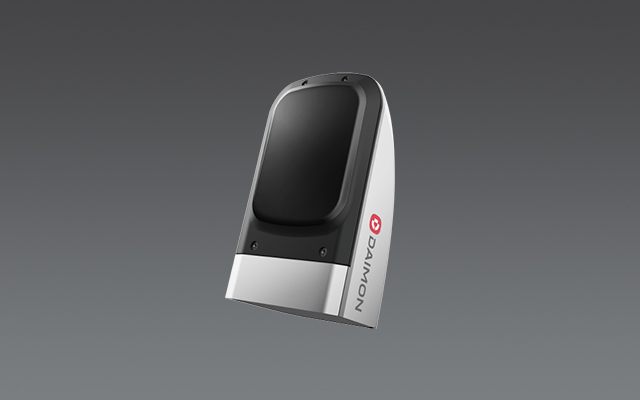
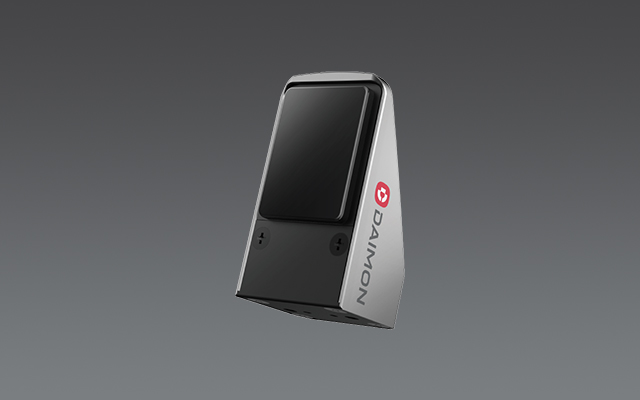
The DM-Tac W is designed to capture transient contact events with its high-resolution perception capabilities. Packing over 40,000 sensing units per square centimeter, this sensor allows for clear detection of contact shapes and forces. The ability to gather rich information modalities enables robots to accurately localize transient events, resulting in smoother and more adaptive manipulation strategies.
Enhancing Dexterity through Multimodal Tactile Sensing
Daimon’s approach to tactile sensing focuses on creating a multidimensional interface that enhances a robot's dexterity. By integrating multiple sensing modalities, the DM-Tac W can detect various factors affecting manipulation, such as pressure, slip, and deformation. This comprehensive tactile information is crucial for real-time adjustments during manipulative tasks.
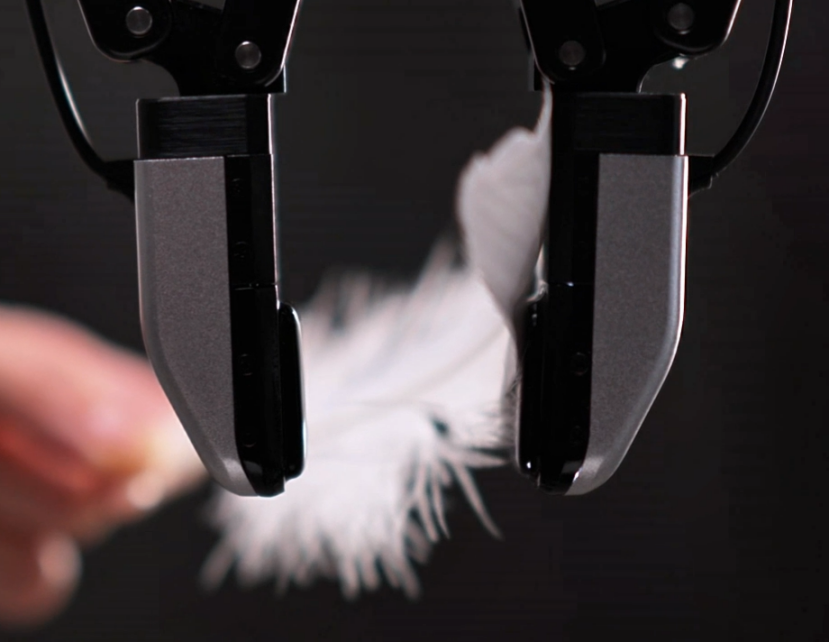
For instance, when a robot picks up a fragile object, the ability to sense slight changes in grip strength or surface texture allows for immediate adjustments to avoid damage. Such high-resolution tactile sensing transforms robots into more capable manipulators, able to handle a wider range of tasks effectively. By utilizing sensores táctiles like the DM-Tac W, we empower robots to proceed with greater confidence and precision.
Applications in Robotics and Beyond
The applications of tactile sensing extend beyond mere manipulation in industrial environments. Localizing transient events can significantly enhance robotic performance in various sectors, including healthcare, agriculture, and logistics. In surgical robotics, for instance, accurately detecting transient events can improve the precision of robotic arms, making surgeries safer and more efficient.
Similarly, in agriculture, robots equipped with sensores tactiles can localize changes while handling delicate produce, ensuring optimal care and reducing waste. The ability to gather detailed tactile feedback allows for more sophisticated interactions, contributing to better outcomes across numerous applications.
Advancing Tactile Sensing for Future Robotics
In summary, the localization of transient events in manipulation is an essential facet of robotic technology, profoundly influenced by tactile sensing capabilities. Daimon’s DM-Tac W multimodal tactile interface exemplifies how advanced sensores tactiles can equip robots to handle tasks with greater precision and adaptability. This rich information captured by our sensores táctiles not only enhances robotic dexterity but also opens new avenues for their application across various fields.
As we continue to innovate in the realm of tactile sensing, we envision a future where robots can interact with their environments in increasingly sophisticated ways. By focusing on transient events, we enhance the functionality and reliability of robotic systems, paving the way for a more efficient and responsive automation ecosystem.