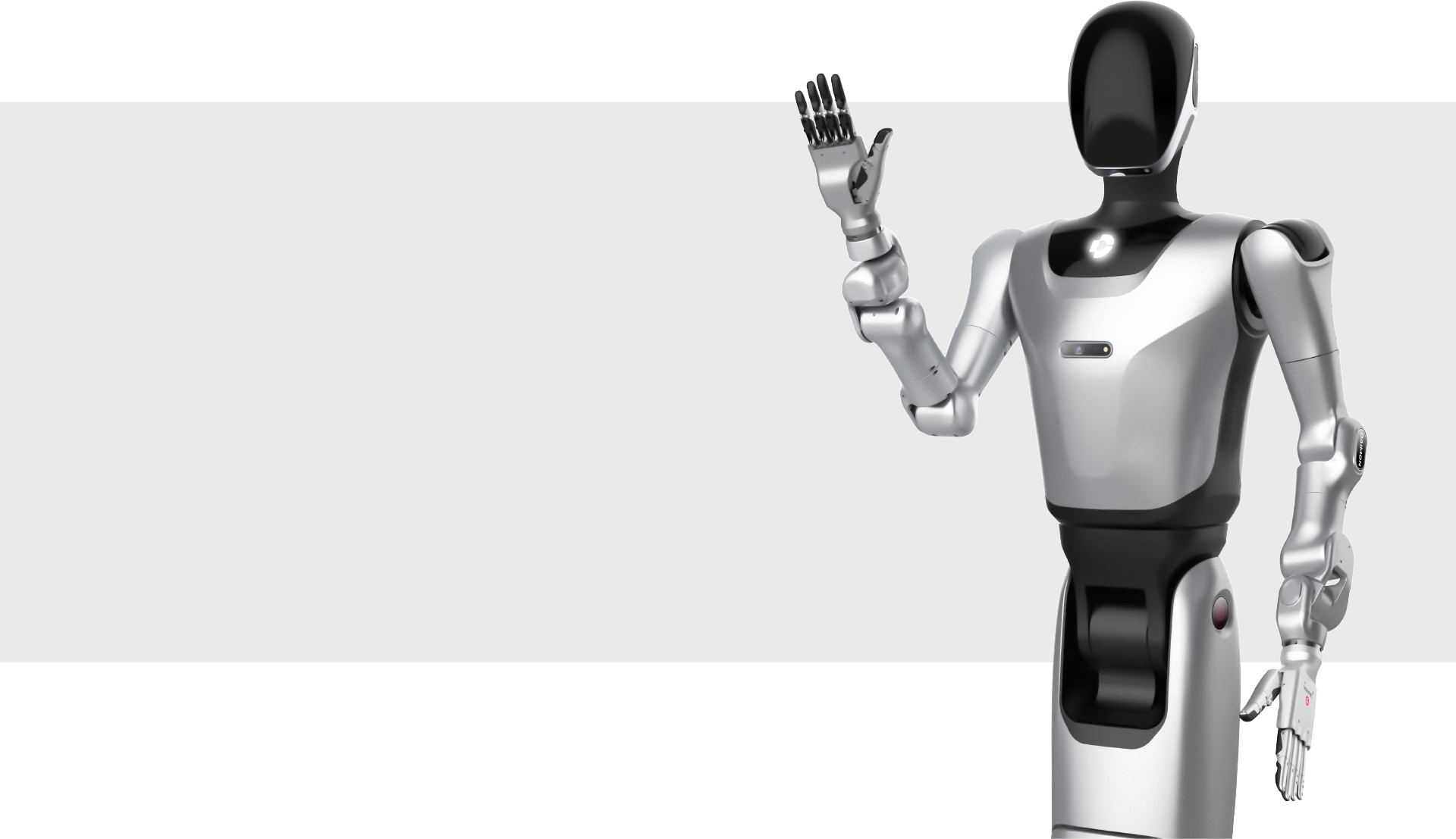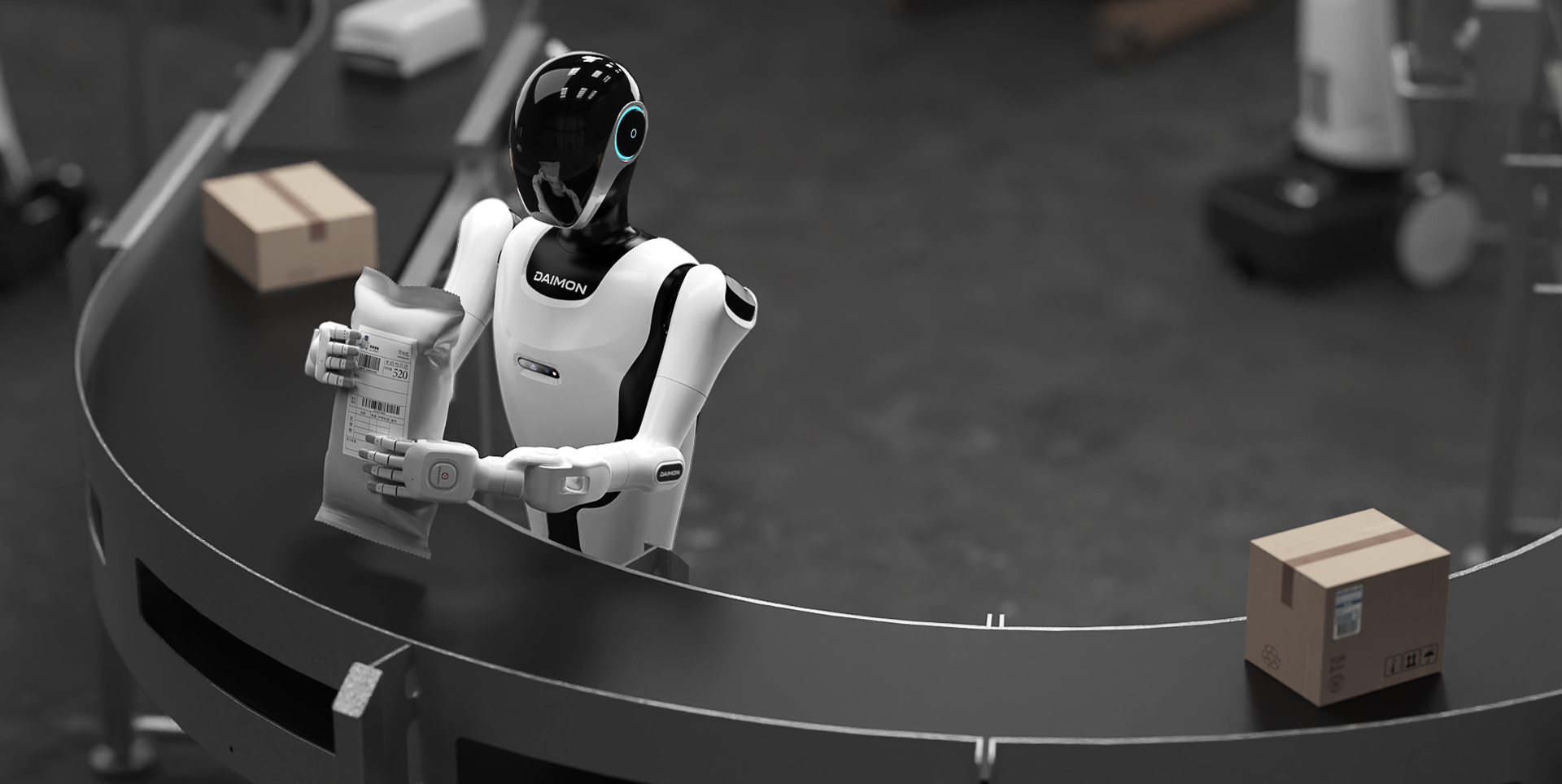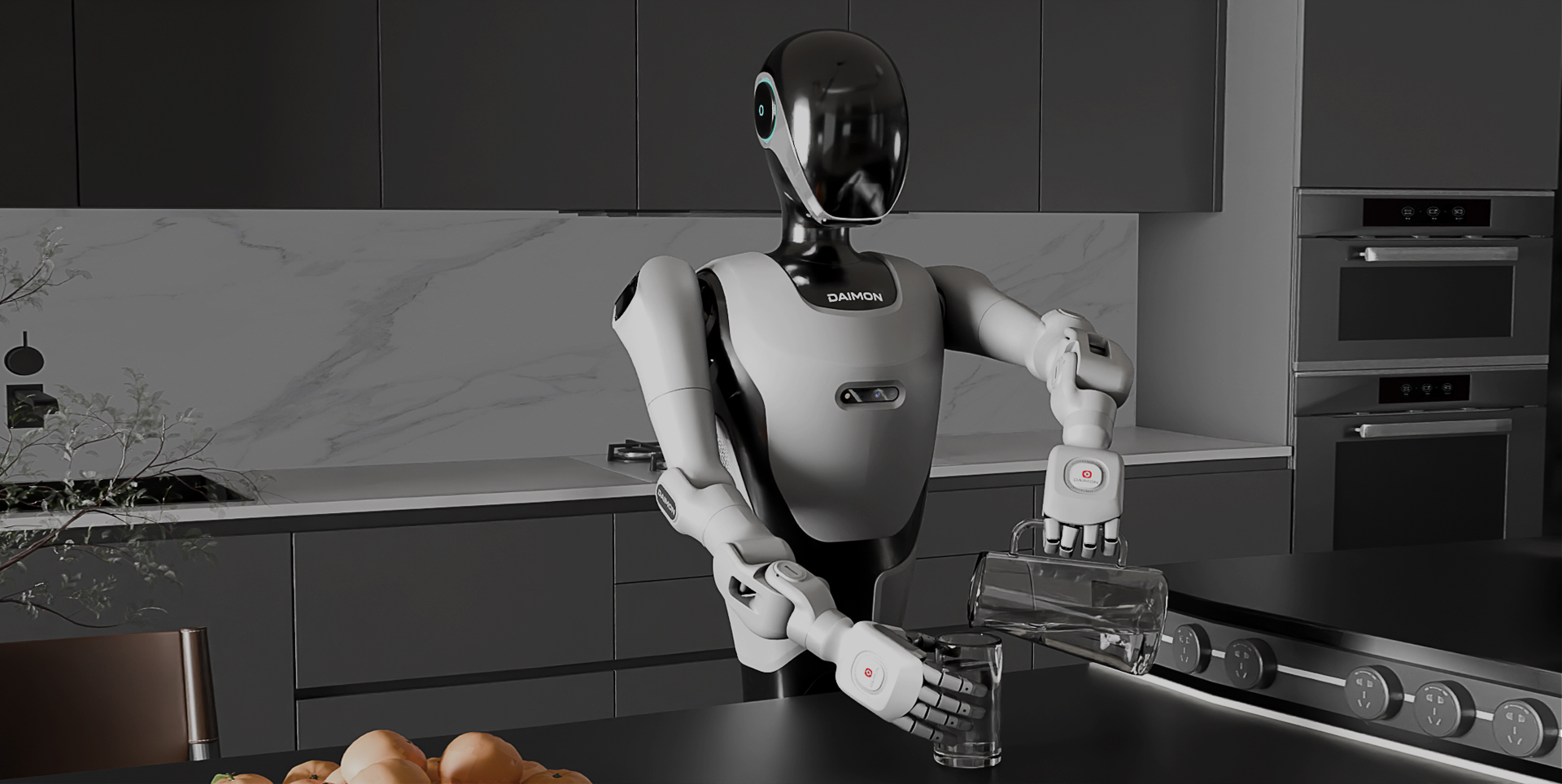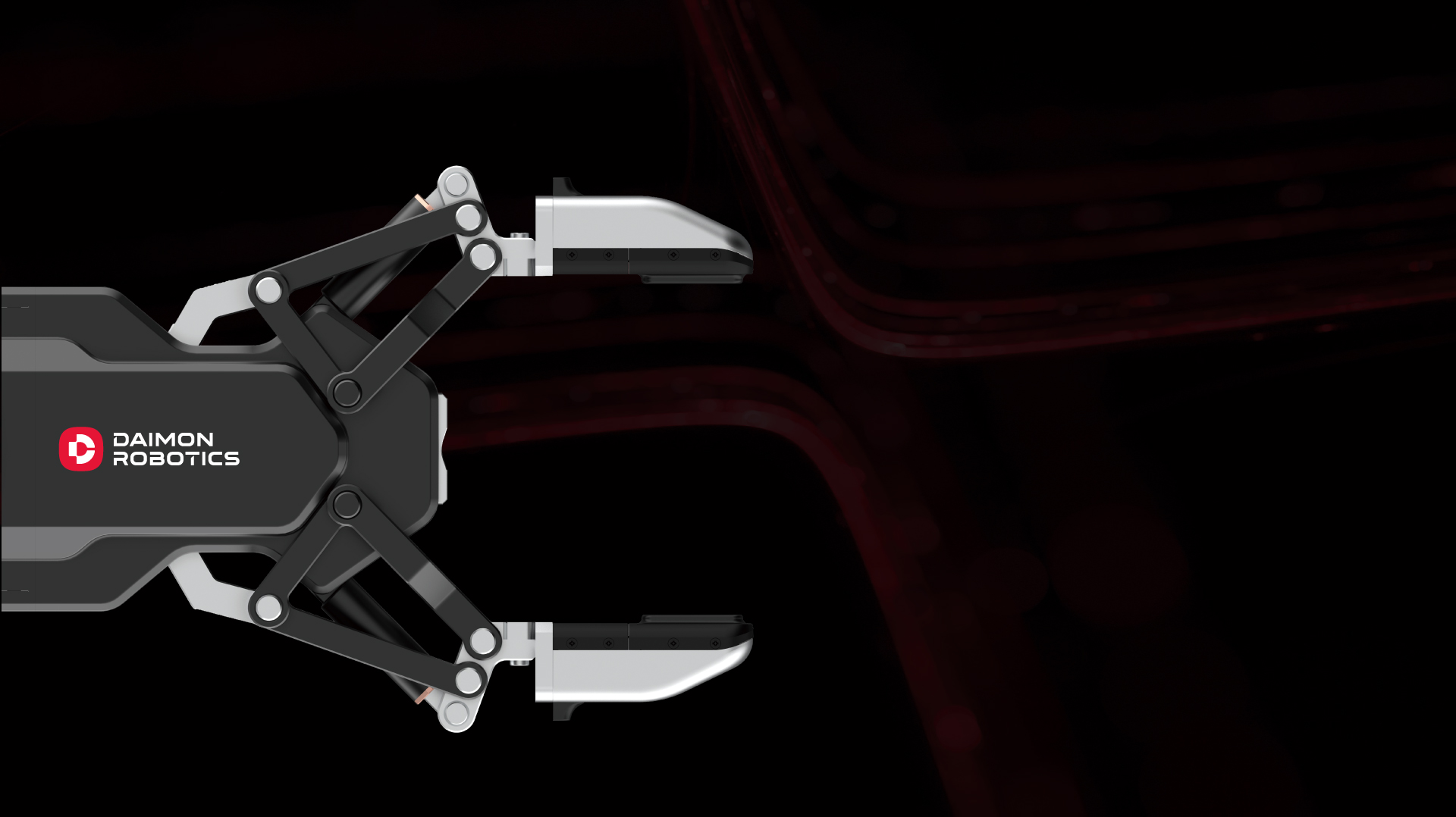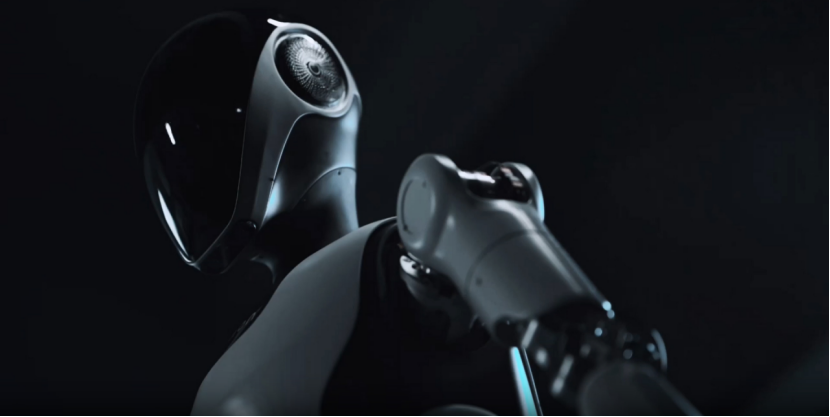
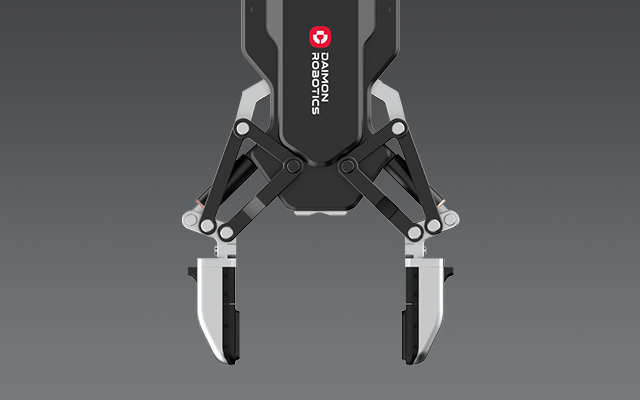
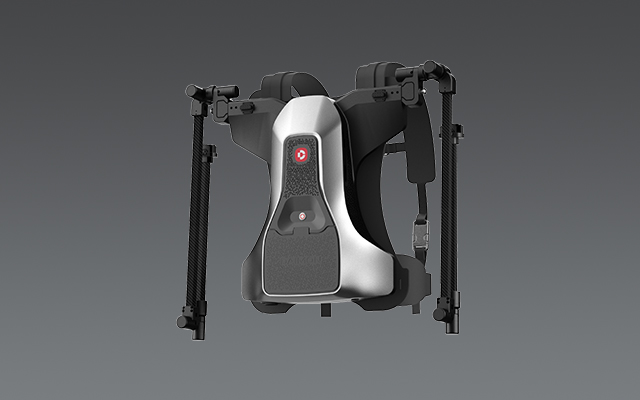
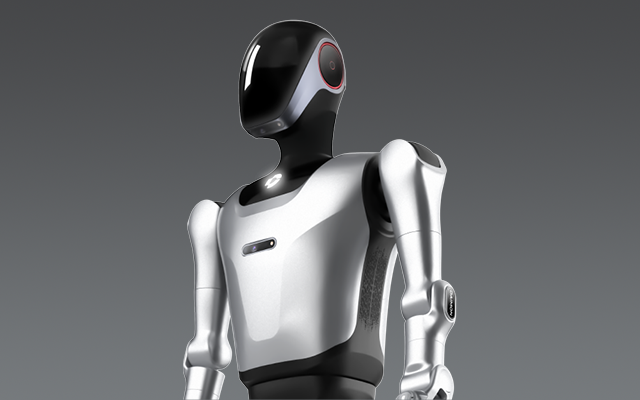






Rapid advancements in automation and artificial intelligence are reshaping how modern supply chains operate, pushing businesses to rethink efficiency, accuracy, and adaptability. Among these innovations, embodied intelligence is emerging as a transformative force. By integrating perception, reasoning, and physical interaction, embodied intelligence enables machines to operate more like humans in complex, real-world environments. As a result, the embodied intelligence robot is no longer limited to repetitive tasks but is becoming a key driver of intelligent supply chain evolution.
Enhancing Operational Efficiency Through Embodied Intelligence
Traditional automation systems often struggle with variability and unstructured environments. However, embodied intelligence introduces a new level of flexibility by combining sensory input with intelligent decision-making. With technologies such as vision-tactile sensing, an embodied intelligence robot can identify, grasp, and manipulate objects with remarkable precision.
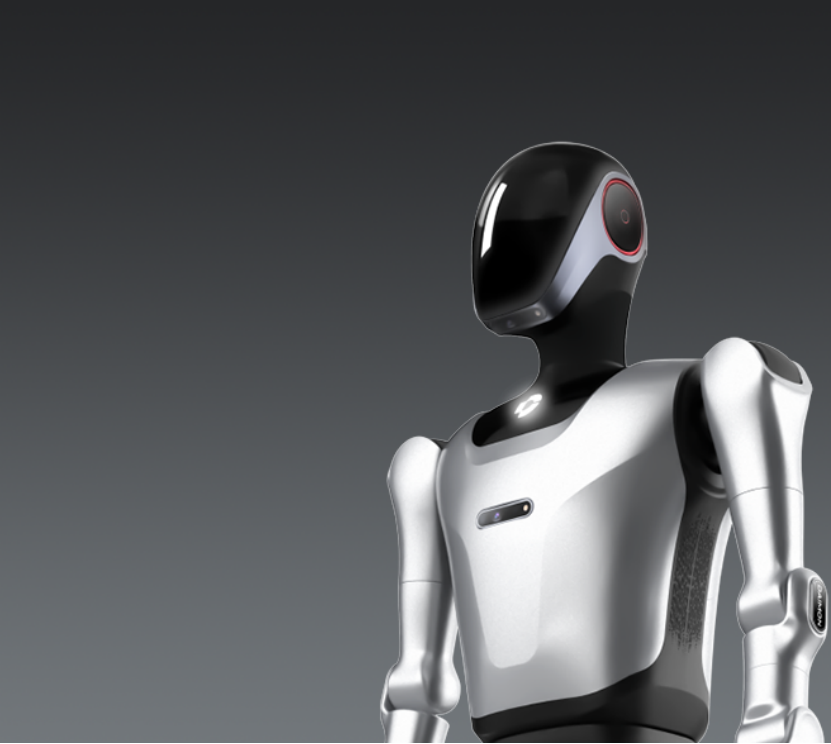
This capability significantly improves warehouse operations, including picking, packing, and sorting. Instead of relying on rigid programming, robots equipped with embodied intelligence adapt to different product shapes, packaging types, and layouts. This reduces errors, minimizes downtime, and enhances throughput, enabling supply chains to operate more efficiently and respond quickly to demand fluctuations.
Improving Accuracy and Reducing Human Dependency
Accuracy is critical in supply chain management, especially in industries dealing with high-value or fragile goods. Embodied intelligence allows robots to “feel” and “see” simultaneously, combining visual and tactile data to perform delicate tasks. An advanced embodied intelligence robot can handle precision operations such as component assembly or sensitive product handling, reducing the risk of damage.
By integrating multimodal data—visual, tactile, and contextual—these systems also improve decision-making accuracy. This reduces reliance on manual labor for complex tasks, addressing workforce shortages while maintaining consistent quality. Over time, businesses benefit from lower operational costs and improved reliability across the supply chain.
Enabling Adaptive and Scalable Supply Chain Systems
Modern supply chains must be agile and scalable to meet changing market conditions. Embodied intelligence plays a crucial role in enabling this adaptability. Through continuous learning and interaction with the environment, an embodied intelligence robot can refine its performance and handle new scenarios without extensive reprogramming.
For example, systems built on Vision-Tactile-Language-Action (VTLA) models can interpret instructions, perceive their surroundings, and execute tasks intelligently. This allows companies to scale operations more effectively, whether expanding warehouse capacity or introducing new product lines. The result is a more resilient and future-ready supply chain capable of handling complexity with ease.
Driving the Future of Intelligent Supply Chains
Supply chains are undergoing a fundamental transformation as embodied intelligence becomes more integrated into robotics and automation. From improving efficiency and accuracy to enabling adaptability, the impact of embodied intelligence is both broad and profound. Businesses that adopt these technologies early gain a competitive edge through smarter operations and enhanced productivity.
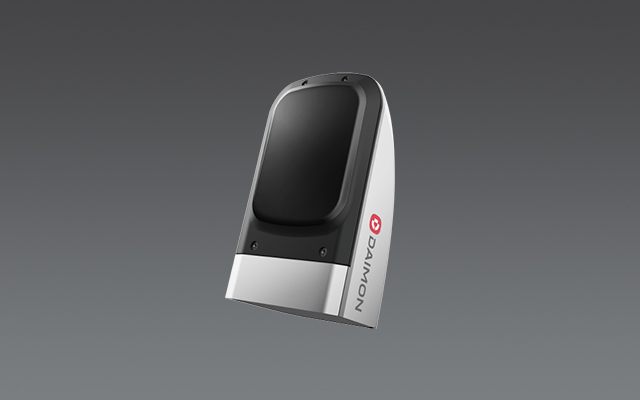
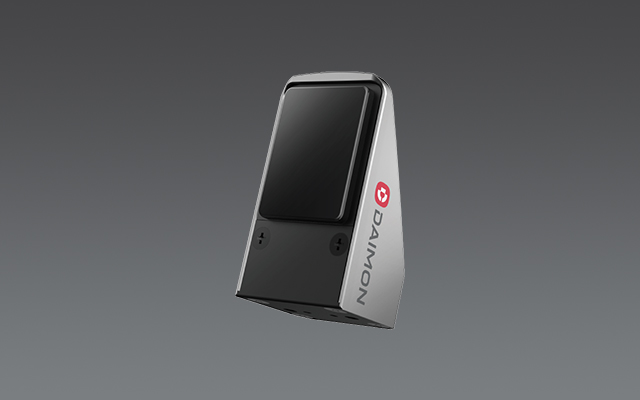
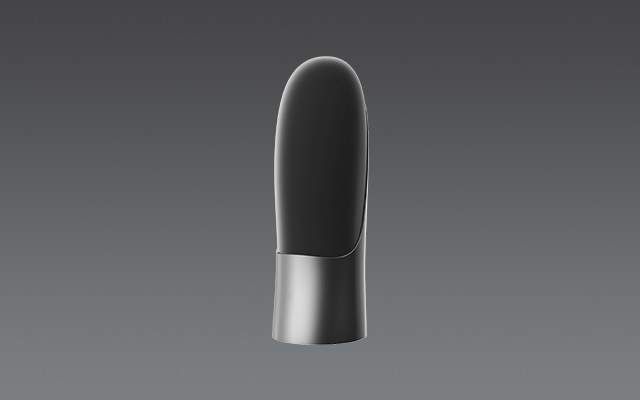
We at Daimon are committed to advancing this transformation. By developing high-resolution multimodal tactile sensing systems, flexible sensory data solutions, and cutting-edge VTLA-based manipulation models, we empower every embodied intelligence robot to achieve superior dexterity and performance. Partnering with us means embracing the future of intelligent, adaptive supply chains driven by true embodied intelligence.