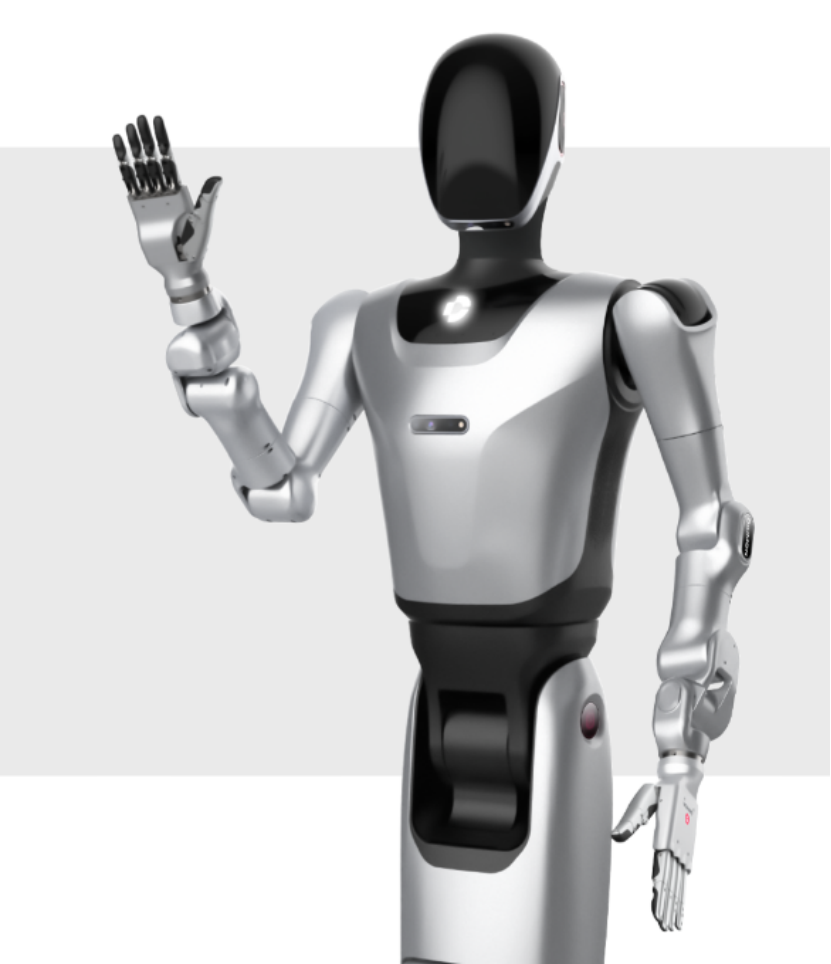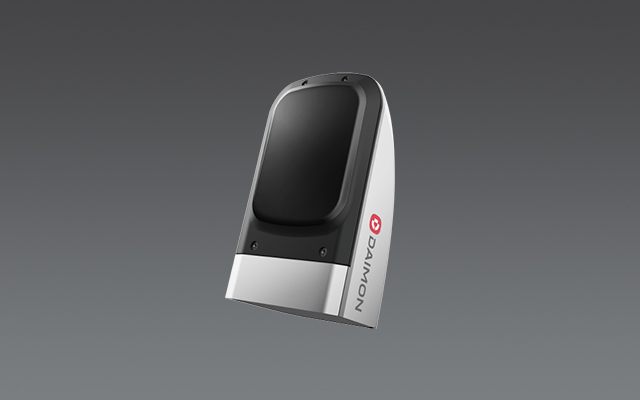
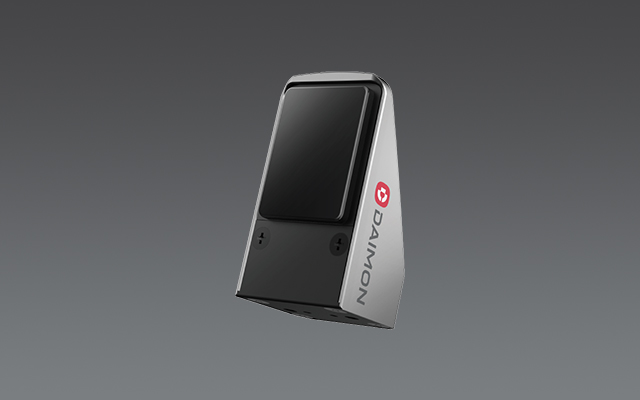
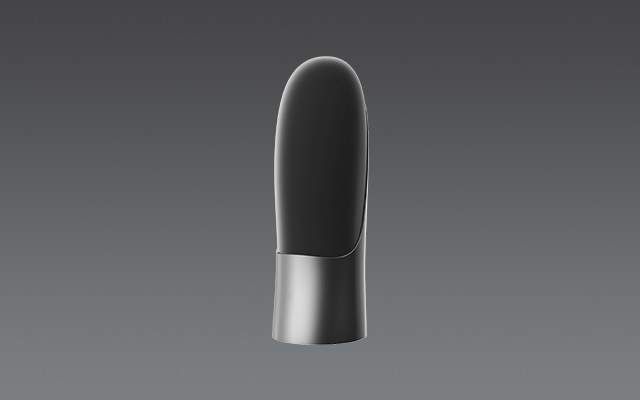
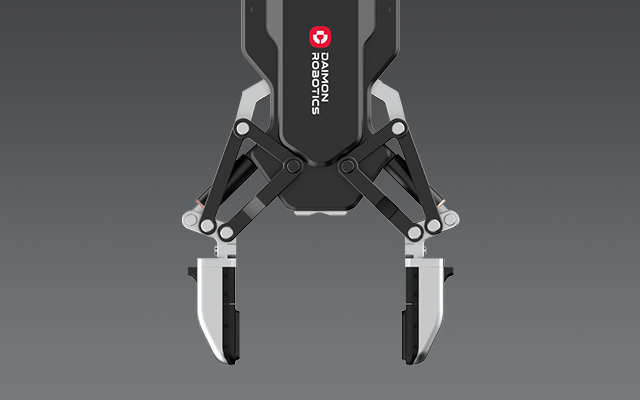
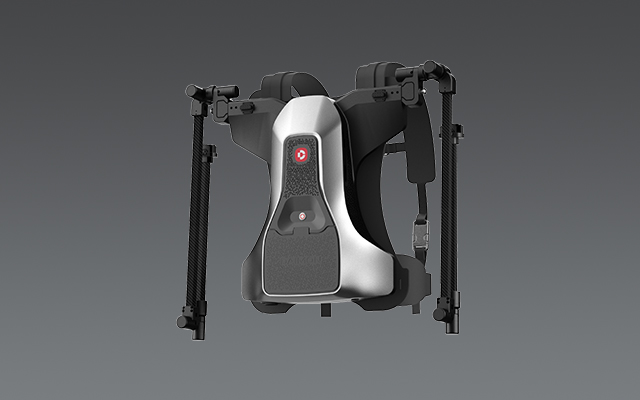
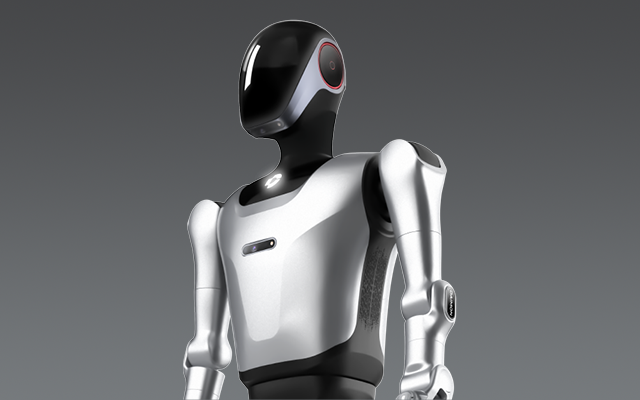






Reliable object manipulation remains a persistent challenge in robotics, especially when dealing with slippery, fragile, or irregularly shaped items. Traditional vision-only systems often struggle to detect subtle contact dynamics, while purely tactile approaches lack environmental context. We see visuotactile fusion as a transformative solution, combining the strengths of both sensing modalities to enhance embodied intelligence and significantly improve grasp stability.
Bridging the Gap Between Vision and Touch
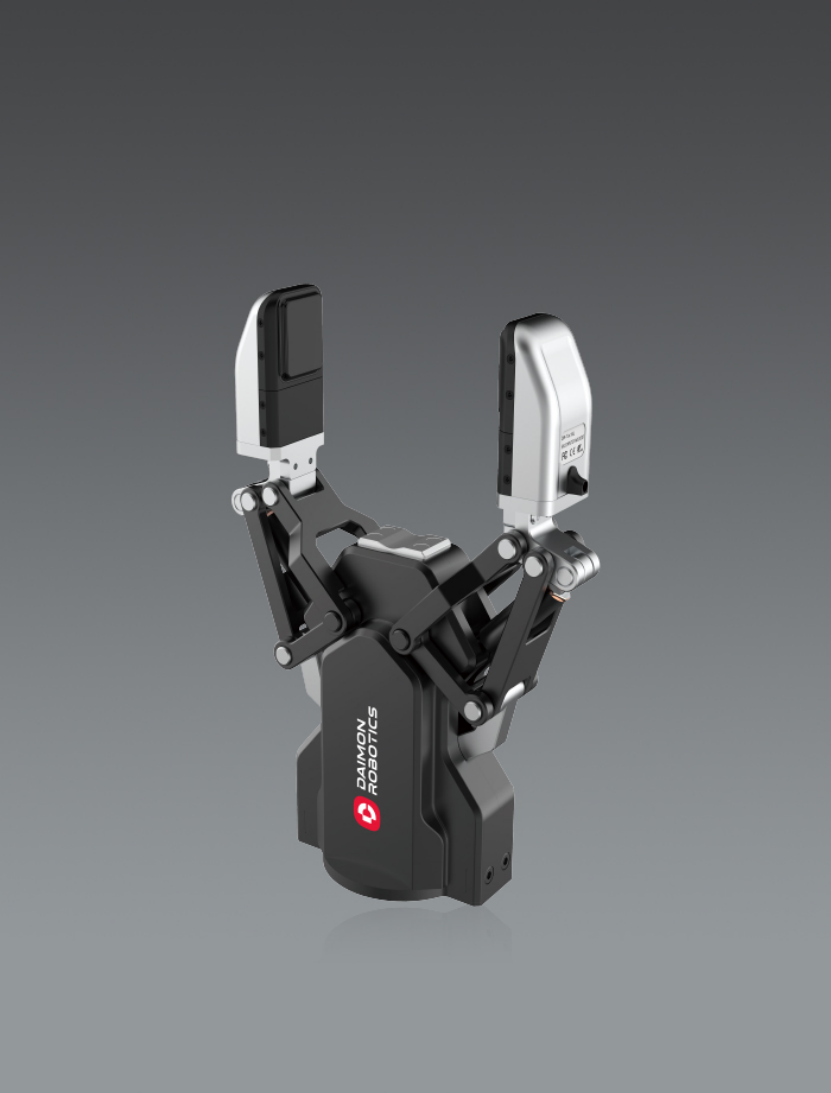
Visuotactile fusion integrates visual perception with tactile feedback, enabling robots to “see” and “feel” simultaneously. Visual systems identify object shape, position, and orientation, while tactile sensors capture real-time contact forces, texture, and micro-slippage. By merging these data streams, embodied intelligence systems gain a more comprehensive understanding of object interactions.
We leverage visuotactile data to detect early signs of slippage that vision alone cannot perceive. For example, when handling glossy or soft materials, slight shifts at the contact surface can lead to failure. Tactile sensing identifies these micro-movements instantly, allowing robotic hands to adjust grip force dynamically. This synergy is essential for applications requiring precision and reliability.
Enhancing Adaptive Grasping Through Embodied Intelligence
Embodied intelligence thrives on continuous feedback and learning. With visuotactile fusion, robotic systems can refine their grasping strategies in real time. Instead of relying on pre-programmed force thresholds, robots adapt based on sensory input, improving performance across diverse scenarios.
We apply advanced AI models to process visuotactile signals, enabling predictive adjustments before slippage occurs. This proactive capability is particularly valuable in intelligent manufacturing and logistics, where objects vary in size, weight, and surface properties. By incorporating visuotactile learning, robots develop a nuanced understanding of physical interactions, reducing error rates and increasing operational efficiency.
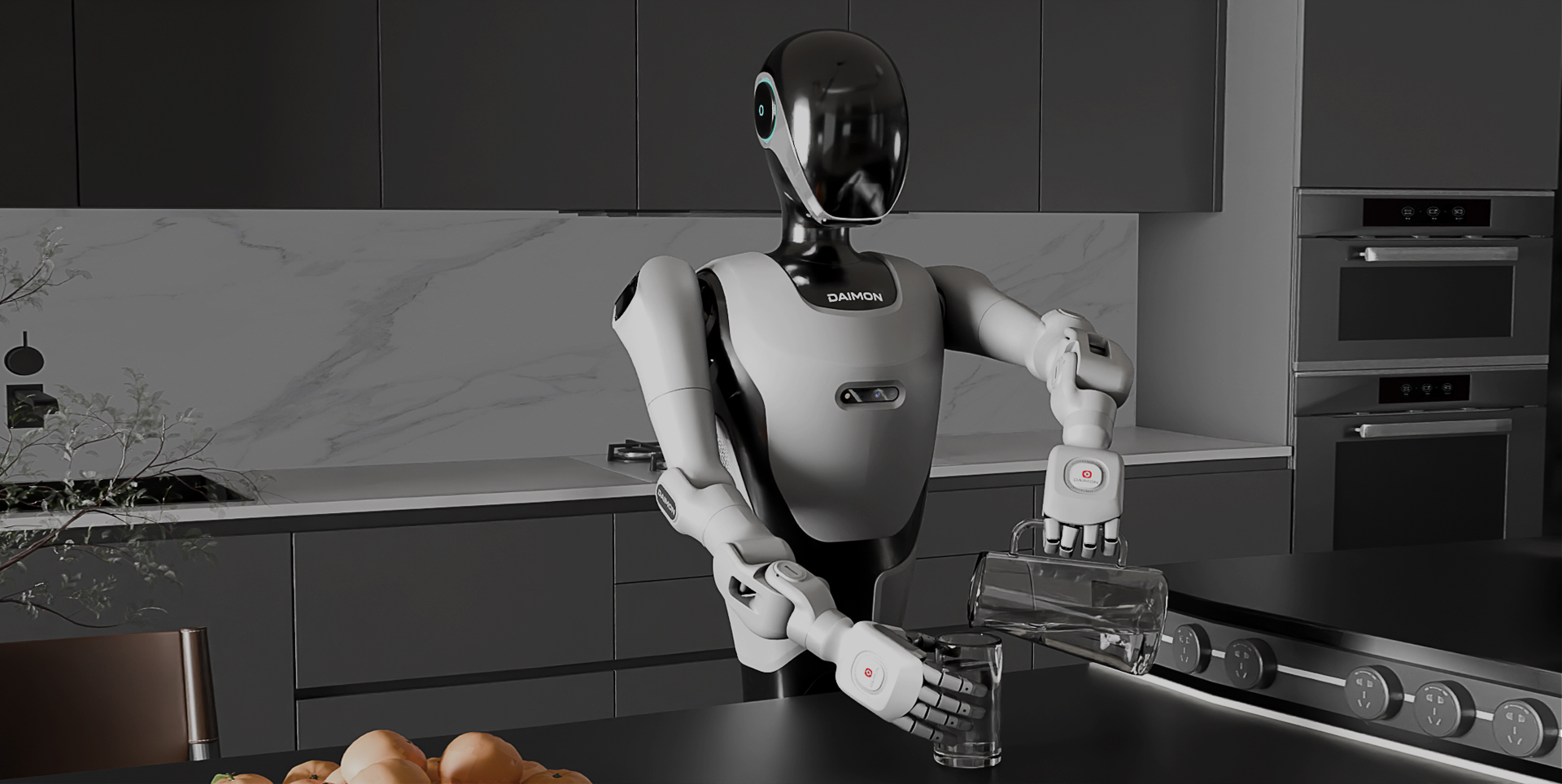
Moreover, visuotactile fusion supports dexterous manipulation tasks such as rotating, repositioning, or assembling components. These tasks demand precise coordination between vision and touch, reinforcing the importance of embodied intelligence in modern automation systems.
Real-World Applications Across Industries
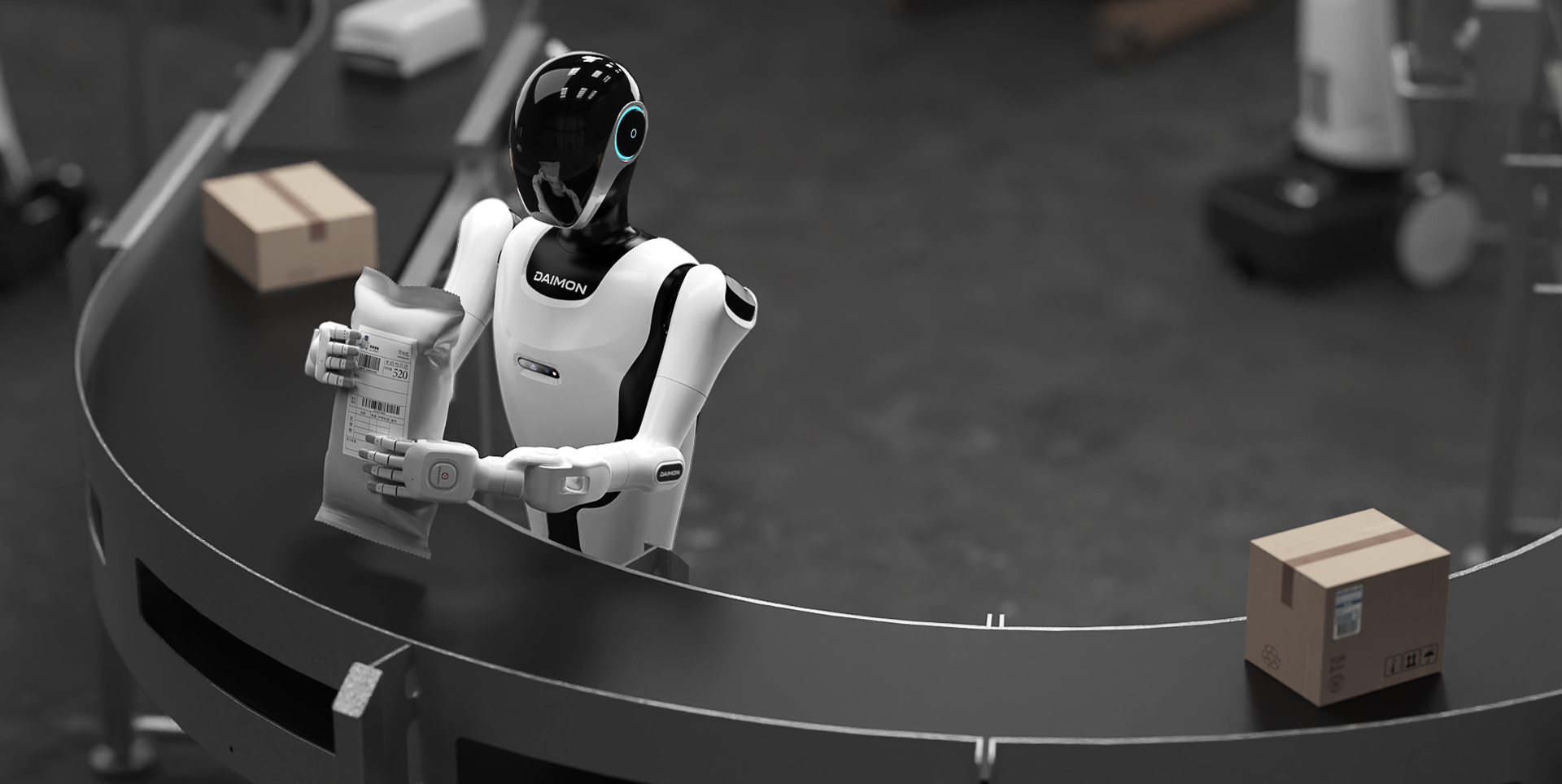
The impact of visuotactile fusion extends across multiple sectors. In intelligent logistics, robots equipped with visuotactile systems can handle packages with varying մակ surfaces without dropping or damaging them. In laboratory automation, delicate instruments and samples require controlled force and stable handling, which visuotactile sensing enables.
In intelligent manufacturing, where speed and accuracy are critical, visuotactile fusion reduces downtime caused by grasp failures. Robots can seamlessly transition between tasks involving rigid, soft, or slippery objects. These capabilities highlight how embodied intelligence, powered by visuotactile integration, is reshaping industrial automation.
Driving the Future of Stable Robotic Manipulation
As robotics continues to evolve, solving slippery grasping problems becomes essential for scalability and reliability. Visuotactile fusion provides the foundation for smarter, more adaptive systems that can operate in complex, real-world environments.
We at Daimon are committed to advancing high-resolution multimodal tactile sensing systems and integrating them with cutting-edge AI and robotic platforms. By developing Vision-Tactile-Language-Action (VTLA) models, we push the boundaries of embodied intelligence and visuotactile innovation. Our solutions empower industries such as intelligent logistics, manufacturing, and laboratory automation to achieve higher precision and efficiency. We invite partners and distributors to collaborate with Daimon as we shape the future of robotic manipulation through advanced visuotactile technologies.