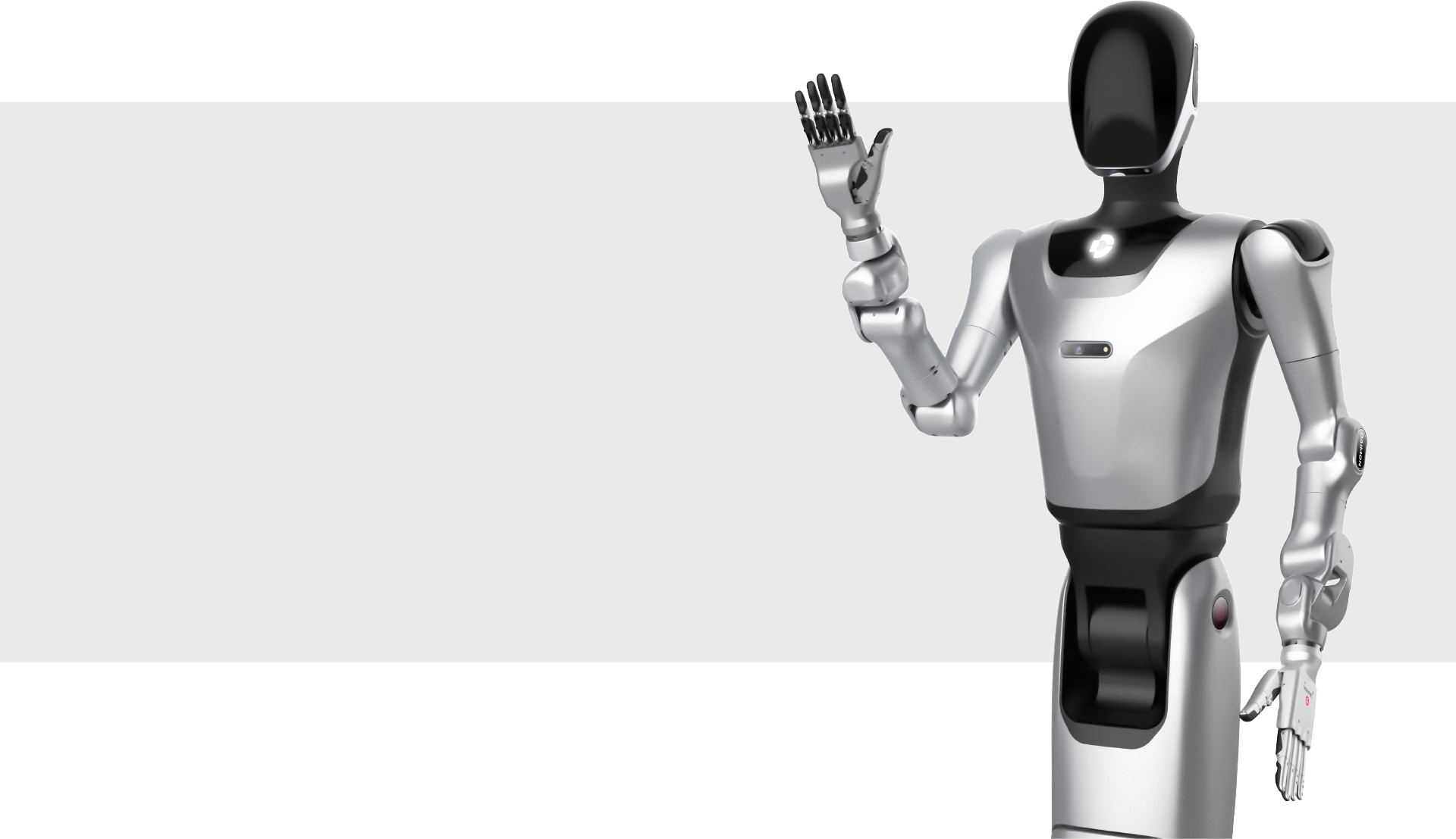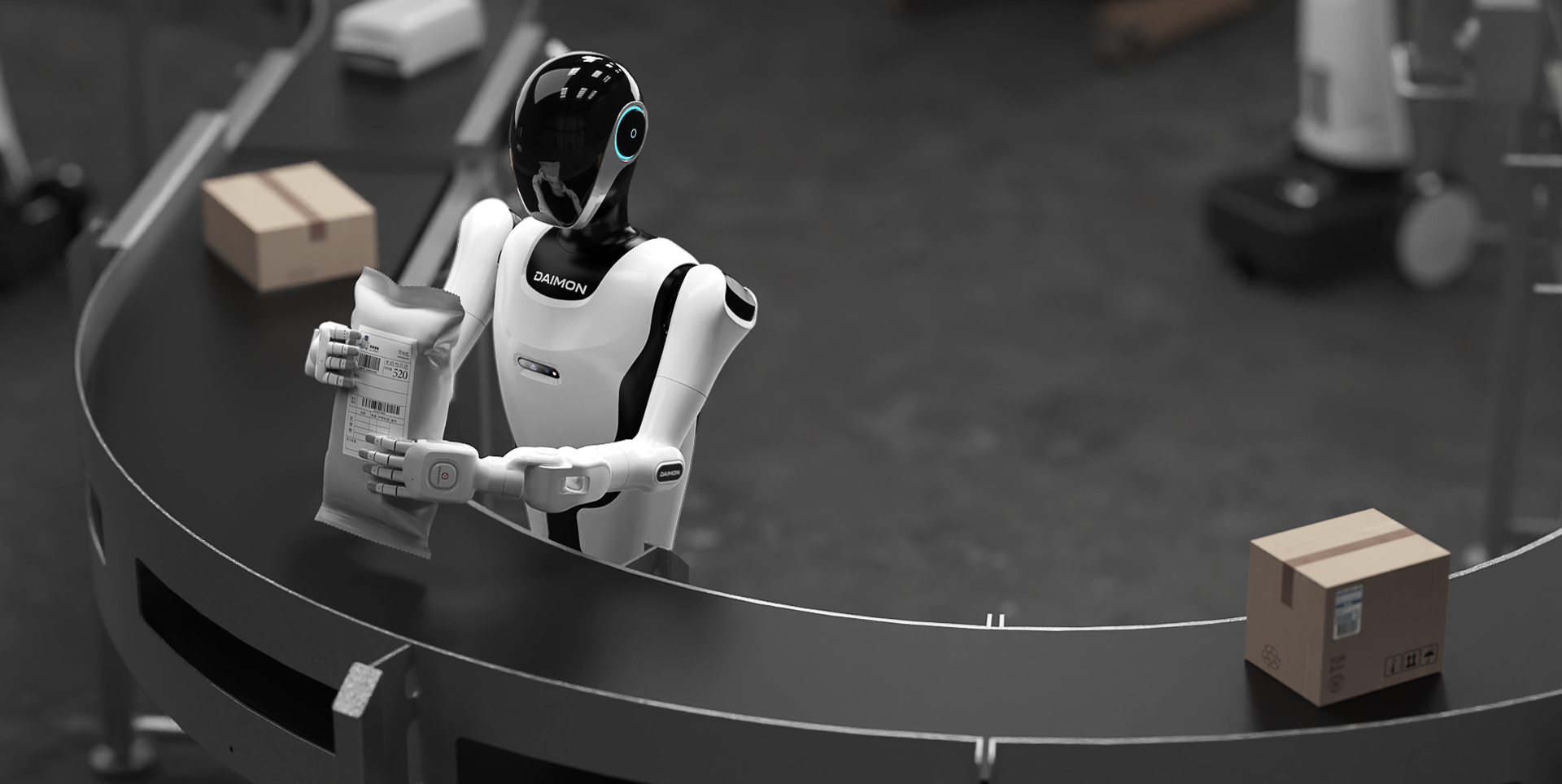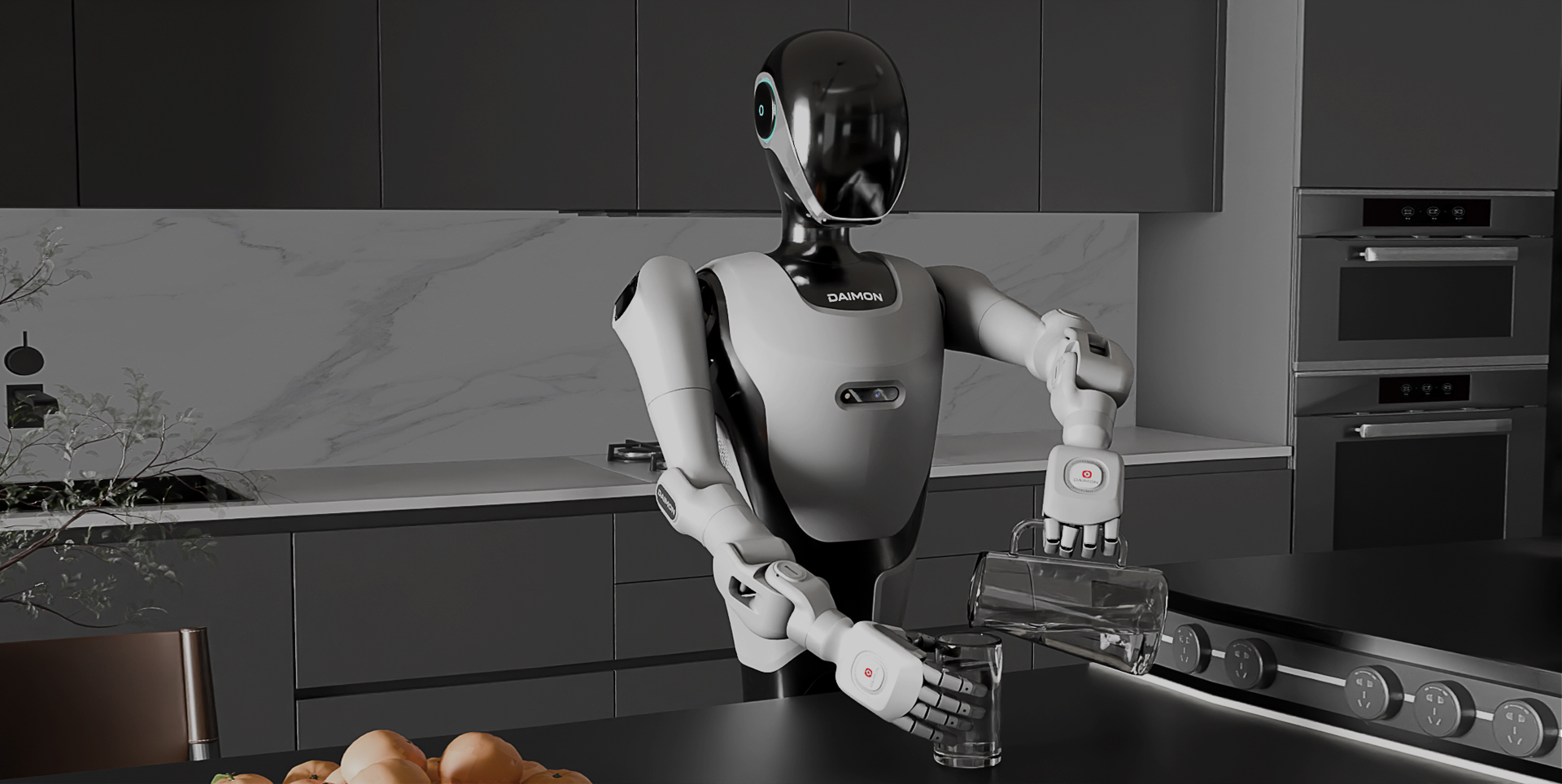






The rise of automation and robotics has introduced innovative ways to interact with machines, particularly through wearable technology. Wearable exoskeletons empower users to control robotic systems over long distances while enhancing their physical capabilities. This article explores how businesses can effectively utilize these wearable suits for remote robotic operations.
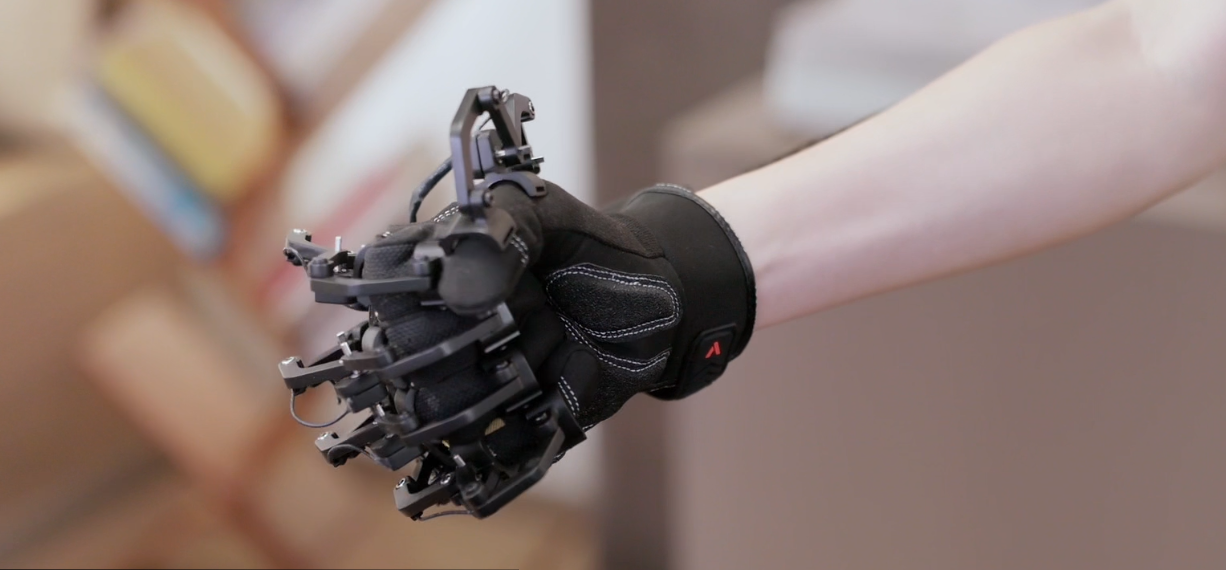
Understanding the Wearable Exoskeleton
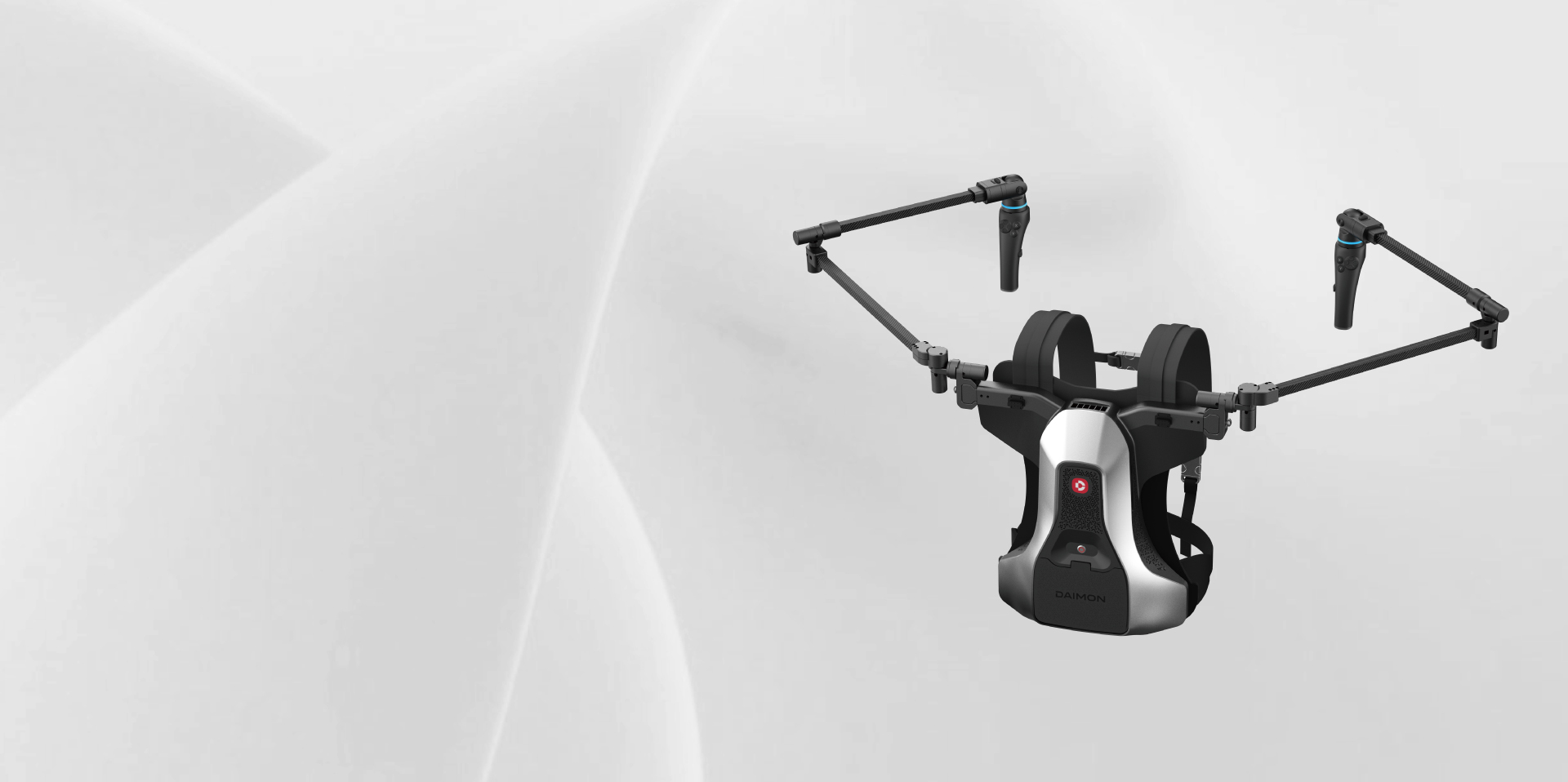
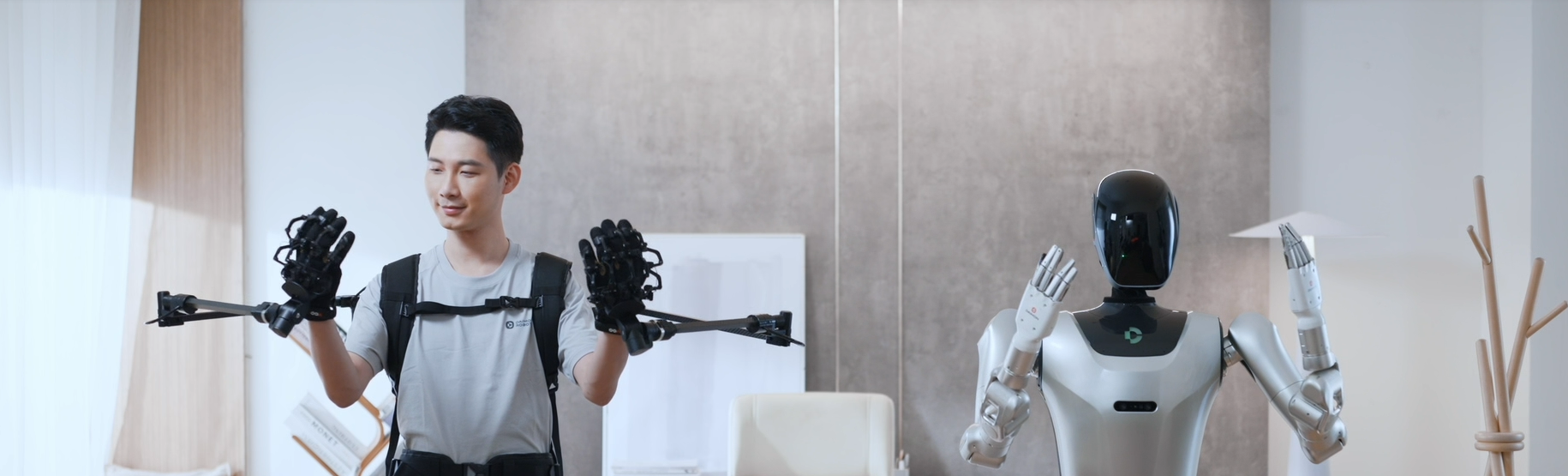
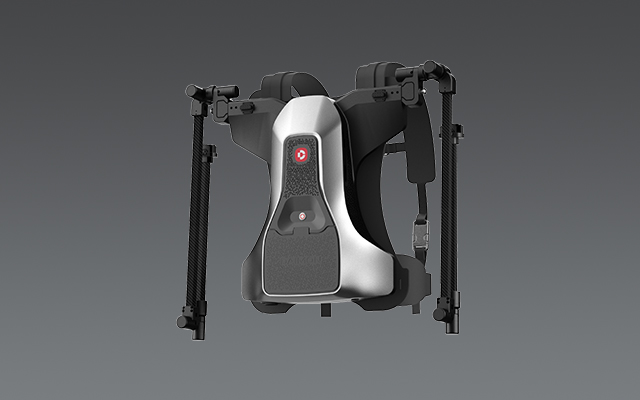
A wearable exoskeleton serves as an interface between the operator and teleoperated robots, enabling seamless control from a distance. These suits are designed with lightweight structures that emphasize ergonomics, making them comfortable for extended use. The easy-to-wear design ensures that operators can remain focused on their tasks without the distraction of cumbersome equipment.
Equipped with advanced sensors and actuators, wearable exoskeletons provide a high degree of freedom, allowing operators to perform complex movements accurately. This flexibility is crucial for applications ranging from remote surgery to industrial inspections, where precision is paramount. The ability to control robotic equipment remotely enhances safety by keeping operators away from hazardous environments while enabling them to carry out intricate tasks.
High Responsiveness and Real-Time Control
To maximize the effectiveness of long-distance robotic control, low latency and high response frequency are essential. The wearable exoskeletons from Daimon ffer real-time control capabilities with response frequencies of up to 1 kHz. This level of responsiveness ensures that operators receive immediate feedback from teleoperated robots, allowing for precise adjustments during operations.
The integration of remote control and data collection functions further enhances the overall user experience. Operators can monitor the performance of robots in real-time, enabling data-driven decisions while controlling tasks remotely. This feature is particularly important in fields such as disaster response and exploration, where rapid adjustments and accurate information can significantly influence outcomes.
Practical Applications and Future Prospects
The use of wearable exoskeletons is gaining traction across various industries. From logistics and manufacturing to healthcare and military applications, organizations are discovering the benefits of remote robotic control. By implementing a wearable suit, businesses can enhance operational efficiency, reduce labor costs, and ensure worker safety.
As industries continue to adopt automation, the potential for wearable suits in robotic control will only expand. Companies that invest in these technologies position themselves to lead in innovation and operational excellence.
At Daimon, we are dedicated to delivering cutting-edge solutions in wearable teleoperation systems. NuExo, as our partner, has worked together with us to overcome technical challenges. Our technology empowers operators with lightweight, flexible, and highly accurate means of controlling teleoperated robots. As the demands of various industries evolve, we aim to equip our clients with the tools they need to succeed in this dynamic landscape. Embracing wearable exoskeletons for long-distance robotic control is not just a trend; it’s the future of efficient operations.