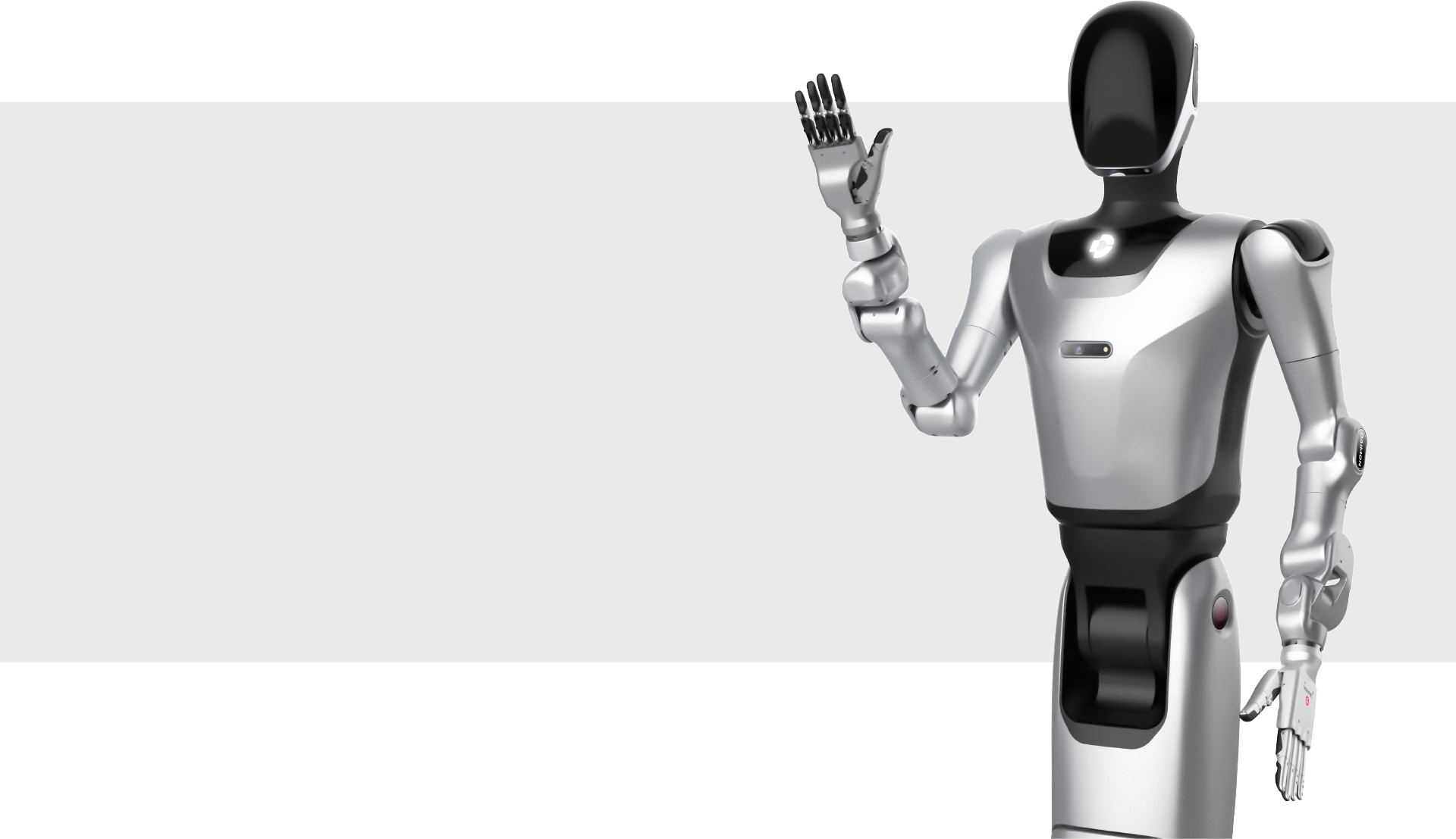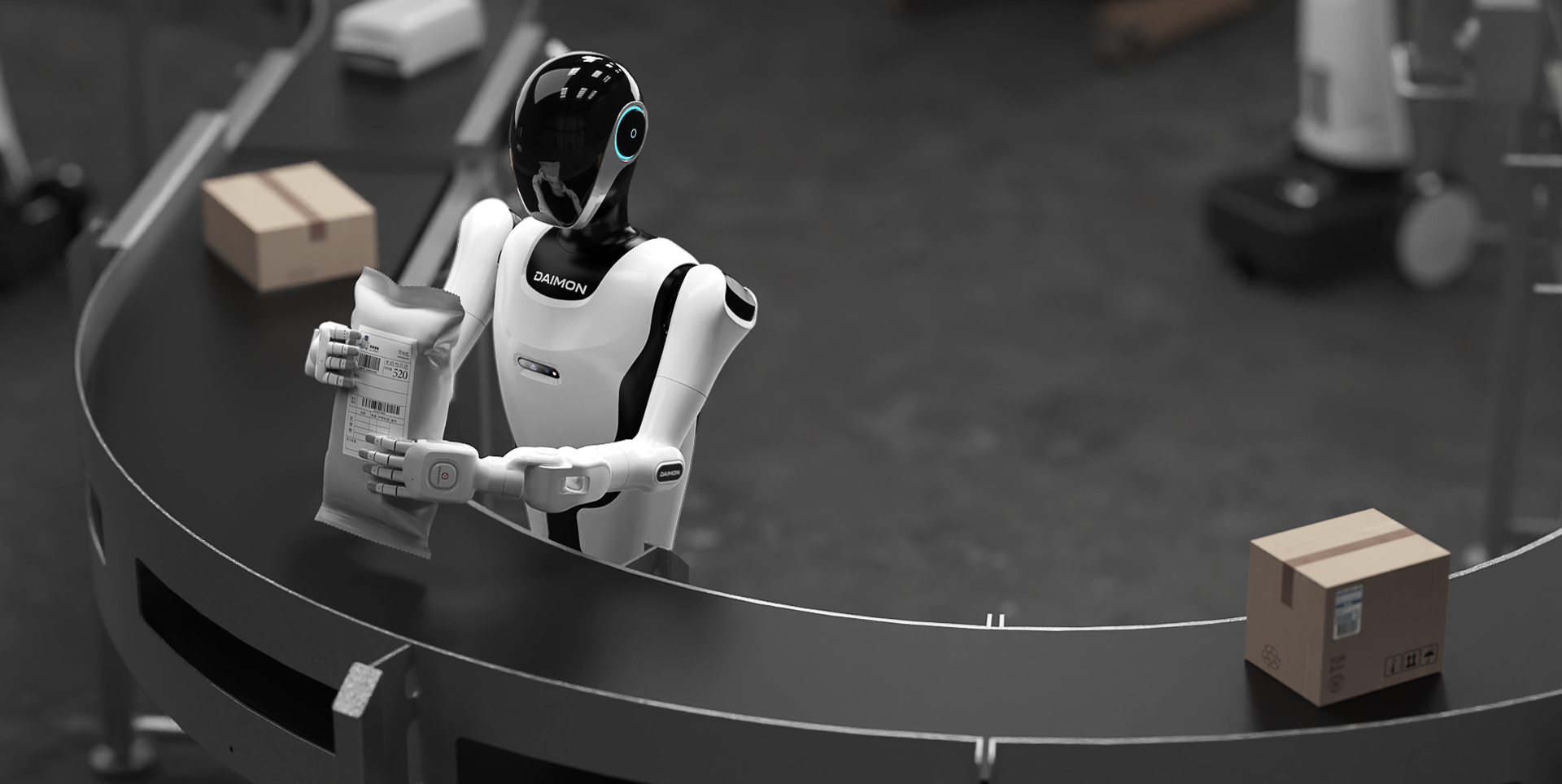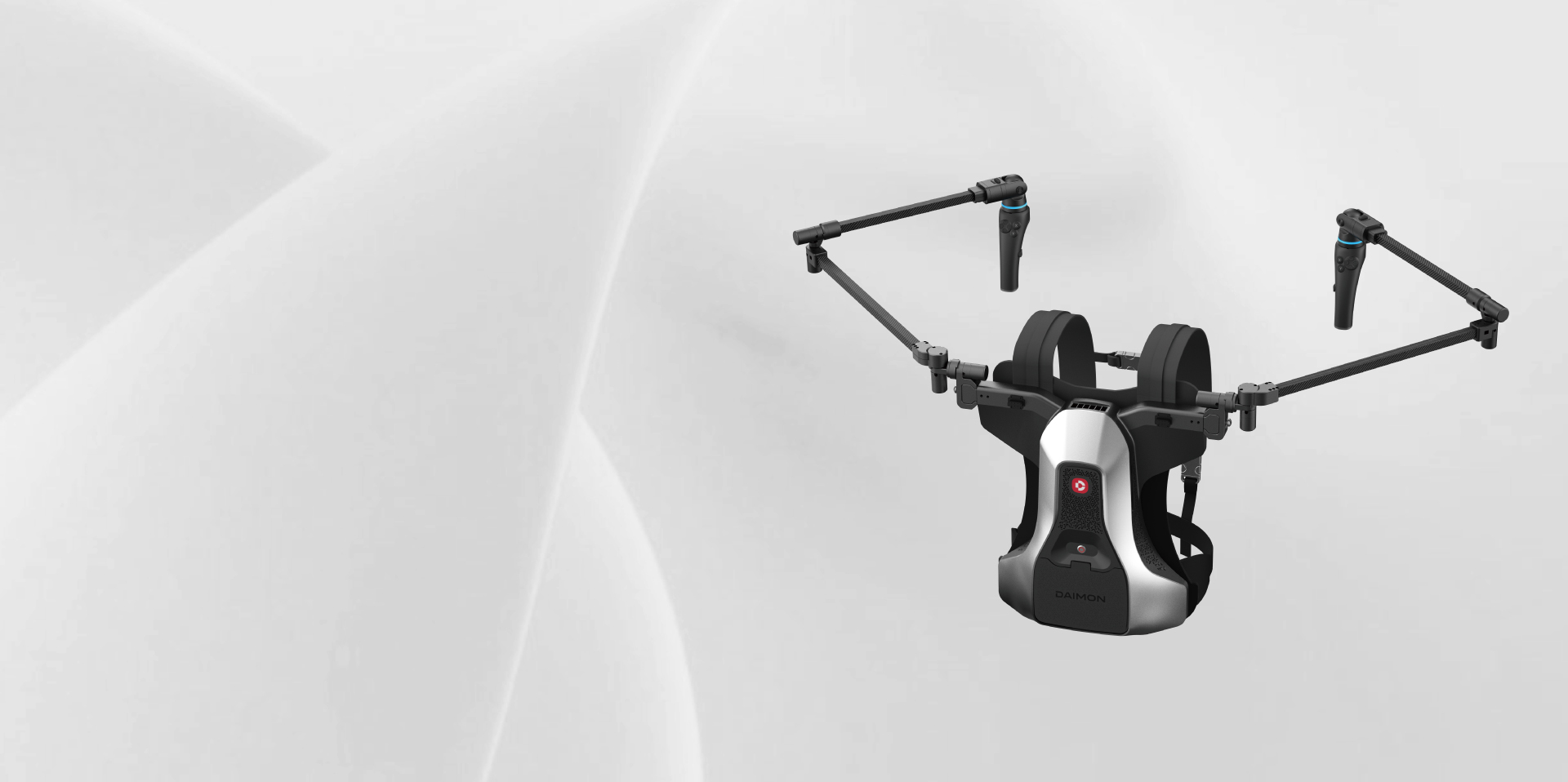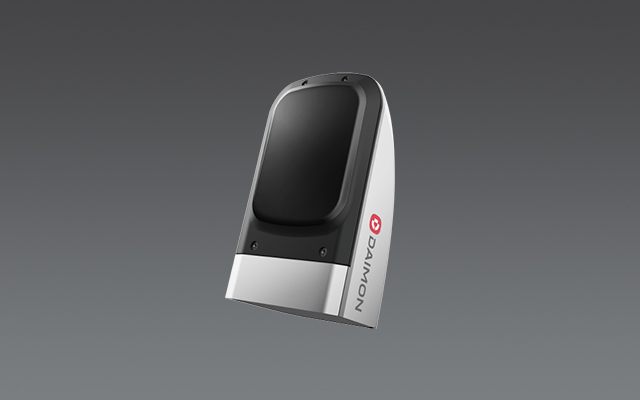
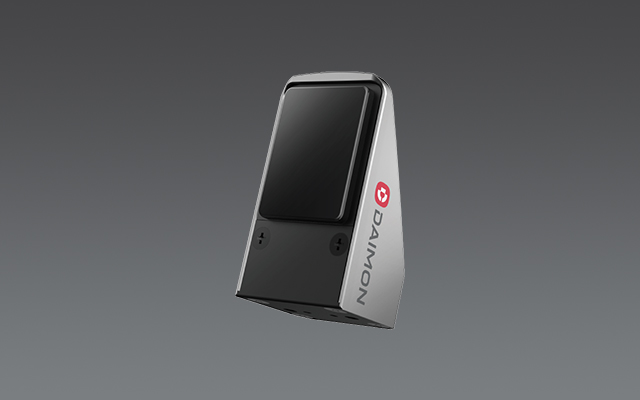
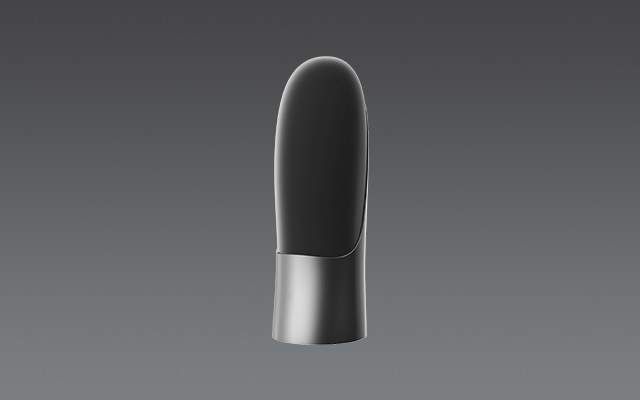
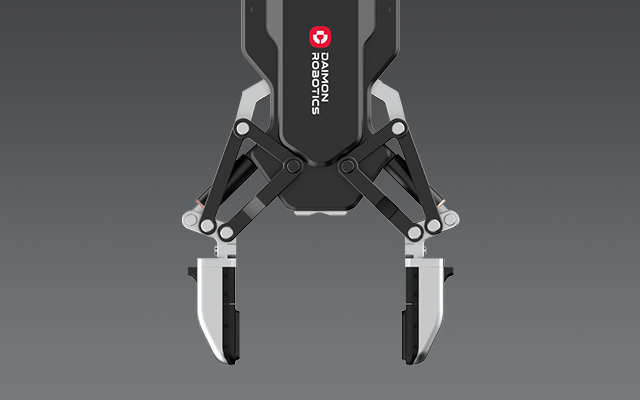
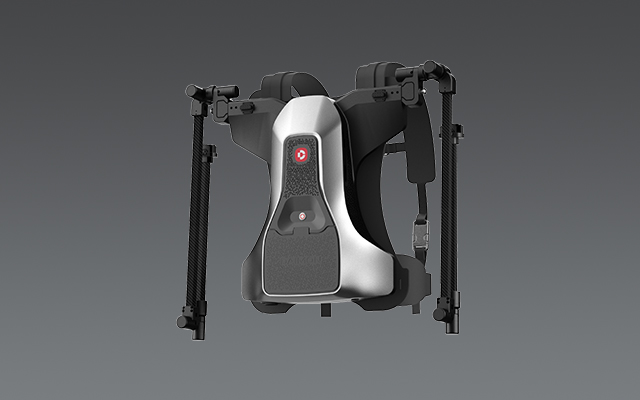
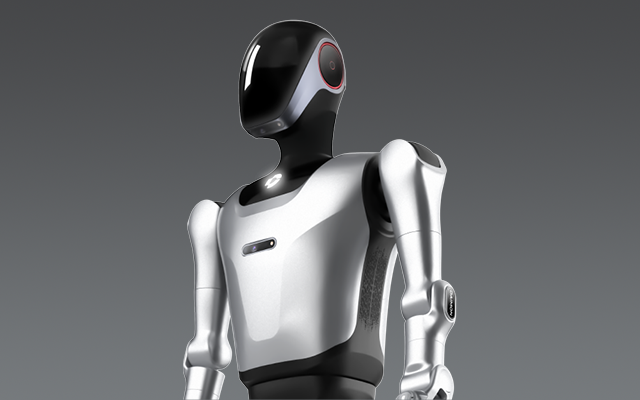






Embodied perception is a pivotal concept in the field of embodied artificial intelligence, allowing robots to interact intelligently with their environments. By enhancing sensory input and processing capabilities, AI empowers robots to understand and respond to tactile and visual stimuli more effectively. Companies like Daimon are at the forefront of this evolution, developing cutting-edge tactile solutions that enable robots to perform complex tasks in everyday settings.
Understanding Embodied Artificial Intelligence
Embodied artificial intelligence refers to the integration of sensory perception and action within a physical context. Unlike traditional AI systems that operate in isolation, embodied AI combines cognitive processes with sensory data, allowing robots to perceive the world as humans do. This approach is essential for enabling robots to perform tasks that require a deep understanding of their surroundings.
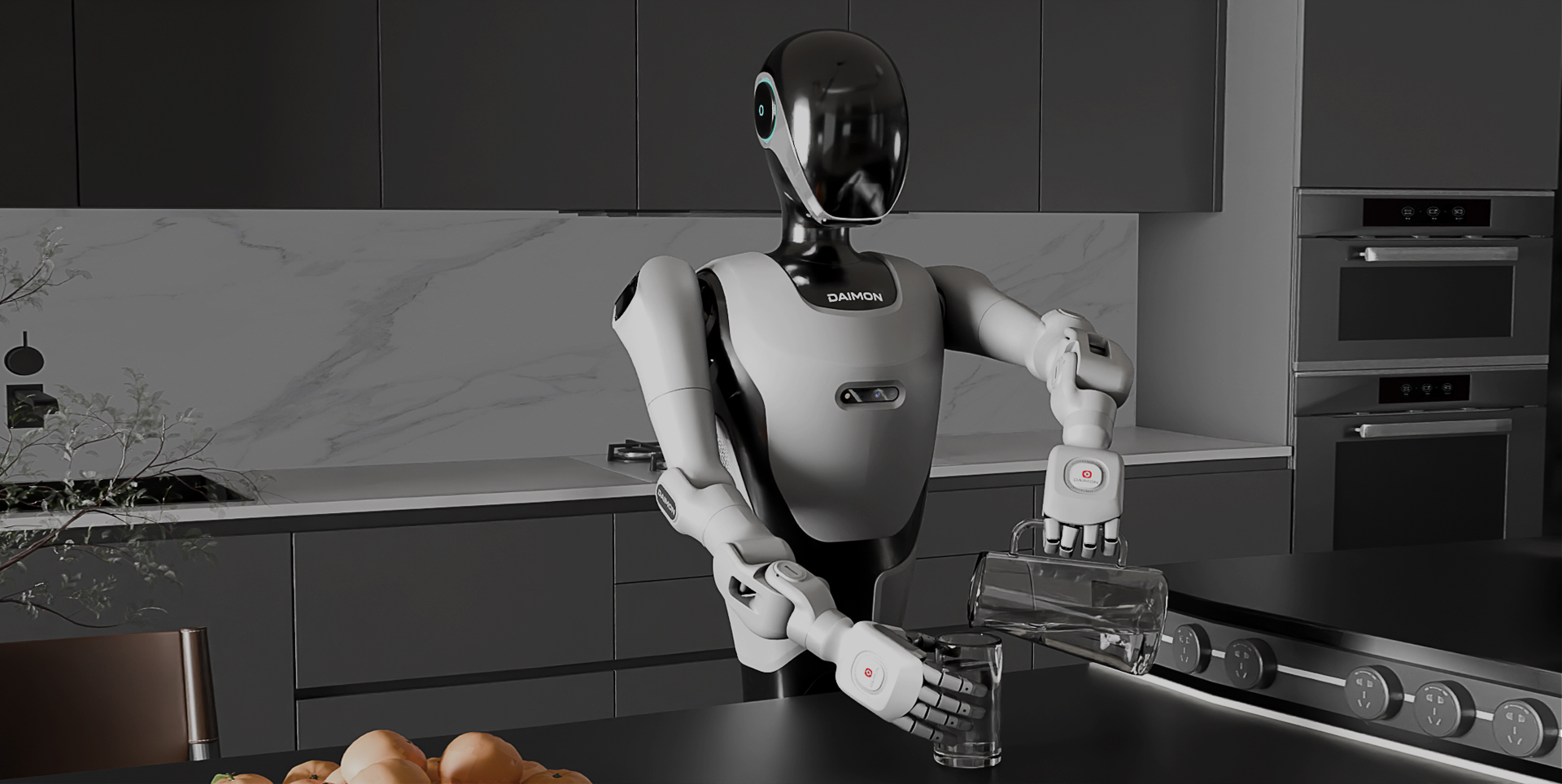
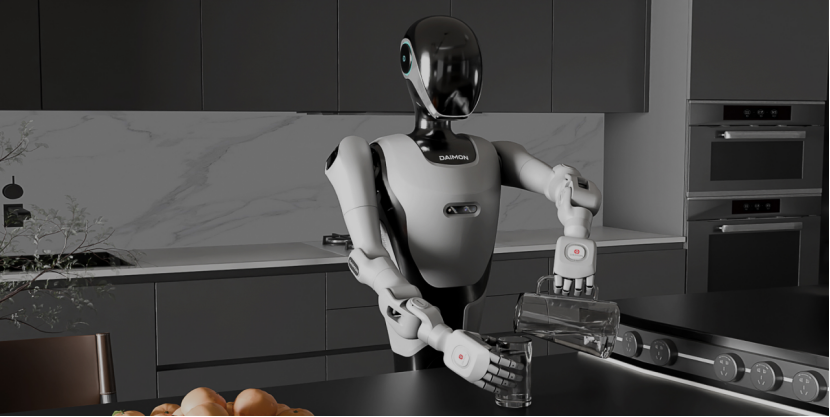
For example, Daimon employs the Vision Tactile Language Action (VTLA) model, allowing robots to engage in complex household chores such as washing dishes and wiping windows. By leveraging embodied artificial intelligence, these robots can make decisions based on real-time sensory feedback, reflecting a more nuanced understanding of their environment.
The Role of Tactile Sensing in Empowering Perception
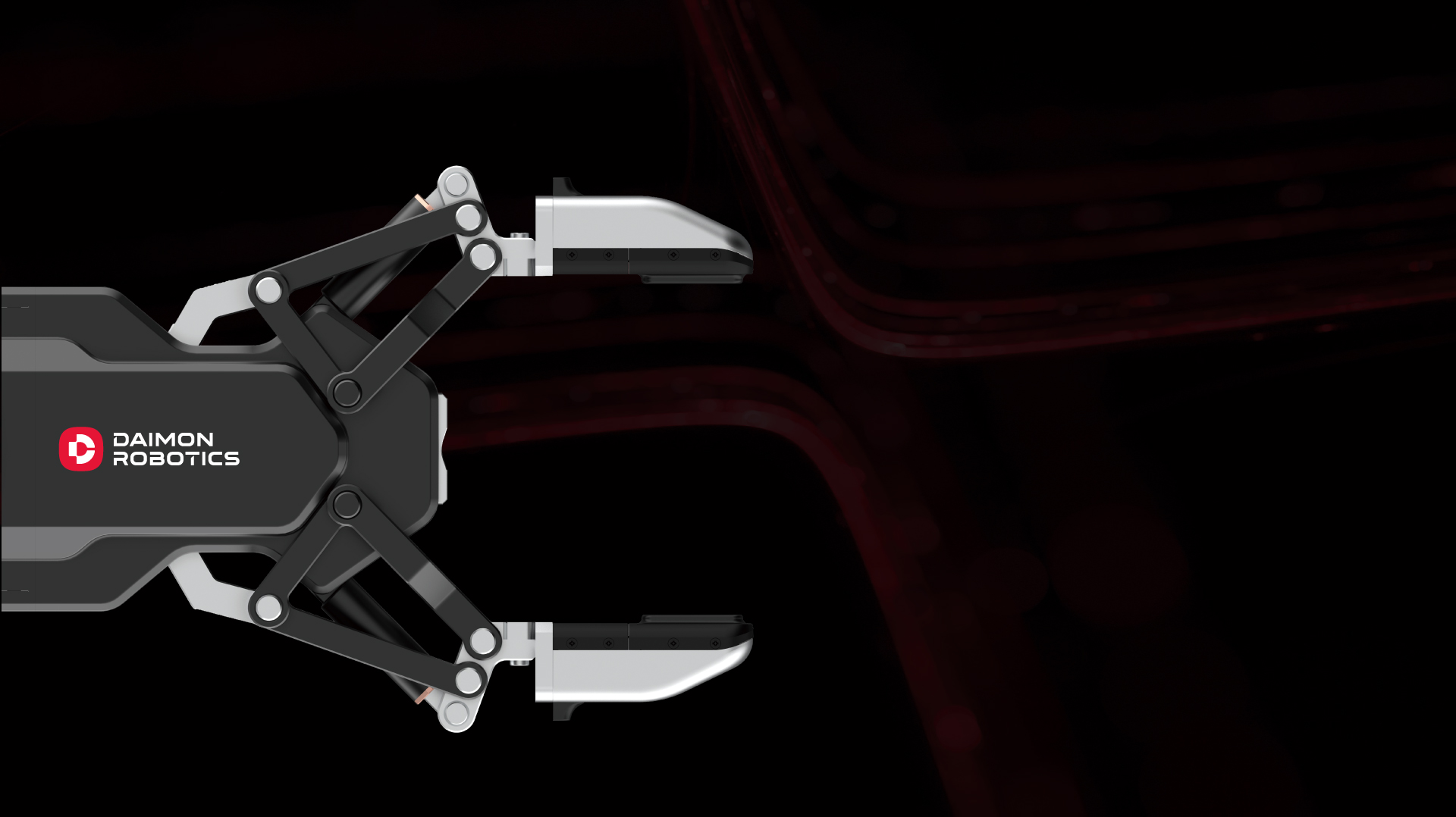
Tactile sensing is a crucial component of embodied artificial intelligence, providing robots with the ability to feel and interpret physical interactions with objects. Advanced tactile solutions developed by Daimon enhance robots' capabilities to recognize the texture, shape, and material properties of various items.
This sensory input is vital for developing adaptive behaviors. For instance, when a robot equipped with tactile sensors grips a fragile object, it can detect how much force is necessary to prevent damage. This level of responsiveness is made possible through the integration of tactile information into the robot's decision-making processes, empowering it to act appropriately in dynamic situations.
The incorporation of tactile sensing into embodied artificial intelligence ultimately leads to more efficient and reliable robotic systems, capable of performing intricate tasks with greater accuracy.
Applications of Embodied Artificial Intelligence in Robotics
The applications of embodied artificial intelligence are vast, particularly in service-oriented roles. By utilizing the Daimon One multimodal model, robots equipped with embodied AI can effectively carry out various chores in domestic environments. The ability to interpret visual and tactile data in real time allows these robots to navigate spaces, avoid obstacles, and interact safely with humans and objects.
From healthcare support to home assistance, embodied artificial intelligence is revolutionizing how robots operate in society. In healthcare, for instance, robots can assist with patient care, leveraging tactile sensing to monitor vital signs while providing a comforting presence. In retail and hospitality, they can interact with customers, offering personalized services based on real-time feedback.
These applications illustrate how embodied artificial intelligence empowers robots to make closed-loop decisions, enhancing their efficiency and effectiveness in diverse settings.
The Transformative Impact of AI on Robotics
In summary, artificial intelligence significantly enhances embodied perception, enabling robots to understand and react to their environments with greater sophistication. Through advanced tactile solutions and models like VTLA, Daimon exemplifies how embodied artificial intelligence can lead to practical, transformative applications in everyday life.
As robots become increasingly capable of autonomous decision-making and complex interactions, we can anticipate a future where embodied AI systems play integral roles in various industries, from home services to healthcare and beyond. The continued evolution of embodied artificial intelligence will not only improve the functionality of robots but also shape the way we coexist with these intelligent systems, paving the way for innovative solutions that enhance our daily lives.