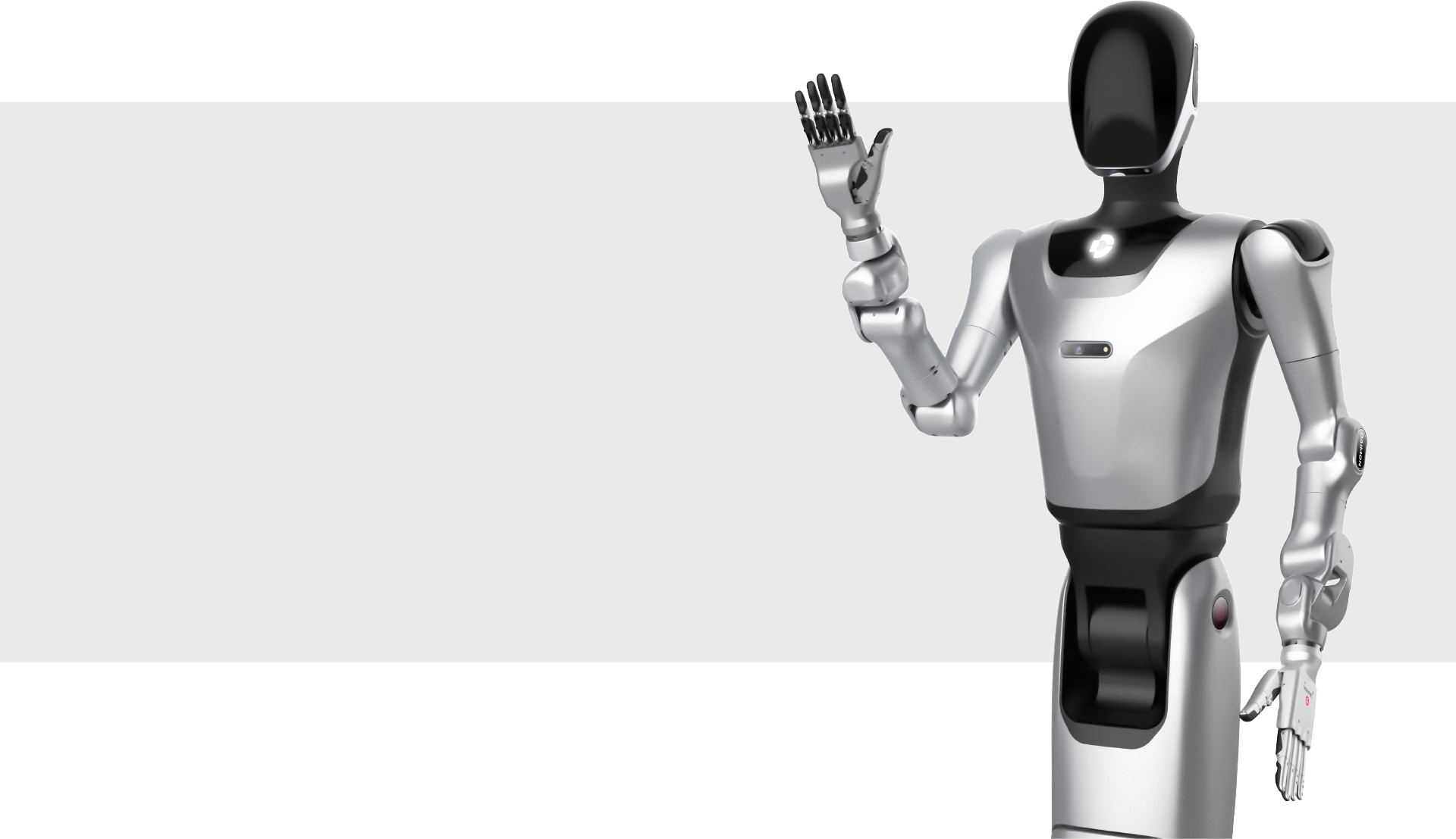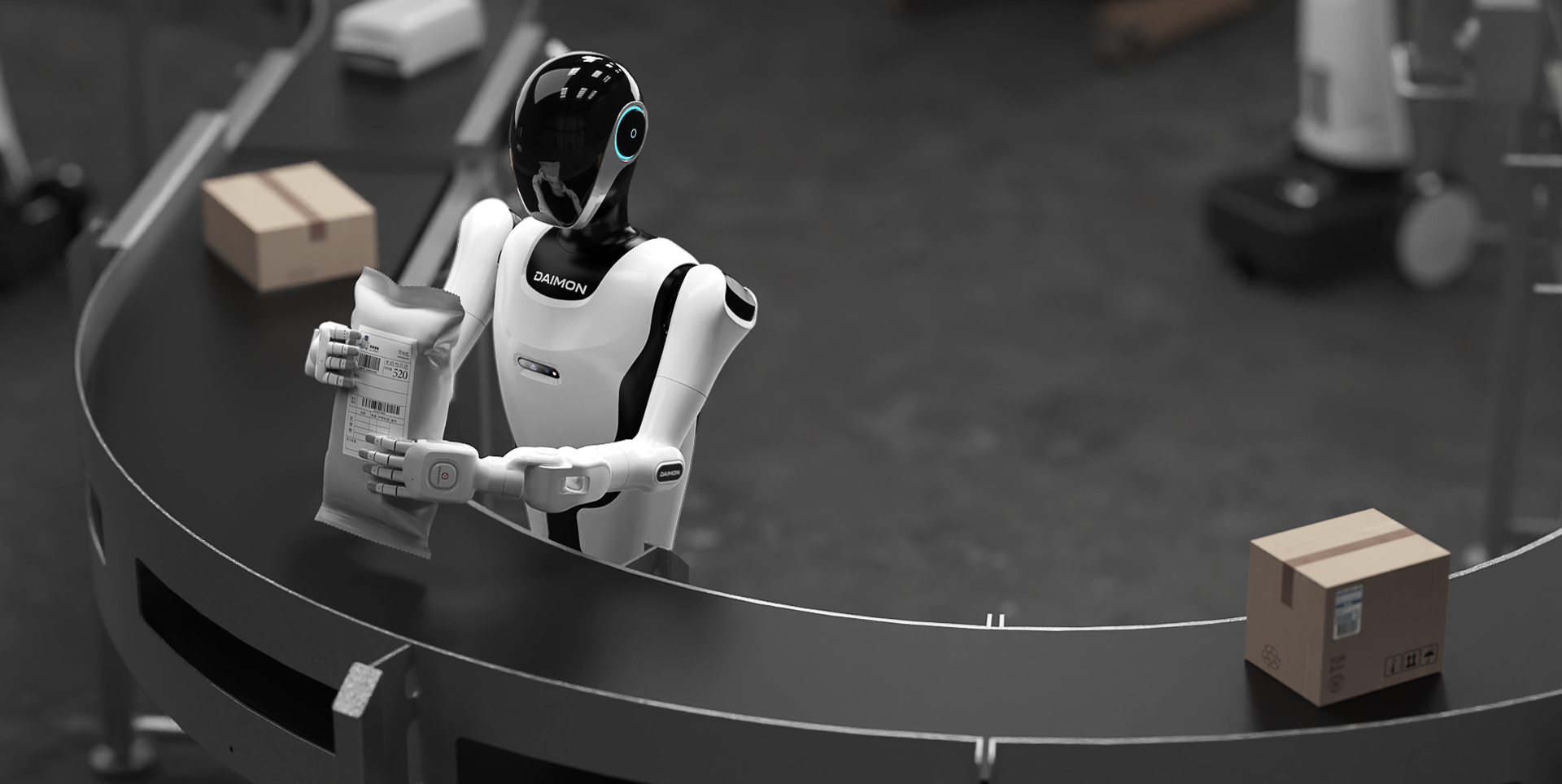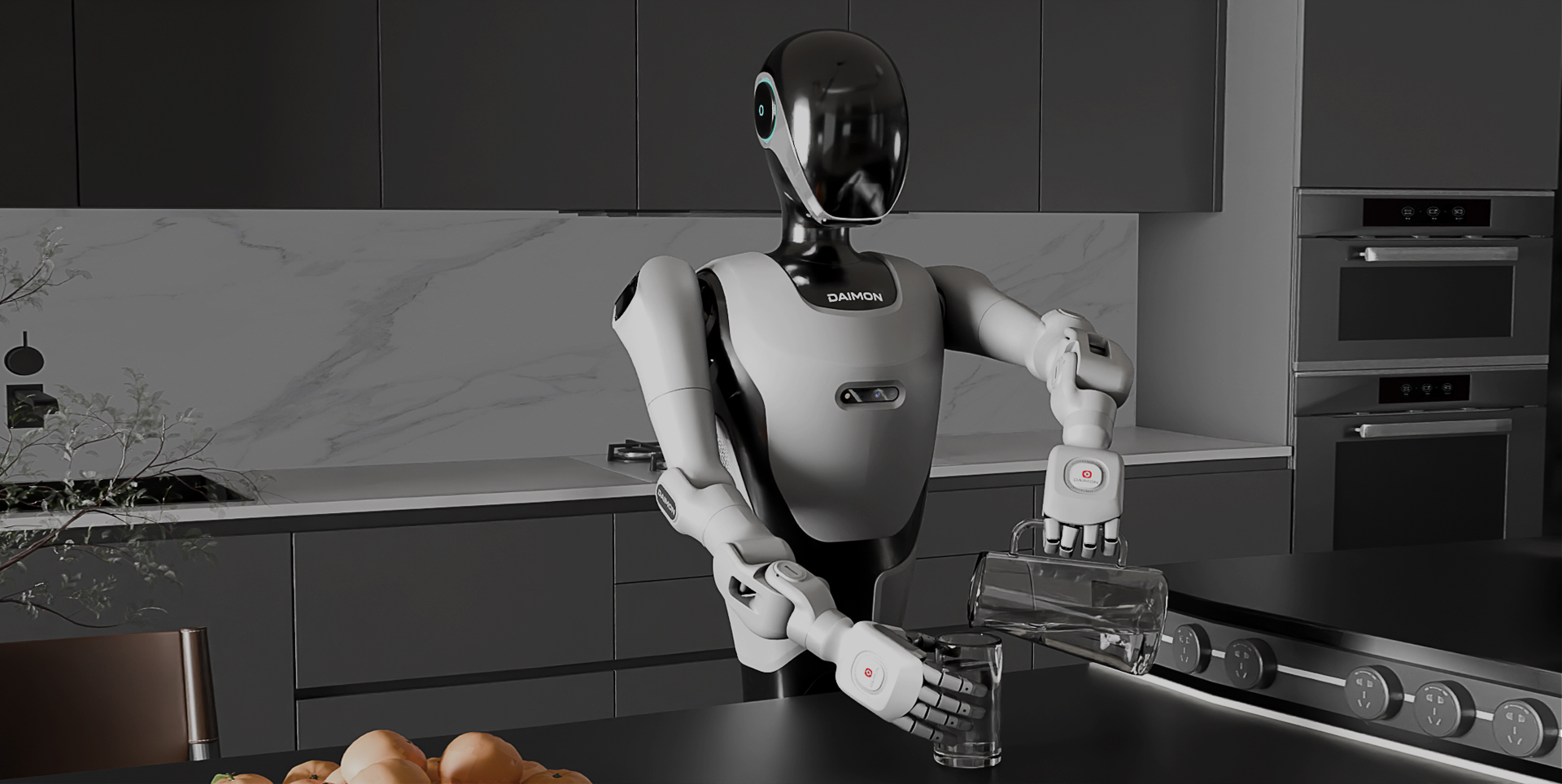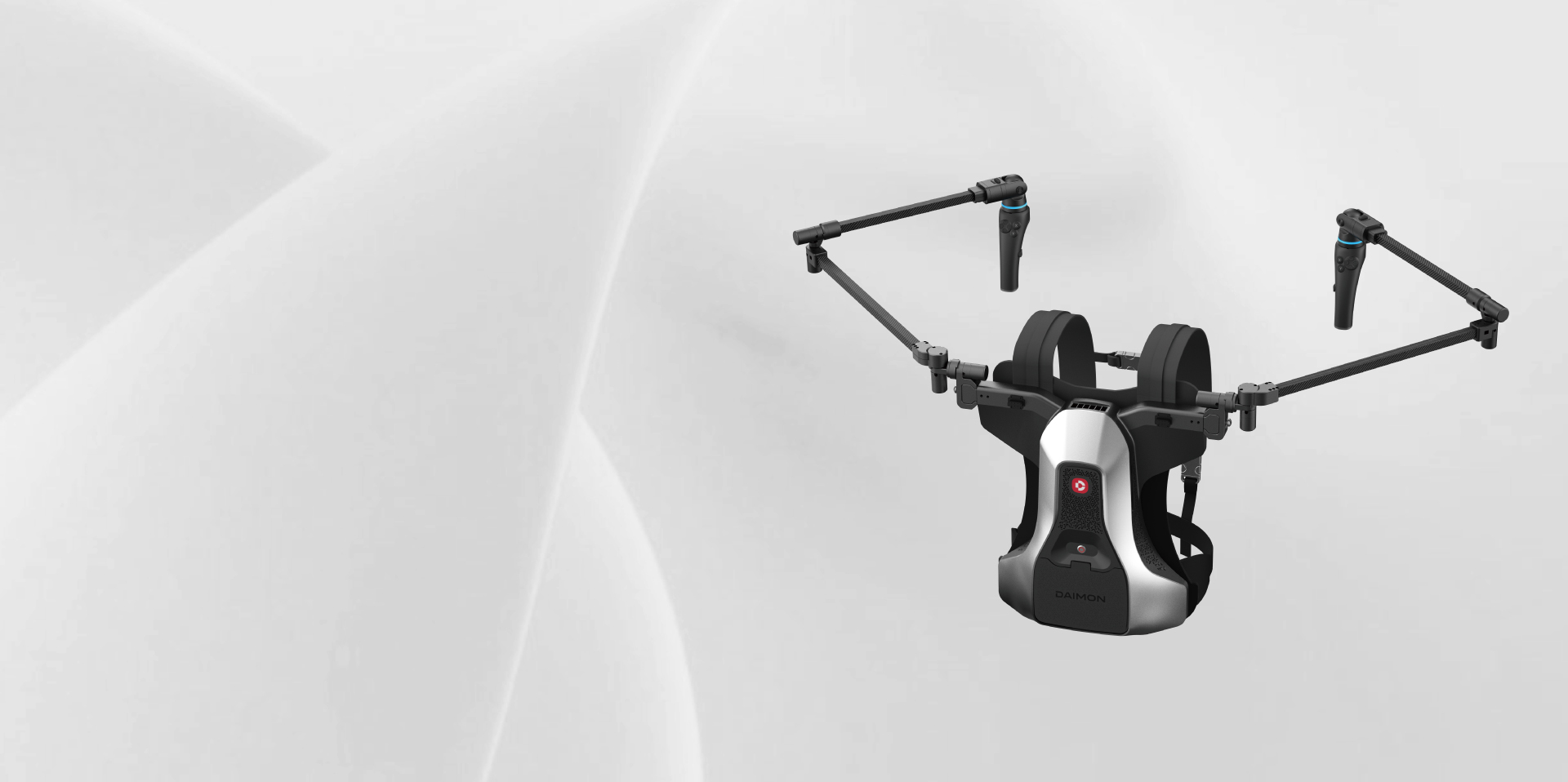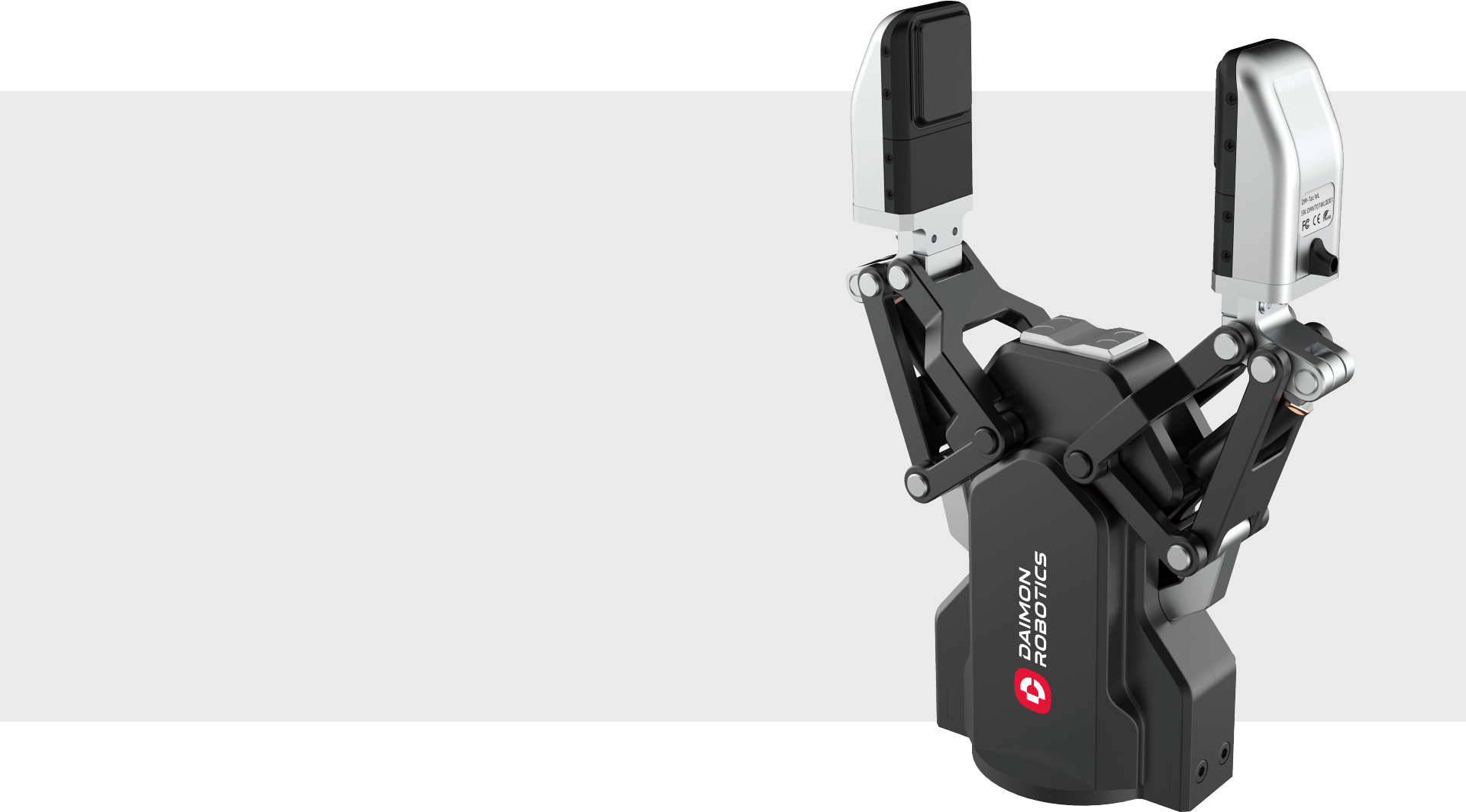
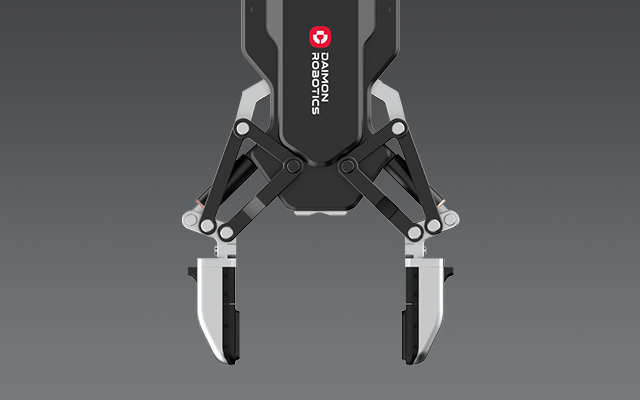
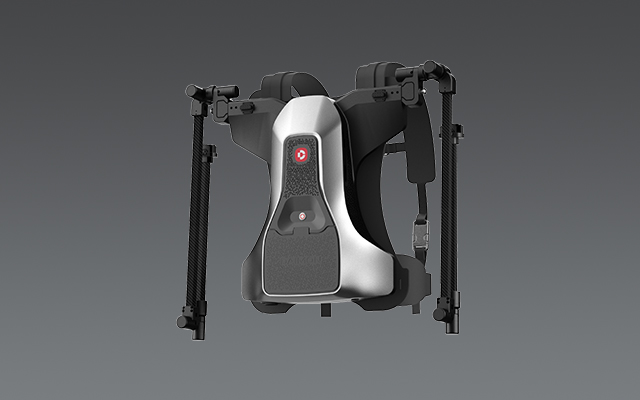
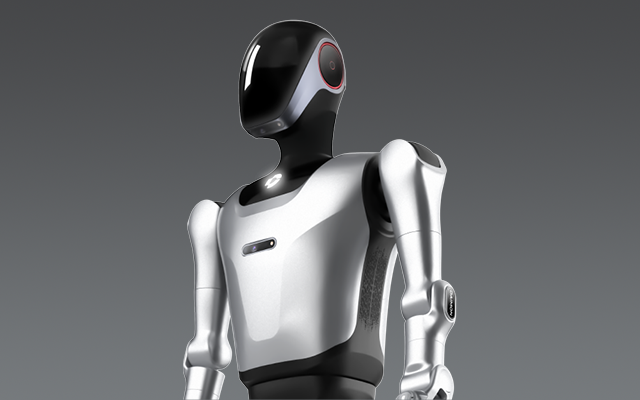






In today's rapidly evolving technological landscape, embodied intelligence is emerging as a cornerstone for enhancing the capabilities of robots in real-world applications. For companies like Daimon, a leader among robotics and AI companies, this concept signifies the integration of sensory feedback with physical action, allowing machines to perform complex tasks effectively. This article explores why embodied intelligence is essential for practical applications, particularly in environments like smart laboratories and home services.
Enhancing Precision in Complex Tasks
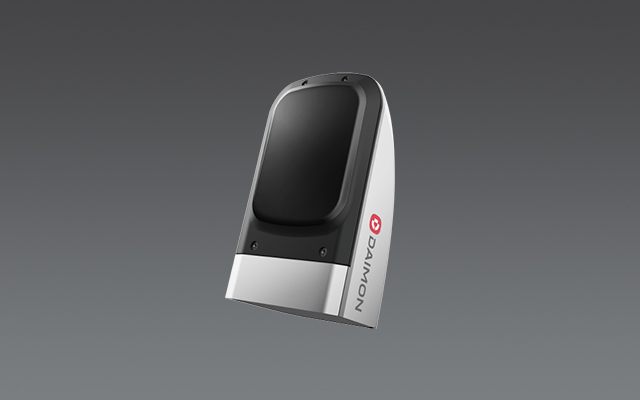
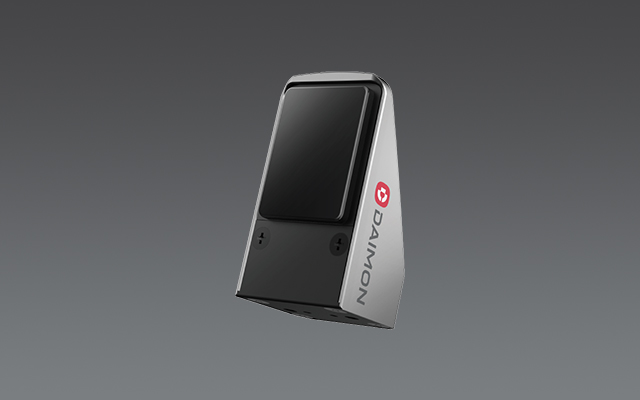
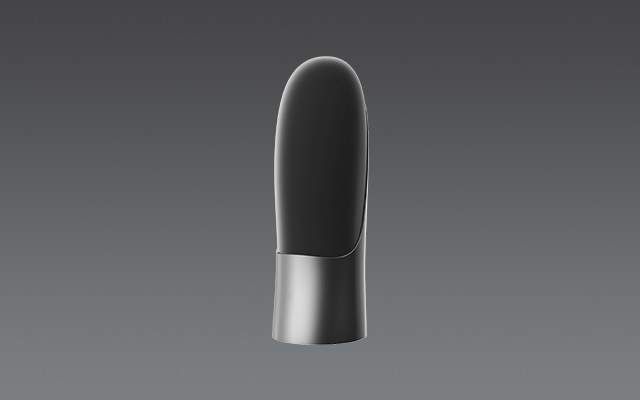
Embodied intelligence fundamentally alters how robots approach complex tasks by integrating sensory modalities. This is particularly evident in laboratory automation, where precise handling of materials is critical. Daimon employs multimodal tactile-visual fusion technology that enables robots to perceive essential attributes of test tubes, such as size, status, weight, and position.
This capability is crucial when manipulating hazardous reagents or fragile samples, as it minimizes the risk of accidents while maximizing efficiency. Unlike traditional robots, which may lack the nuanced understanding required to handle sensitive tasks, those equipped with embodied intelligence can adapt their actions based on real-time sensory feedback. This leads to higher success rates in experiments and reduces the likelihood of human exposure to harmful substances, making it a perfect example of how such intelligence enhances operational effectiveness in critical environments.
Facilitating Closed-Loop Decision Making
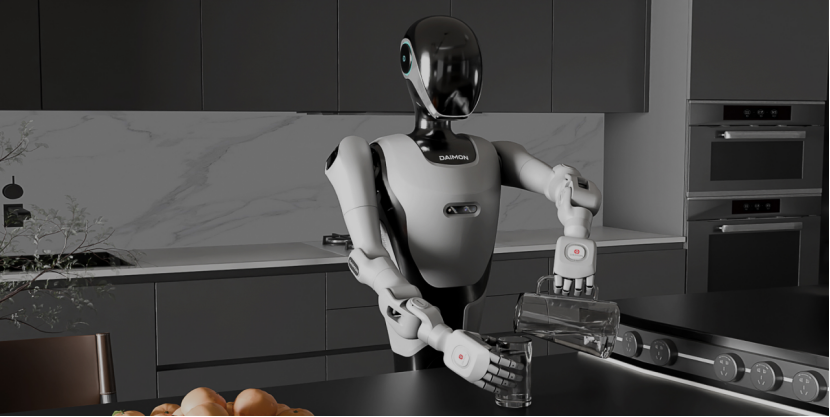
Another significant advantage of embodied intelligence is its capability for closed-loop decision making. This involves continual feedback and adaptation, allowing robots to refine their performance based on real-time data and experiences. The Daimon One multimodal model exemplifies this, enabling robots to execute a variety of tasks—from household chores like washing dishes to more complex cleaning operations.
By using embodied intelligence, these robots are not only performing assigned tasks but also learning from their interactions with the environment. This adaptability ensures that they can handle unexpected challenges, such as variations in object size or irregular surfaces, enhancing their versatility. As a result, robots equipped with embodied intelligence are proving to be invaluable assets in both domestic and industrial settings, reinforcing the need for robotics and AI companies to prioritize this technology.
Bridging the Gap Between Robotics and Human Tasks
Human tasks involve a level of dexterity and adaptability that traditional machines struggle to replicate. However, embodied intelligence allows robots to bridge this gap effectively. By mimicking human-like sensory perceptions, robots become more adept at completing tasks that require fine motor skills and situational awareness.
For instance, in a smart laboratory environment, robots equipped with embodied intelligence can navigate complex tasks, such as manipulating delicate scientific instruments or conducting experiments with multiple variables. This capability is vital for automating processes in laboratories, where precision and reliability are of utmost importance. As we advance these multimodal capabilities, we establish new benchmarks for robotics and AI companies by enabling automated systems to work seamlessly alongside human operators.
The Essential Path Forward for Robotics
In summary, embodied intelligence is crucial for successfully performing real-world tasks across various applications. By enhancing precision in complex operations, facilitating closed-loop decision-making, and bridging the gap between human and robotic capabilities, this technology is transforming the landscape of automation.
As Daimon continues to lead in this field, the integration of embodied intelligence into robotic systems will be fundamental in shaping the future of both laboratory automation and everyday tasks. For robotics and AI companies, embracing this paradigm shift is not just beneficial; it is essential for remaining competitive in an increasingly intelligent and automated world.