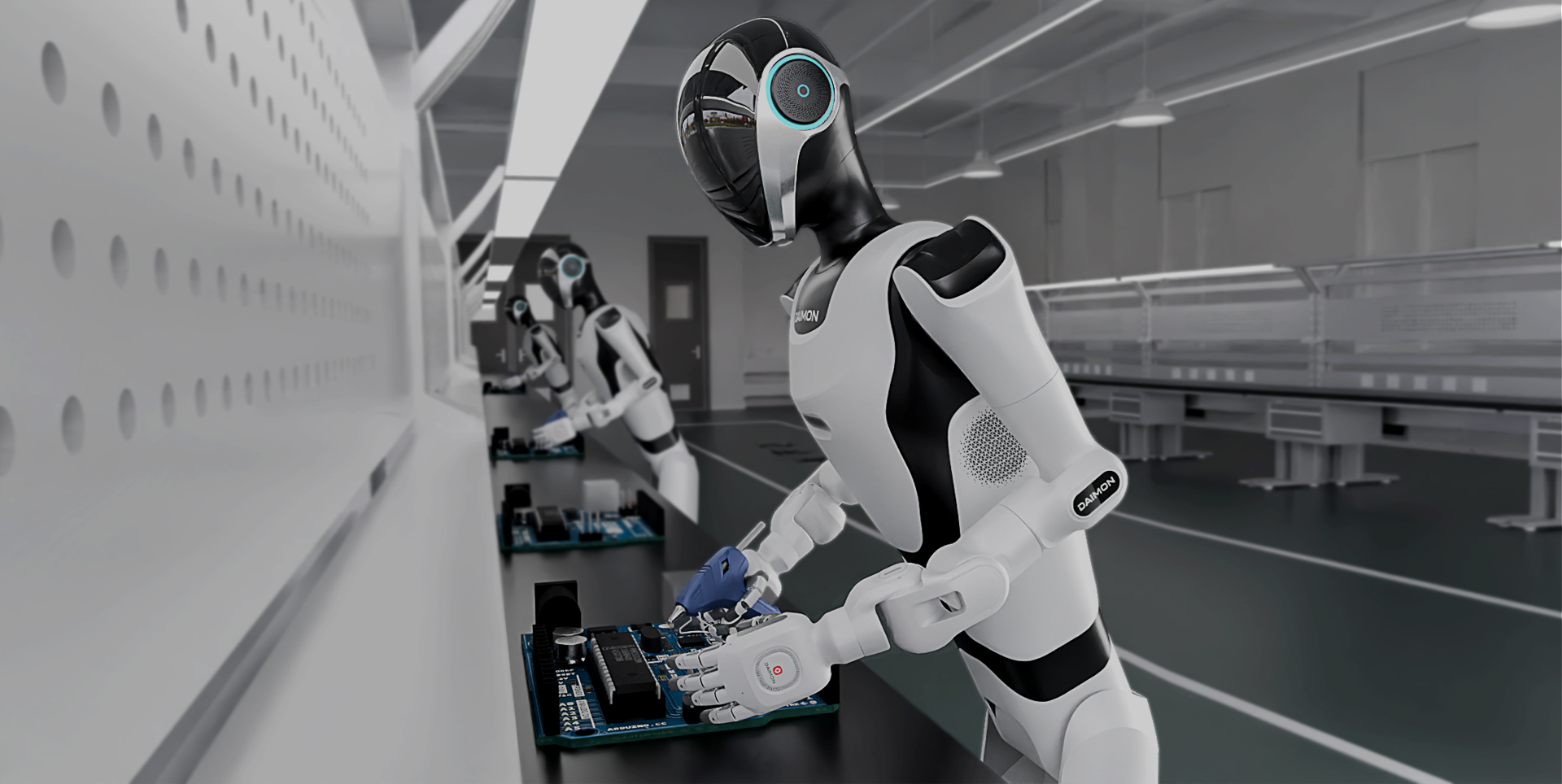






In recent years, the field of robotics has witnessed remarkable advancements, particularly in the development of dexterous robotic hands. These innovations are crucial in expanding the capabilities of robots, enabling them to perform intricate tasks that require fine motor skills. At Daimon, we focus on integrating embodied intelligence and advanced technologies like vision-tactile language action (VTLA) to enhance robotic dexterity. This article examines the latest trends in dexterous robotic hands, highlighting key developments that will shape the future of robotics.
Enhanced Sensory Feedback Through Multimodal Perception
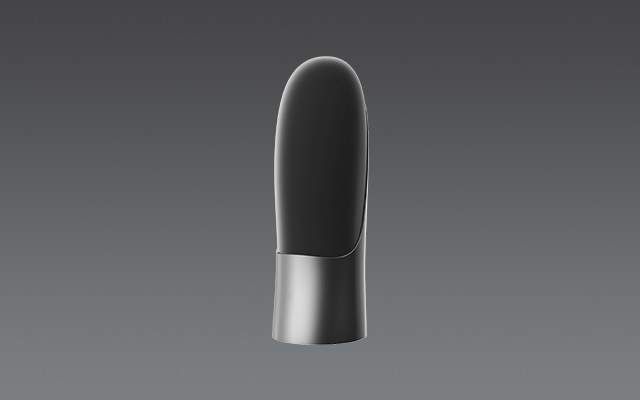
One of the most significant trends in dexterous robotic hands is the incorporation of high-frequency multimodal perception. With our integrated high-precision visual-tactile sensor, robotic hands now collect over 9 million sets of data per second. This capability allows robots to perceive tactile information about an object’s material, morphology, and deformation in real time.
The 120Hz data acquisition rate captures subtle contact variations, optimizing force-position control for fragile components in manufacturing lines. The integration of embodied intelligence with advanced sensory feedback mechanisms will redefine how robots interact with their environments, allowing for more precise and adaptive handling.
The Rise of Visuotactile Grippers
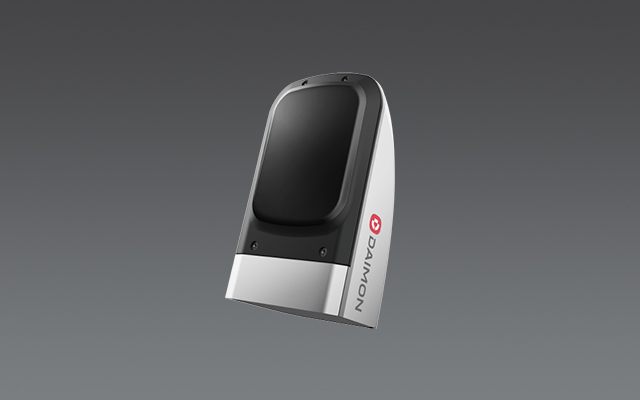
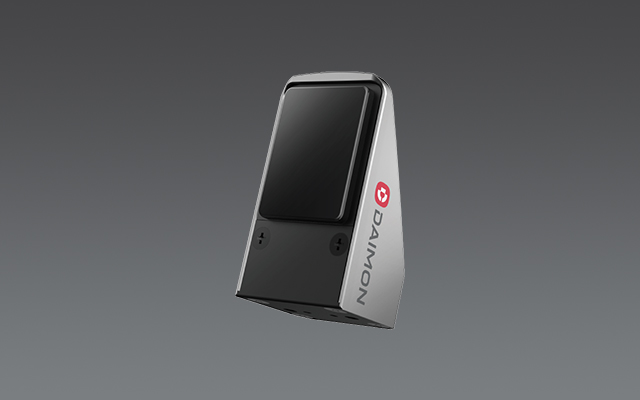
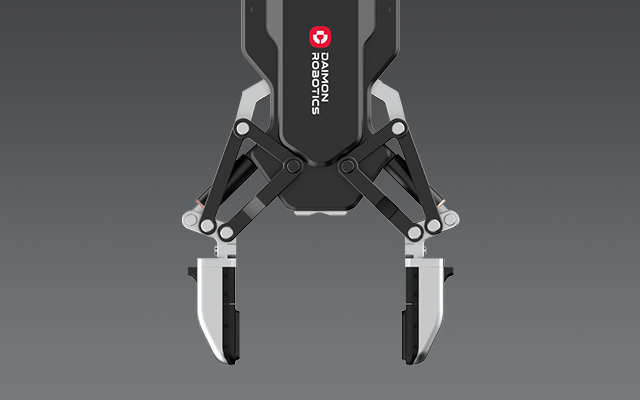
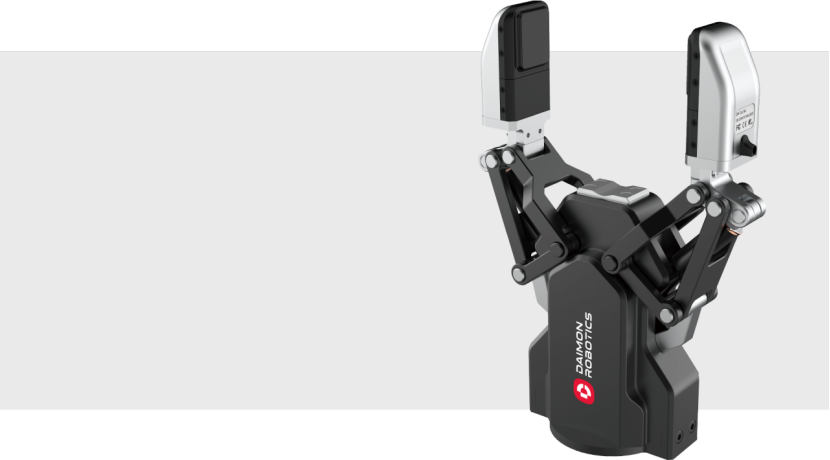
Another notable trend is the increasing adoption of visuotactile grippers, such as Daimon’s DM-Tac G. These grippers combine tactile sensors with visual inputs, allowing robotic hands to achieve precise grasping and flexible control. By utilizing the VTLA framework, these grippers can dynamically adjust their grip based on real-time feedback, ensuring safe and efficient manipulation of various objects.
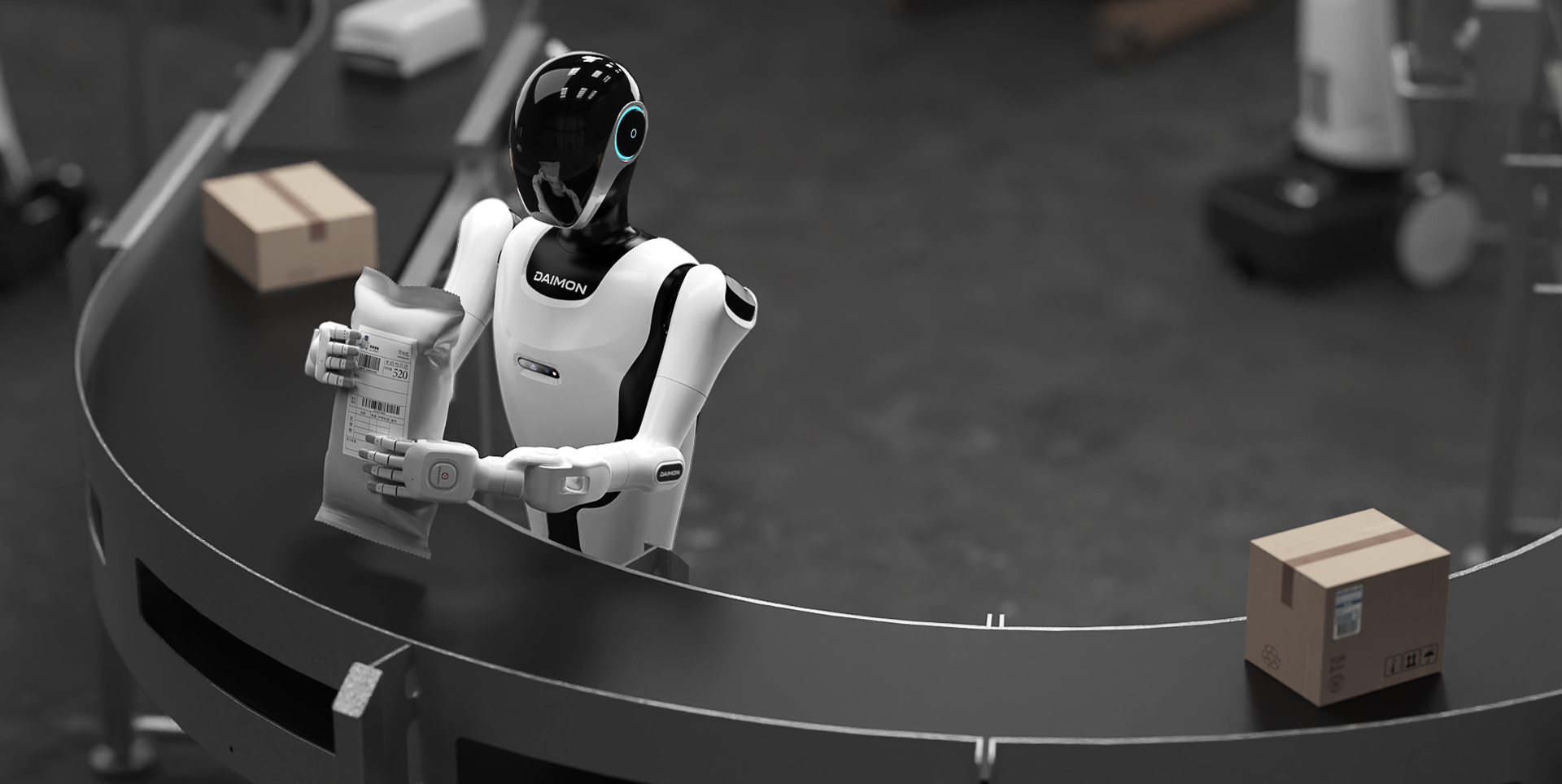
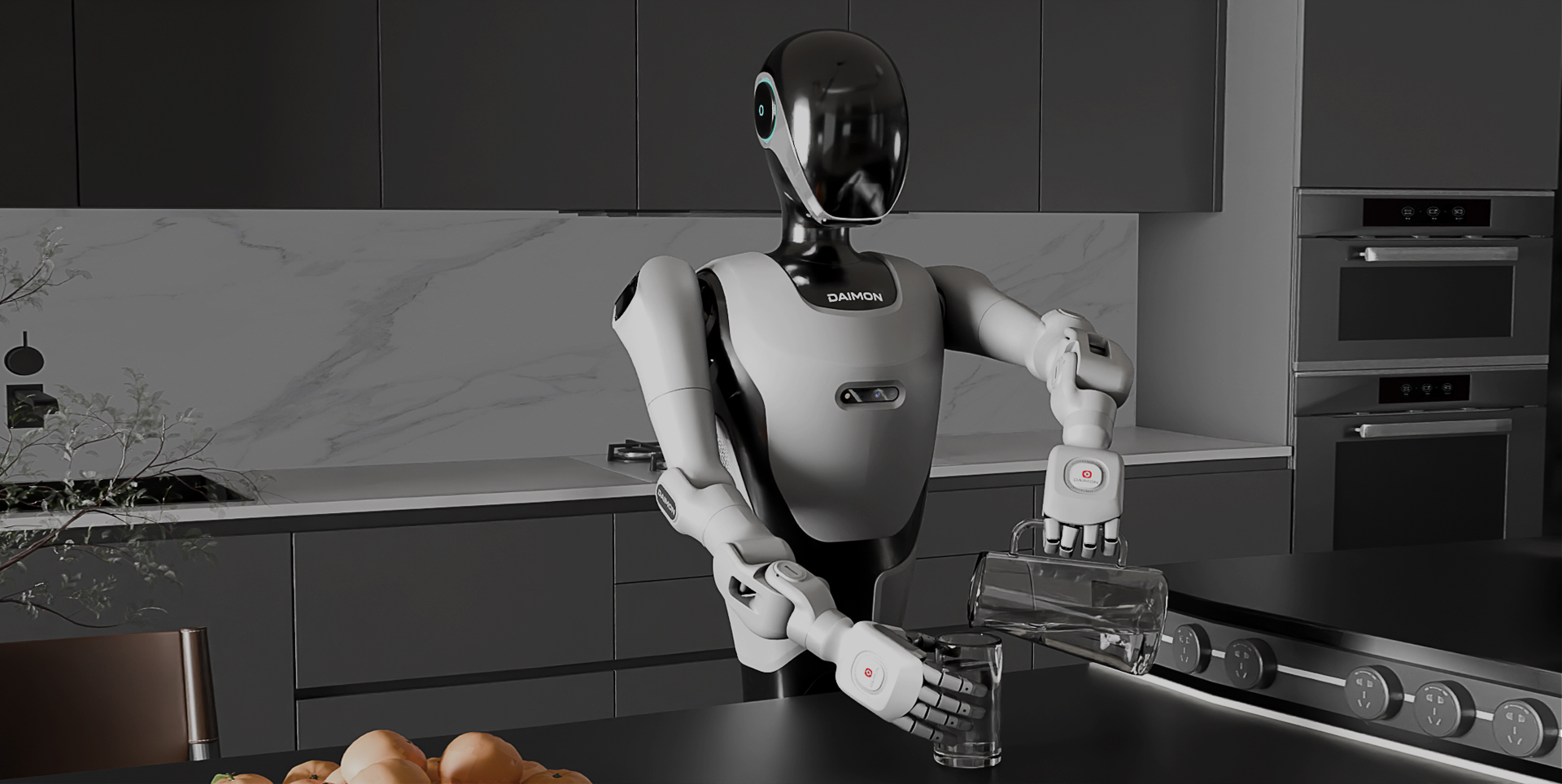
As industries look for solutions that can seamlessly handle a wide range of materials—from delicate glass to heavy machinery—visuotactile grippers provide the necessary flexibility and reliability. This versatility makes them ideal for applications in manufacturing, logistics, and even personal assistance, where dexterity and adaptability are paramount.
Integration of AI for Improved Dexterity
Artificial intelligence (AI) is increasingly being integrated into the control systems of dexterous robotic hands, further advancing their capabilities. Through machine learning algorithms, robots can analyze data collected from their sensors and learn to improve their handling techniques over time.
This use of embodied intelligence allows robots to develop a sophisticated understanding of object interaction, leading to more natural and efficient movements. For instance, robots can learn to adjust their grasp based on the weight and shape of an object without human intervention. This trend indicates a shift toward more autonomous robotic systems that can operate efficiently in real-world environments, reflecting the growing influence of AI in robotics.
Shaping the Future of Dexterous Robotics
The trends in dexterous robotic hands underscore a transformative shift in how robots are designed and function. By enhancing sensory feedback through multimodal perception, using visuotactile grippers, and integrating AI for improved dexterity, the future of robotics is becoming increasingly capable and versatile.
Embracing the Future of Dexterous Robotics
In summary, the evolution of dexterous robotic hands is a testament to the importance of embodied intelligence in modern robotics. As shown through advancements in multimodal perception, visuotactile grippers, and AI integration, these trends are not merely incremental improvements; they signal a fundamental change in the capabilities of robotic systems. Daimon continues to lead the way in this innovative field, ensuring that the next generation of robots can perform tasks with an unprecedented level of dexterity and reliability. The future of robotics will undoubtedly be shaped by these advancements, promising a new era of efficiency and adaptability across various industries.