





As the demand for automation and intelligent systems grows, the integration of embodied artificial intelligence (AI) into existing frameworks has become essential. Daimon, a leading AI robots company, is committed to providing cutting-edge tactile solutions that facilitate this transition. This article outlines how to effectively integrate embodied intelligence into current operational systems, enhancing efficiency and performance.
Understanding Embodied Intelligence
At the core of deploying embodied AI is the concept of embodied intelligence, which allows robots to interact physically with their environments using sensory feedback. By leveraging advanced technologies like vision-tactile language action (VTLA), robots become more capable of performing intricate tasks that require precision and adaptability.
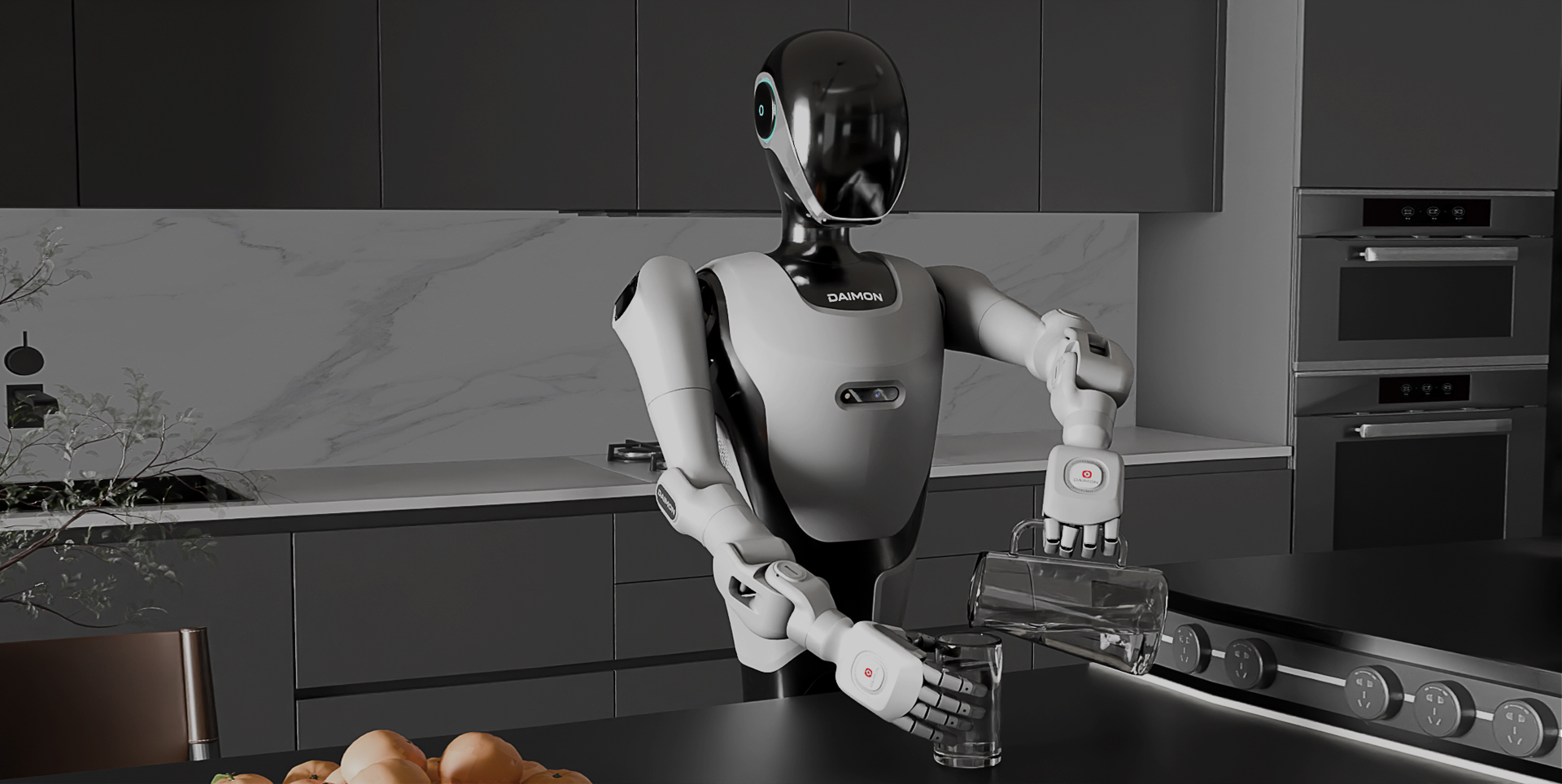
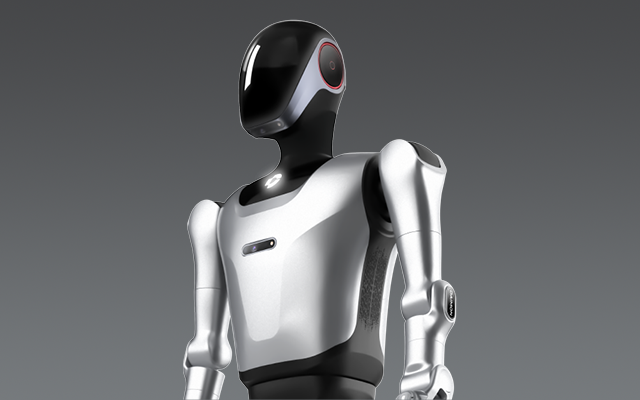
Daimon’s multimodal model, the Daimon One, exemplifies this approach. It enables robots to undertake tasks such as washing dishes and wiping windows, showcasing its application in home services and beyond. This capability demonstrates how embodied intelligence can be seamlessly integrated into existing systems, providing significant enhancements in operational efficiency and effectiveness.
Assessing Existing Systems for Compatibility
Before deploying embodied intelligence, businesses must evaluate their current systems to determine compatibility. This involves reviewing existing hardware and software to identify potential integration points for AI technologies.
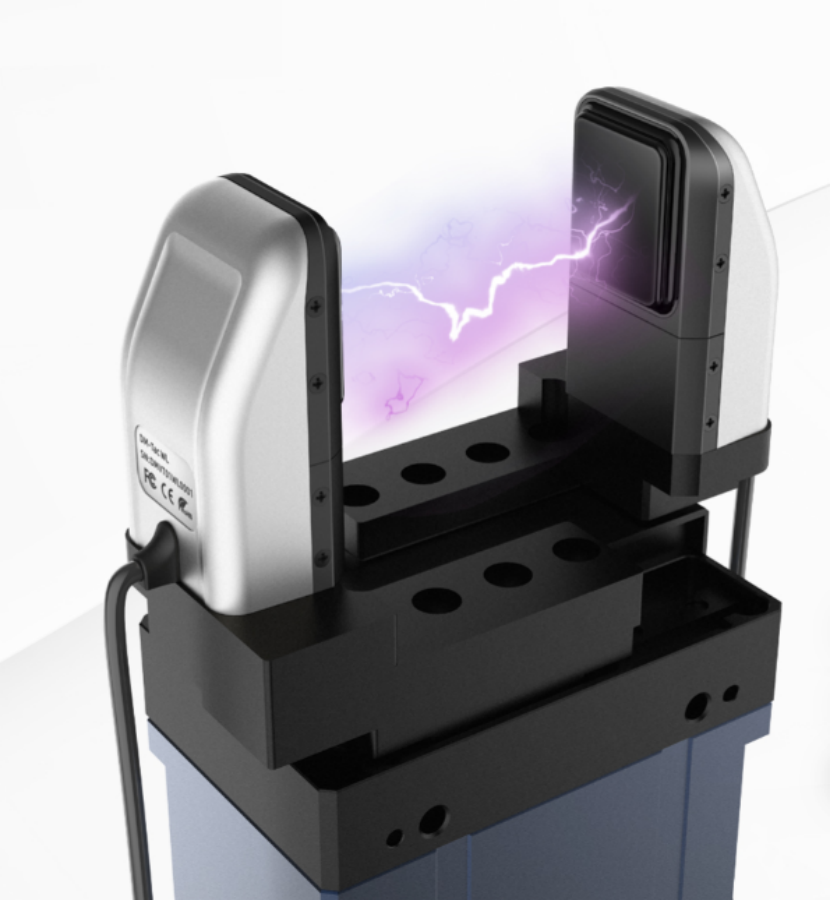
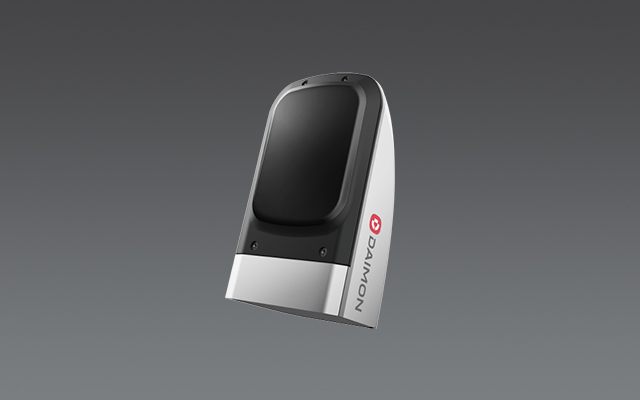
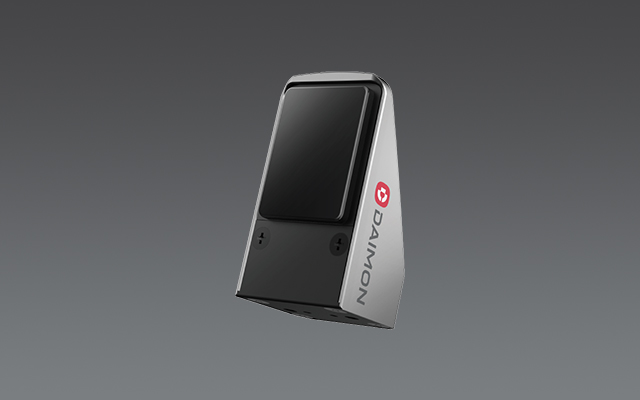
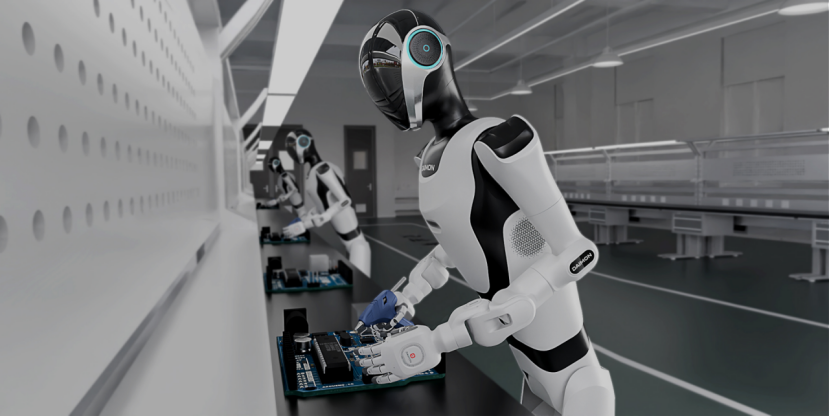
The assessment should focus on infrastructure that supports tactile sensors and multimodal capabilities. For instance, high-resolution tactile feedback systems are vital for real-time analysis of components in manufacturing environments. By examining the architecture of existing workflows, organizations can identify areas where the integration of embodied intelligence can yield the most significant advantages, such as in intelligent manufacturing processes.
Additionally, ensuring that existing robotics systems can leverage interfaces compatible with Daimon’s technology is crucial. This examination will facilitate a smoother transition and enable the incorporation of advanced functionalities provided by AI robots company solutions.
Training and Implementing New Systems
Once compatibility is confirmed, the next step is training personnel and implementing the newly integrated systems. Training is essential, as staff must understand how to effectively operate and maintain robots equipped with embodied intelligence.
Daimon's approach includes providing comprehensive training programs that emphasize the use of tactile sensors and their applications in various tasks, such as plug-and-play assembly and electronic component handling. By familiarizing operators with the capabilities of these systems, organizations can maximize their potential and ensure safe and effective operations.
Furthermore, implementing a phased approach can minimize disruptions. Begin with pilot projects that incorporate embodied intelligence in smaller, controlled environments. This allows teams to gather data and adjust procedures accordingly before rolling out the technology across broader operations.
Iterative Improvement and Feedback Loops
To ensure lasting success in deploying embodied intelligence, organizations should establish feedback mechanisms that facilitate continuous improvement. Closed-loop decision-making systems allow robots to learn and adapt based on real-time sensory input.
For instance, Daimon’s robots utilize tactile feedback to refine their operations, enabling precise manipulation of various materials. By continuously analyzing operational data, organizations can iterate on their processes, improving efficiency over time. Establishing a culture that values ongoing learning and adaptability will enhance the integration of embodied intelligence into existing systems.
Transforming Operations with Embodied Intelligence
In summary, the deployment of embodied intelligence within existing systems presents an invaluable opportunity for organizations to enhance their operational capabilities. By understanding compatibility requirements, training personnel, and fostering iterative improvement, businesses can effectively leverage the transformative power of AI. At Daimon, our commitment to delivering advanced solutions positions us as a leading AI robots company, ready to assist organizations in navigating this complex yet rewarding transition. The future of intelligent automation lies in the successful integration of embodied intelligence, setting the stage for more efficient and effective operations in various sectors.