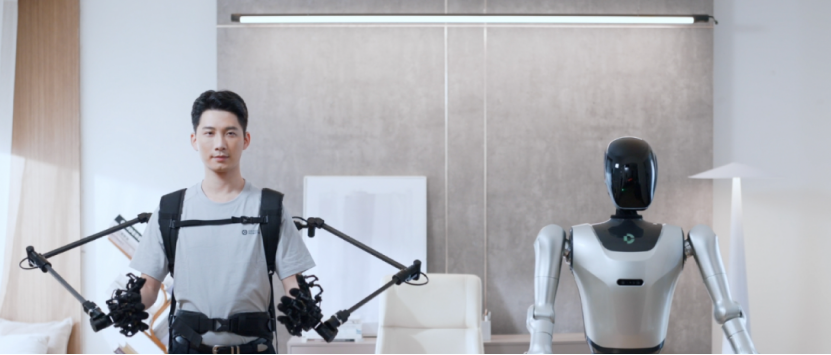






Every roboticist has witnessed the same frustrating scene: a gripper approaches an object with perfect visual accuracy, closes confidently, and then—either crushes it, drops it, or awkwardly fumbles. Vision tells the robot where the object is, but it cannot tell how the object feels. That missing piece is tactile sensing. Without it, grasping remains a guessing game, especially in logistics, manufacturing, or laboratory automation where objects vary endlessly in material, shape, and fragility. We have learned that tactile sensing is not a luxury for high-end robots; it is the very foundation of reliable, human-like dexterity.
Seeing is not understanding
A camera can map an object’s outline, but it cannot detect whether the surface is slippery, compliant, or sticky. When a robotic gripper closes on a glossy retail package or a soft medical pouch, visual data alone leaves the system blind to contact forces. This is why so many automated cells still rely on rigid, predefined motions—and why damage rates remain stubbornly high. Tactile sensing bridges that gap by transforming touch into actionable data. We have seen warehouses cut product damage by over 40% simply by adding high-resolution tactile feedback to their existing robotic arms. The principle is simple: you cannot control what you cannot feel.
High-resolution tactile sensing unlocks true dexterity
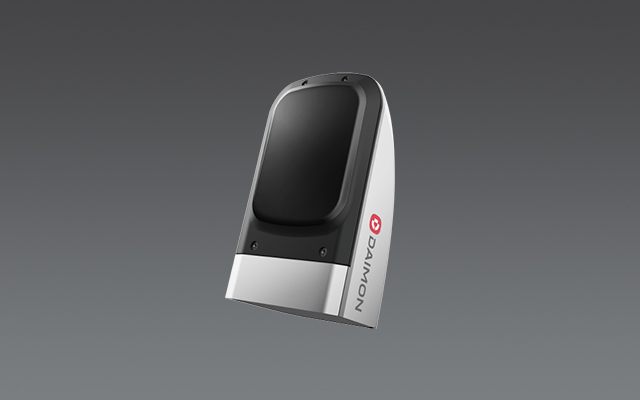
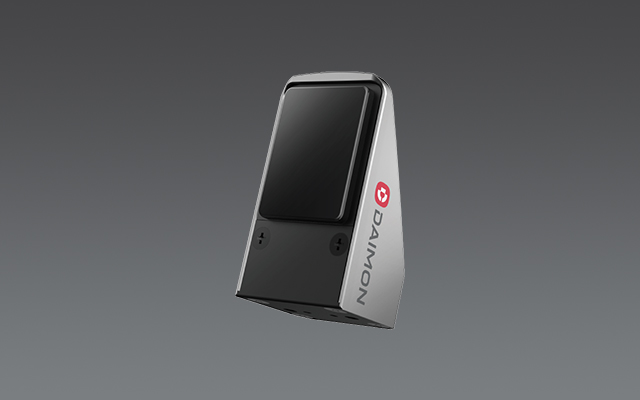
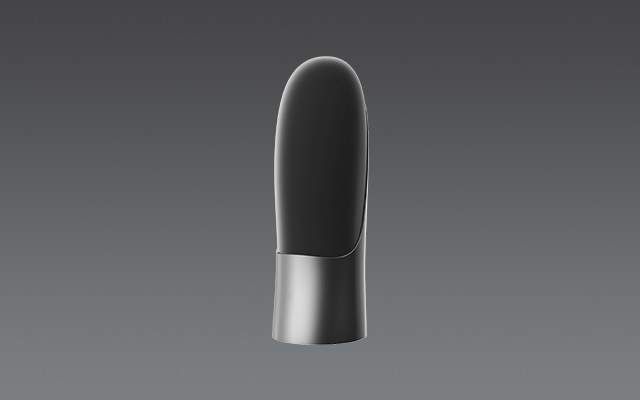
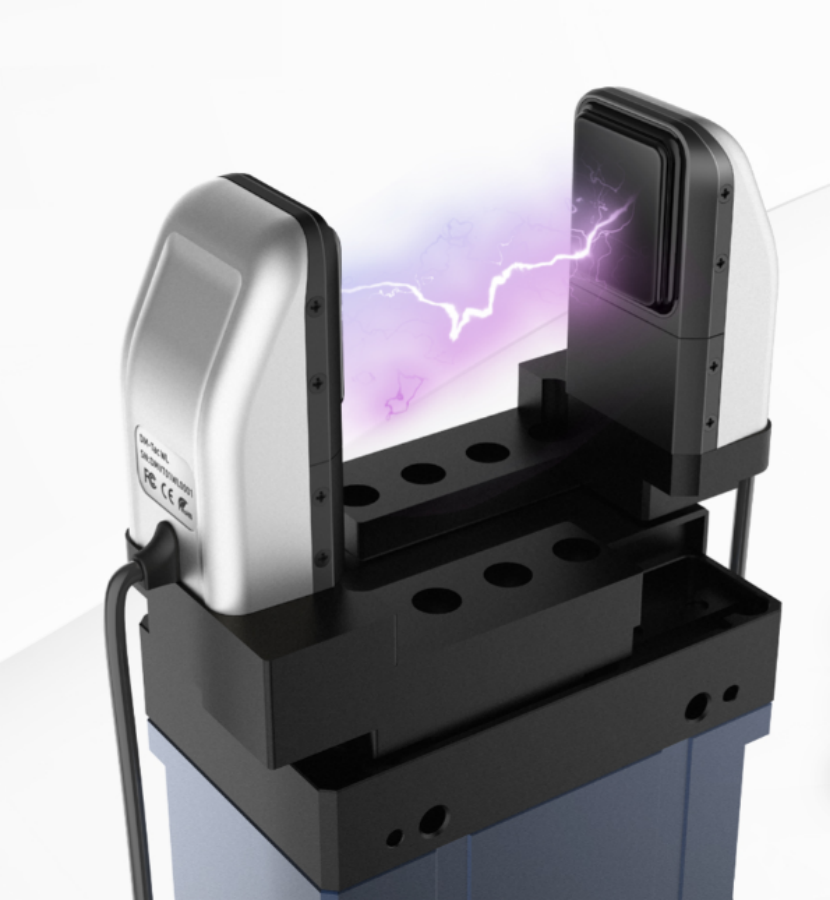
The quality of tactile sensing matters enormously. Sparse or low-resolution touch sensors detect only whether contact exists, not the nuanced shape or pressure distribution of the grip. Our Daimon DM-Tac W multimodal tactile interface changes that paradigm. With over 40,000 sensing units per square centimeter, it captures contact shape at an extraordinarily fine scale. This density allows the robot to “read” surface textures, detect tiny misalignments, and adjust its fingers before an object slips or cracks. Moreover, the sensor captures multiple modalities simultaneously—not just pressure, but shear, texture, and thermal cues—providing a complete tactile picture. For dexterous manipulation tasks like inserting a laboratory vial into a centrifuge or sorting mixed e‑commerce parcels, this level of detail is non‑negotiable.
Real-time force feedback for precision grasping
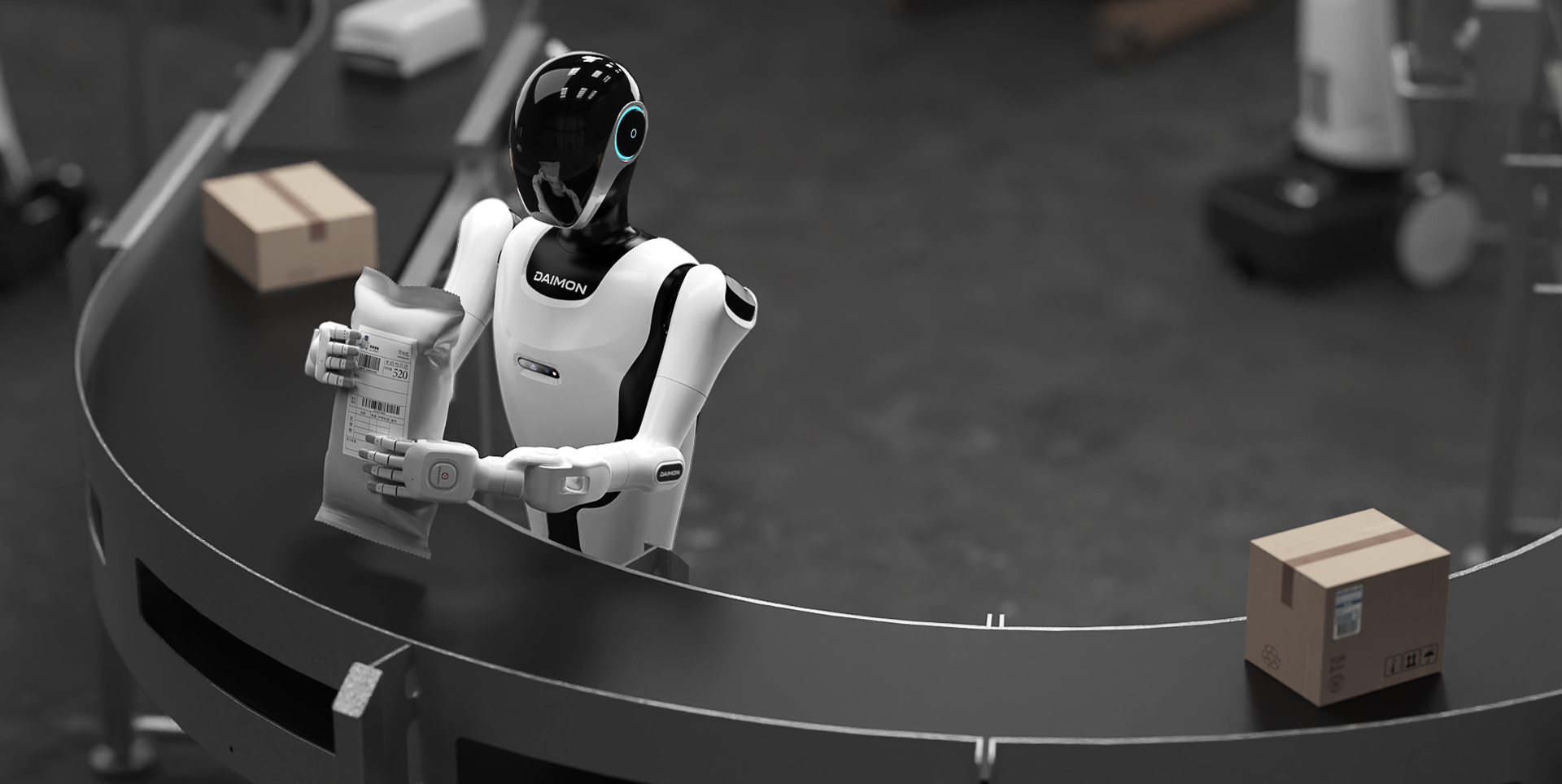
Even the most detailed tactile image is useless if the robot cannot respond instantly. That is why our DM-Tac W integrates real‑time force measurement with millisecond‑level response. The moment a slip is detected, the system corrects grip force dynamically—tightening just enough to hold, loosening before deformation occurs. This closed loop of tactile sensing and actuation is what separates clumsy automation from intelligent manipulation. We have deployed this capability in intelligent logistics lines where robots handle everything from fragile glass vials to compressible padded envelopes without a single programming change per object type.
From uncertainty to certainty
The evidence is unambiguous: tactile sensing is not an optional enhancement for grasping—it is the critical enabler of reliable, adaptive, and damage‑free automation. Vision guides the approach, but touch closes the loop. As robotics moves beyond structured environments into unpredictable real‑world tasks, the ability to feel becomes the difference between success and failure. At Daimon, we have built our entire approach around this truth. From our high‑density DM-Tac W multimodal tactile interfaces to our Vision-Tactile-Language-Action manipulation models, we deliver the hardware and software that make precision grasping routine. If you are ready to move beyond guesswork, let us show you how Daimon’s breakthroughs in tactile sensing transform your robotic gripping into intelligent, force‑aware collaboration.