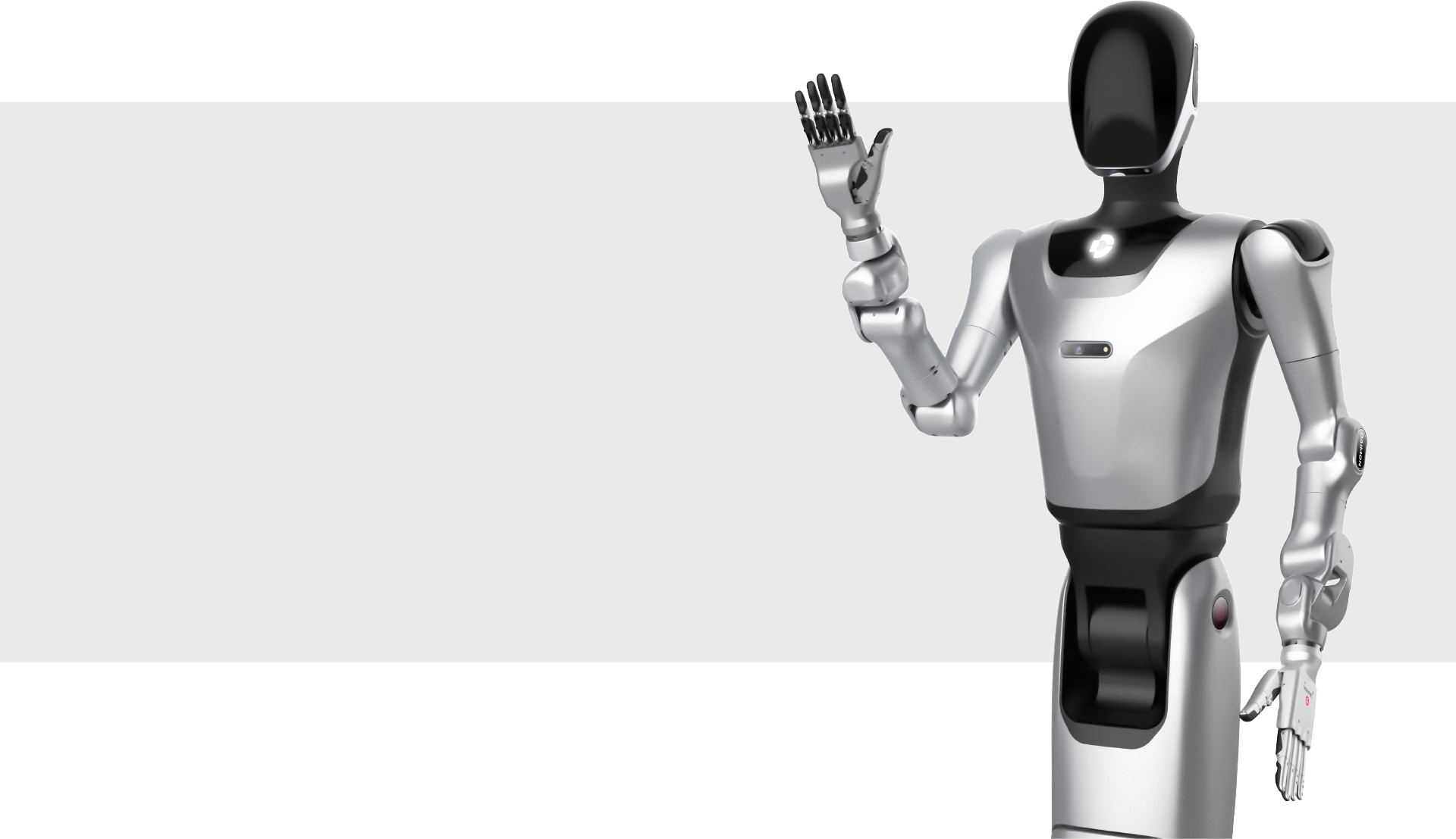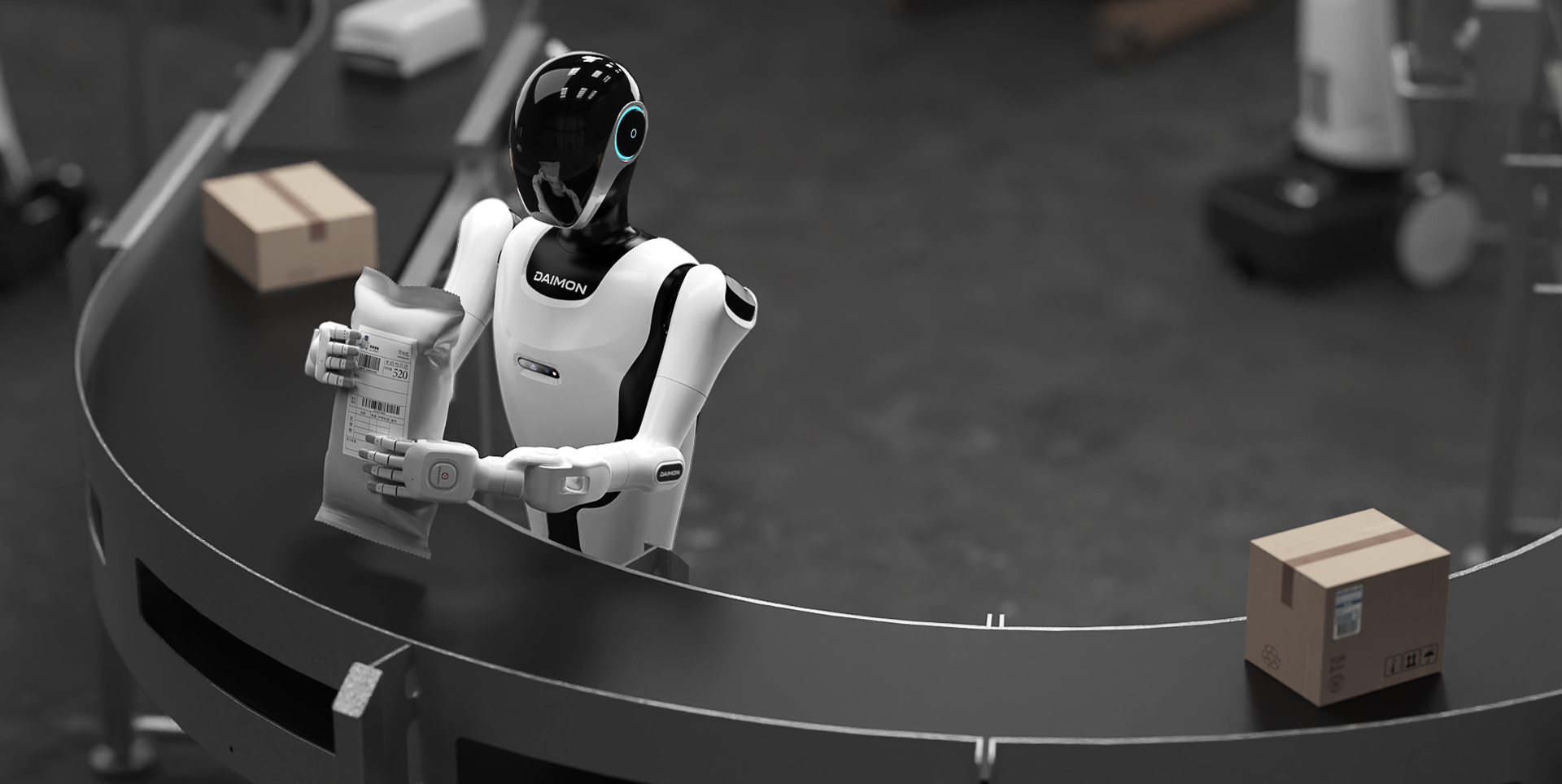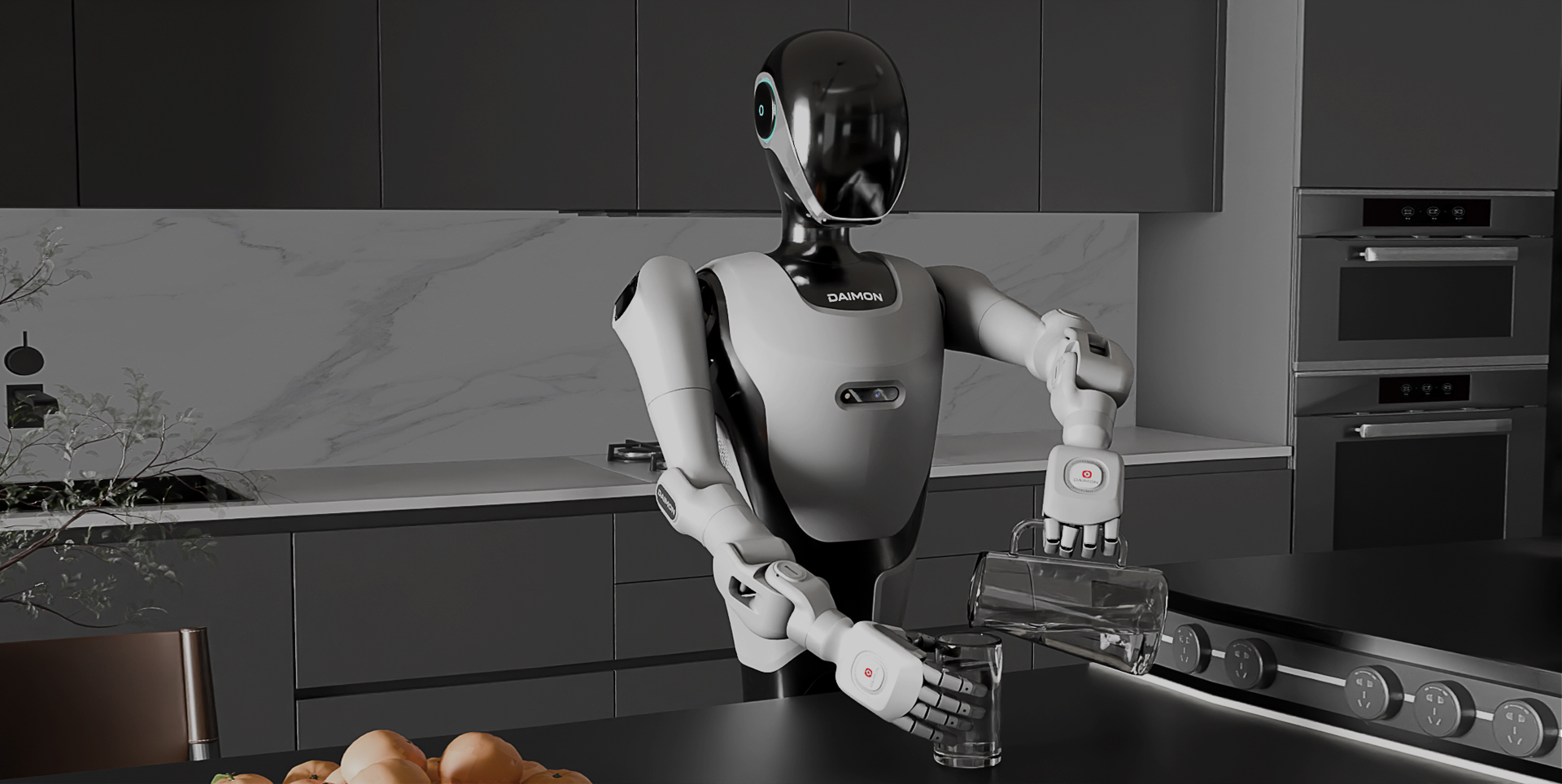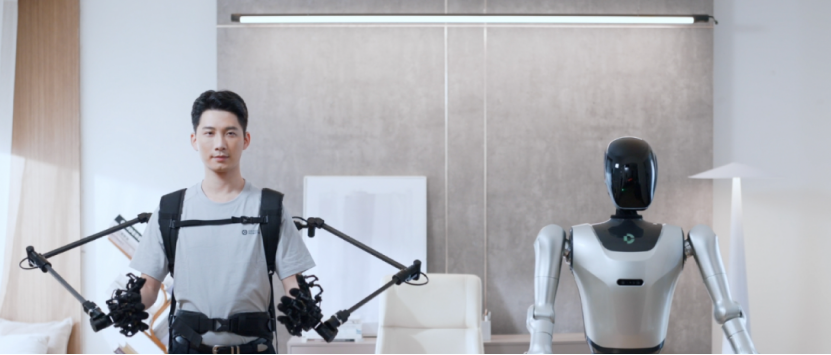
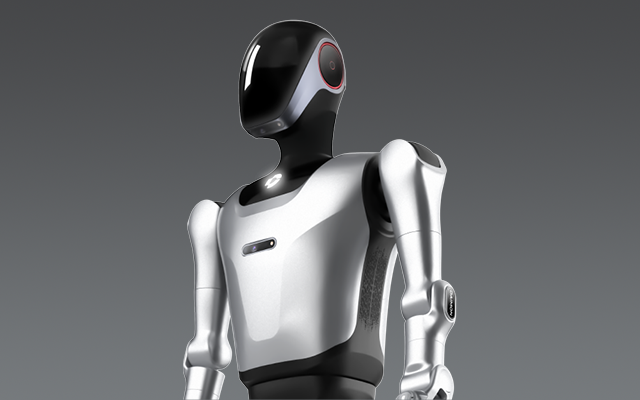






What separates a clumsy machine from a truly helpful robot? For decades, the industry chased better cameras and faster processors, yet robots still struggle to fold laundry, wipe a window without streaking, or wash a delicate dish. We have learned that the missing piece is embodied artificial intelligence—machines that perceive, reason, and act through continuous tactile feedback. As an embodied artificial intelligence manufacturer, Daimon builds the tactile foundation that turns advanced humanoid robots from fragile lab experiments into capable home assistants. And we are proving it every day with real-world chore automation.
Why Advanced Humanoid Robots Need Embodied Intelligence
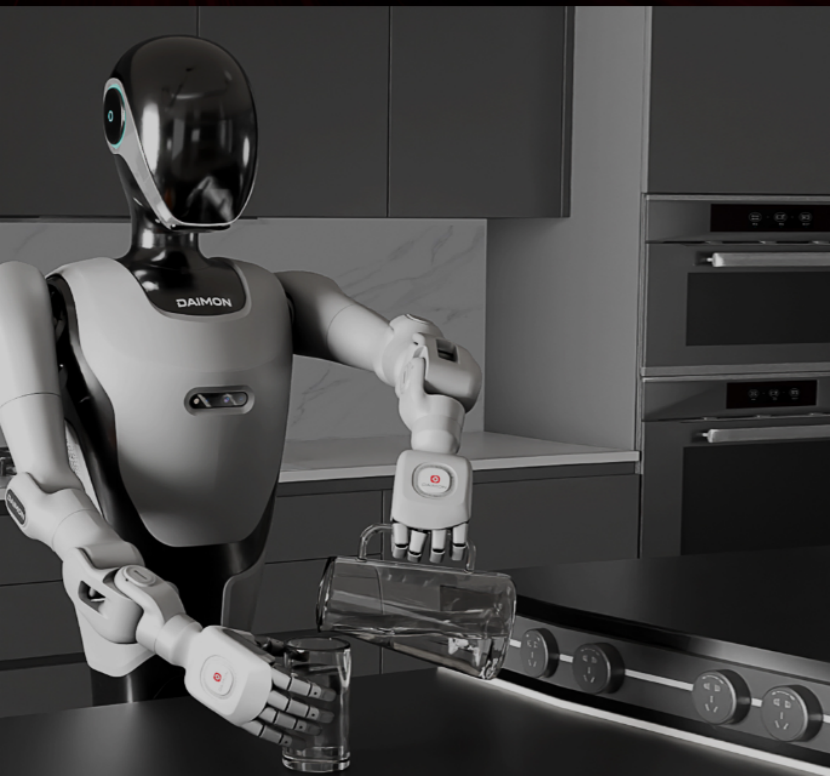
Advanced humanoid robots designed for home services face an unforgiving environment. Dishes vary in shape, weight, and slipperiness. Windows have frames, smudges, and unpredictable resistance. Traditional pre-programmed motions fail because no two homes are identical. Embodied artificial intelligence solves this by creating a closed-loop system: vision sees the task, language understands the instruction, tactile sensing feels the force, and action executes with precision. We have integrated this into our Daimon One multimodal model, enabling advanced humanoid robots to handle tasks that were previously impossible for automation. Washing a ceramic plate requires detecting a crack before it breaks; wiping a glass window demands constant pressure adjustment. With our approach, embodied artificial intelligence becomes the robot’s central nervous system.
From Dishes to Windows: VTLA in Action
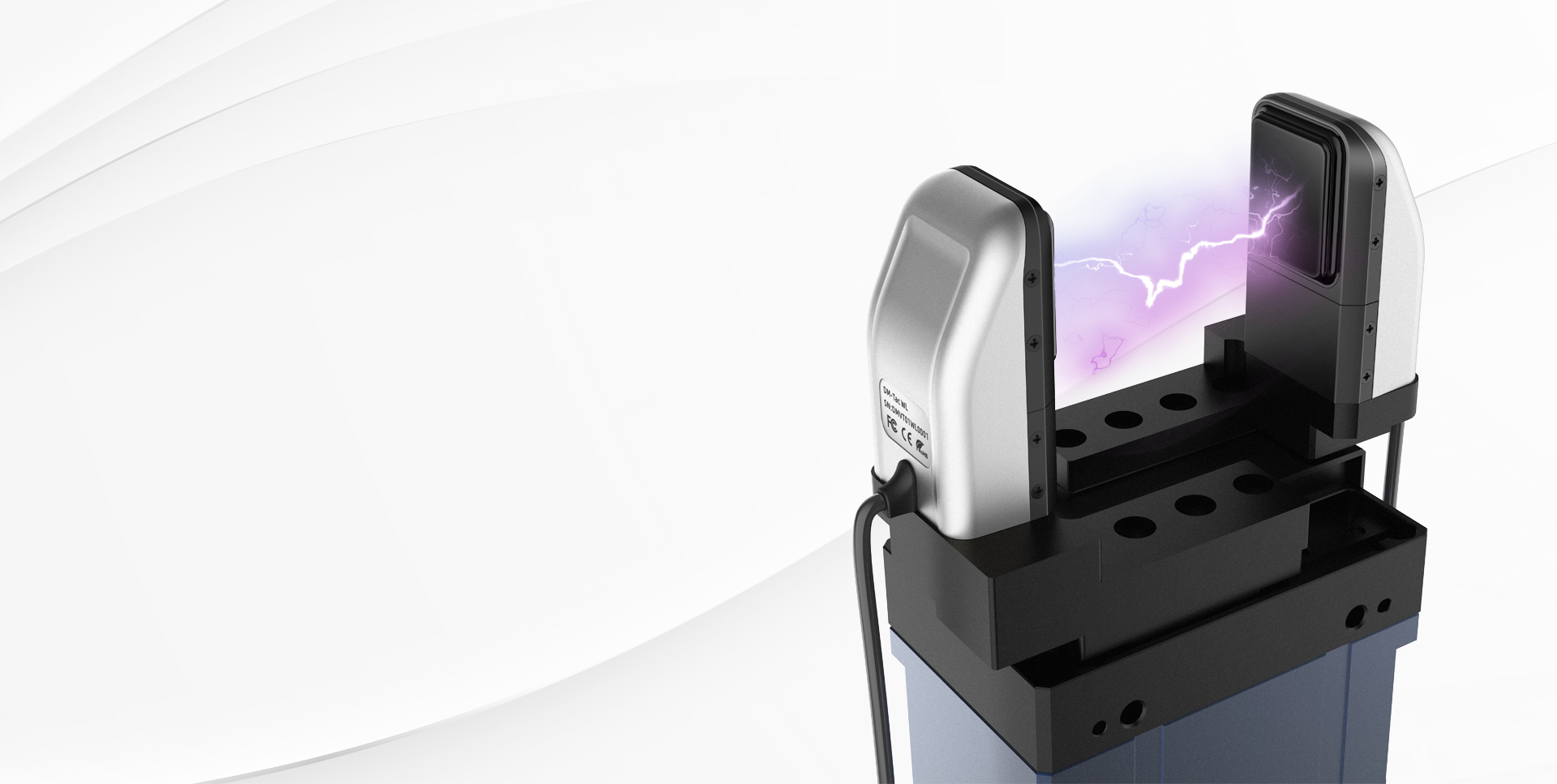
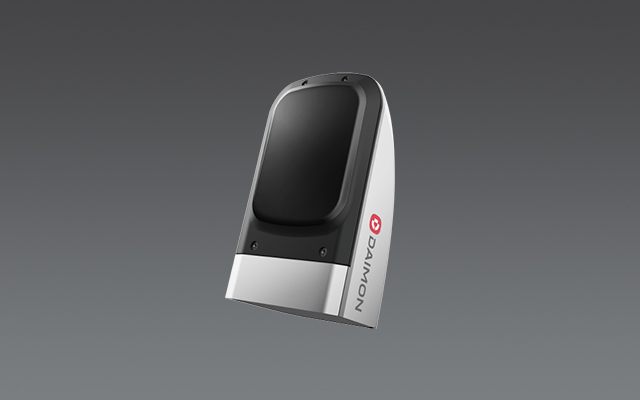
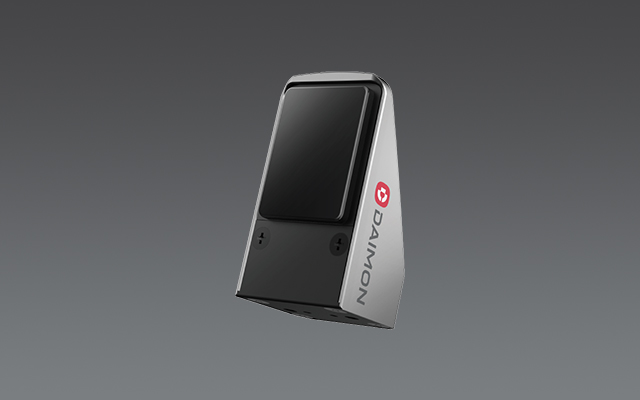
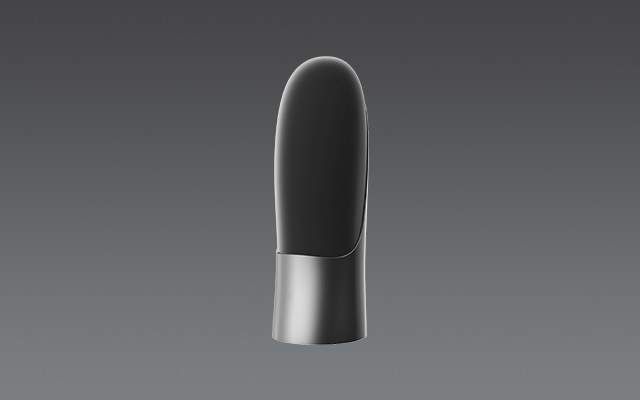
Our Vision-Tactile-Language-Action (VTLA) manipulation model, powered by Daimon One, gives advanced humanoid robots the ability to perform everyday chores autonomously. Consider dishwashing: the robot must identify leftover food, avoid chipping edges, and apply just enough scrubbing force. Our high-resolution tactile sensors detect the difference between a baked-on stain and a smooth glaze. The robot adjusts its grip and motion in real time. Similarly, window wiping demands consistent pressure across varying glass thicknesses and corner geometries. Without tactile feedback, the robot either leaves streaks or presses too hard. With embodied artificial intelligence, it learns the optimal force profile for each surface.
The Closed-Loop Advantage for Home Services
Embodied artificial intelligence is not a single algorithm; it is a continuous dialogue between sensing and action. Our Daimon One multimodal model fuses tactile, visual, and linguistic inputs to create real-time adjustments. When an advanced humanoid robot feels a dish begin to slip, it tightens its grip before the object falls. When it senses a window cleaner’s bottle is empty, it pauses and requests a refill. This closed-loop architecture makes home service automation truly safe and reliable. We believe that advanced humanoid robots will only earn trust when they handle fragile, unpredictable tasks without supervision. That future depends on tactile intelligence.
Beyond Industry Buzzwords: The Daimon Standard
The marketplace is crowded with claims about embodied artificial intelligence, but few manufacturers deliver the hardware-software integration required for real dexterity. At Daimon, we are an embodied artificial intelligence manufacturer that builds high-resolution tactile sensing, dexterous robotic hands, and the VTLA manipulation models that make advanced humanoid robots useful in your home or facility. Whether you need dishwashing, window cleaning, or any precision chore, our solutions provide the closed-loop decision-making that transforms automation from rigid programming into adaptive intelligence. Let us show you how Daimon’s tactile-powered embodied artificial intelligence turns advanced humanoid robots into helpers you can trust—one chore at a time.