





In the era of Industry 4.0, the integration of artificial intelligence (AI) into manufacturing processes is becoming increasingly essential. Daimon is at the forefront of this transformation, particularly with its focus on embodied intelligence. This article delves into how embodied AI can effectively manage a smart factory floor, harnessing the power of visuotactile capabilities for improved efficiency and productivity.
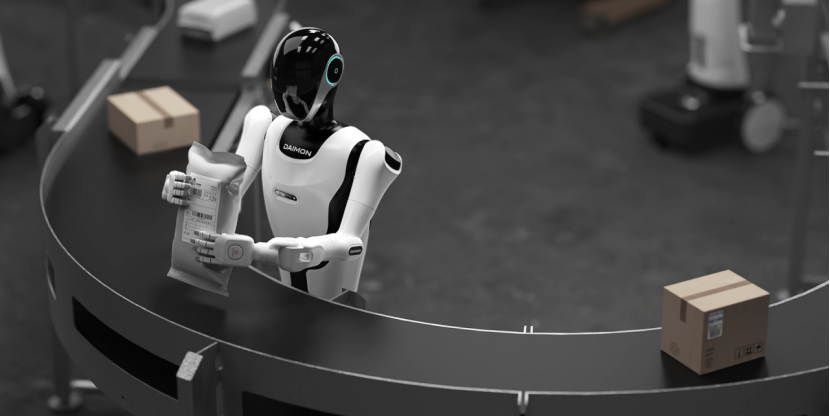
Embodied Artificial Intelligence in Manufacturing
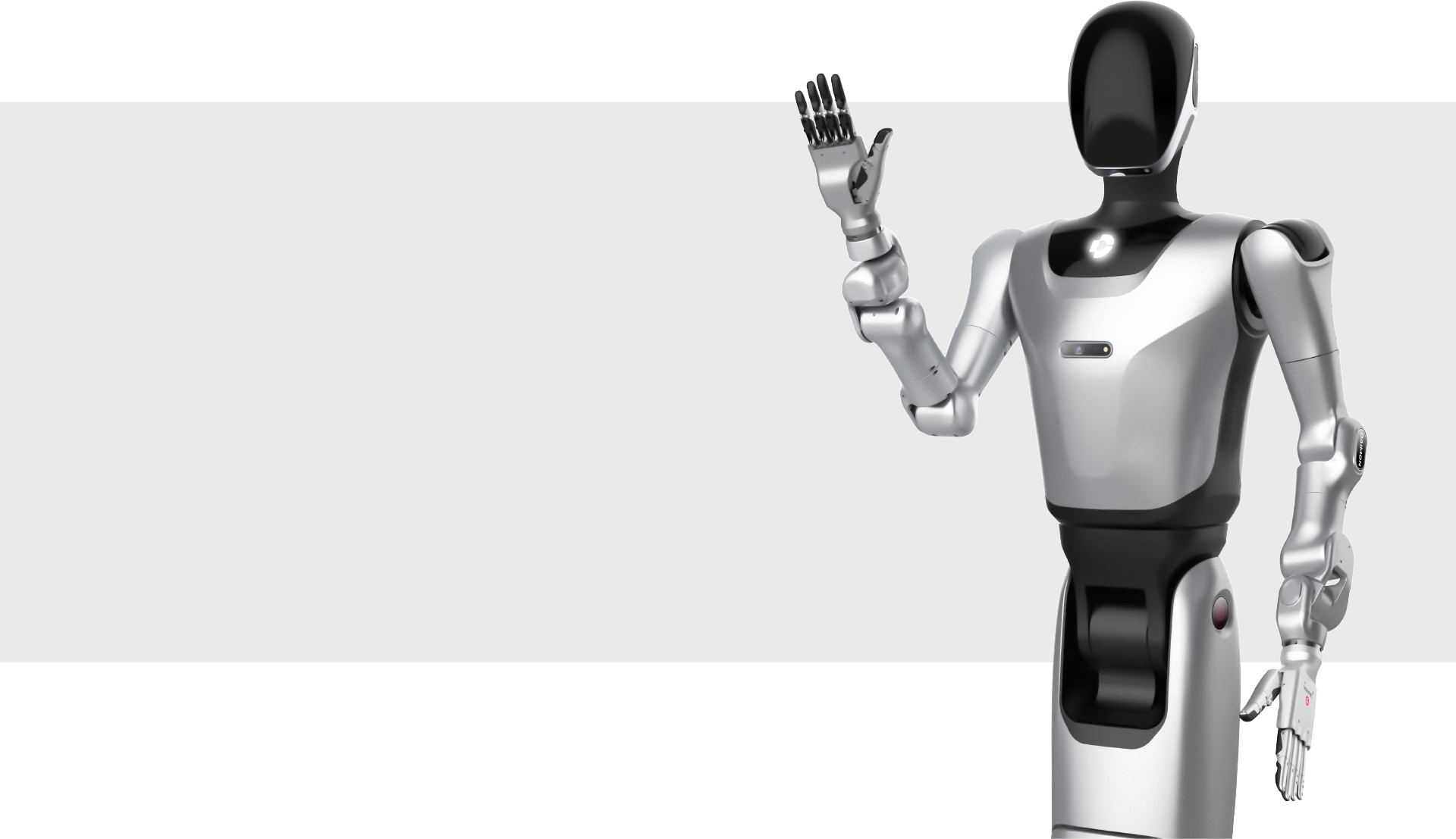
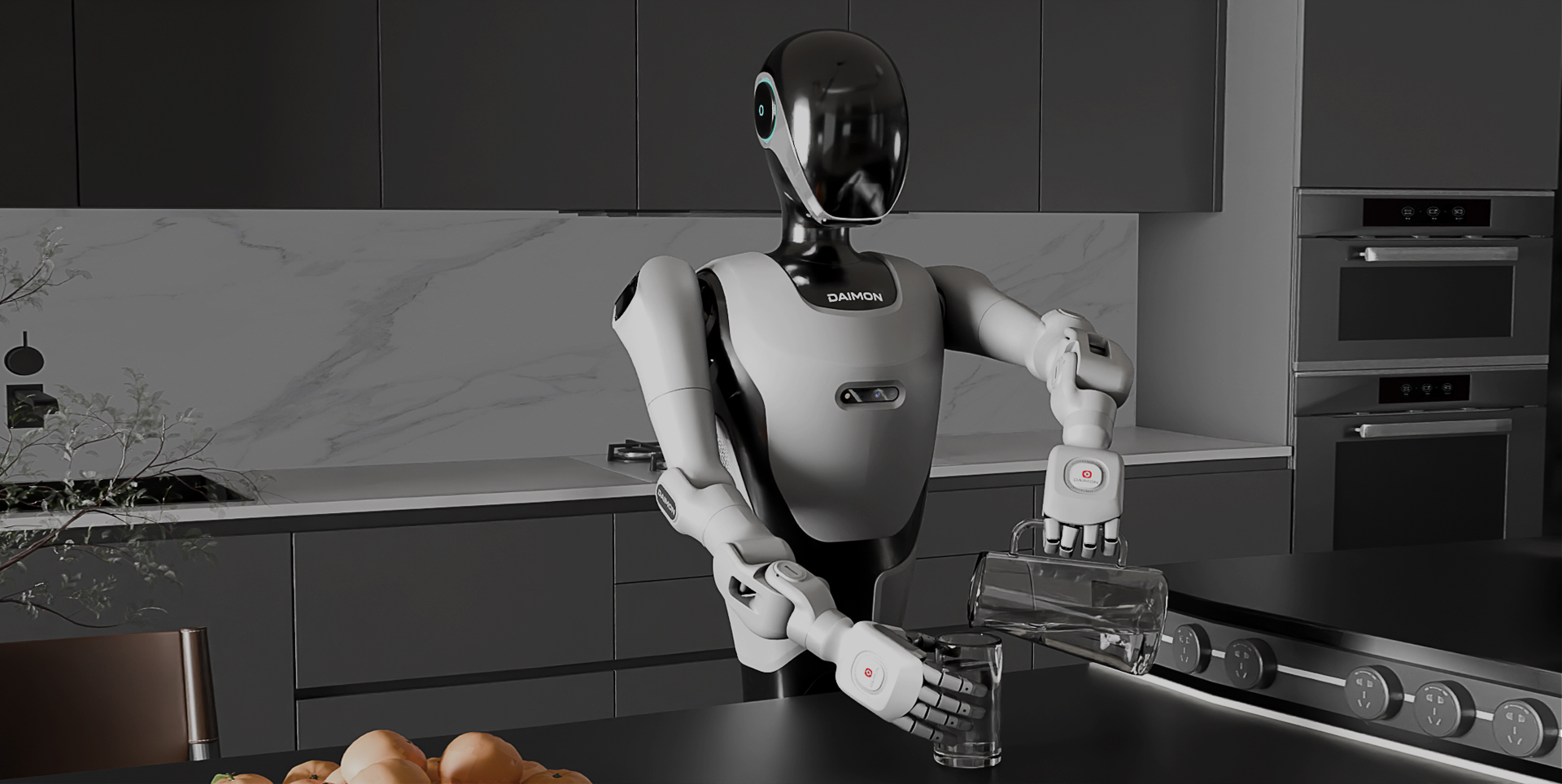
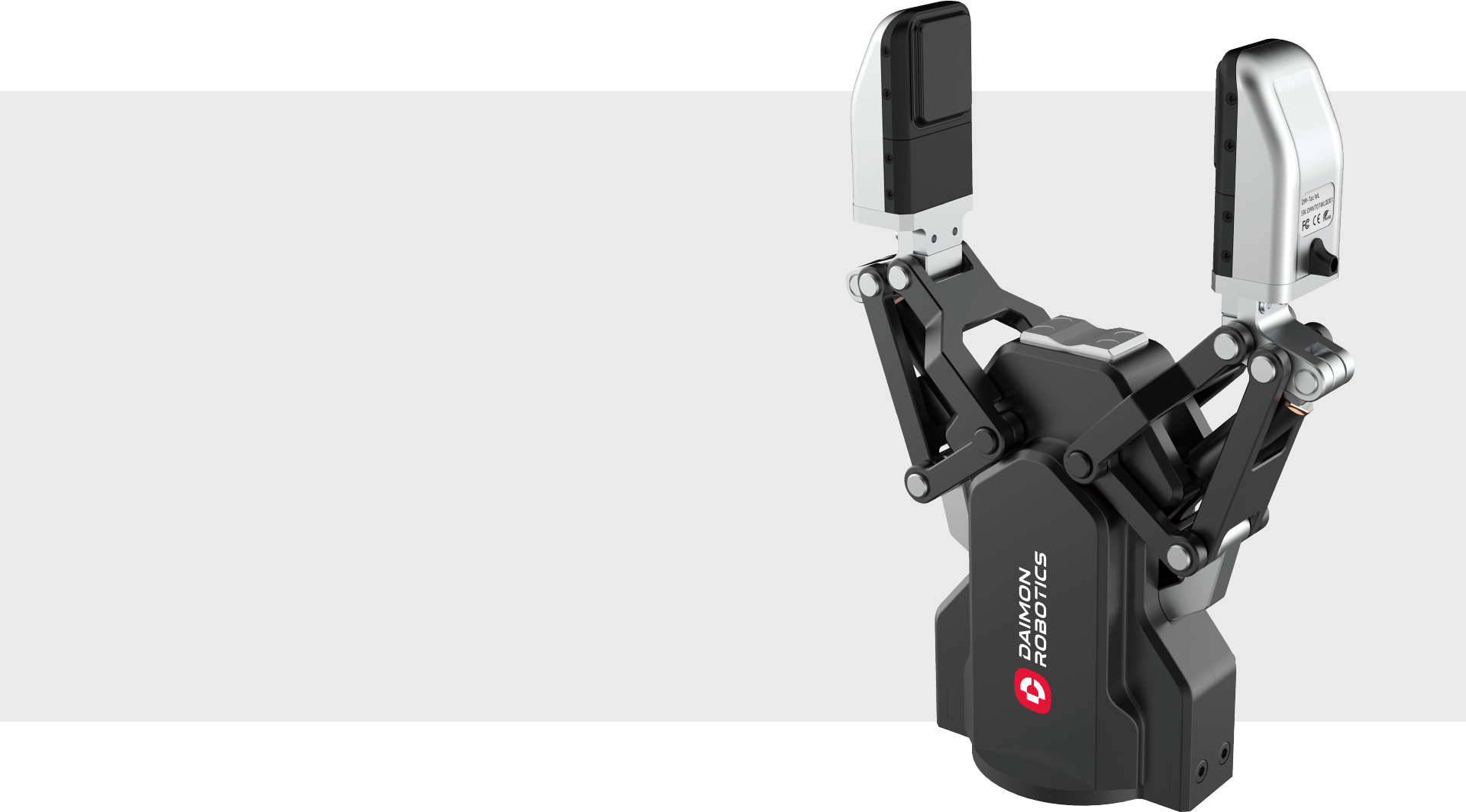
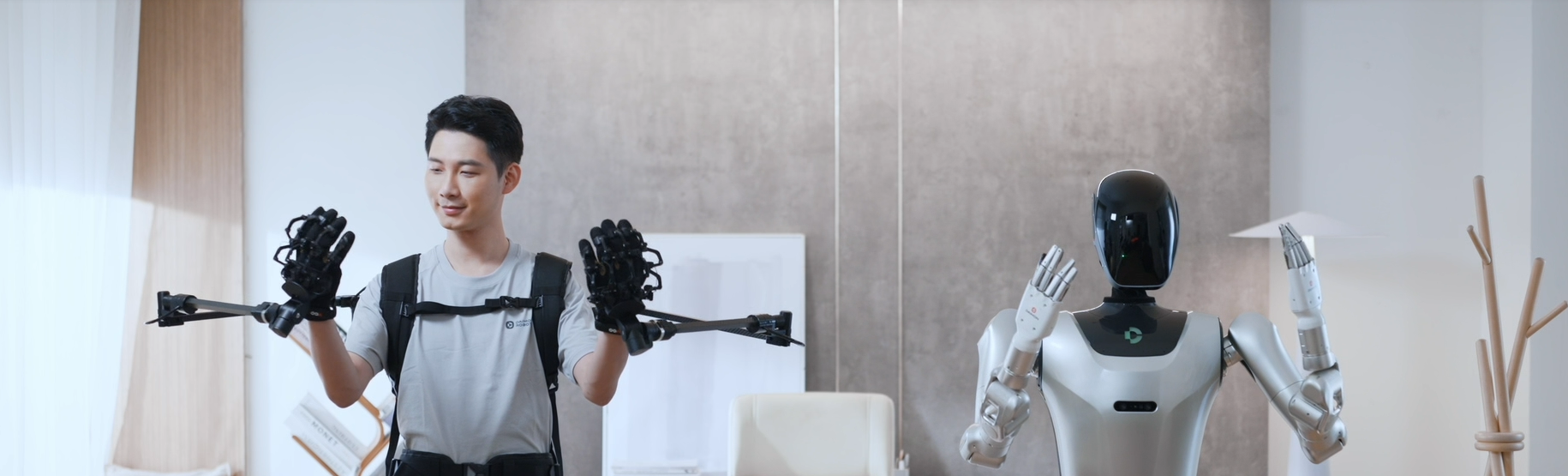
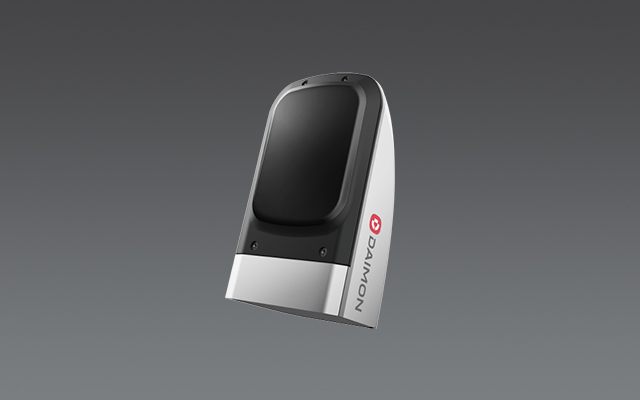
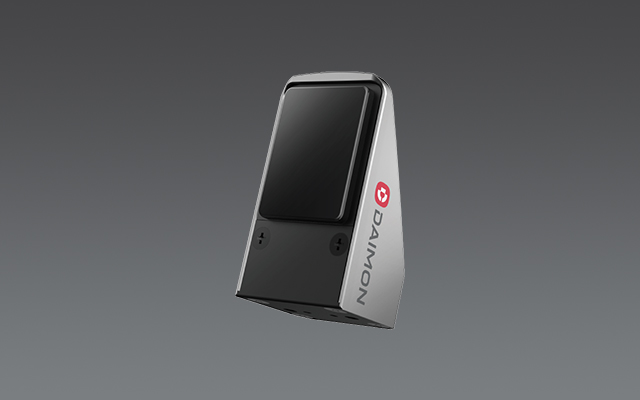
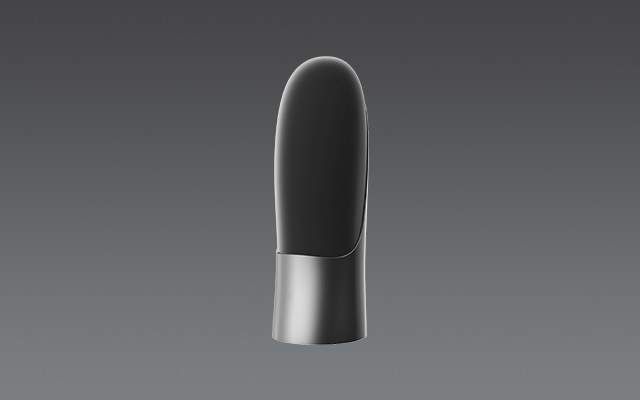
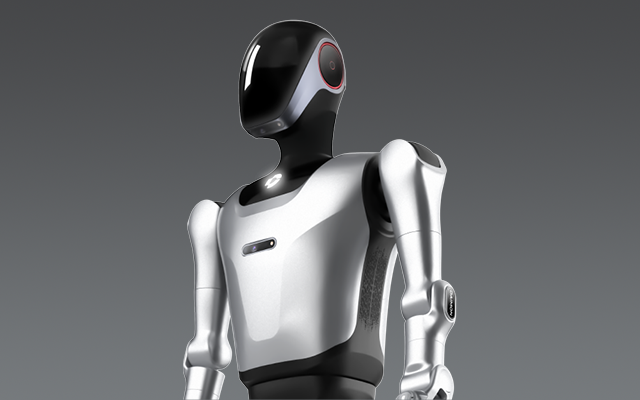
Embodied AI refers to systems that utilize physical forms to interact with their environment, integrating sensory feedback with high-level decision-making. Daimon’s innovative visuotactile technology exemplifies this approach. By integrating a multimodal model like the Daimon One, robots are empowered to perform various tasks typically reserved for human workers, from handling delicate items to executing complex assembly processes.
In smart factories, these robots can navigate dynamic environments more efficiently, making real-time decisions based on the sensory input they receive. For instance, a robot might use its tactile capabilities to assess the weight and texture of an item, ensuring that it selects the correct handling method. This exemplifies the potential of embodied intelligence to create agile, responsive manufacturing systems that adapt to varying production demands.
Intelligent Logistics for Enhanced Efficiency
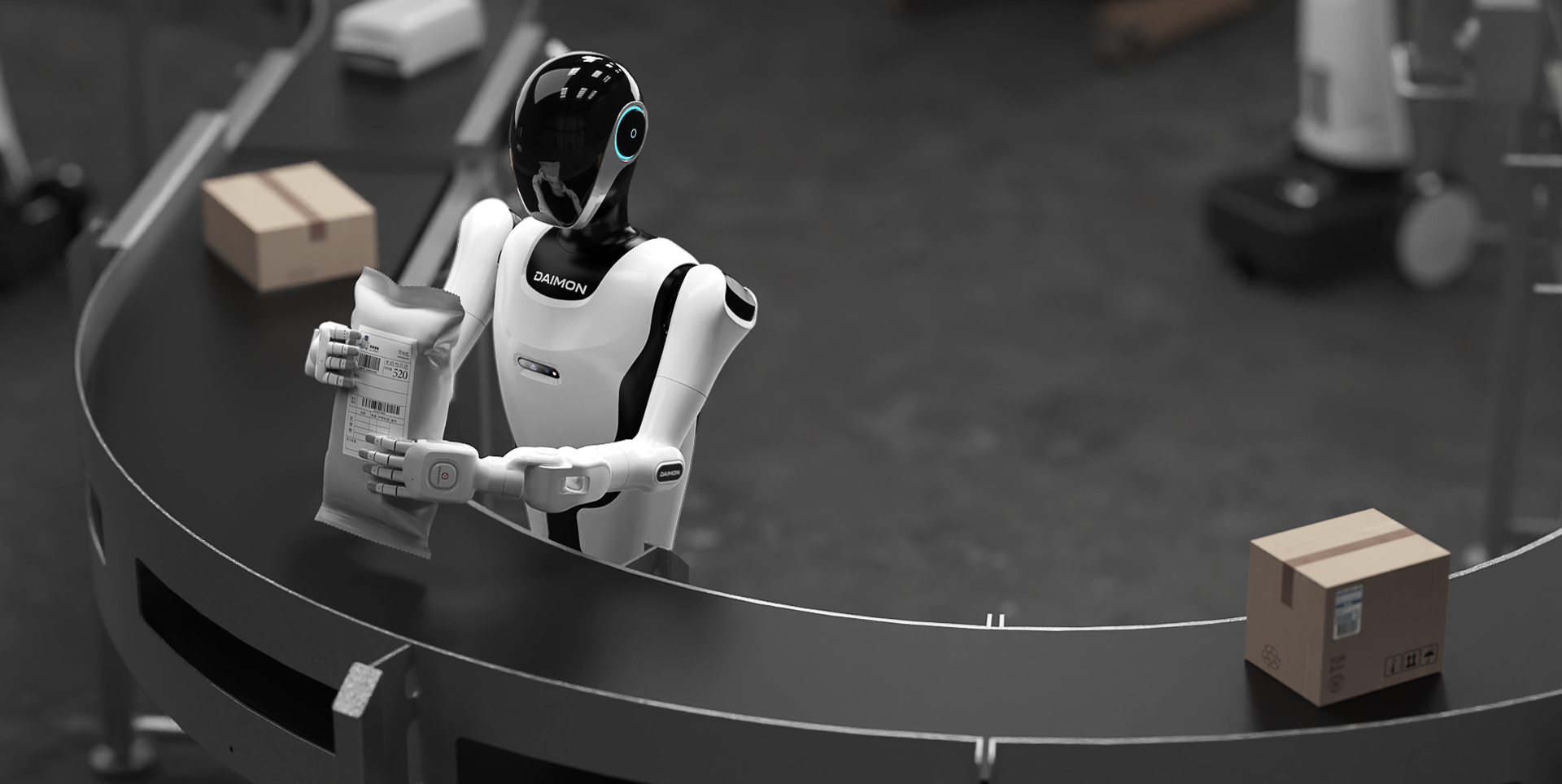
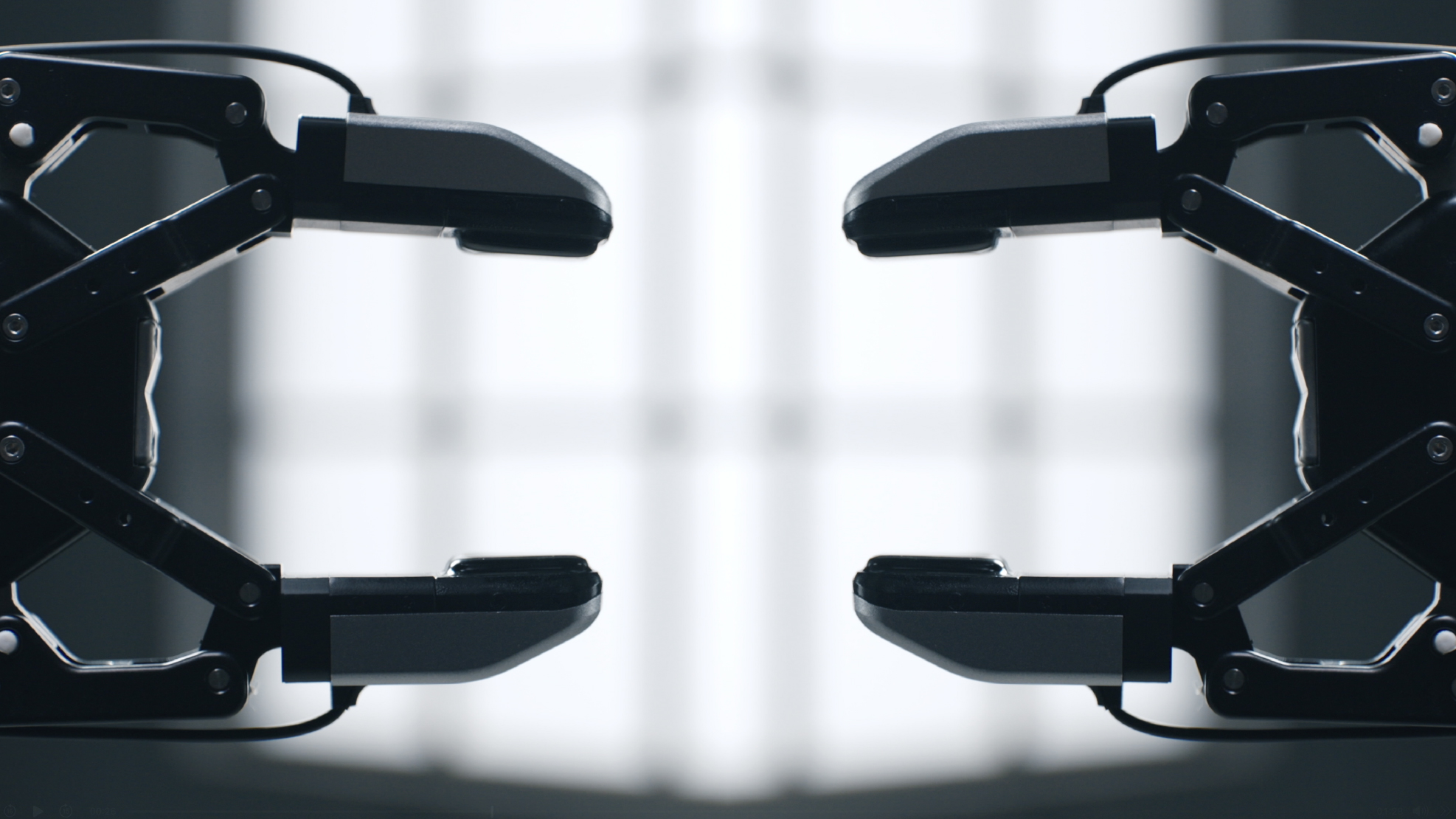
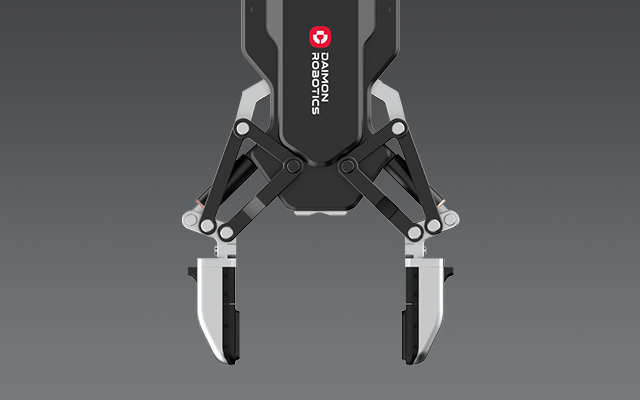
A critical component of smart factories is intelligent logistics, where the movement and handling of materials are optimized through AI systems. Daimon’s approach combines visuotactile feedback with advanced dexterous hand technology, allowing robots to grasp and manipulate a variety of materials with precision and care.
This ability to accurately recognize properties such as size and weight significantly enhances the handling of fragile or irregular components. By ensuring that robots can maintain stability and safety, manufacturers can reduce the risk of damage and waste. Moreover, such capabilities enable a more efficient workflow, minimizing downtime caused by manual interventions or errors. The integration of embodied intelligence thus positions robots as essential collaborators on the factory floor.
The Role of Closed-Loop Decision Making
Closed-loop decision making is pivotal in the management of smart factory operations. It allows for a continuous feedback loop where robots, equipped with visuotactile capabilities, can learn from their actions and refine their strategies accordingly. Daimon’s robots exemplify this process, utilizing data from their interactions to adapt and optimize their performance.
For example, if a robot experiences difficulty with a specific task, it can analyze the feedback received from its tactile sensors and adjust its approach in real time. This adaptability not only enhances operational efficiency but also reduces the need for human oversight in routine tasks. By leveraging embodied intelligence, robots can autonomously manage various aspects of production, leading to streamlined processes and improved outcomes.
Transforming the Future of Manufacturing
As the landscape of manufacturing evolves, the role of embodied intelligence becomes increasingly significant. With companies like Daimon leading the charge, the capabilities of robots are expanding beyond simple automation to include intelligent, adaptable systems that can manage complex factory environments.
Paving the Way for Intelligent Manufacturing
In summary, embodied AI holds tremendous potential for managing smart factory floors. By integrating visuotactile technologies, intelligent logistics, and closed-loop decision-making strategies, Daimon is positioning itself as a leader in this field. The future of manufacturing will rely heavily on the synergy of embodied intelligence, enabling machines to perform tasks with human-like adaptability and precision, ultimately transforming production processes and enhancing overall efficiency.