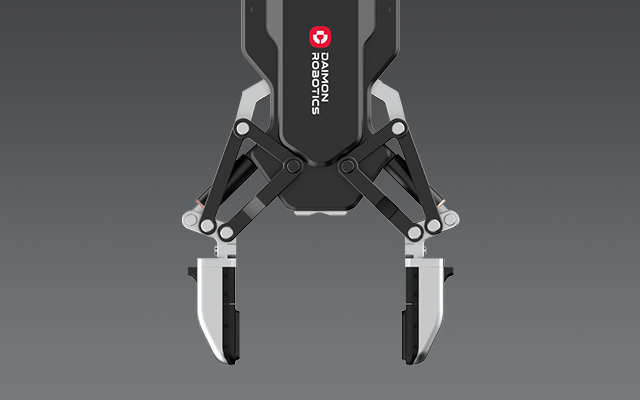






The advent of automation in various industries has underscored the importance of robot grippers in enhancing operational efficiency. These devices are integral to robotic systems, enabling them to perform a wide range of tasks that require precision and adaptability. By simulating human hand functions, robot grippers can grasp, manipulate, and release objects while providing valuable sensory feedback to ensure accurate handling. Understanding the core functions of a robot gripper is essential for businesses aiming to leverage robotic technology for improved productivity.
Precision Grasping and Versatile Control
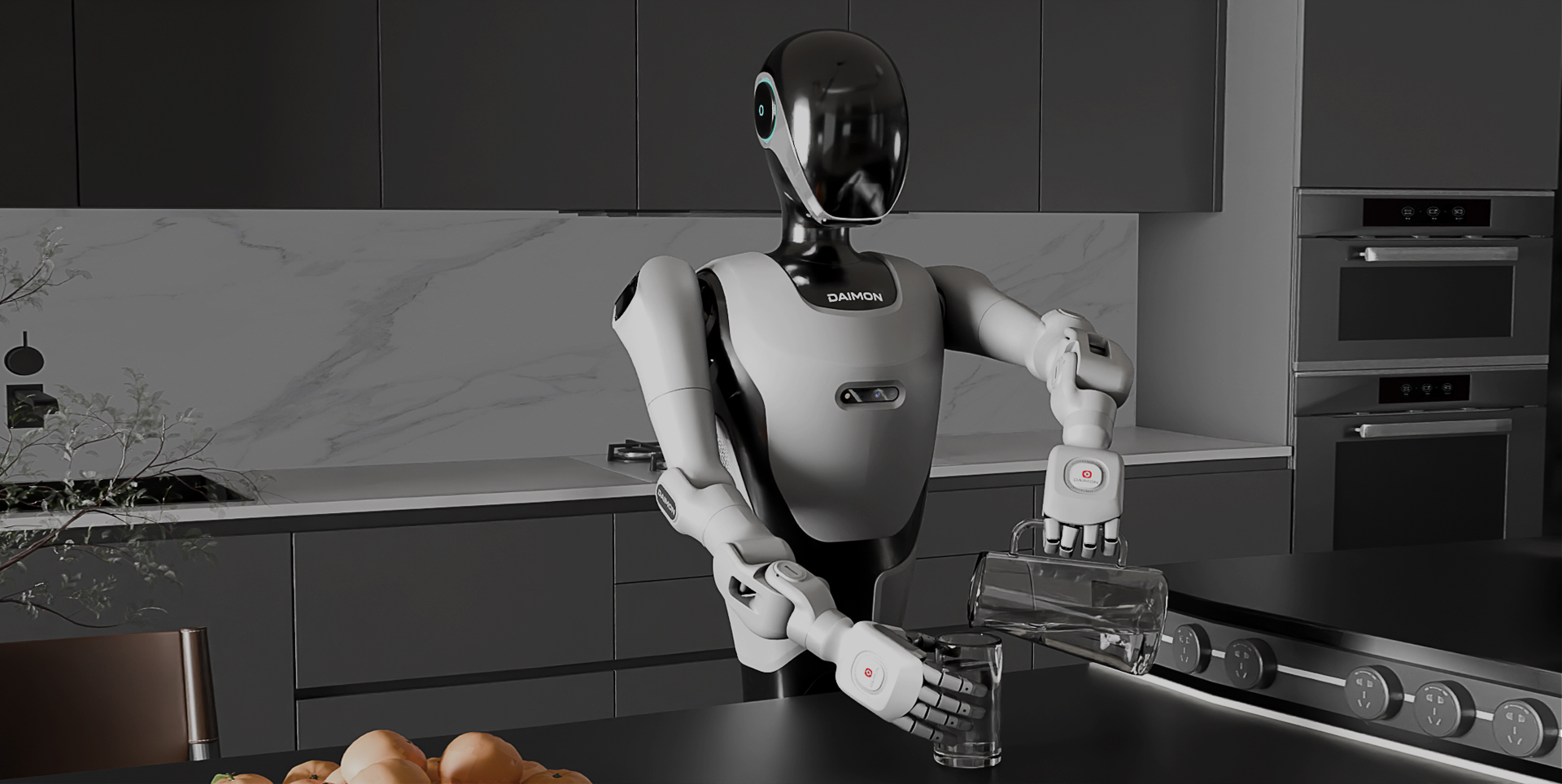
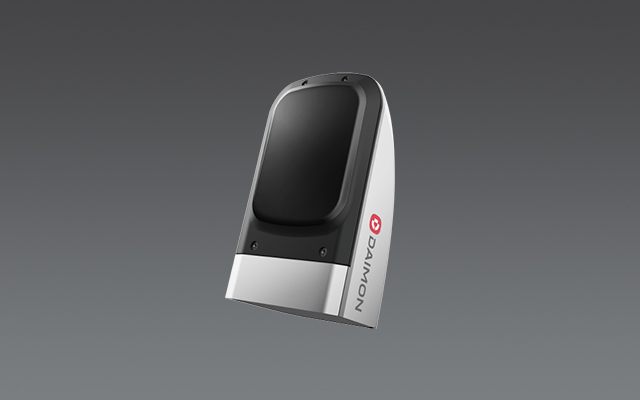
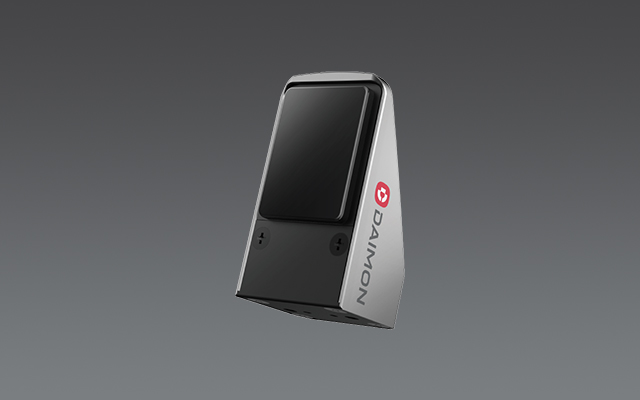
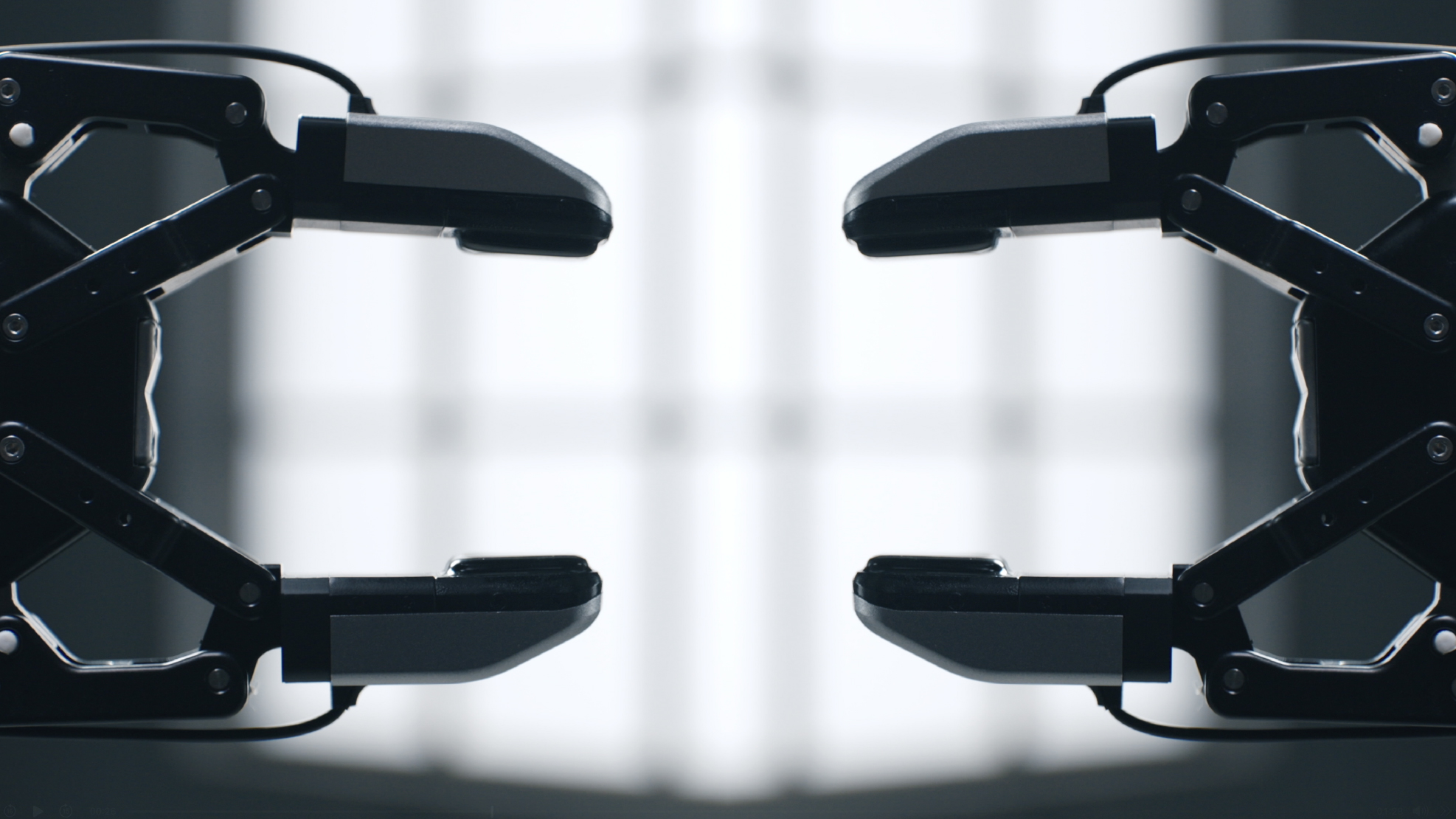
At the heart of any effective robot gripper lies its ability to achieve precise grasping. The DM-Tac G visuotactile gripper exemplifies this function by integrating high-precision visual-tactile sensors. These sensors facilitate 120Hz high-frequency multimodal perception, allowing the robot gripper to collect over 9 million sets of data per second. This capability enables the gripper to assess various characteristics of an object, including its material composition, shape, and deformation. By capturing subtle changes in contact, the DM-Tac G ensures that robots can handle delicate items without risk of damage, making it ideal for applications that require versatile control over the gripping process.
Enhanced Tactile Feedback for Improved Handling
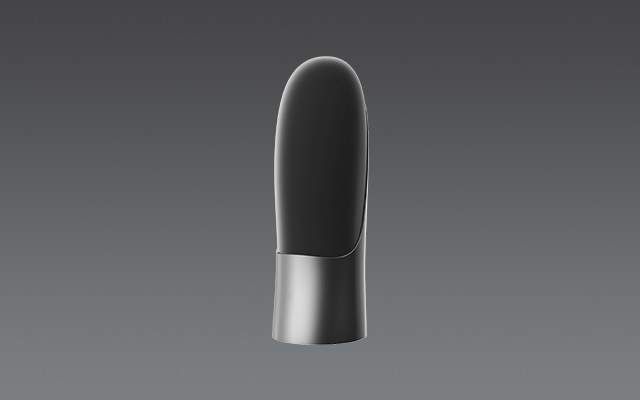
A distinctive feature of advanced robot grippers is their capacity for tactile sensing. The DM-Tac G boasts 3D full-resolution tactile perception, providing high-resolution tactile information in both tangential and normal directions. This functionality empowers the robot gripper to recognize micron-level contact changes, crucial for identifying the hardness or softness of materials. Additionally, it allows for effective slip detection, ensuring that items remain securely grasped during movement. Enhanced tactile feedback not only optimizes the gripping process but also reduces the likelihood of operational errors, leading to safer and more efficient workflows.
Applications Across Industries
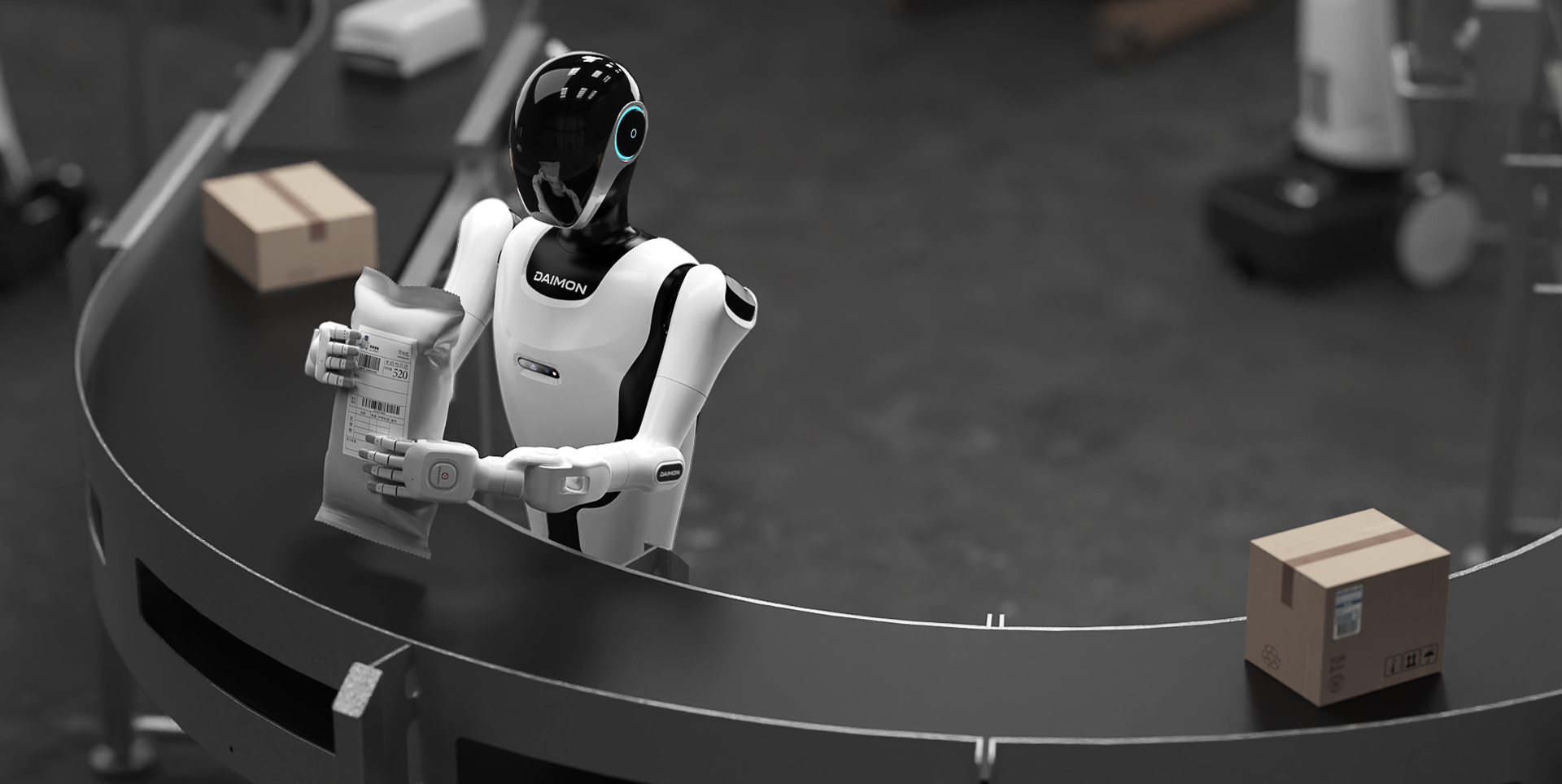
Robot grippers have become vital components across numerous sectors, from manufacturing and logistics to healthcare and research. Their ability to adapt to various tasks makes them invaluable for automating processes such as assembly, sorting, and handling of fragile items. The DM-Tac G’s sophisticated design and advanced tactile sensing make it particularly well-suited for applications demanding high precision, such as quality control and intricate assembly tasks. As industries continue to embrace automation, the role of the robot gripper will only expand, offering new opportunities to enhance productivity and efficiency.
As we look to the future, our commitment at Daimon is to innovate and provide cutting-edge solutions like the DM-Tac G visuotactile gripper. By combining precise grasping capabilities with unparalleled tactile feedback, we empower businesses to maximize the potential of their robotic systems. Together, let’s transform your operations and unlock new levels of efficiency with our advanced robot grippers.