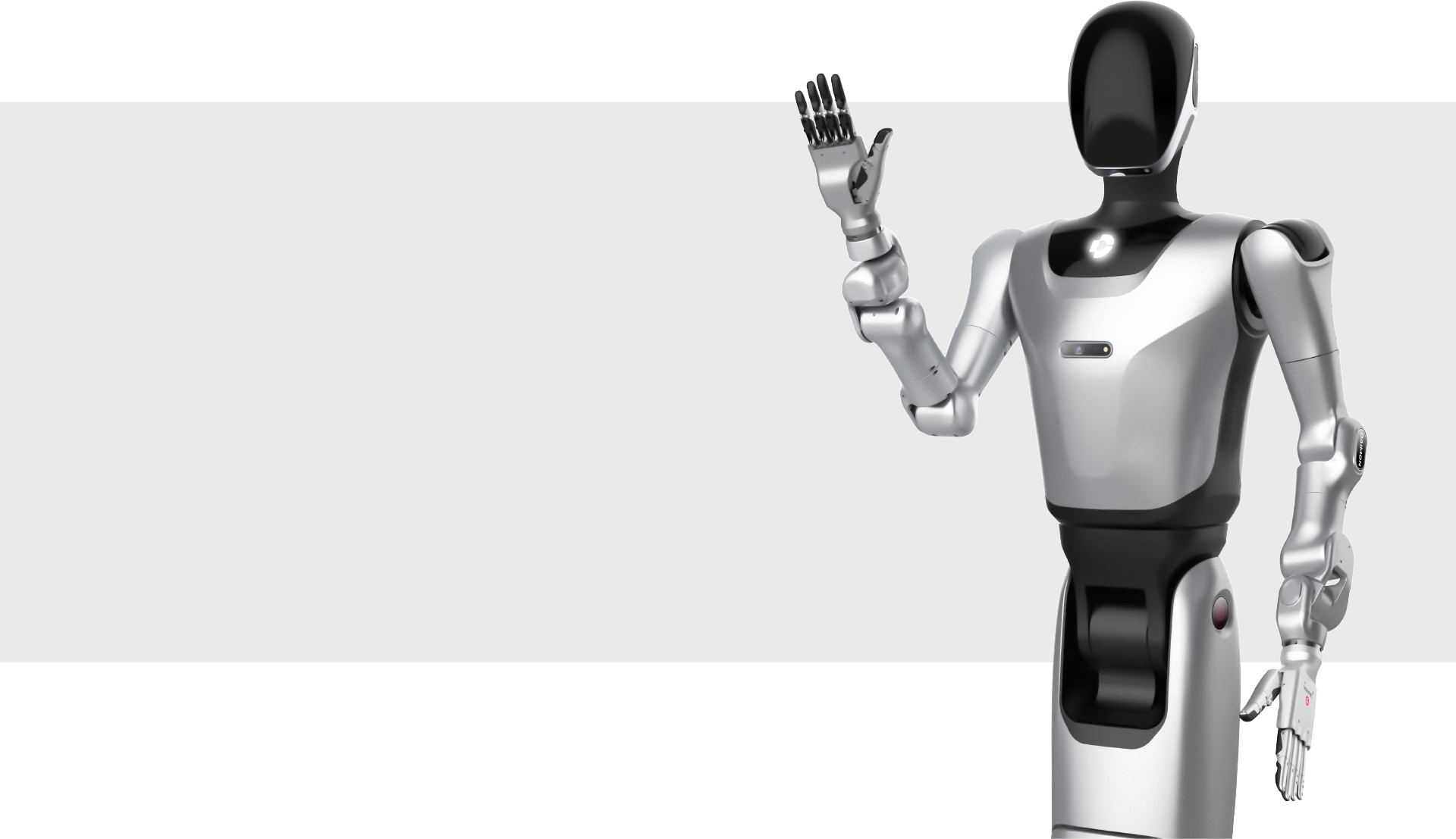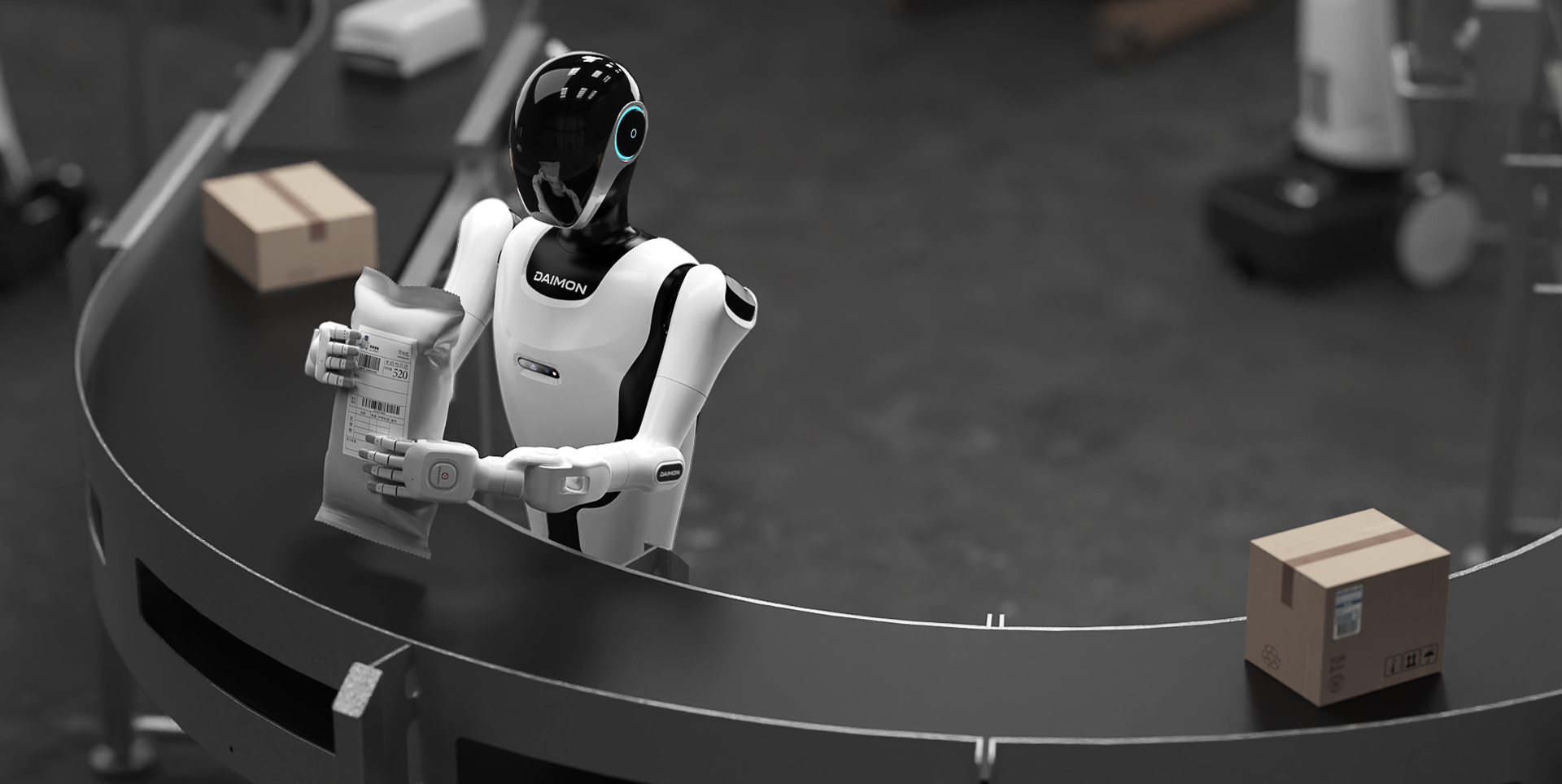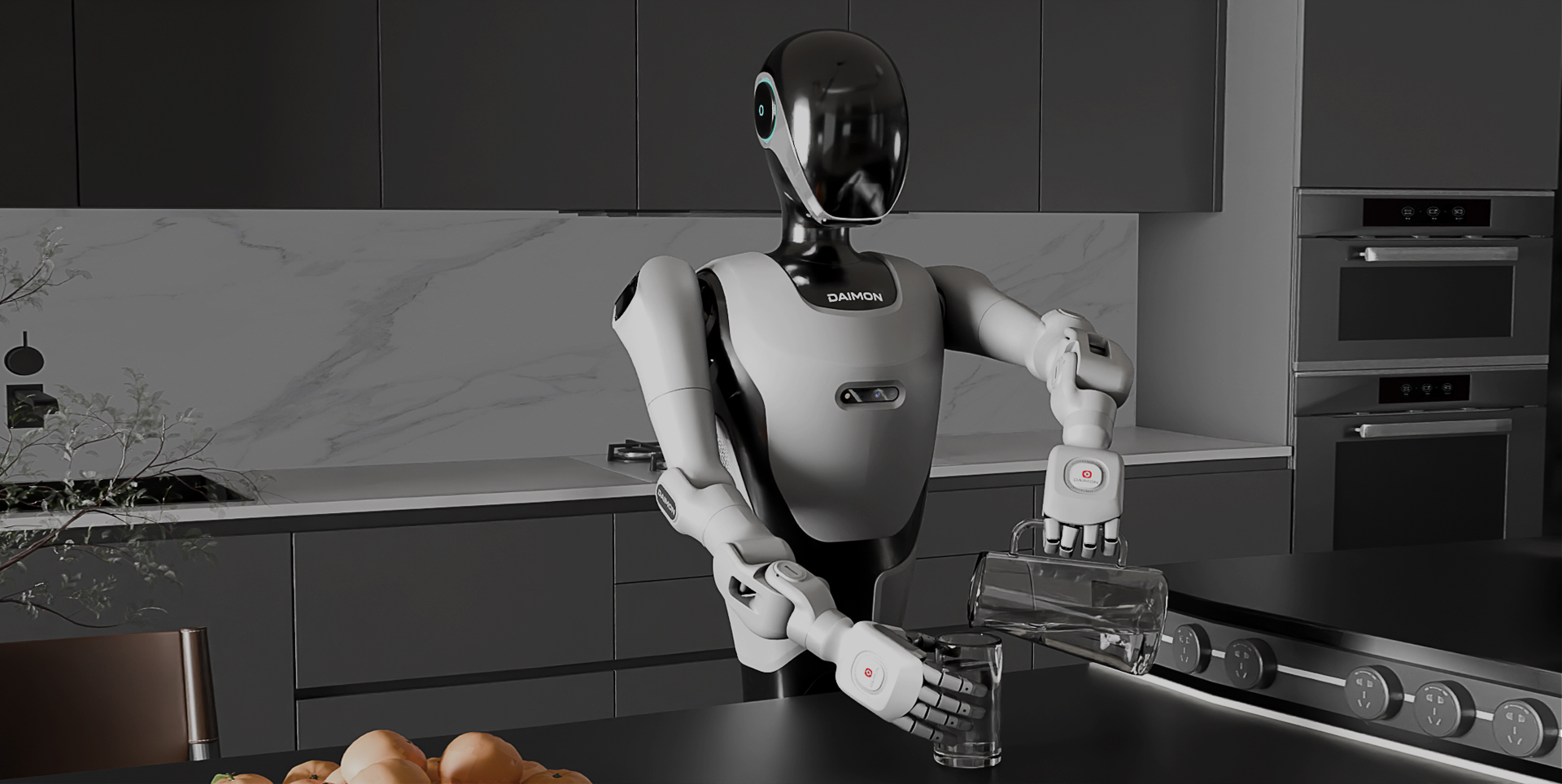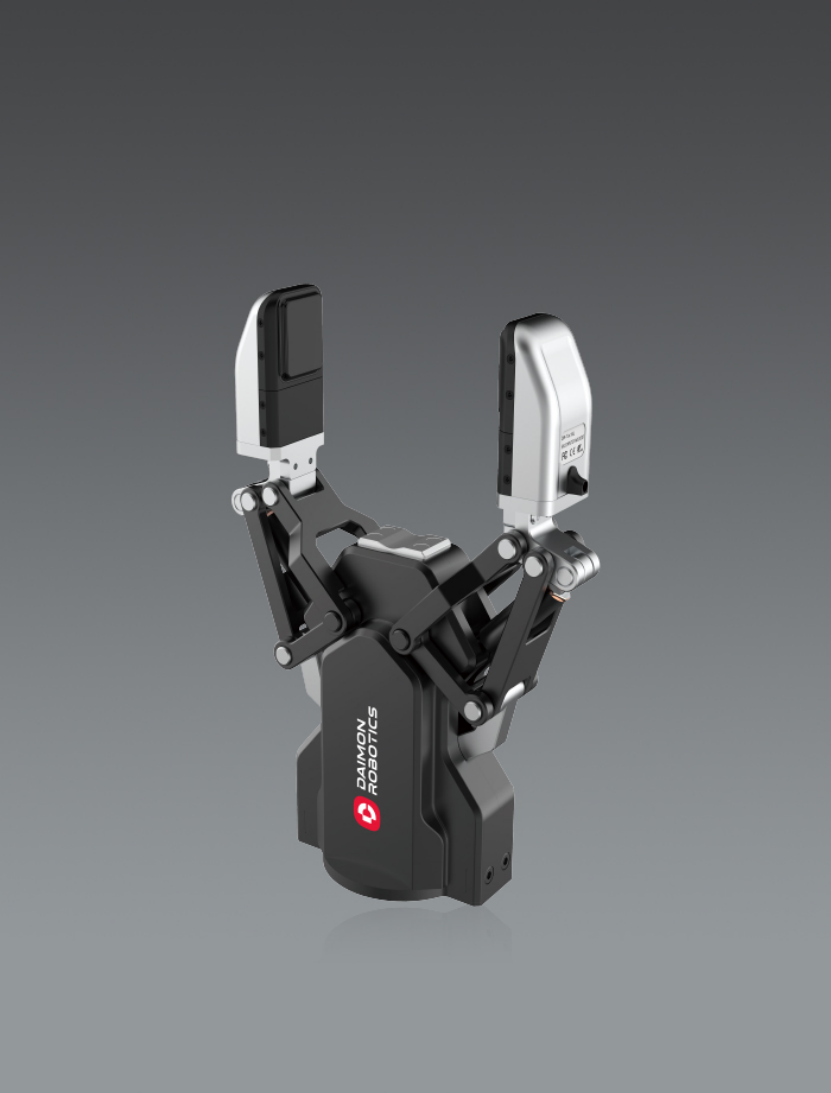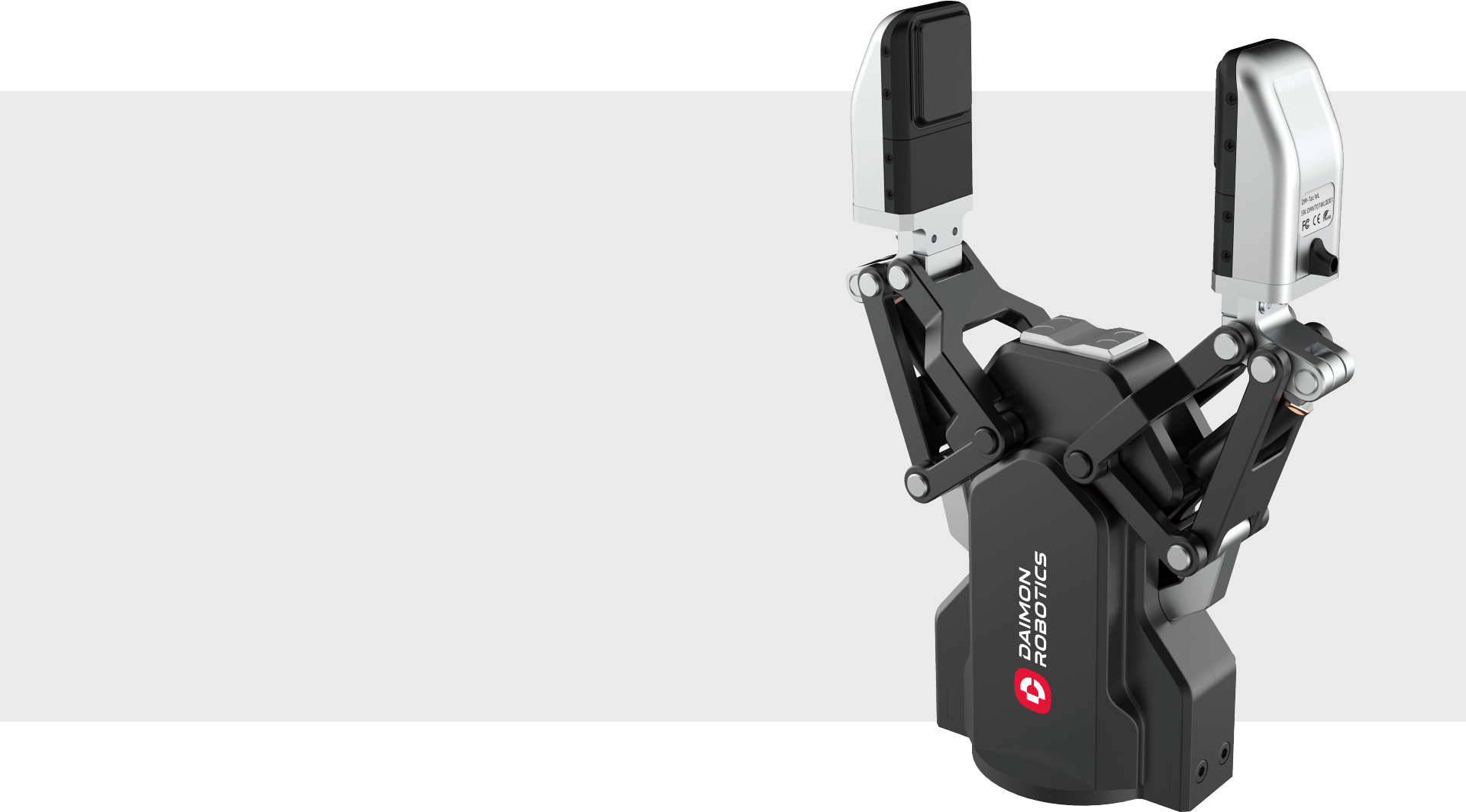
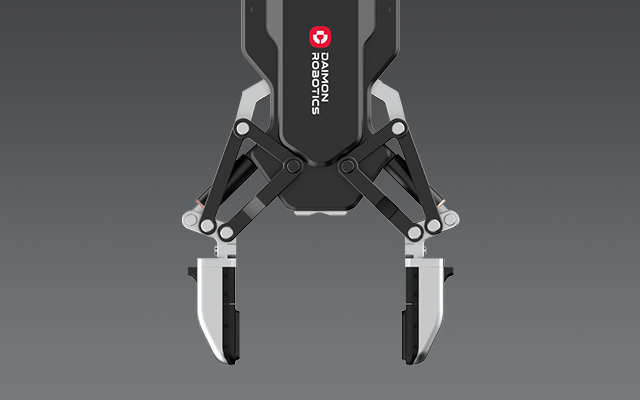
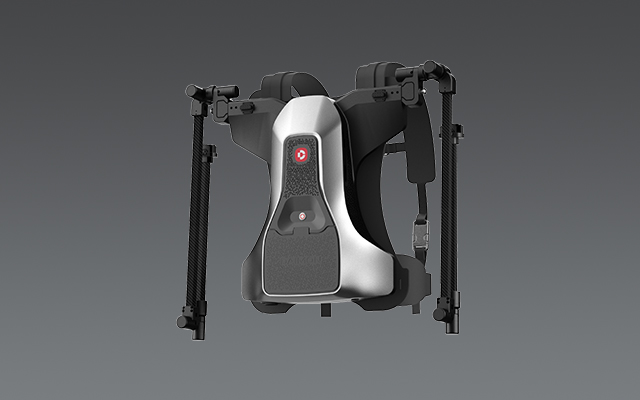
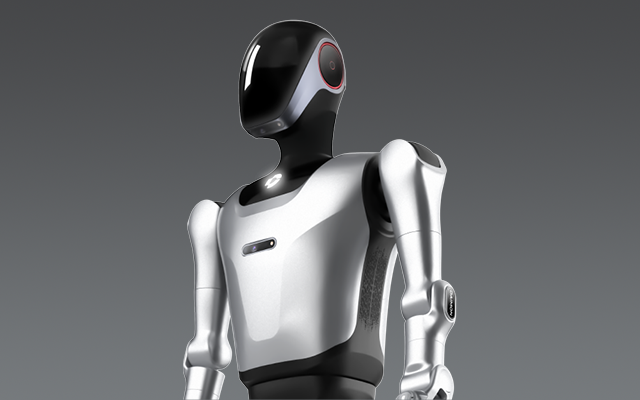






In the rapidly evolving field of robotics, bimanual manipulation using low-cost hardware is gaining traction as a practical solution for various applications. This approach leverages wearable exoskeleton technology and remote teleoperation robots to facilitate intricate tasks that require precise coordination between two manipulators. Daimon is a leading innovator in this space, focusing on solutions that enhance efficiency and adaptability through advanced design and functionality.
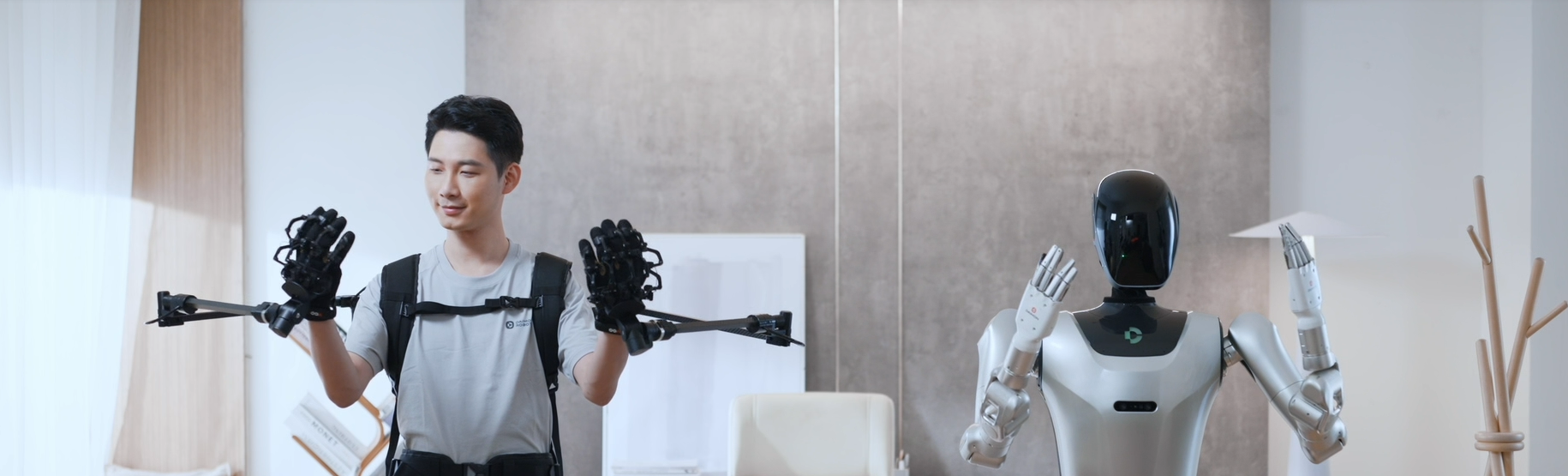
The Role of Wearable Exoskeletons in Bimanual Manipulation
Wearable exoskeletons provide an essential foundation for effective bimanual manipulation. By incorporating flexible frameworks that support the user’s movements, these devices enable users to comfortably engage in activities that require coordinated use of both hands. Daimon’s design philosophy emphasizes versatility, offering modular components that can adapt to various end-effectors, such as control pads and gloves. This allows operators to seamlessly switch between tools without the need for complex setups, thereby enhancing productivity.
Moreover, the integration of remote teleoperation robots with wearable exoskeletons allows for advanced manipulation capabilities. Operators can control these robots from a distance, utilizing the exoskeleton’s feedback mechanisms to achieve more delicate and precise movements. This synergy between human and robot greatly enhances the efficiency of tasks, making it an attractive option for industries such as manufacturing, healthcare, and logistics.
Features of Low-Cost Bimanual Manipulation Hardware
The development of low-cost bimanual manipulation hardware hinges on several critical features that enhance user experience and operational effectiveness. Daimon's DM-DataMaster exemplifies innovation in this domain, showcasing a snap-fit design that enables quick adaptation to various control methods. This flexibility ensures that the same device can be employed for different tasks, an essential factor in environments that demand rapid changes in operation.
Additionally, the 3-gear motion scaling feature allows users to toggle between fine manipulation and broader motion tasks effortlessly. This one-touch switching capability is crucial for operators who need to engage in both delicate and large-scale movements without losing efficiency. The ability to modify master-slave mapping relationships on the fly ensures that users can execute a wide range of tasks with precision.
Furthermore, the 1000Hz low latency response of these systems guarantees millisecond-level command synchronization, facilitating seamless collaboration between the human operator and the remote teleoperation robot. This responsiveness is vital in scenarios where timing and accuracy are critical, ensuring that actions carried out by the robot mirror the operator's intentions precisely.
Applications and Implications
Bimanual manipulation using low-cost hardware opens up a realm of possibilities across various sectors. In manufacturing, for example, operators can utilize remote teleoperation robots to handle complex assembly tasks, reducing the physical strain on workers. In healthcare, these systems can assist in surgeries or rehabilitation procedures, allowing for precise control of tools while enhancing patient safety.
Moreover, as organizations continue to adopt automation technologies, the role of bimanual manipulation becomes increasingly vital. By equipping workers with wearable exoskeletons and remote teleoperation robots, companies can improve operational efficiency while minimizing injury risk. Daimon’s innovations in this space not only enhance productivity but also contribute to a safer work environment.
Transforming Future Workspaces
In summary, the advancement of bimanual manipulation with low-cost hardware marks a significant shift in the landscape of robotics. The integration of wearable exoskeletons with remote teleoperation robots enhances human capabilities, allowing for more efficient and flexible workflows. As demonstrated by Daimon’s commitment to simplifying operations through the DM-DataMaster, the future of work will increasingly rely on these technologies to facilitate collaboration between humans and machines. Embracing these innovations will not only optimize performance but also pave the way for a more adaptable and resilient workforce.