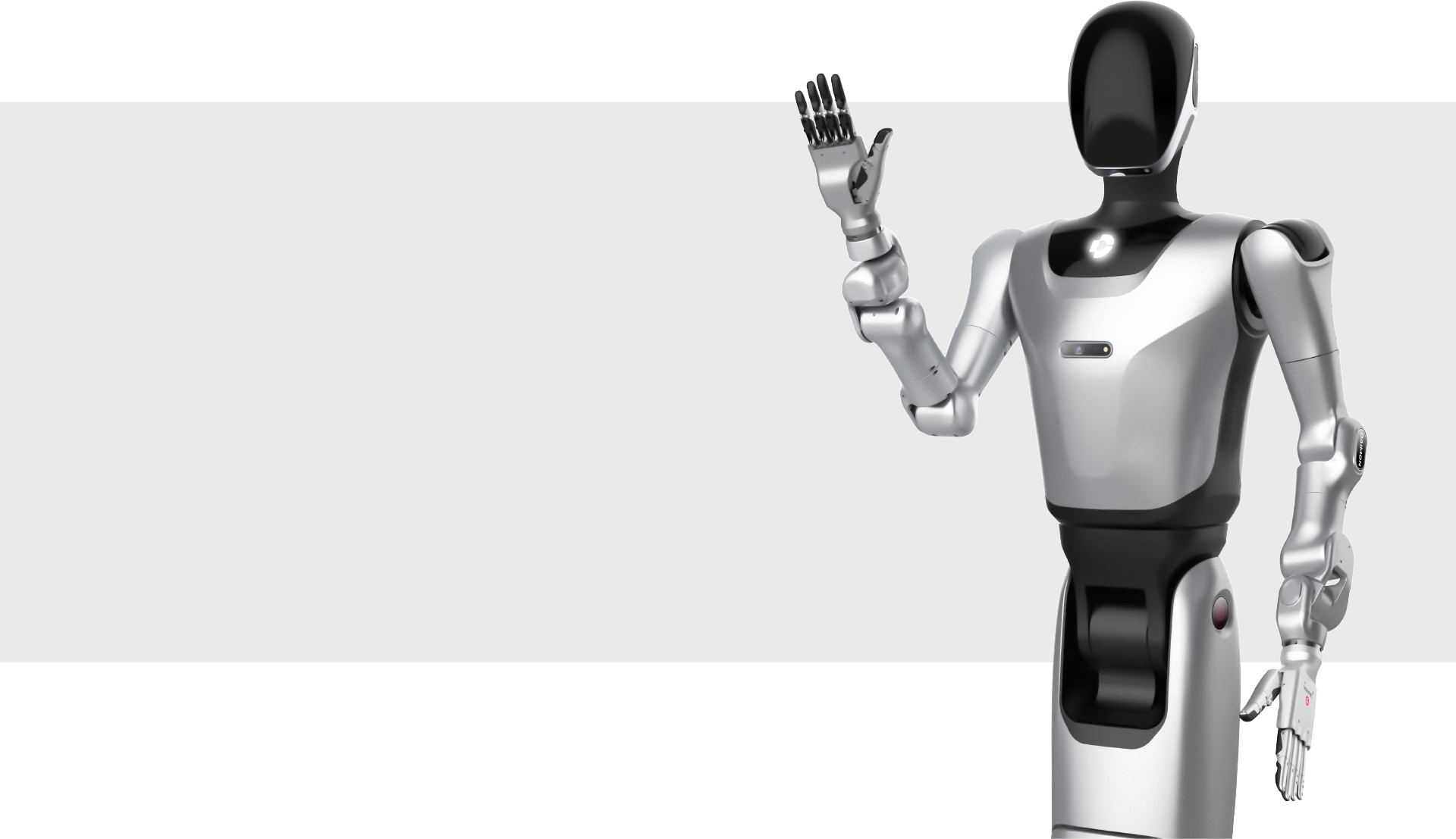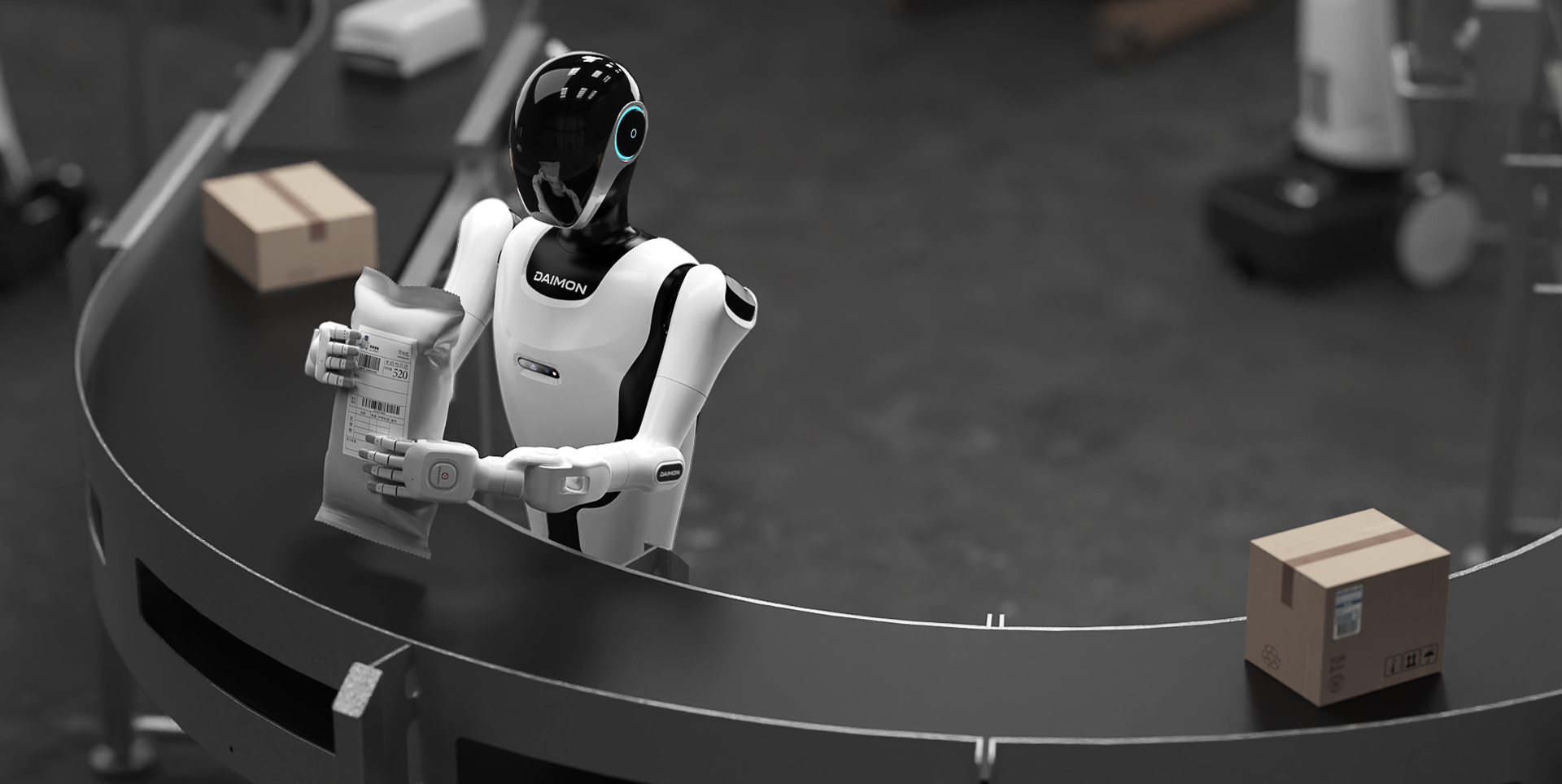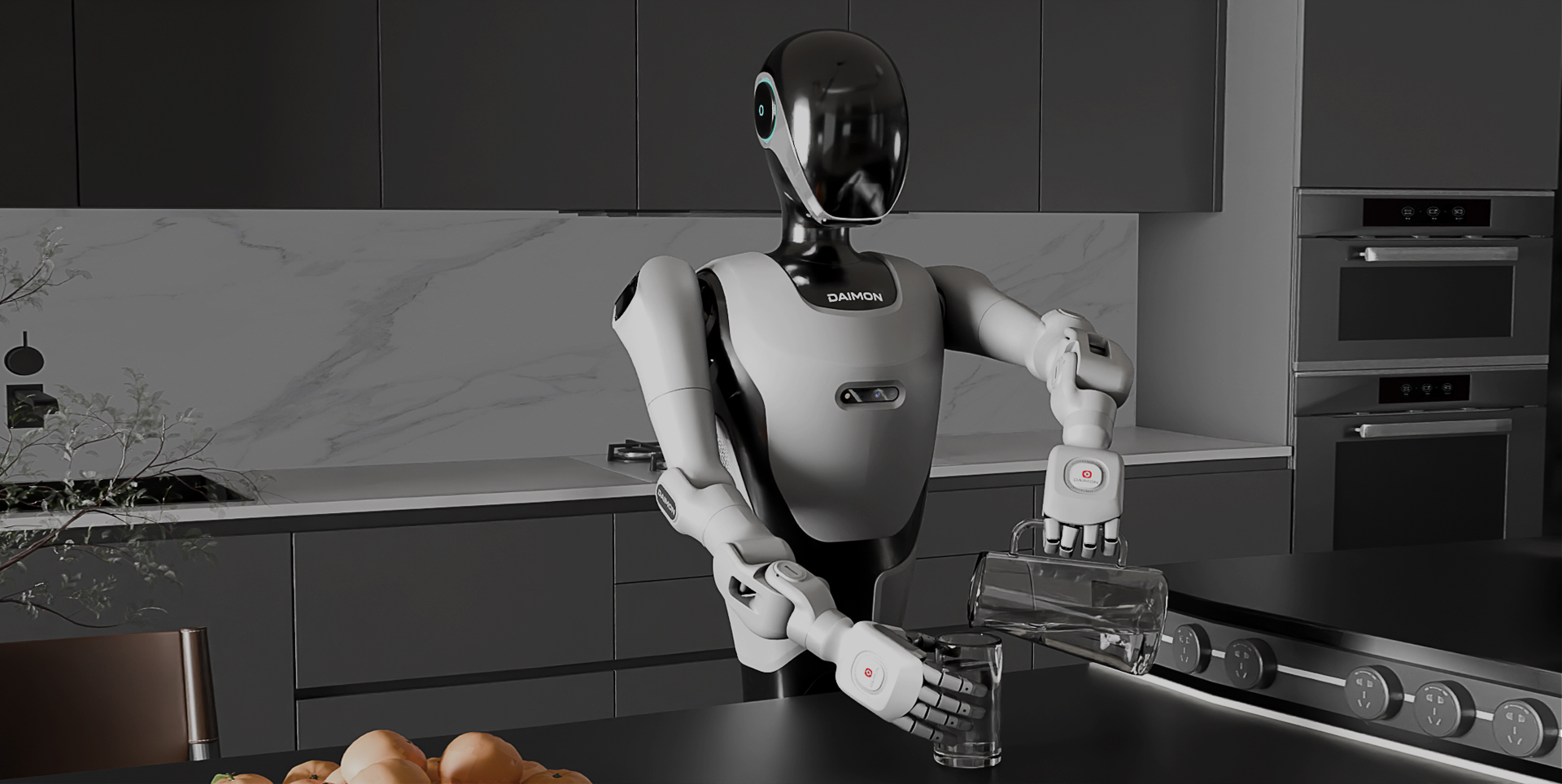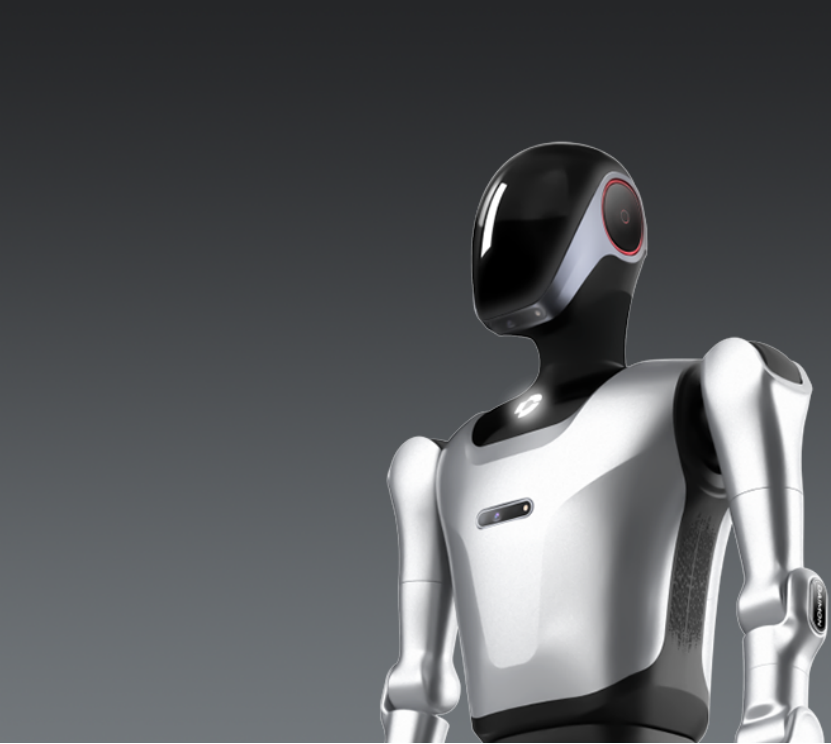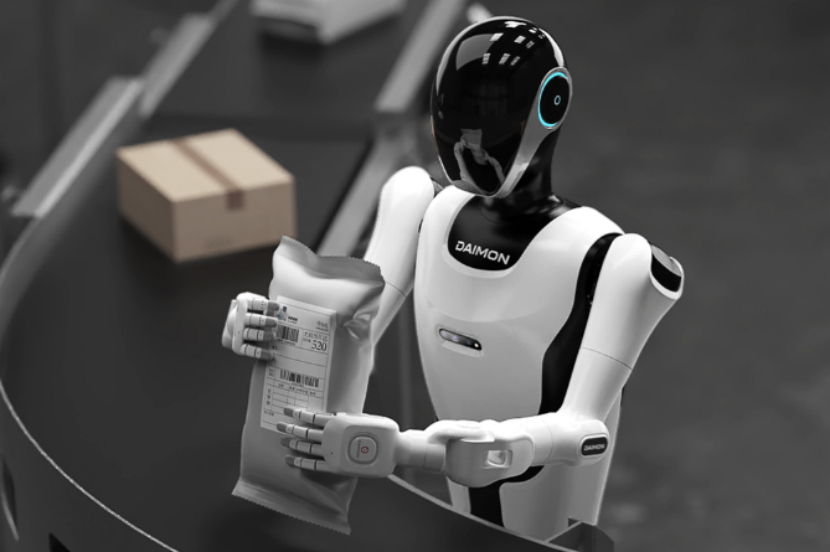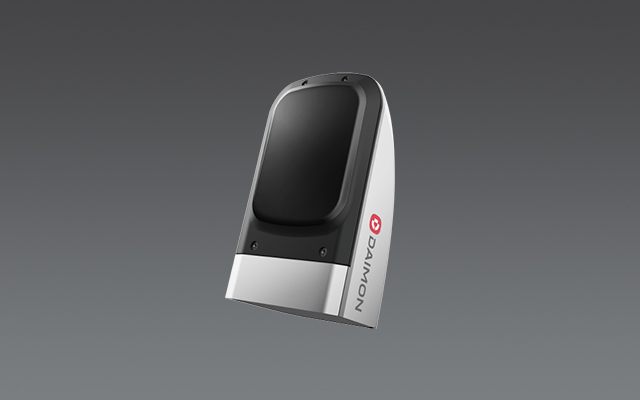
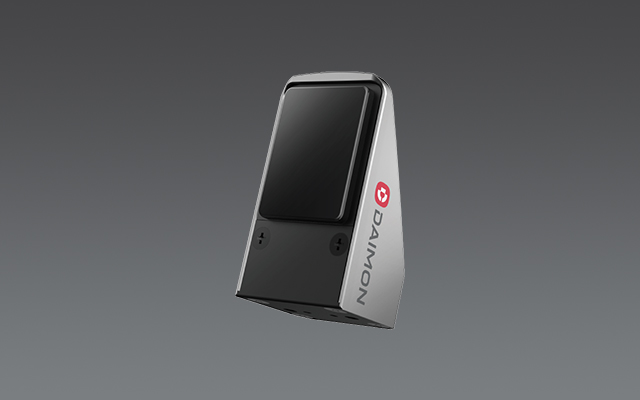
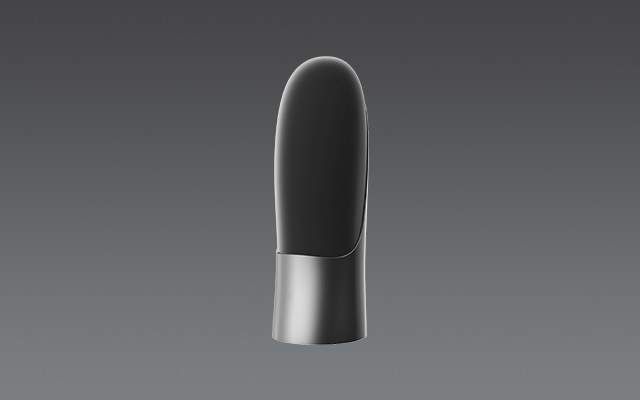
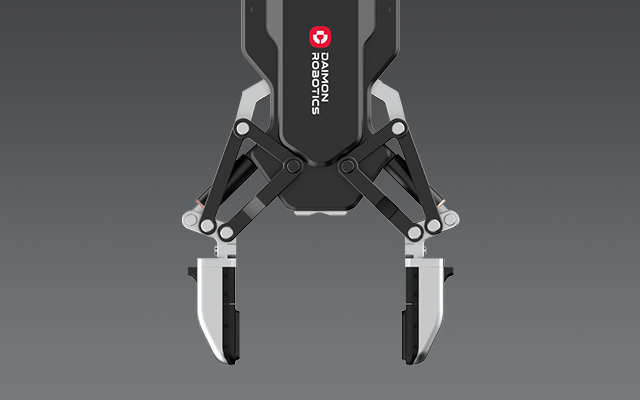
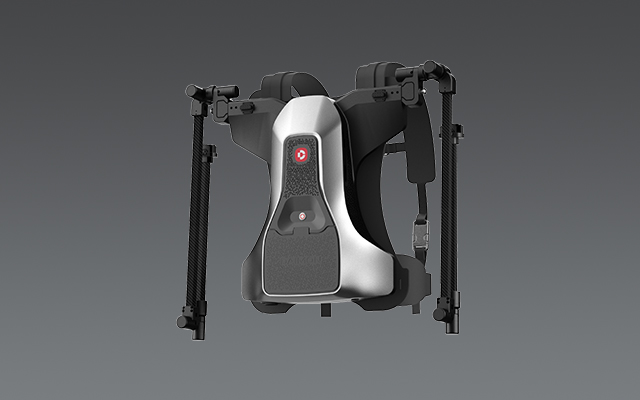
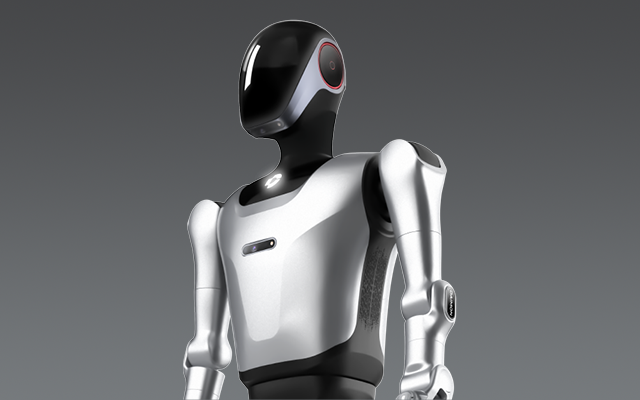






We advance robotic manipulation capabilities by developing innovative vision-based tactile sensors that provide accurate force feedback. These sensors are designed to detect and interpret touch, enabling machines to respond to their environment in ways that mimic human senses. Companies like Daimon are at the forefront of this technology, developing sophisticated products such as the DM-Tac W, which exemplifies the potential of tactile sensing in enhancing robot dexterity and interaction.
The Future of Touch in Robotics
Tactile sensors are devices that measure physical interaction through touch, pressure, or force. They play an integral role in robotic systems, allowing for nuanced responses during manipulation tasks. Unlike standard sensors that may only detect motion or proximity, sensores tactiles provide multidimensional data essential for tasks requiring delicate handling.
The DM-Tac W by Daimon showcases the advanced capabilities of tactile sensing. It features over 40,000 sensing units per square centimeter, enabling high-resolution perception. This high density of sensing elements ensures that even the slightest contact variations can be detected, allowing robots to understand the shape, texture, and firmness of objects. The integration of such sensors in robotics opens doors to applications in various fields, including manufacturing, healthcare, and consumer products.
The Role of Tactile Sensing in Robotics
Tactile sensing significantly enhances the functionality of robotic systems. By employing sensors like the DM-Tac W, robots can achieve a level of dexterity previously unattainable. Real-time force measurement allows these systems to adjust their grip or pressure dynamically, ensuring that fragile items are handled safely.
Moreover, accurate force feedback is crucial for tasks that involve manipulation of diverse materials. For instance, in assembly lines, robots equipped with sensores tactiles can determine the right amount of force needed to insert components without damaging them. This ability results in increased efficiency and reduced waste.
Furthermore, tactile sensing elevates human-robot interaction. Robots that can “feel” their environment can provide more intuitive and seamless interactions, whether it's a robotic assistant in a home setting or a collaborative robot on a factory floor. This capability is vital as industries move towards greater automation and intelligent systems.
Applications and Advances in Tactile Sensing
The applications of sensores tactiles are vast and continuously expanding. In healthcare, for example, tactile sensing is utilized in robotic surgery, where precision is paramount. Sensors can provide surgeons with haptic feedback, enhancing their ability to perform delicate operations remotely. In manufacturing, sensores tactiles improve quality control by allowing robots to assess product integrity through touch.
Recent advancements in tactile sensing technology, such as the multimodal capabilities of the DM-Tac W, highlight the need for high-resolution perception. This device captures multiple types of sensing modalities, providing comprehensive tactile information that is essential for effective robotic performance. As these technologies evolve, we can expect further integration into everyday applications, increasing reliance on sensors in various industries.
The Future of Tactile Sensors in Robotics
The innovation surrounding tactile sensing is reshaping the landscape of robotics. With companies like Daimon leading the charge, the future promises enhanced sensitivity and functionality in sensores tactiles. As we continue to explore and refine these technologies, the potential for more sophisticated robotic systems grows. Tactile sensors will be integral to achieving greater autonomy and flexibility in robotics, defining how machines perceive and interact with the world.
By harnessing the power of tactile sensing, we are not just enhancing robots; we are paving the way for smarter, more adaptive technologies that can enrich human experiences and improve operational efficiency across diverse sectors. The journey of sensores tactiles is just beginning, and the possibilities are exciting.