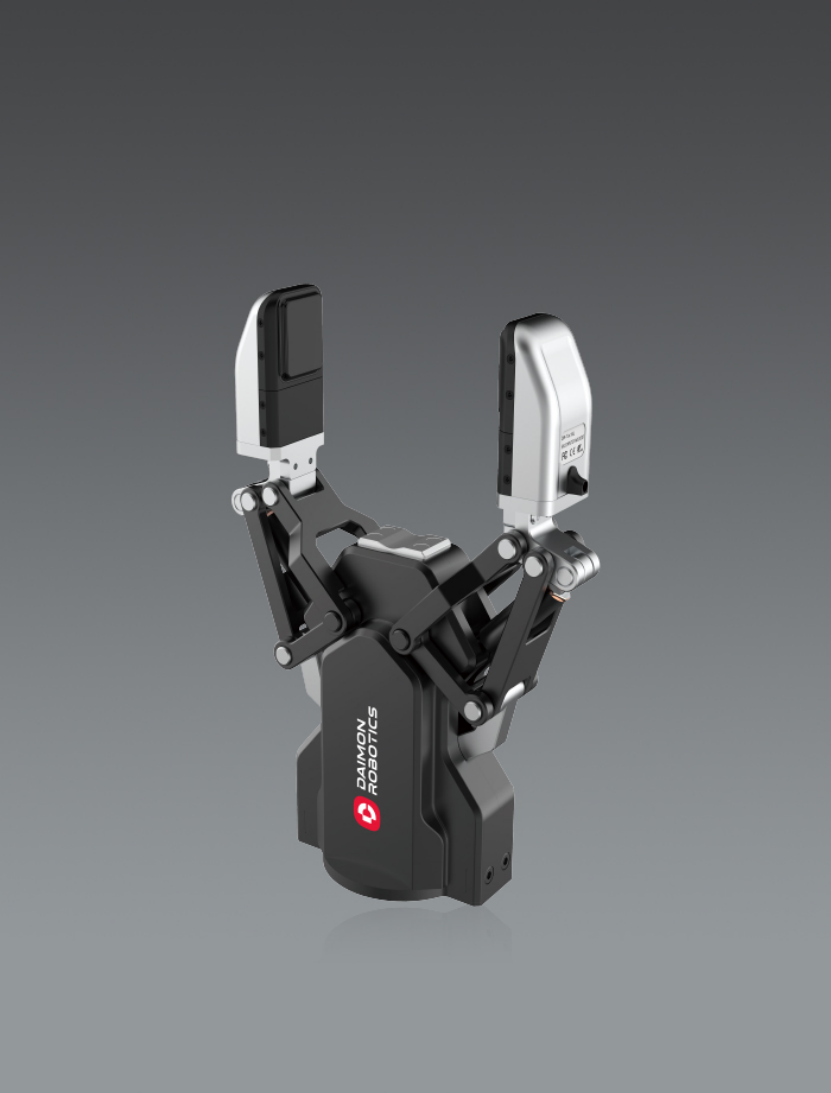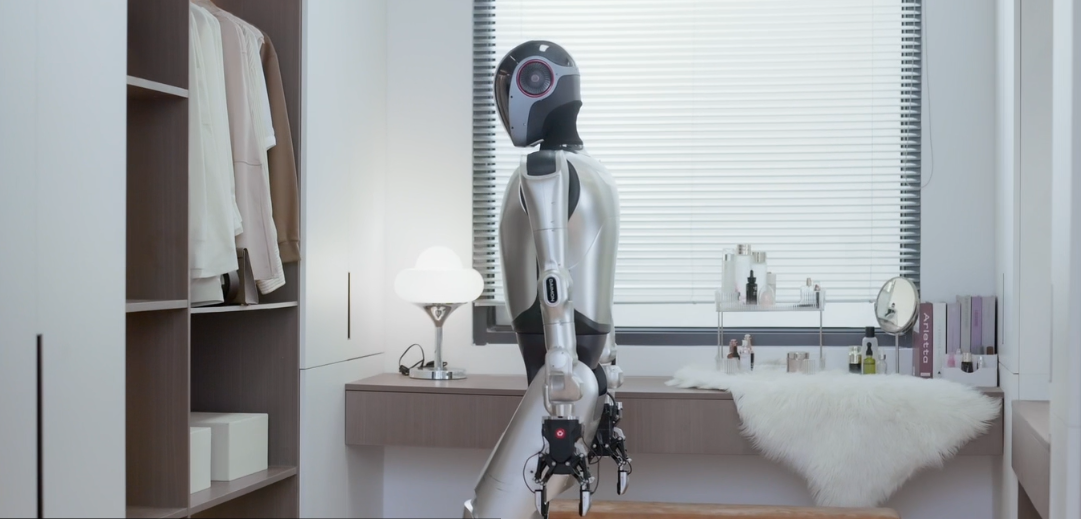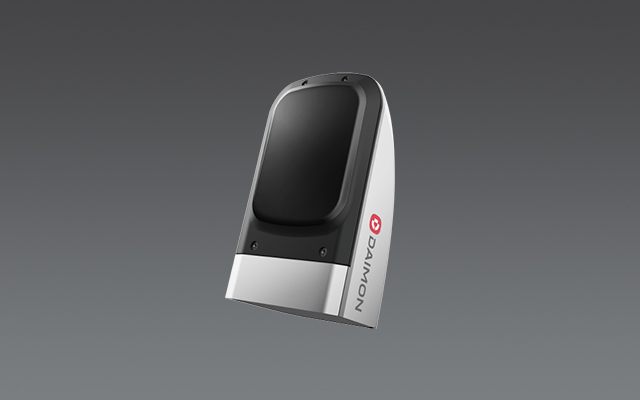
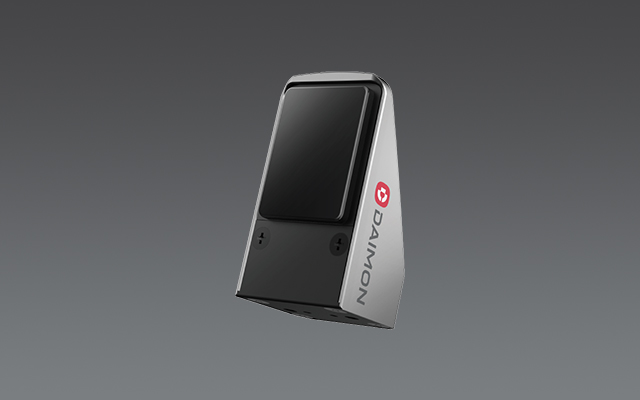
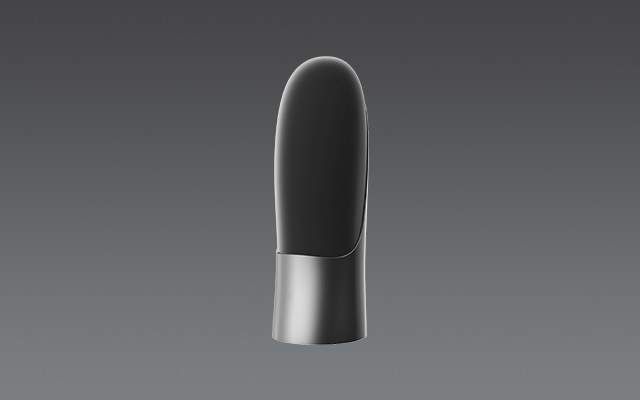






Mechanical grippers are essential components in robotic systems, providing the ability to grasp, manipulate, and control objects with precision. In conjunction with advanced technologies like tactile sensing, these grippers greatly enhance the capabilities of robots. Companies like Daimon are pioneering innovations in this field, particularly with their DM-Tac W, which integrates multimodal tactile interfaces to improve dexterous manipulation.
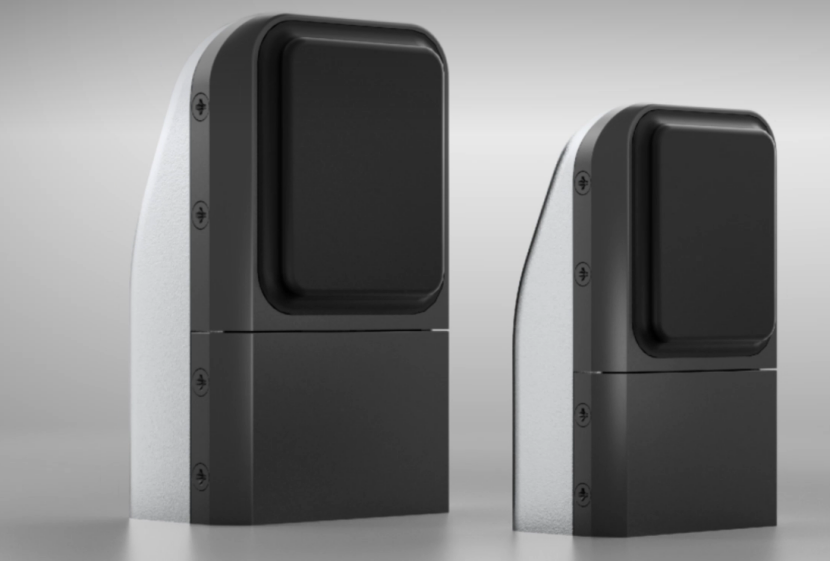
What Is a Robot Gripper?
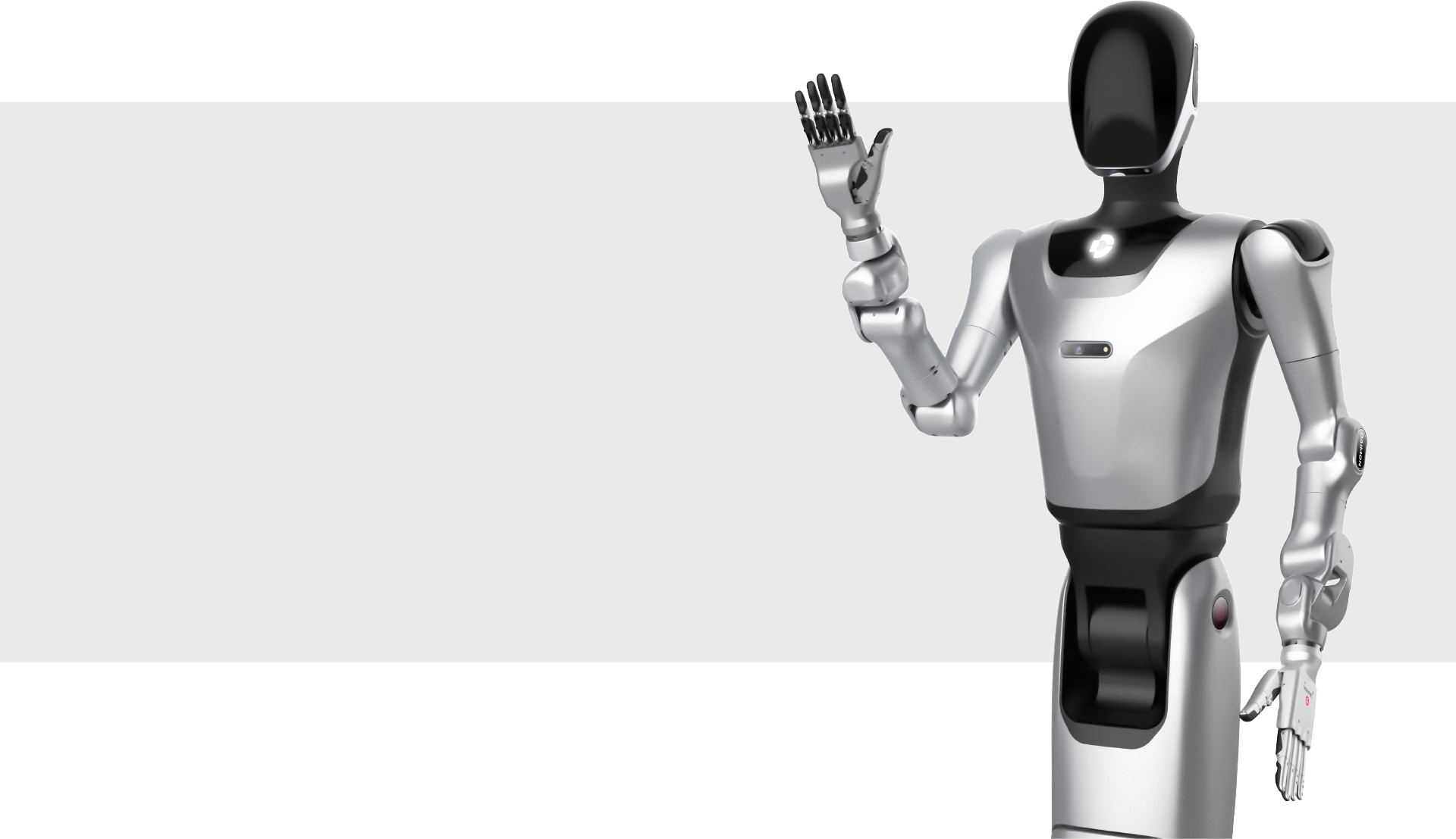
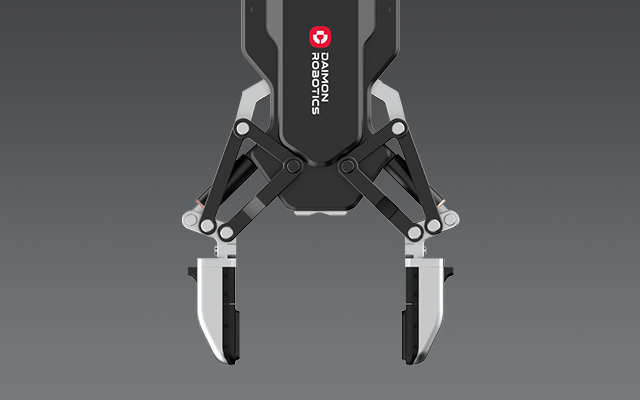
A robot gripper is a specialized device designed to enable a robot to hold and manipulate objects. Grippers come in various designs, tailored to specific tasks and types of objects. They can be classified into two main categories: parallel grippers and adaptive grippers.
Parallel grippers use two or more fingers that move in parallel to grip objects, while adaptive grippers can change shape to conform to the object being held. The choice of gripper is crucial, as it depends on the complexity of the task and the characteristics of the items involved. Tactile sensing enhances robot grippers by enabling them to detect the shape and texture of objects, ensuring a secure and appropriate grip.
The Importance of Tactile Sensing in Gripper Functionality
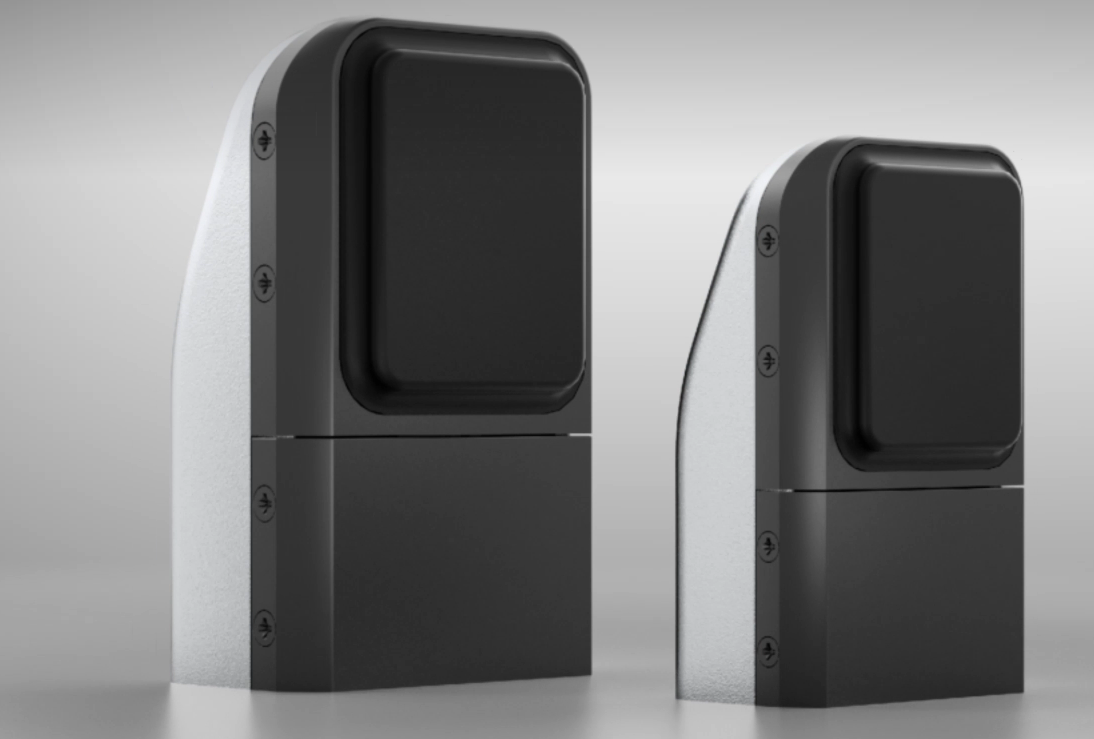
Tactile sensing significantly improves the functionality of robot grippers. With the integration of sensors like those in the DM-Tac W, which features over 40,000 sensing units per square centimeter, robot grippers can achieve high-resolution perception. This level of sensitivity allows robots to detect not only the presence of an object but also its specific characteristics, such as weight, texture, and rigidity.
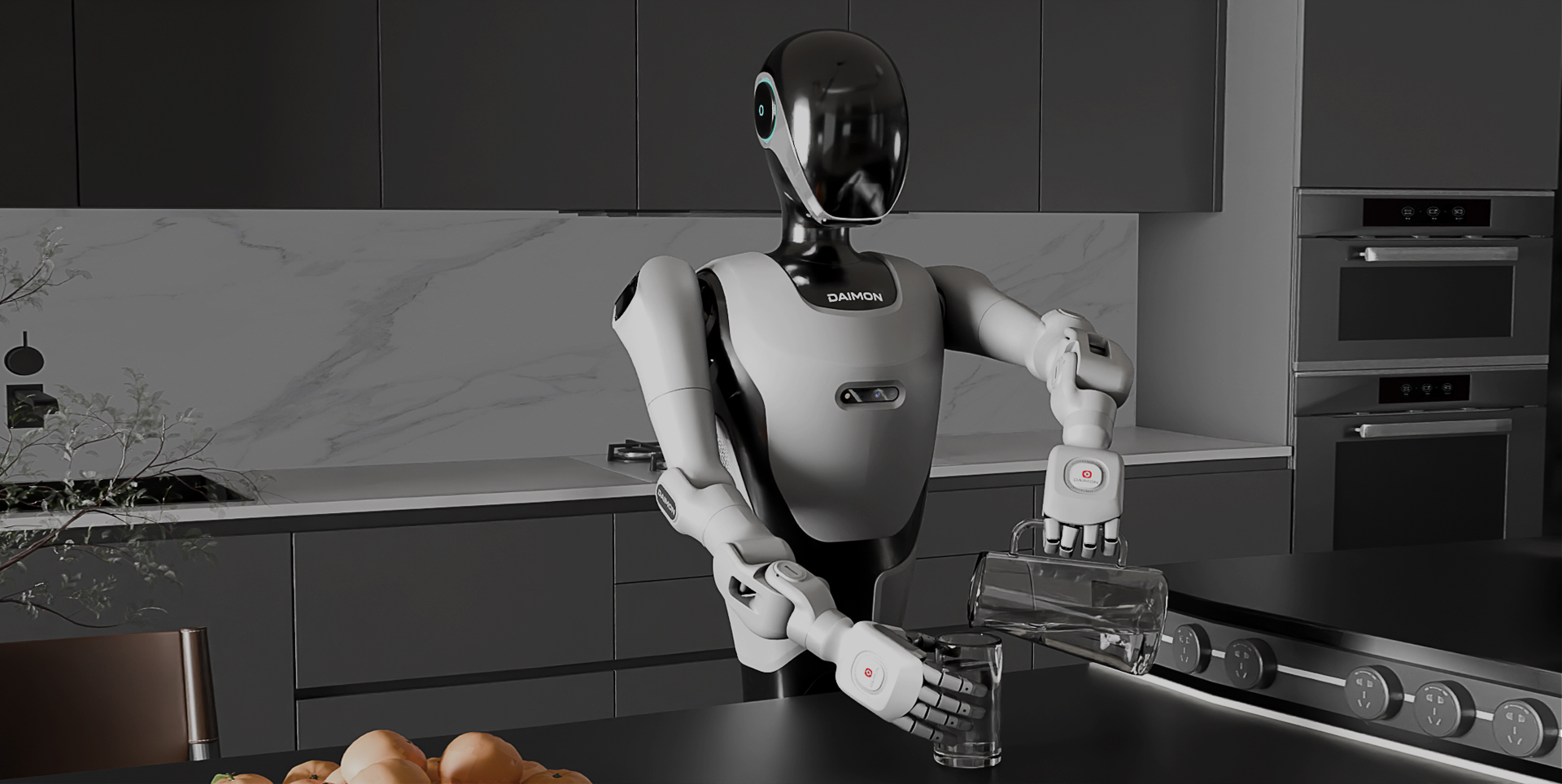
This capability is essential for applications requiring high precision and care, such as handling delicate components in electronics or fragile items in food packaging. Real-time feedback from tactile sensors enables robots to adapt their grip force instantaneously, minimizing the risk of damage during manipulation. Thus, tactile sensing is a vital component that enhances the performance of robot grippers, enabling them to operate efficiently in varied environments.
Applications of Robot Grippers in Industry
Mechanical grippers equipped with tactile sensing find applications across many industries. In manufacturing, they are commonly used in assembly processes where accuracy is crucial. For instance, a robot gripper can assemble tiny electronic parts with the sensitivity afforded by tactile sensors, ensuring proper placement and secure fitting.
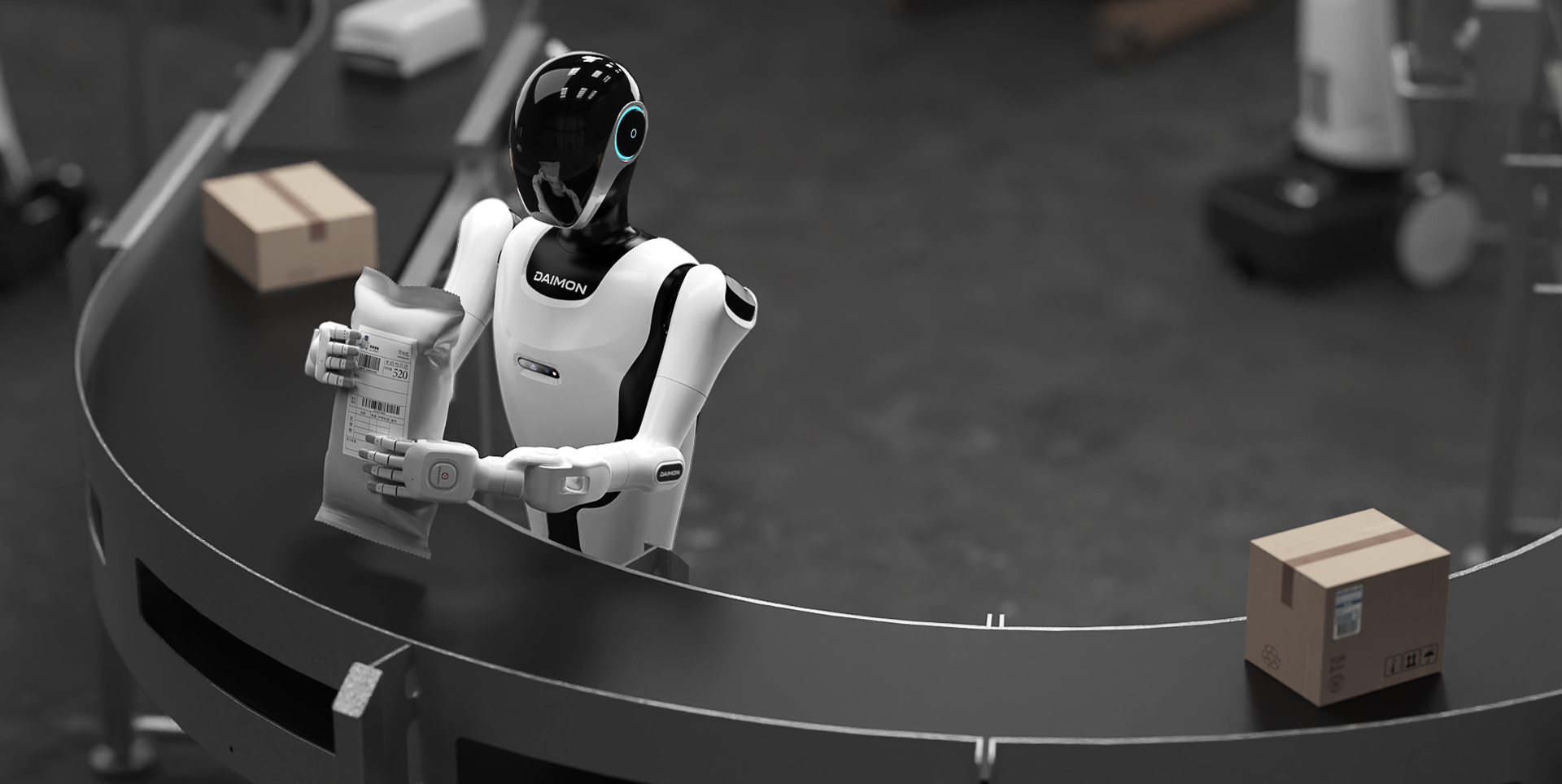
In the logistics sector, robot grippers streamline sorting and packaging operations. They can handle diverse items, from boxes to fragile glassware, thanks to their adaptive capabilities and tactile feedback. Automated agricultural systems also benefit from robotic grippers, as they can delicately harvest fruits and vegetables without bruising them.
Daimon's DM-Tac W elevates these applications by providing a stable output signal and an easy-to-use interface, making it easier to integrate tactile sensing into existing robotic systems. This versatility allows companies to enhance productivity while maintaining quality.
Enhancing Robotic Manipulation with Tactile Sensors
In summary, the role of mechanical grippers in robotics is pivotal, and their functionality is greatly enhanced by tactile sensing technologies. With advanced sensors like the DM-Tac W from Daimon, robot grippers can achieve unprecedented levels of dexterity and precision.
The integration of tactile sensing allows robots to better perceive their environment and perform intricate tasks that require fine motor skills. As industries continue to evolve, the necessity for intelligent robotic solutions will only increase, solidifying the importance of mechanical grippers equipped with advanced tactile sensing capabilities.
By harnessing the advancements in tactile sensing, Daimon and similar companies are shaping the future of robotic manipulation, paving the way for smarter and more adaptive robotic systems. This evolution not only improves operational efficiency across various industries but also opens new avenues for innovation in robotics.