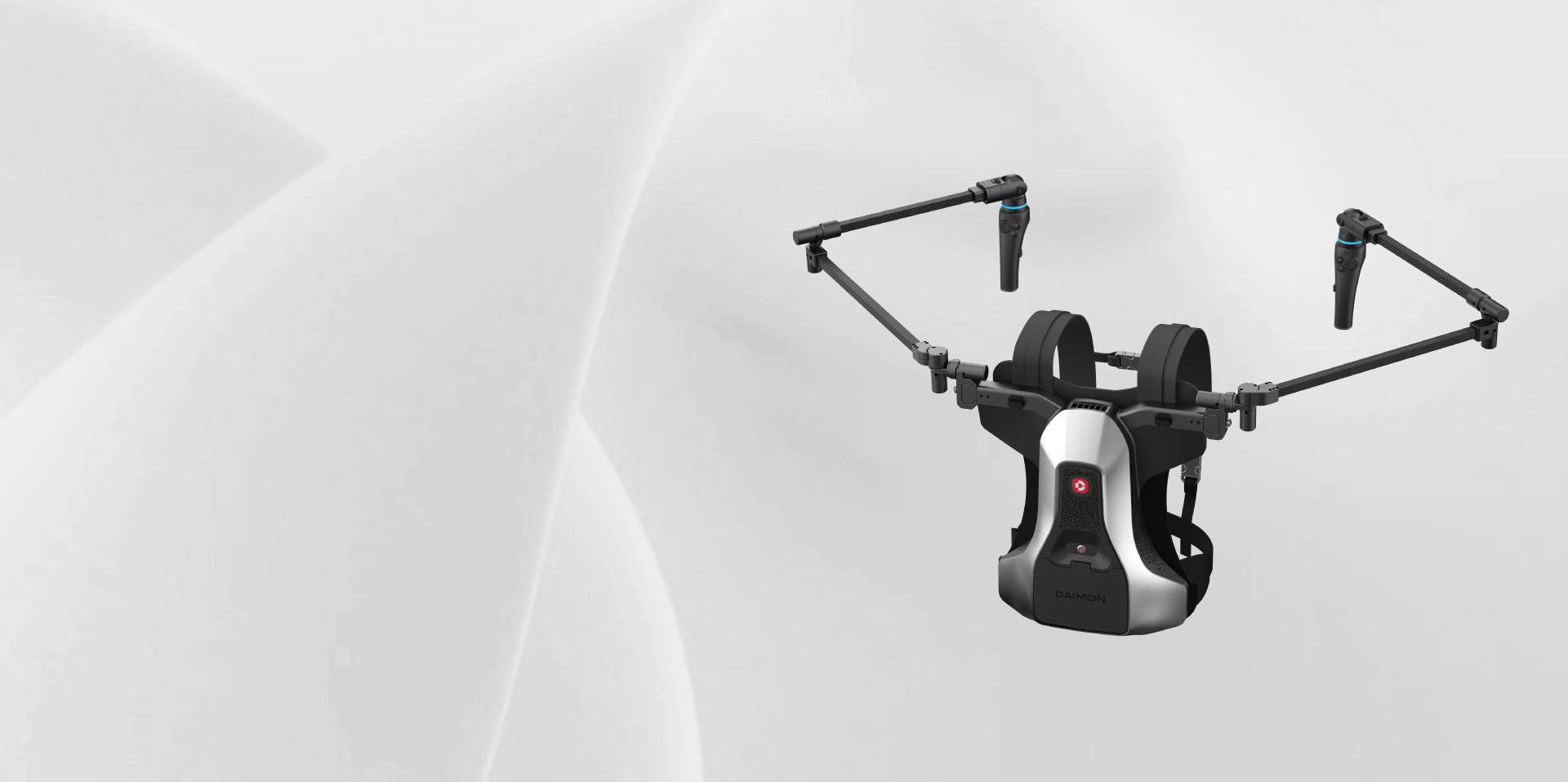
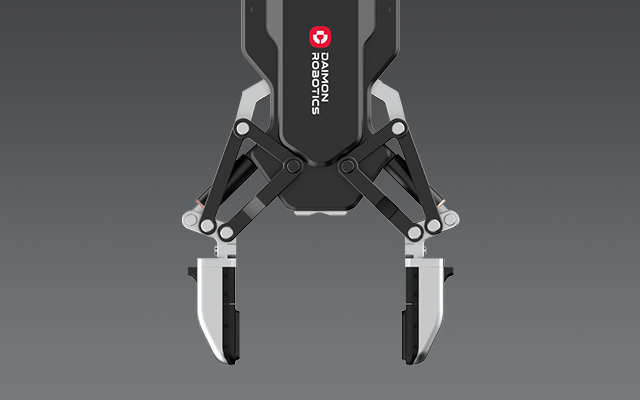
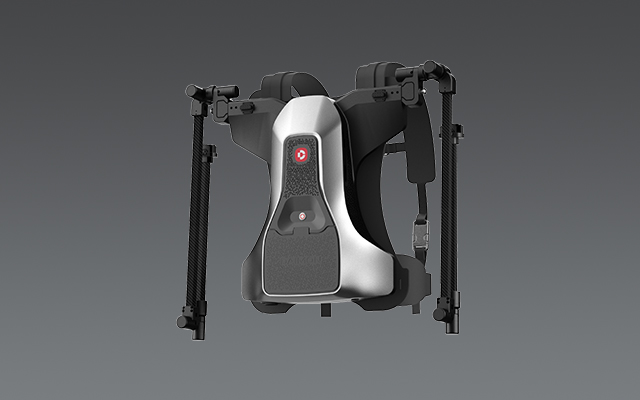
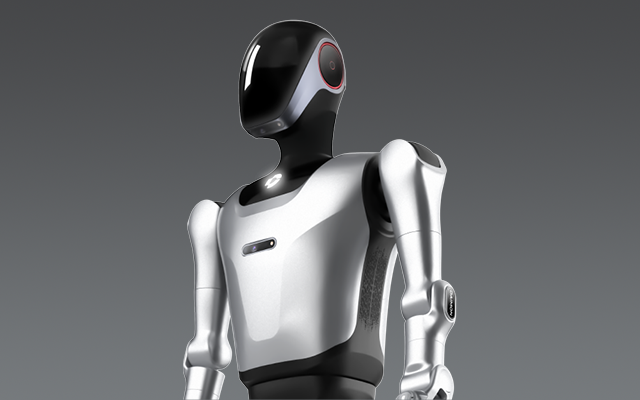






The evolution of workplace safety has taken a significant leap forward with the introduction of wearable exoskeletons and robotic teleoperation systems. These innovative technologies not only enhance productivity but also play a crucial role in safeguarding workers across various industries. Understanding the safety benefits of wearable exoskeleton is essential for organizations looking to improve their work environments while leveraging advanced automation.
Reducing Physical Strain and Injuries
One of the primary safety benefits of wearable exoskeletons is their ability to reduce physical strain on workers. Many jobs, particularly in sectors such as construction, manufacturing, and logistics, involve repetitive or heavy lifting tasks that can lead to musculoskeletal injuries over time. By providing support and assistance during these physically demanding activities, wearable exoskeletons help alleviate the burden on the body, allowing workers to perform their tasks with greater ease and reduced risk of injury.
Essentially, these devices are designed to enhance human strength and endurance, enabling operators to handle heavier loads without overexertion. This capability is especially critical in environments where manual labor is prevalent, ensuring that employees remain safe and healthy while enhancing their overall performance.
Enhancing Safety in Hazardous Environments
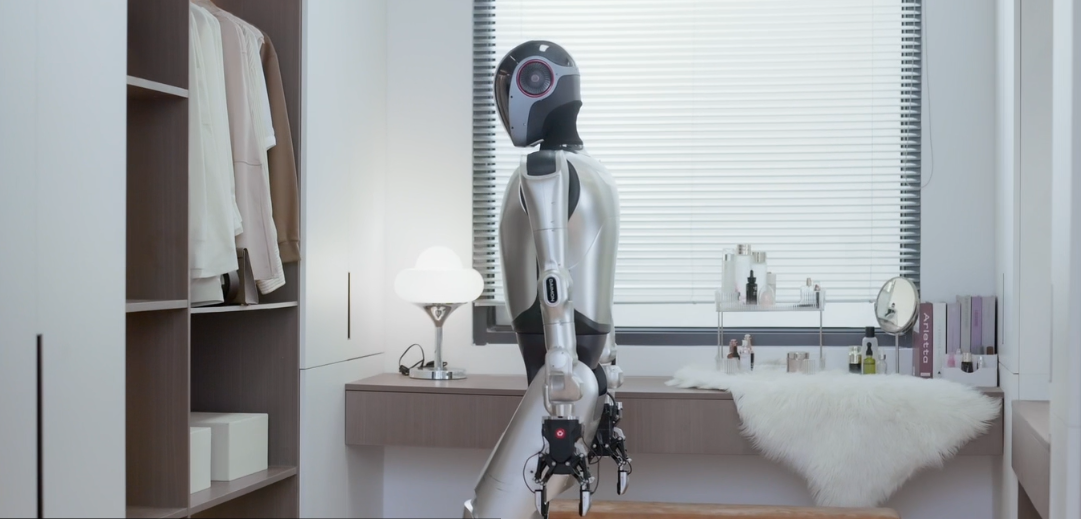
Wearable exoskeletons, when integrated with robotic teleoperation systems, offer significant advantages in hazardous work environments. For instance, in areas where there is a risk of exposure to toxic substances or dangerous machinery, these technologies enable workers to operate robots remotely, minimizing personal exposure to potential hazards.
This remote control capability allows operators to manage complex tasks from a safe distance, significantly reducing the likelihood of accidents. The flexibility and accuracy of robotic teleoperation systems, combined with the ergonomic support of wearable exoskeletons, empower employees to complete challenging assignments without compromising their safety.
Moreover, equipping workers with this technology can lead to better compliance with safety regulations and standards, fostering a culture of safety within organizations.
Promoting a Positive Work Culture
Investing in wearable exoskeletons is a proactive approach to employee wellness that can lead to increased job satisfaction. When employees feel supported and protected, they are more likely to maintain high morale and engagement levels. The assurance that their employer is prioritizing their health and safety fosters loyalty, which can translate into improved productivity and reduced turnover rates.
Additionally, as industries increasingly adopt automation, the combination of wearable exoskeletons and robotic teleoperation systems demonstrates a commitment to innovation and efficiency. This forward-thinking approach can attract top talent who value modern, safe work environments.
At Daimon, we are committed to advancing workplace safety through our cutting-edge wearable teleoperation systems. Our lightweight, easy-to-wear designs provide high degrees of freedom, making them ideal for various applications in robot development and learning. By integrating wearable exoskeletons with robotic teleoperation, we enhance both safety and efficiency, setting new standards for the future of work. Together, let’s revolutionize safety in the workplace and harness the power of technology to protect our workforce.