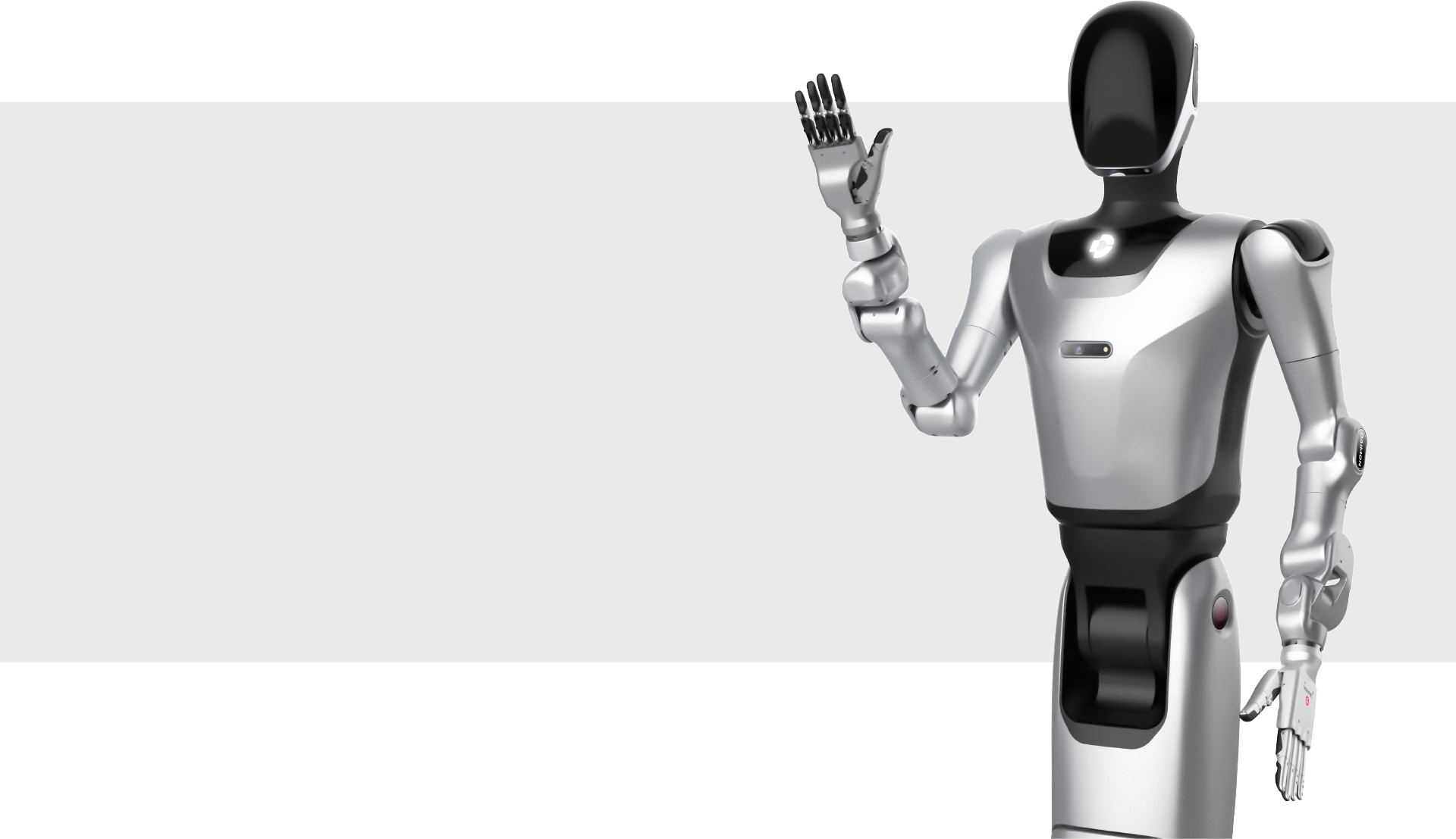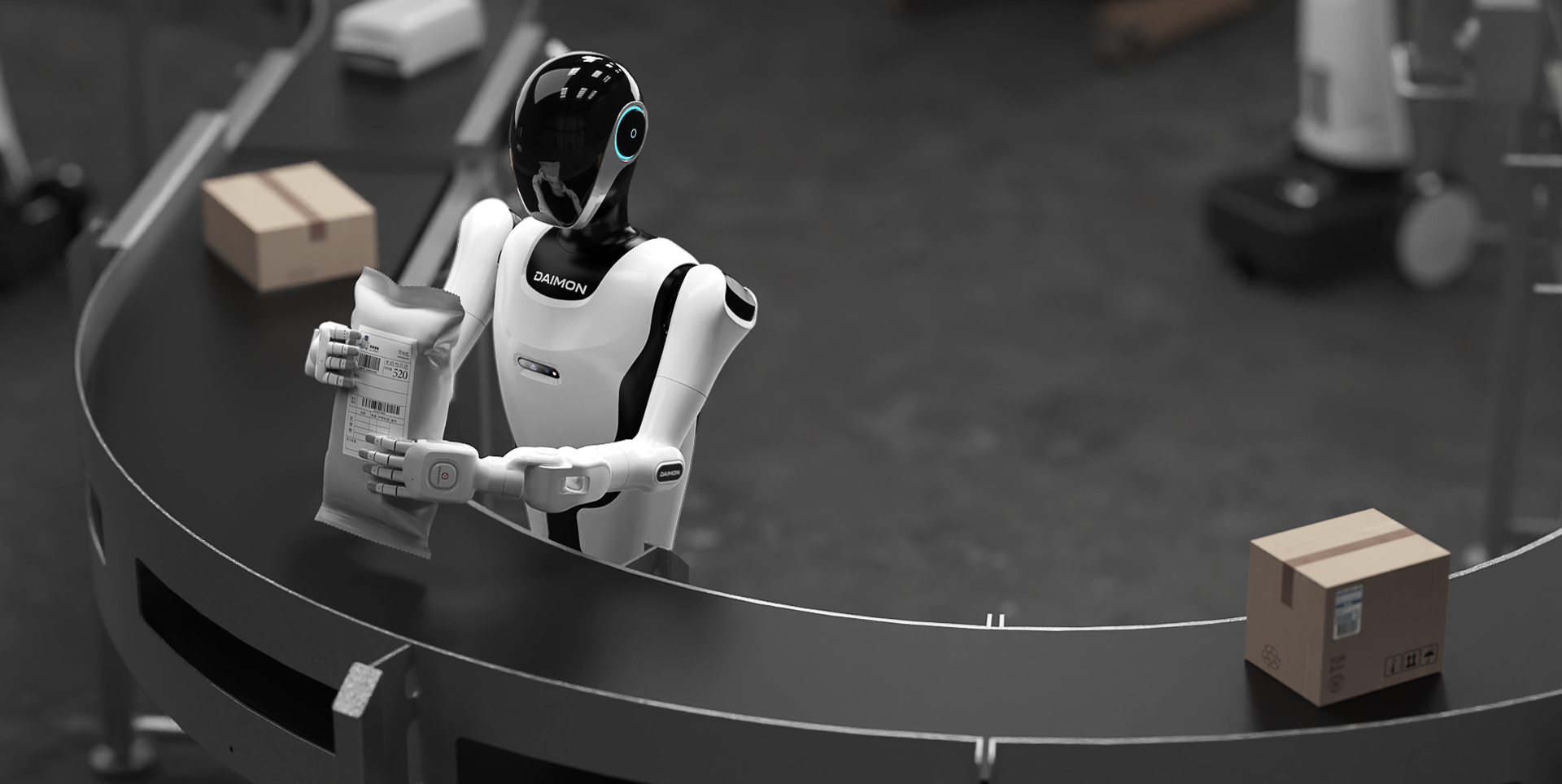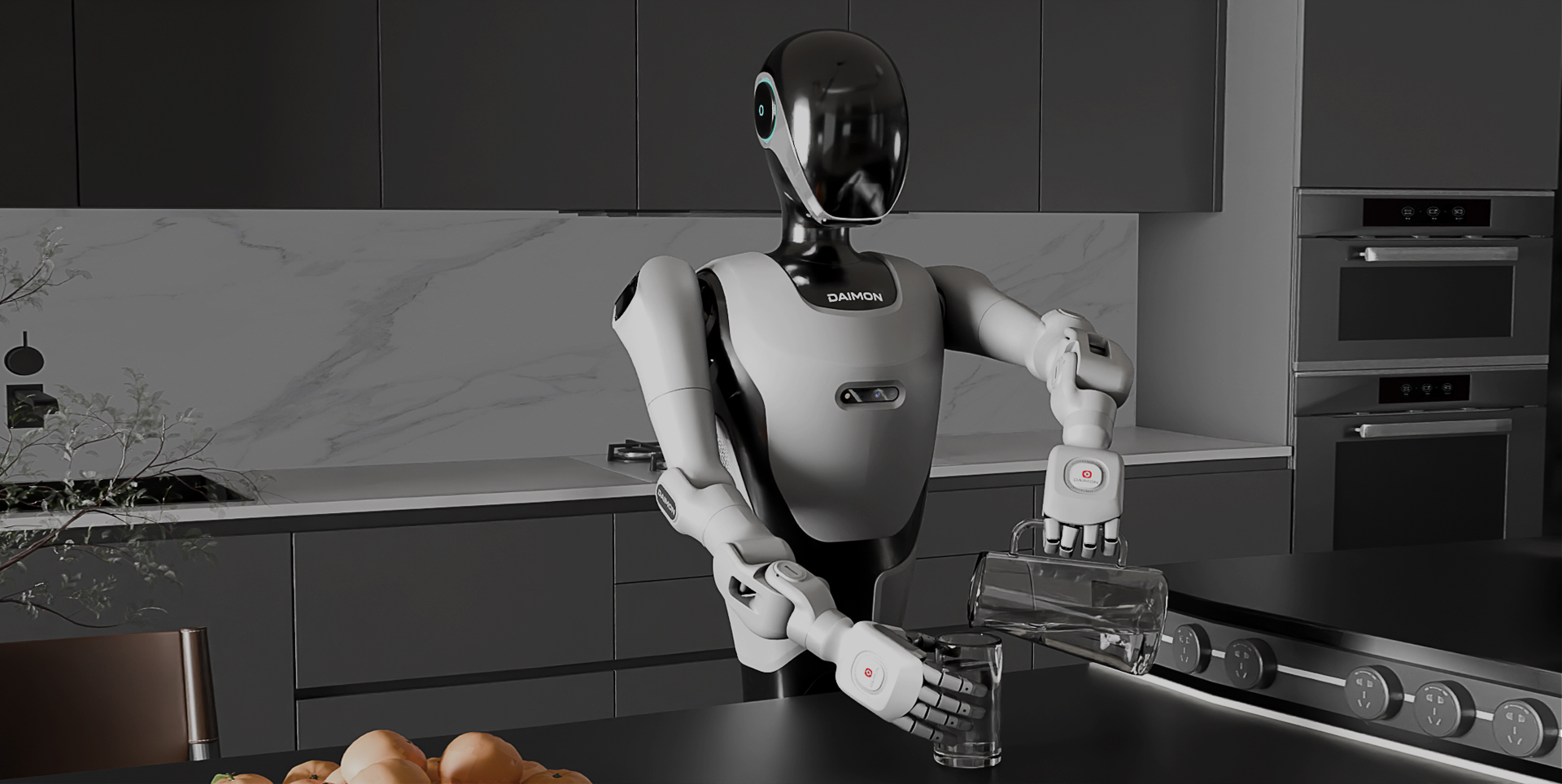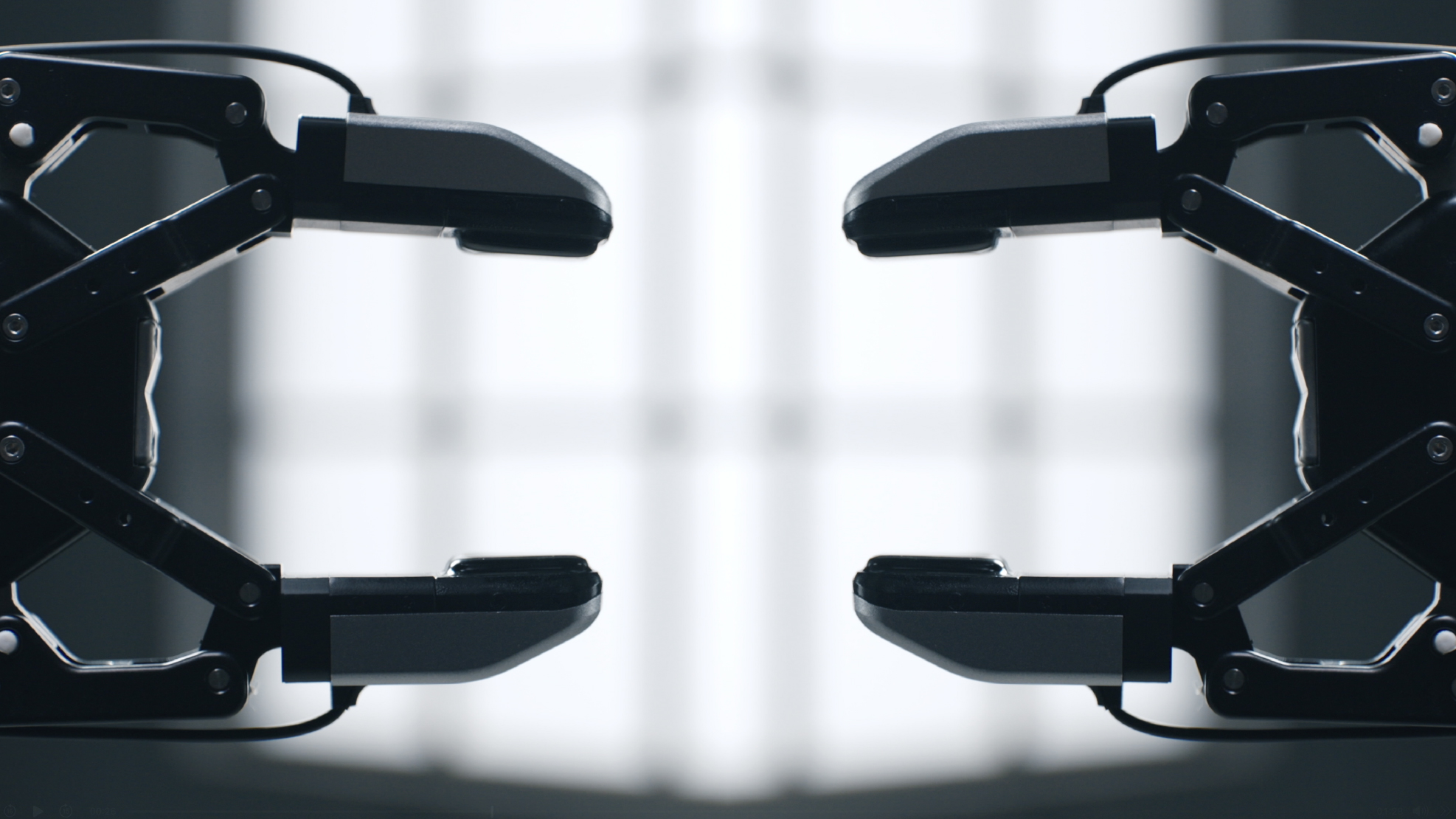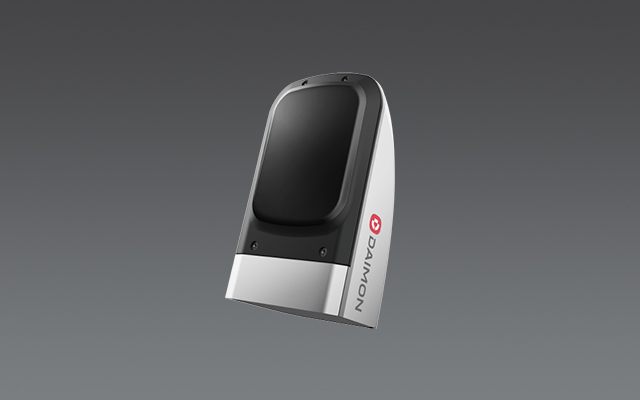
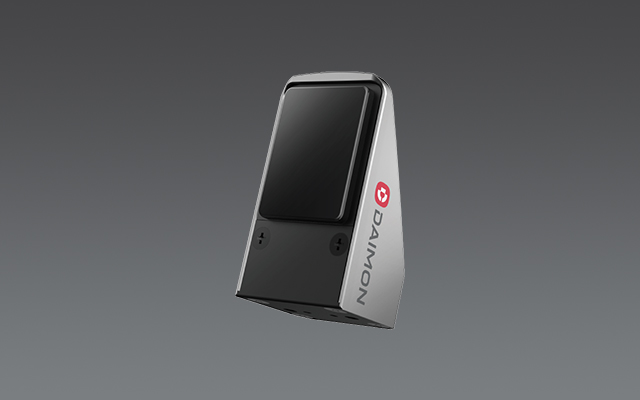
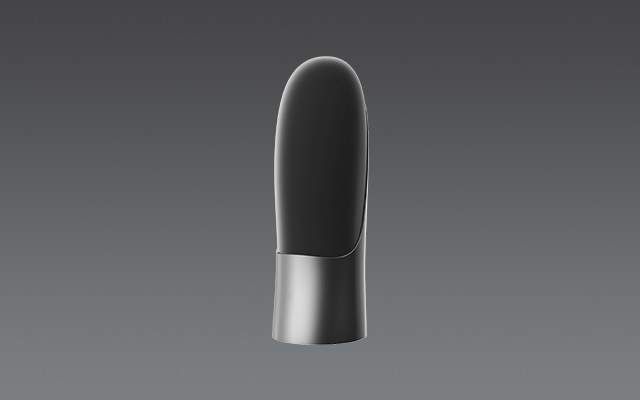
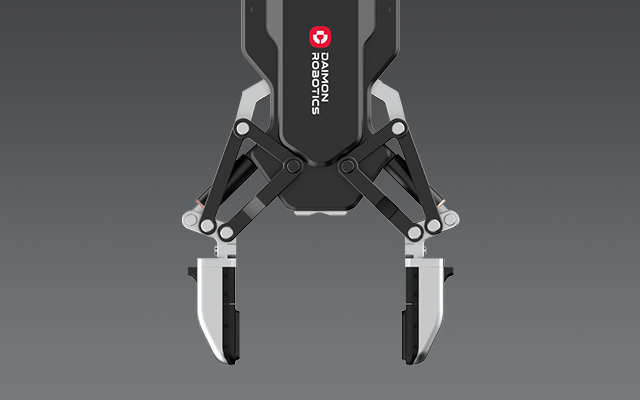
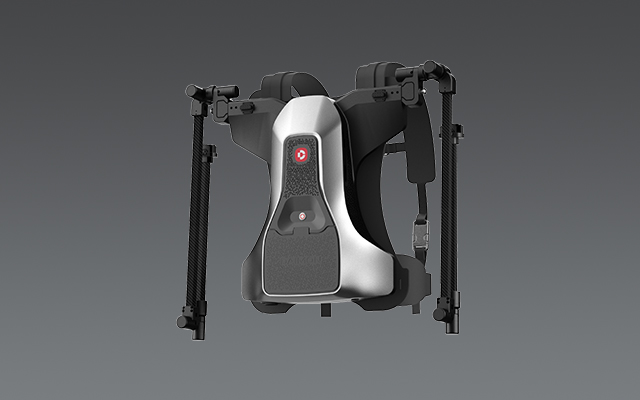
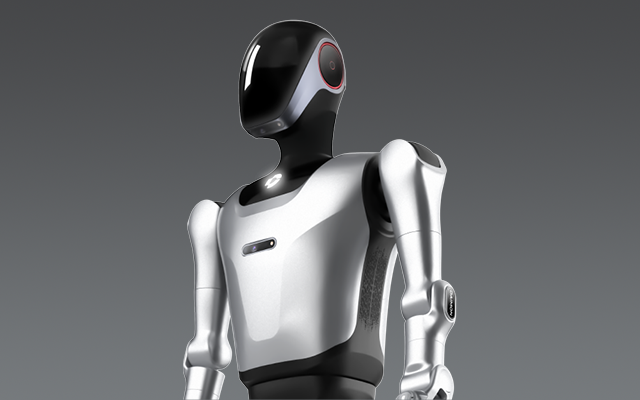






In the realm of artificial intelligence (AI) and robotics, tactile perception emerges as a critical component for creating intelligent machines that interact seamlessly with their environment. At Daimon, we recognize the importance of tactile sensing, particularly through our innovative tactile sensor technology, including the DM-Tac W multimodal tactile interface. This article delves into why tactile perception is essential for AI, highlighting its role in enhancing robotic capabilities, improving interactions, and broadening application scenarios.
Enhancing Robot Dexterity with Tactile Sensing
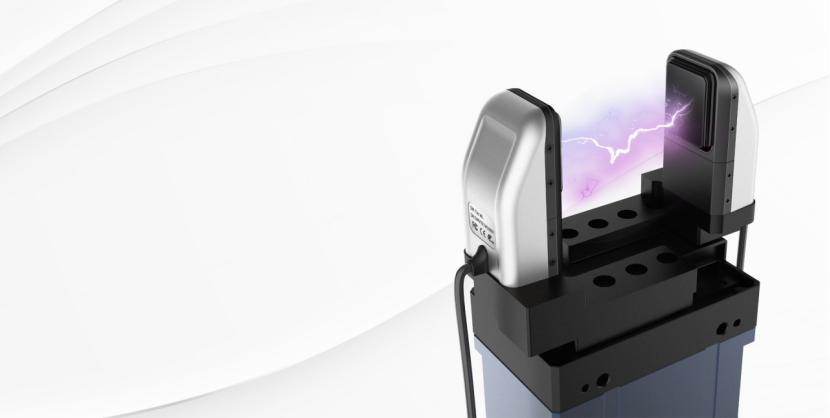
Tactile sensing empowers robots to perceive and interact with their physical environment in ways that mimic human touch. Robots equipped with tactile sensors can detect variations in pressure, texture, and shape, allowing them to handle objects with an unprecedented level of dexterity. For example, Daimon’s DM-Tac W features over 40,000 sensing units per square centimeter, providing high-resolution feedback that is crucial for delicate manipulation tasks.
This capability is particularly important in applications where precision is vital, such as surgical robots or automated manufacturing lines. By utilizing accurate force feedback, these tactile sensor robots can adapt their grip in real time, preventing damage to fragile objects. This adaptability stems from the integration of tactile sensing in AI systems, making it a fundamental aspect of their operational efficacy.
Improving Human-Robot Interaction
Tactile perception significantly enhances human-robot interactions, making them more intuitive and user-friendly. When robots can respond to touch, they become more effective collaborators, especially in environments where teamwork with humans is essential. For instance, tactile sensing enables robots to provide real-time feedback during joint tasks, fostering a seamless interaction between human operators and machines.
Daimon’s advances in tactile sensing technology ensure that our tactile sensor robots can better interpret human actions through touch. This ability not only improves performance but also builds trust between humans and robots, which is crucial for effective collaboration. As robots become more integrated into daily life and work, the significance of tactile perception will only continue to grow.
Expanding Application Scenarios Through Tactile Feedback
The versatility of tactile sensing extends the range of possible applications for AI and robotics. From healthcare to service industries, the ability to sense touch allows robots to perform tasks that were once deemed too complex. For example, in healthcare, tactile sensor robots can assist in surgeries or rehabilitation, offering both precision and sensitivity. In manufacturing, they enhance efficiency by ensuring quality control through tactile feedback.
Daimon’s commitment to expanding the capabilities of tactile sensing technology results in a wide array of application scenarios. The DM-Tac W’s ability to deliver accurate force feedback, along with its easy-to-use interface, positions it as a powerful tool for industries seeking to innovate. By harnessing tactile sensing, we open new avenues for robotic applications that can transform how work is performed across sectors.
The Integral Role of Tactile Sensing in AI Development
In summary, tactile perception stands as a vital element in the progression of AI and robotic technologies. By incorporating tactile sensing into their frameworks, robots gain the ability to interact meaningfully with their surroundings, improving their dexterity, enhancing human collaboration, and expanding application scopes. Daimon’s advancements in tactile sensor technology, particularly through the DM-Tac W, exemplify how critical this technology is for the future of intelligent systems.
Enhancing the future of robotics requires a focus on tactile perception, ultimately driving innovation and ensuring that machines can work alongside humans effectively and safely. Tactile sensing will be at the forefront of this evolution, shaping the way we perceive and implement AI in our daily lives.