





In the rapidly evolving landscape of robotics and human-computer interaction, understanding how our haptic and tactile senses experience touch is paramount. These senses play a crucial role in how we perceive the world around us. At Daimon, we focus on advancing this understanding through innovative technologies, such as our vision-based tactile sensors. This article explores the intricate mechanisms behind tactile sensing, the benefits of using advanced tactile interfaces, and the potential applications that arise from these technologies.
Understanding Tactile Sensing
Tactile sensing refers to our ability to perceive physical interactions through touch. This sensory system comprises various receptors located in the skin, primarily responding to pressure, vibration, and temperature. The rich network of mechanoreceptors sends signals to the brain, allowing us to discern textures and shapes. More importantly, tactile sensing is not solely about touch; it significantly enhances our interaction with objects and environments.
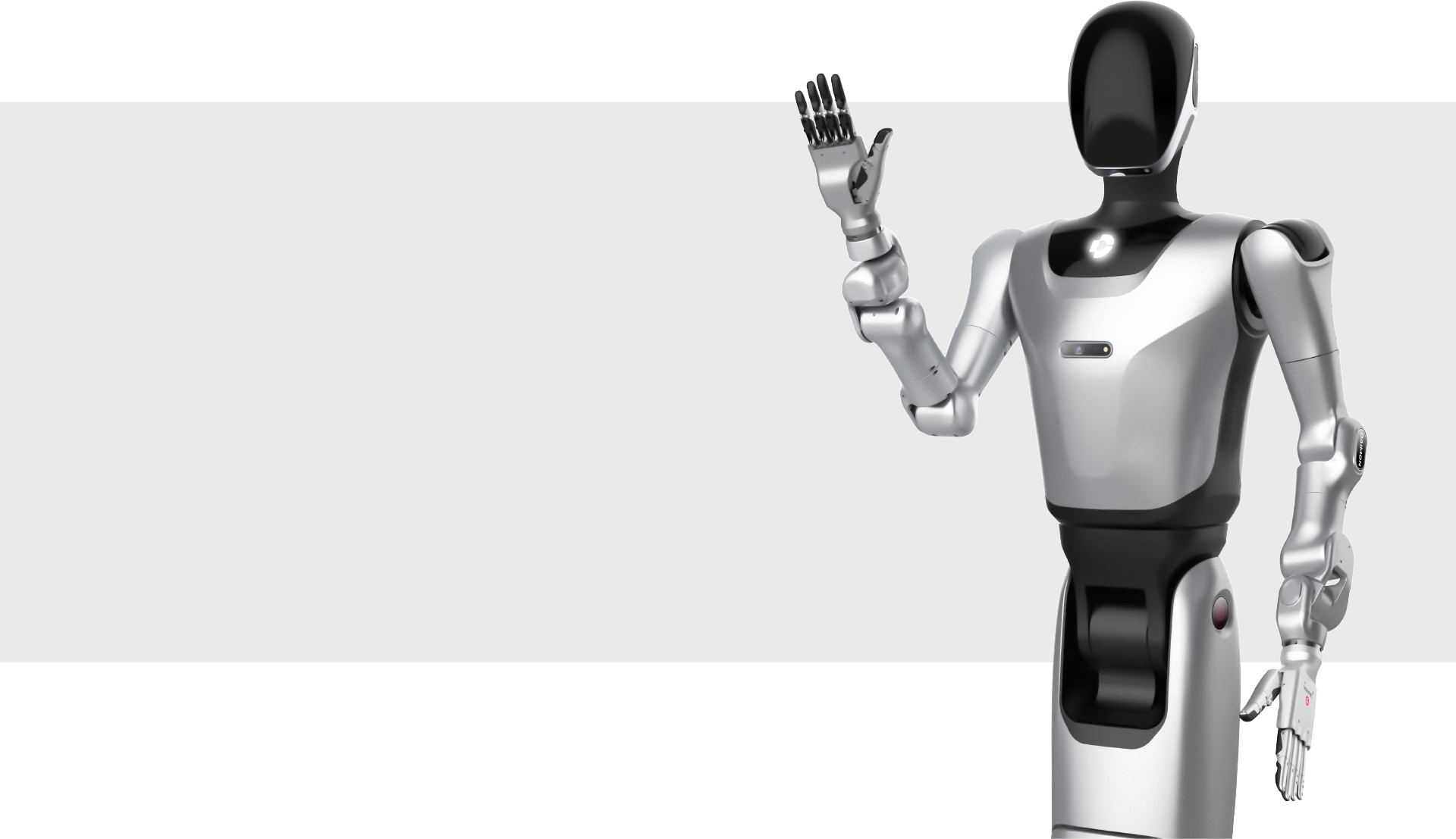
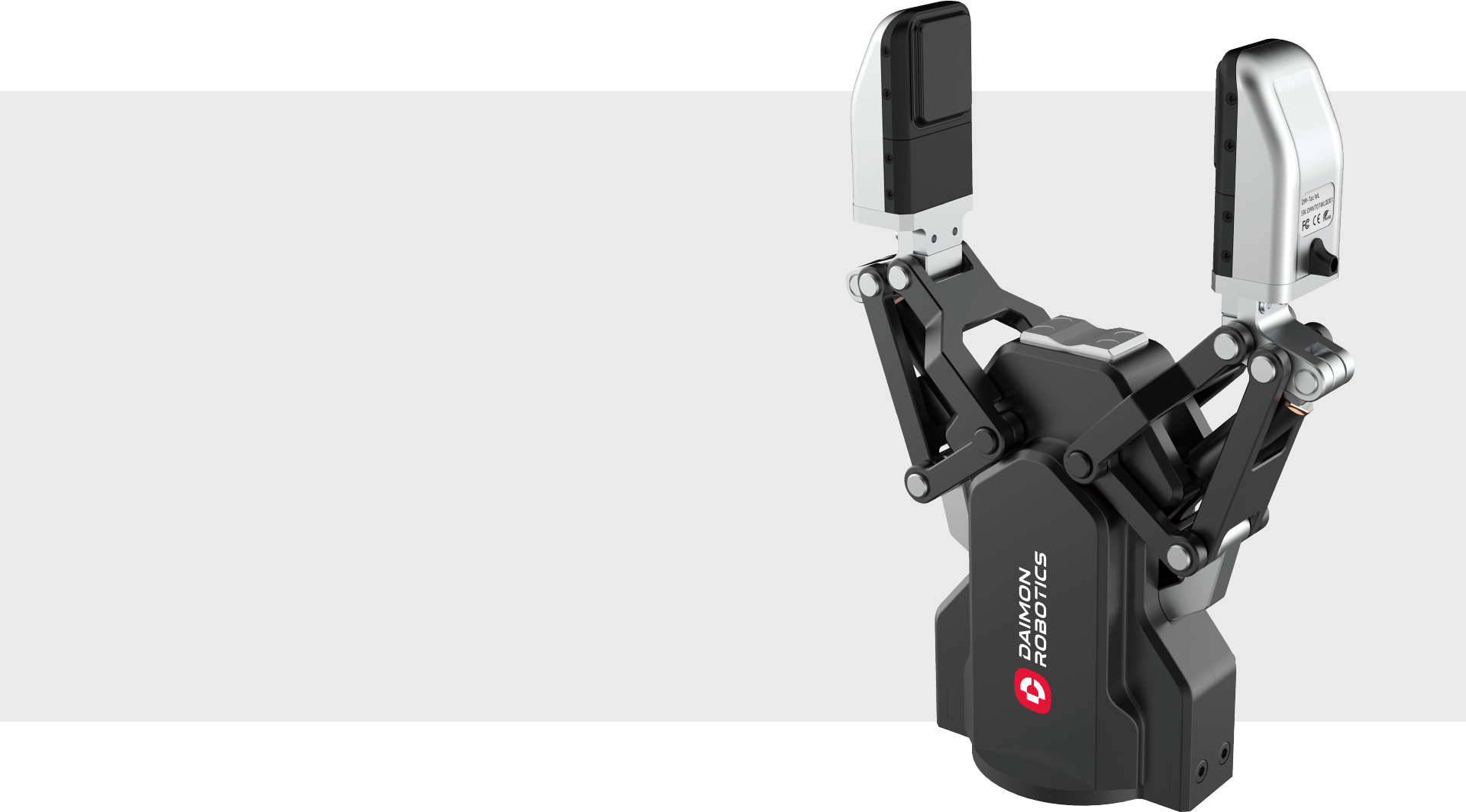
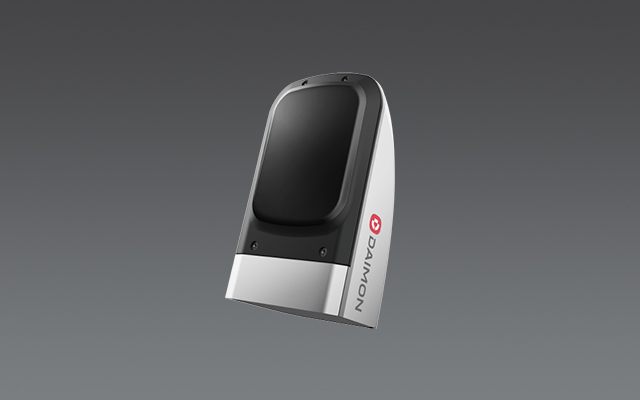
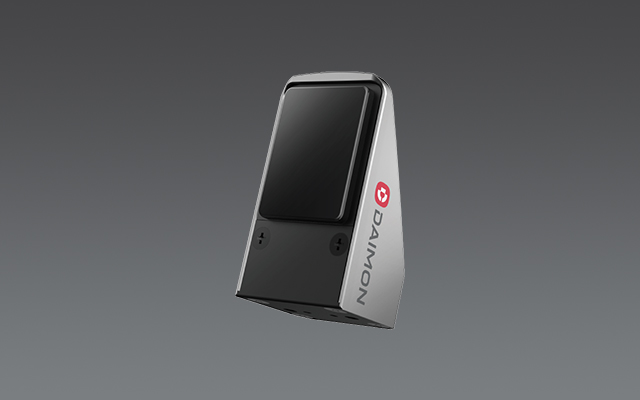
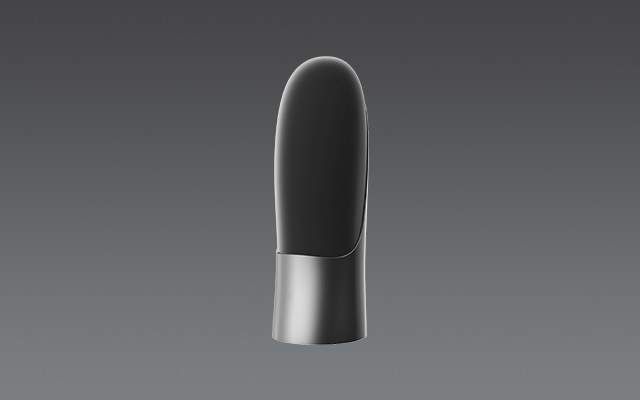
The advancement of technologies such as Daimon’s DM-Tac W multimodal tactile interface exemplifies the integration of tactile sensing in robotics. With over 40,000 sensing units per square centimeter, this sensor achieves high-resolution perception that closely mimics human touch. Such precision enables machines to detect subtle variations in contact shape, which is crucial for tasks requiring dexterity.
The Integration of Vision and Tactile Sensing
Vision-based tactile sensors combine visual data with tactile sensing to enhance machine perception. By integrating both modalities, robots can execute tasks more efficiently and with greater accuracy. These sensors utilize cameras to capture visual information, which is then processed alongside tactile feedback to create a comprehensive understanding of the object in interaction.
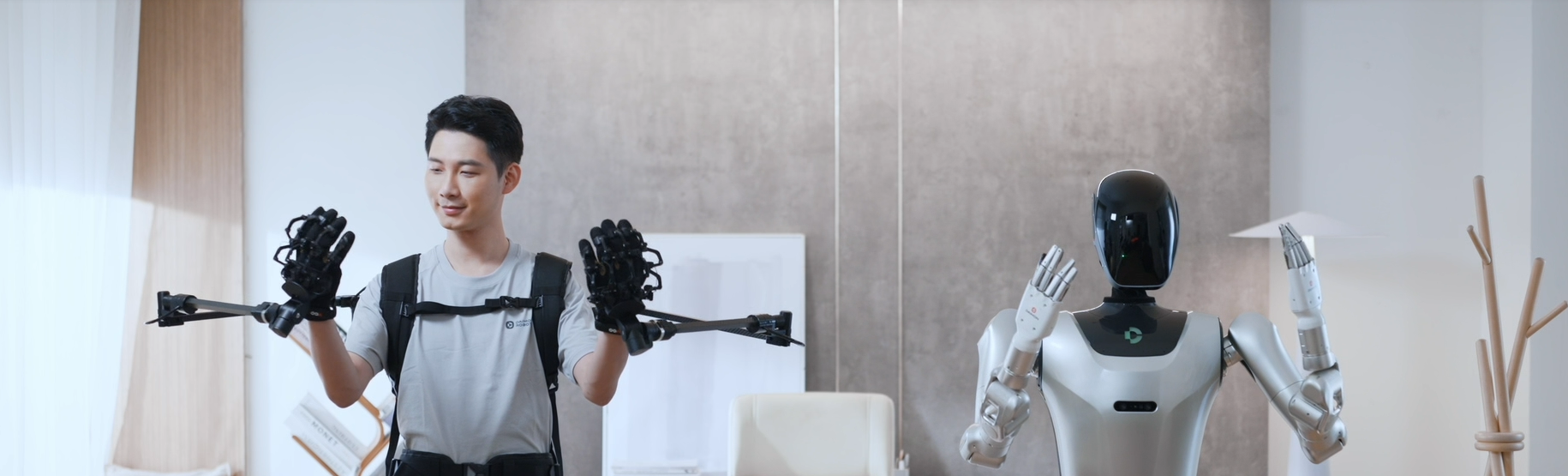
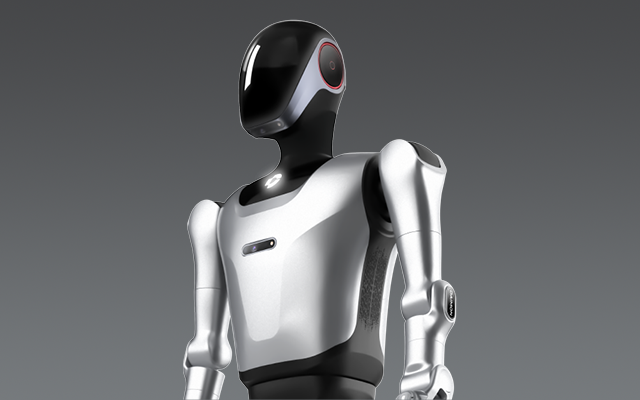
Daimon's innovative approach leverages this synergy between vision and tactile sensing. The detailed data provided by our tactile sensors allows robots to perceive their environment more effectively, ensuring that they can adapt to varying conditions with enhanced dexterity. This capability is vital in scenarios ranging from manufacturing to medical robotics, where precision and reliability are essential.
Applications of Advanced Tactile Interfaces
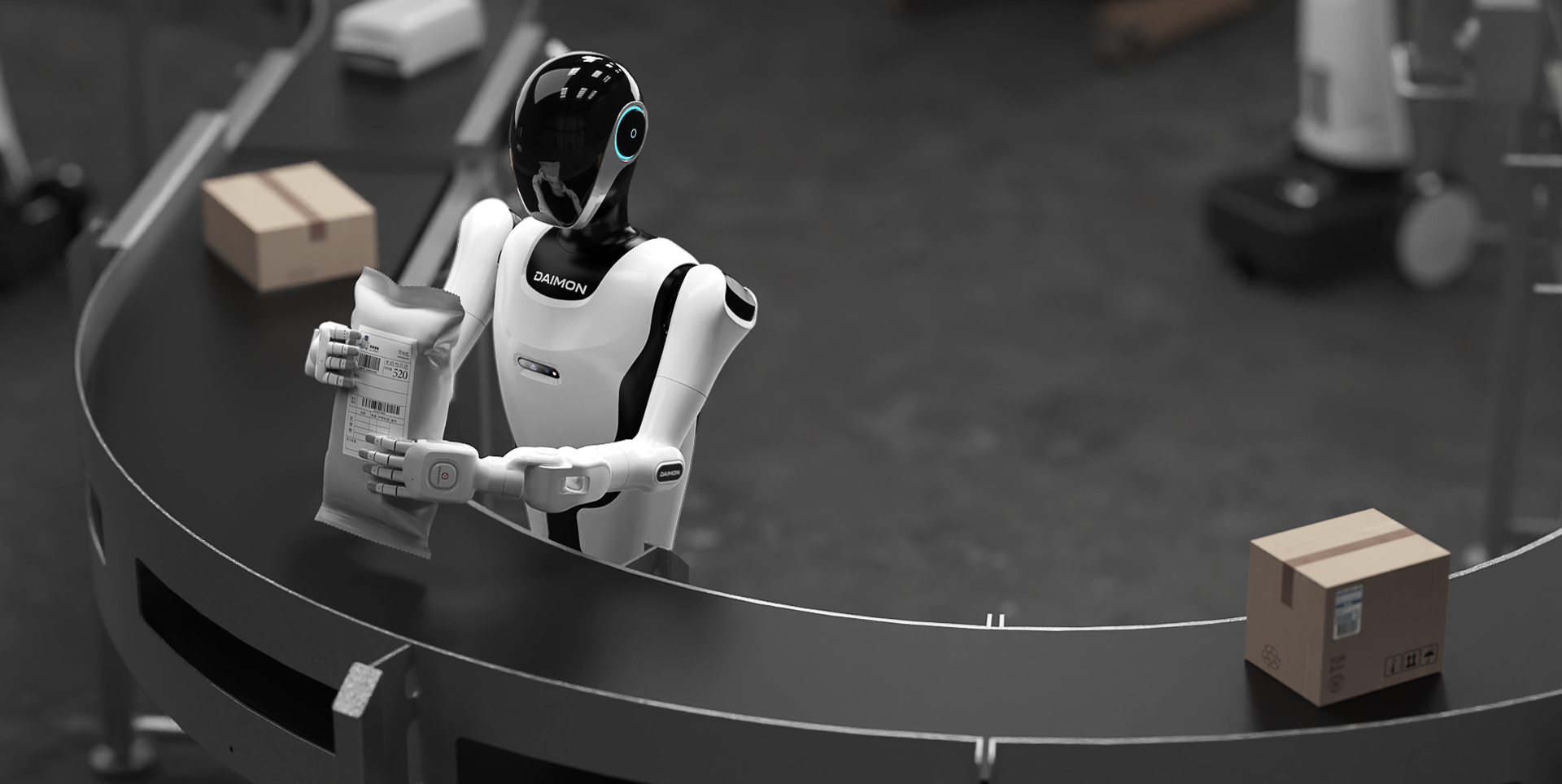
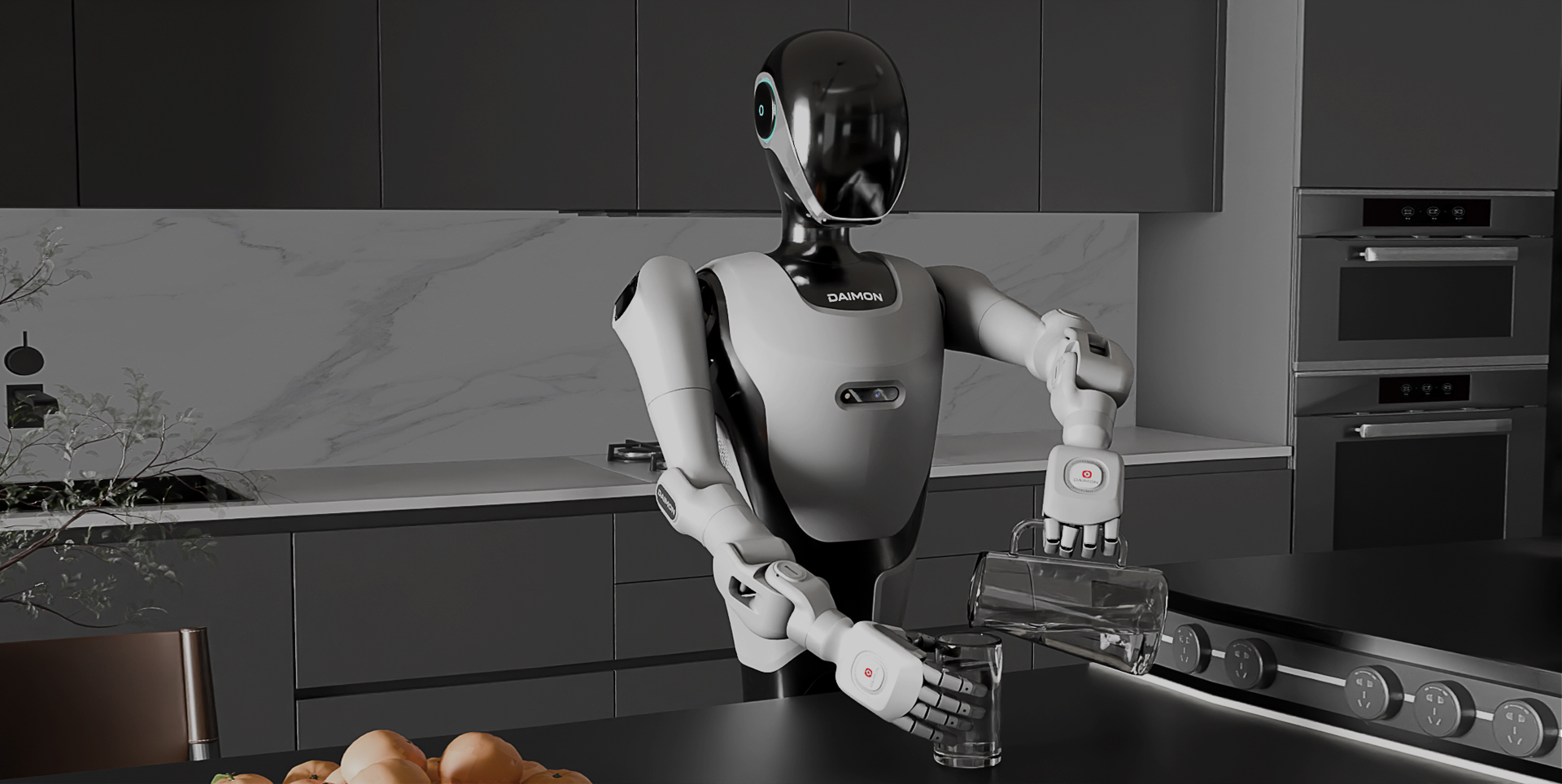
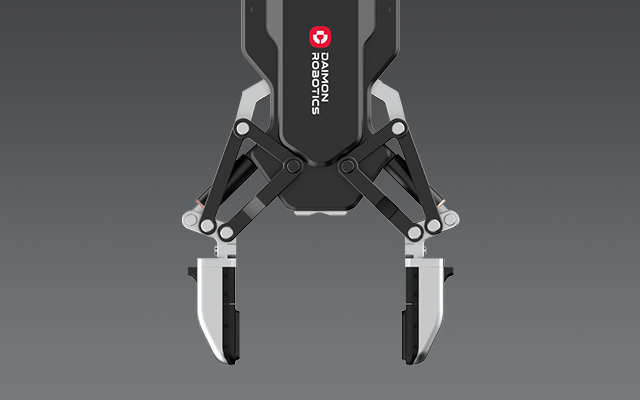
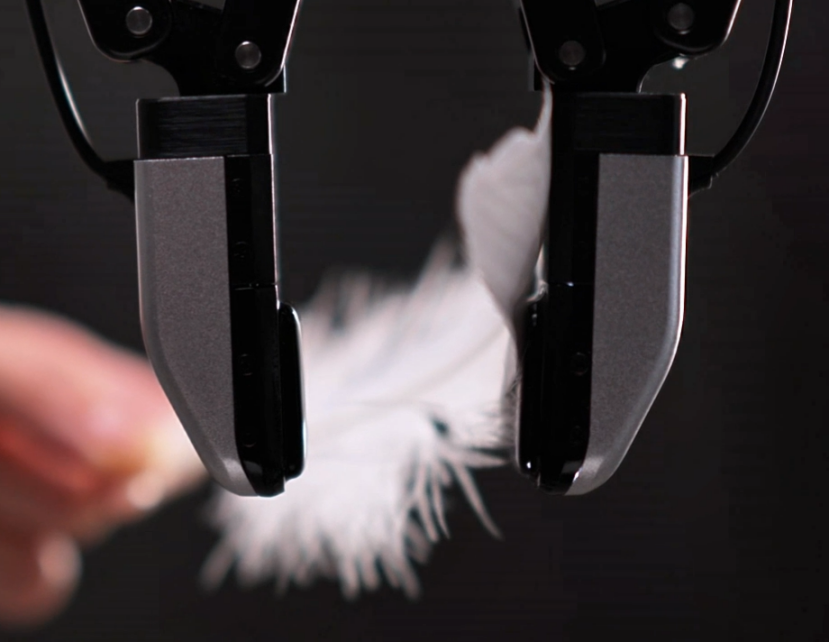
The benefits of advanced tactile sensing are manifold, paving the way for diverse applications. In robotics, the ability to accurately gauge the properties of different materials through touch significantly improves manipulation tasks. For instance, robots equipped with Daimon’s tactile sensors can handle fragile objects without damaging them, a feat achieved by fine-tuning grip strength based on tactile feedback.
Moreover, these sensors can be pivotal in healthcare, enabling the development of prosthetics that replicate the sense of touch. Such innovations could improve the quality of life for individuals with limb differences by providing a more natural and responsive user experience. Tactile sensing thus opens up new avenues for research and development, highlighting the importance of continued innovation in this field.
Advancing Tactile Sensing for the Future
As we explore the depths of tactile sensing, it becomes clear that this area holds significant promise for technology and human interaction. Daimon remains committed to advancing these technologies, ensuring that our vision-based tactile sensors not only enhance robotic capabilities but also contribute to broader applications in various sectors. By understanding and harnessing our tactile senses, we can create smarter, more responsive systems that improve both human and machine interactions.
In conclusion, the exploration of tactile sensing and its integration with vision-based sensors offers exciting opportunities for innovation. With Daimon leading the way, we are poised to redefine the boundaries of what technology can achieve in enhancing how we experience touch, underscoring the value of tactile feedback in a myriad of applications.