





The advancement of robotics technology has transformed industries worldwide, and at the core of this evolution lies the robot gripper. Serving as the hands of automated systems, robot grippers are essential for performing a variety of tasks, from delicate assembly to heavy lifting. However, the question arises: do these electric hand grippers require artificial intelligence (AI) to function optimally?
The Role of AI in Enhancing Gripper Functionality
Integrating AI with robot grippers significantly enhances their performance and adaptability. Traditional robot grippers often rely on pre-programmed instructions, limiting their ability to respond to dynamic environments. By incorporating AI, these electric hand grippers gain the capacity to learn from their interactions, improving their ability to handle objects with varying shapes, sizes, and textures.
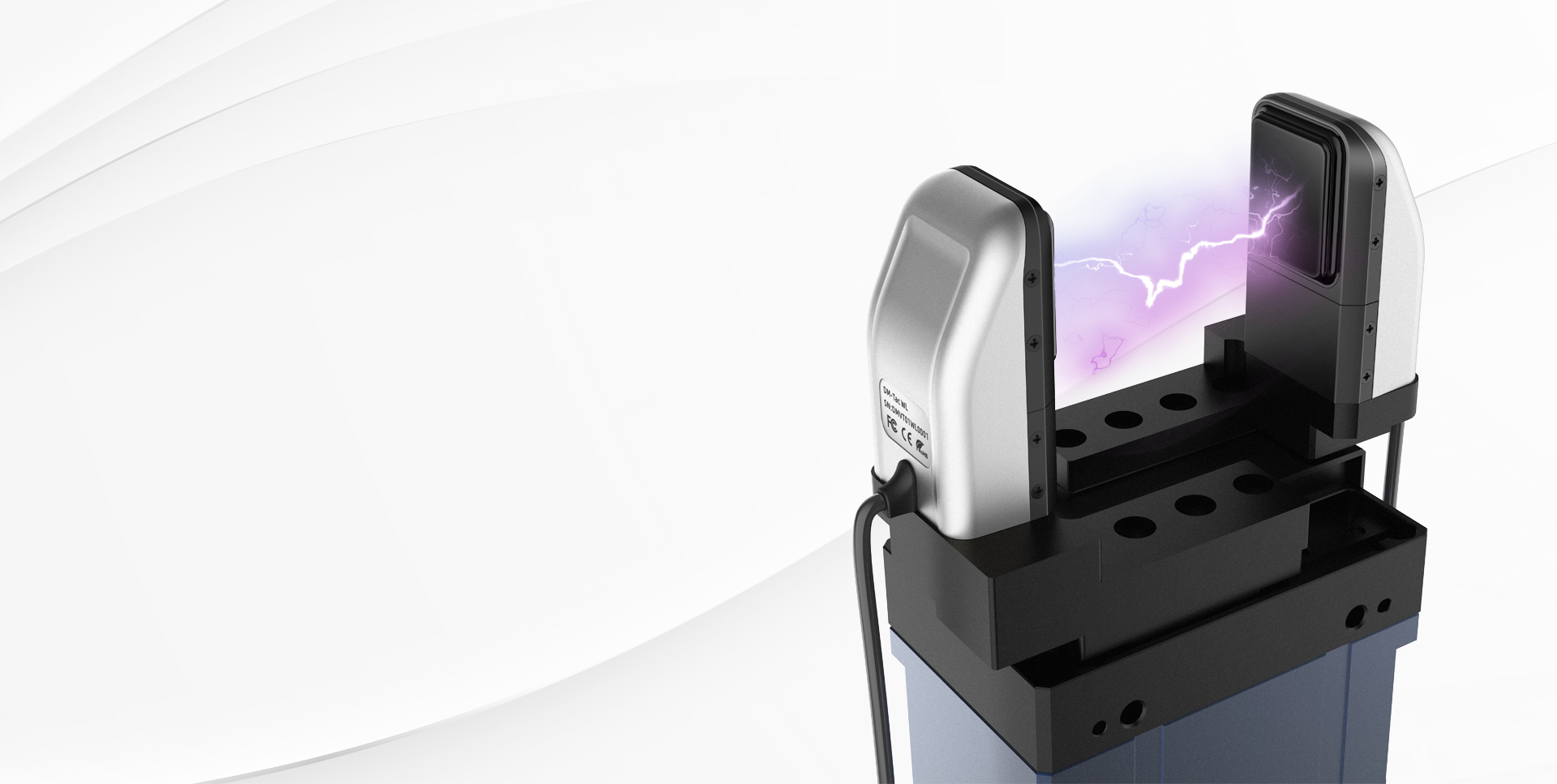
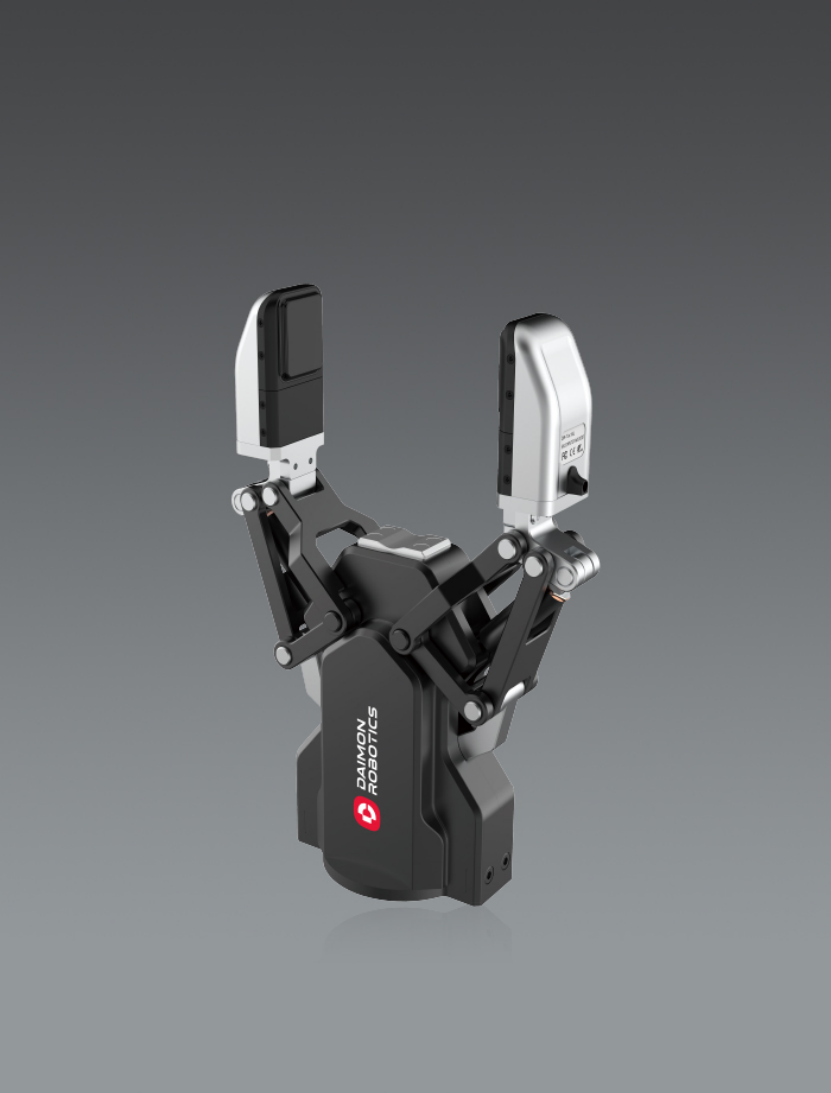
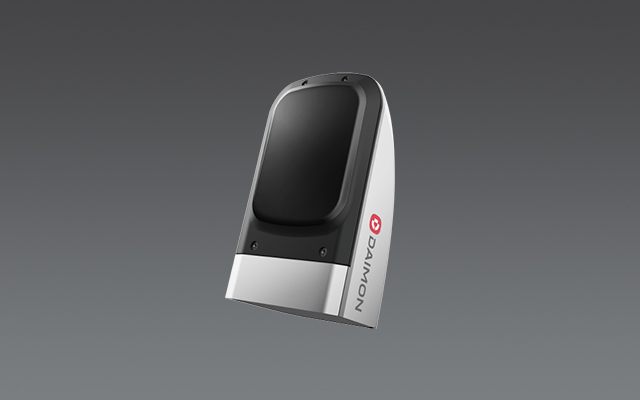
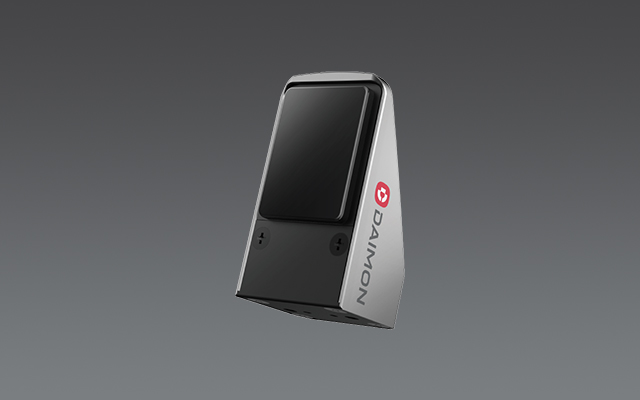
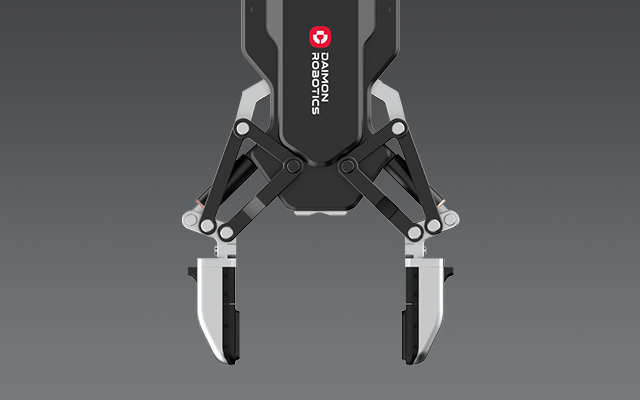
For instance, the DM-Tac G, our innovative visuotactile gripper, utilizes a high-precision visual-tactile sensor to collect over 9 million datasets per second. This 120Hz high-frequency multimodal perception allows the gripper to capture comprehensive tactile information about an object's material, morphology, and deformation. With AI processing this data, the robot gripper can make real-time adjustments during operations, optimizing its grip based on continuous sensory feedback.
Benefits of Multimodal Sensory Feedback
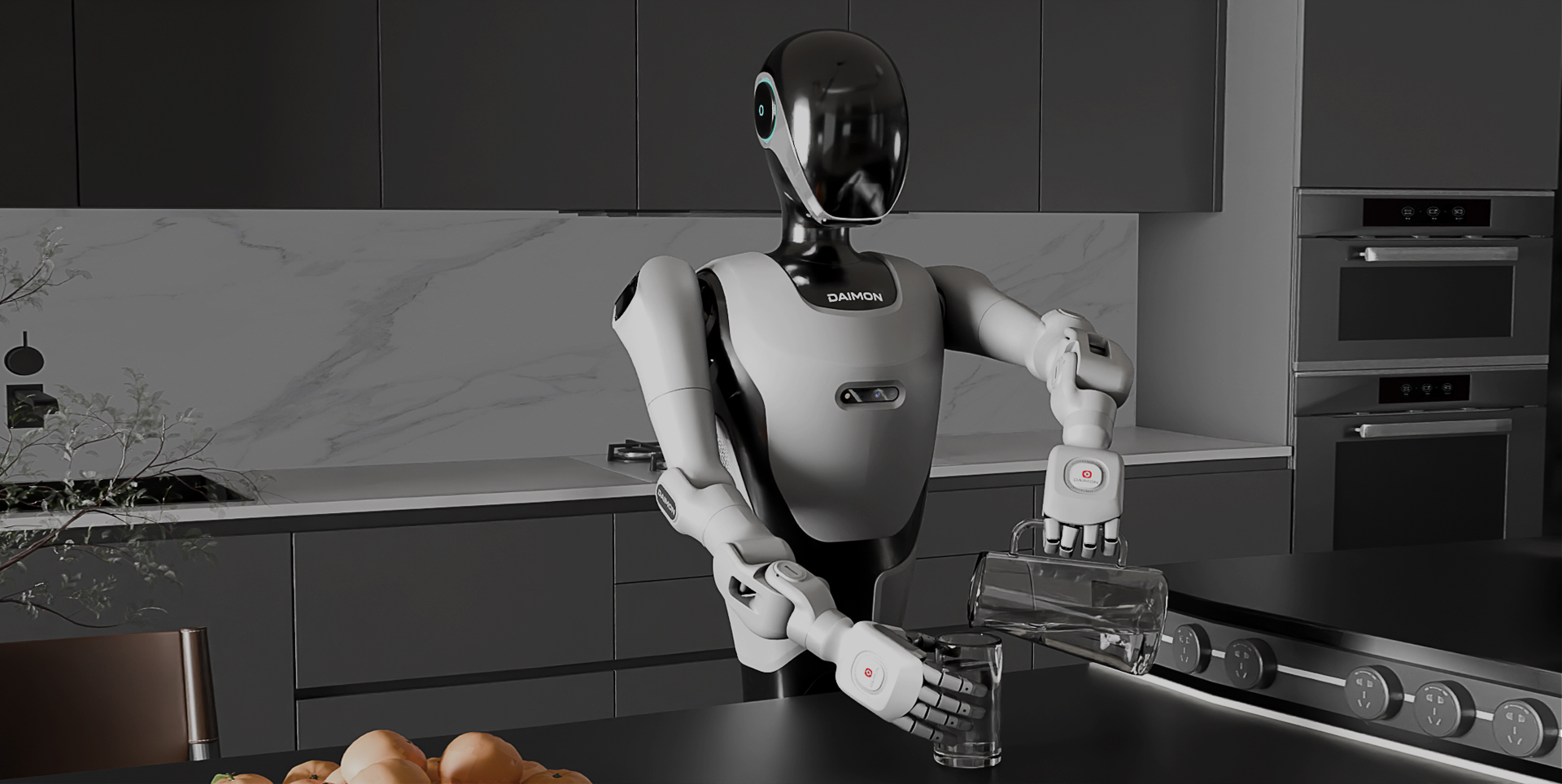
Electric hand grippers equipped with multimodal sensory capabilities, such as the DM-Tac G, benefit significantly from AI integration. Tactile sensing is crucial for recognizing minute changes in contact, enabling the gripper to detect variations in hardness, softness, and slip. This level of precision is particularly important in applications requiring careful handling, such as in laboratory settings or while manipulating fragile components in manufacturing processes.
AI enhances this functionality by analyzing the tactile feedback collected from the gripper, allowing it to adapt its gripping strategies accordingly. For example, if the gripper senses a slippage or unexpected change in an object's texture, AI algorithms enable it to instantly adjust the gripping force or angle for optimal control, ensuring that the object remains secure throughout the operation.
Redefining Automation with Intelligent Grippers
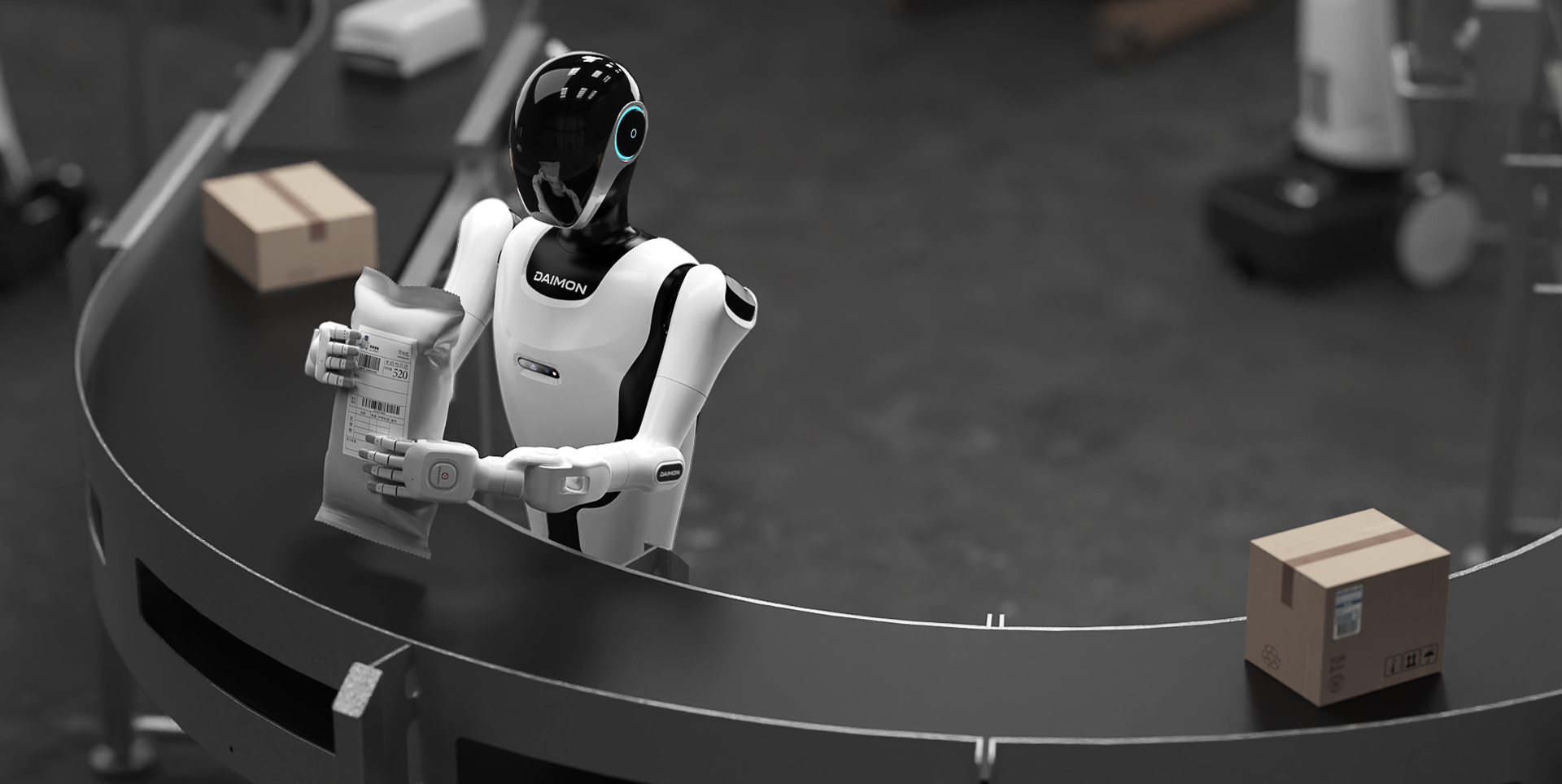
As automation continues to expand across various sectors, the integration of AI into robot grippers becomes increasingly vital. Electric hand grippers equipped with advanced AI capabilities can perform complex tasks more efficiently, reducing human intervention and minimizing errors. The incorporation of AI not only enhances operational efficiency but also opens doors for new applications in robotics, allowing for flexibility in tasks ranging from logistics to manufacturing.
At Daimon, we are committed to pushing the boundaries of robotic gripper technology. Our DM-Tac G visuotactile gripper embodies the integration of high-resolution tactile sensing and AI to deliver precise grasping and flexible control. By harnessing the power of AI alongside cutting-edge sensor technology, we are paving the way for smarter, more adaptive robotic solutions. Together, we can elevate automation to unprecedented heights, transforming how industries operate and innovate for the future.