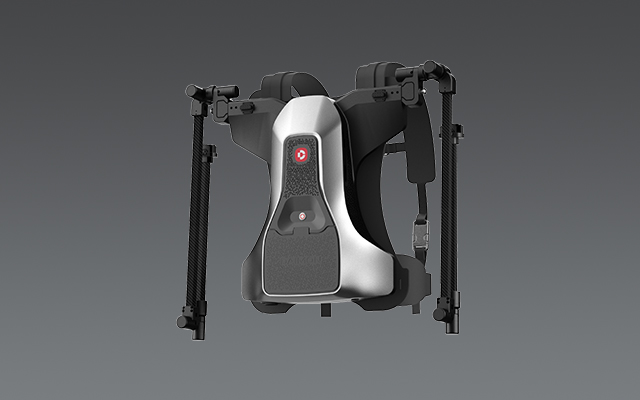
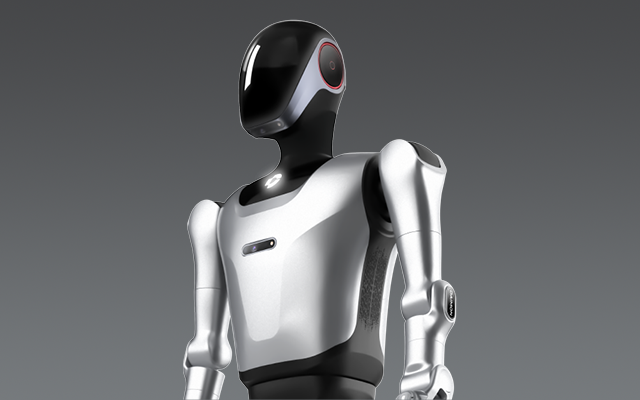






The intersection of technology and ergonomics has given rise to innovative solutions for remote operations, particularly in industries relying on teleoperated robots. A wearable exoskeleton represents a significant advancement in this realm, enabling users to control robots with their natural hand movements while providing essential data feedback. This capability not only enhances productivity but also improves safety and precision in various applications such as manufacturing, healthcare, and hazardous environments.
The Mechanics of the Wearable Exoskeleton
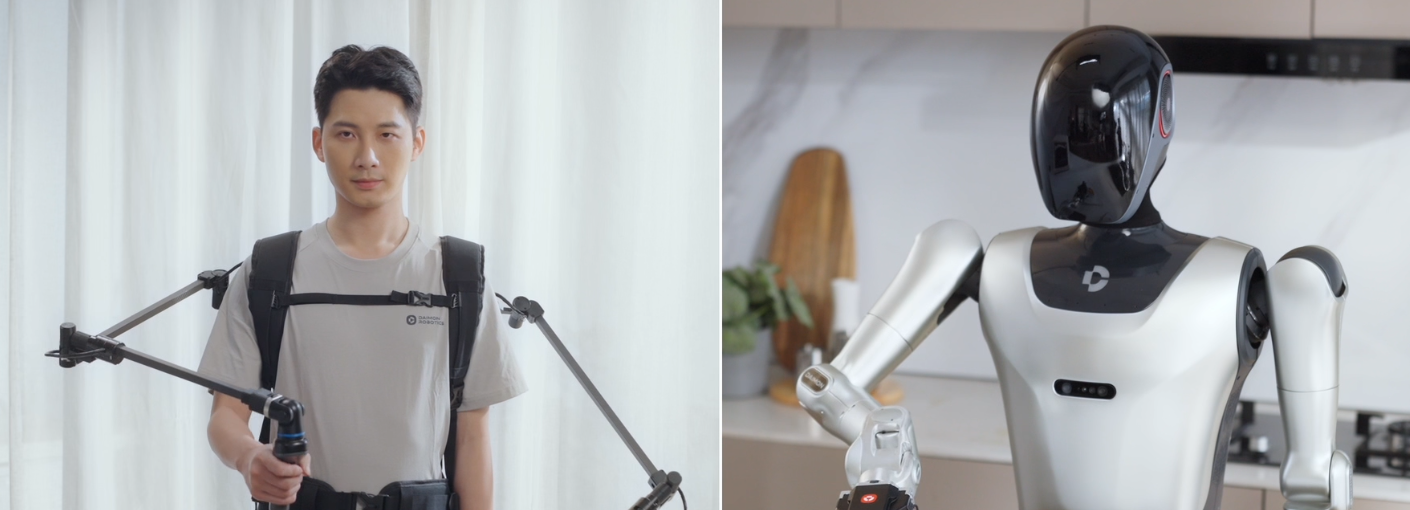
A wearable exoskeleton designed for teleoperation is equipped with sophisticated sensors that track and record hand movements. This system captures data with high precision and transmits it to a teleoperated robot in real time. With a lightweight structure and ergonomic design, the wearable suit is easy to wear for extended periods, ensuring comfort without sacrificing performance.
One of the standout features of this wearable teleoperation system is its high degrees of freedom, allowing users to replicate complex hand motions required for intricate tasks. This flexibility enables operators to control a teleoperated robot seamlessly, whether assembling delicate components or performing intricate surgeries.
The technology is capable of capturing data at a remarkable response frequency of up to 1 kHz. This low latency ensures that every movement is accurately reflected in the robot's operations, creating a fluid and intuitive user experience. As a result, operators can focus on the task at hand without worrying about delays or discrepancies in their commands, significantly enhancing overall efficiency.
Remote Control and Data Collection
Another crucial aspect of wearable exoskeletons is their ability to facilitate effective remote control and data collection for teleoperated robots. This dual functionality is invaluable across various industries where human presence might be dangerous or impractical. Emergency responders, for instance, can utilize the wearable suit to operate robotic equipment in hazardous environments, thereby minimizing risk while maximizing operational effectiveness.
Data collected by the wearable suit during these interactions is not only useful for immediate control but can also be analyzed for performance improvements over time. Understanding how operators interact with teleoperated robots allows organizations to refine workflows, enhance training programs, and ultimately improve safety standards.
Transforming Remote Operations with Daimon
As industries seek innovative ways to streamline operations, embracing advanced technologies like our wearable teleoperation system becomes essential. At Daimon, we are dedicated to delivering cutting-edge wearable exoskeletons that empower users to operate teleoperated robots with unprecedented accuracy and ease. Our commitment to producing flexible, lightweight, and ergonomic solutions ensures that our clients can tackle demanding tasks effectively, even in challenging environments.
Partnering with us means investing in a future where seamless human-robot collaboration is not just an aspiration, but a reality. As we continue to innovate in the field of teleoperation technology, we invite businesses to leverage our expertise and transform their operational capabilities for improved safety, efficiency, and effectiveness.