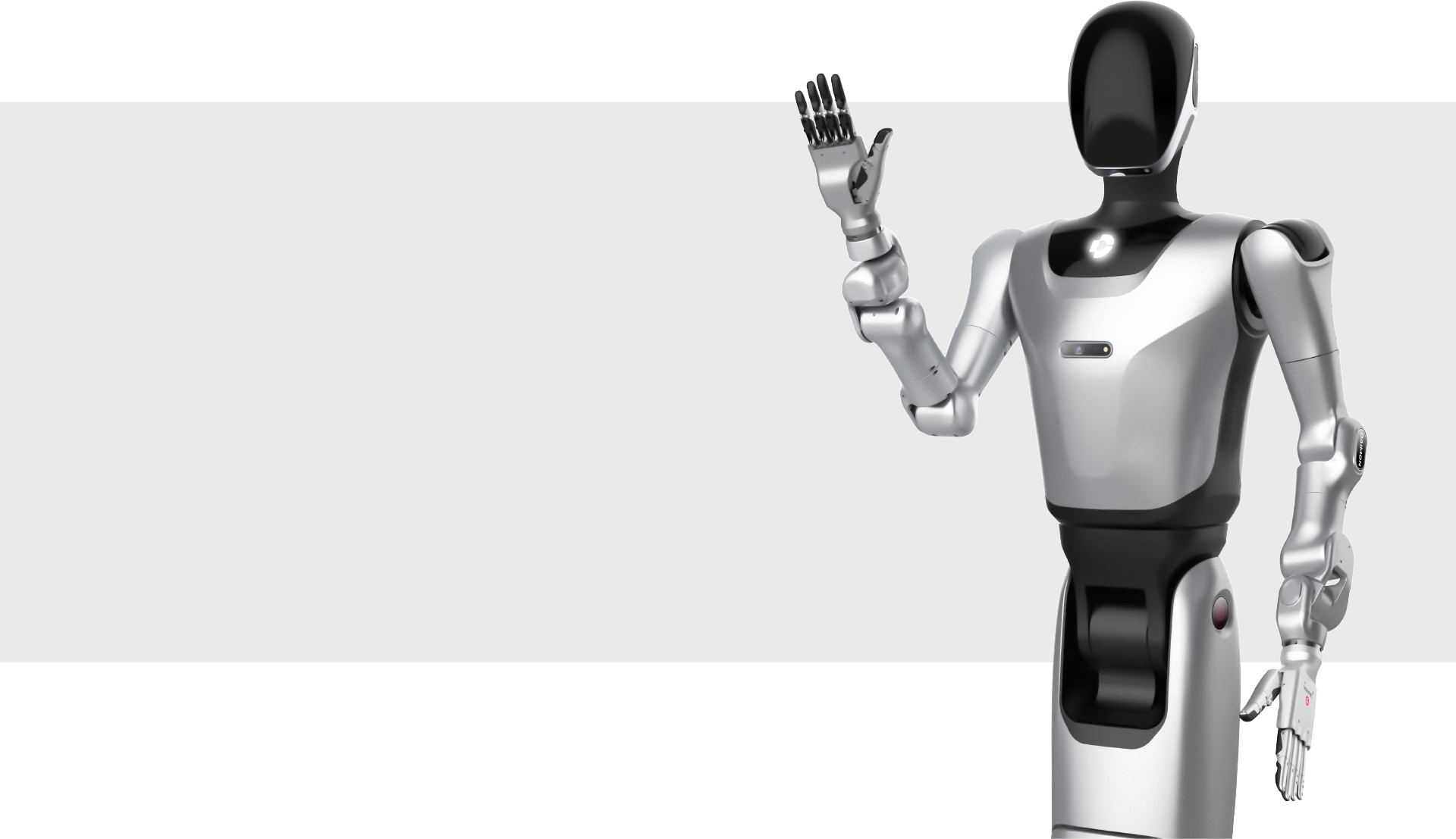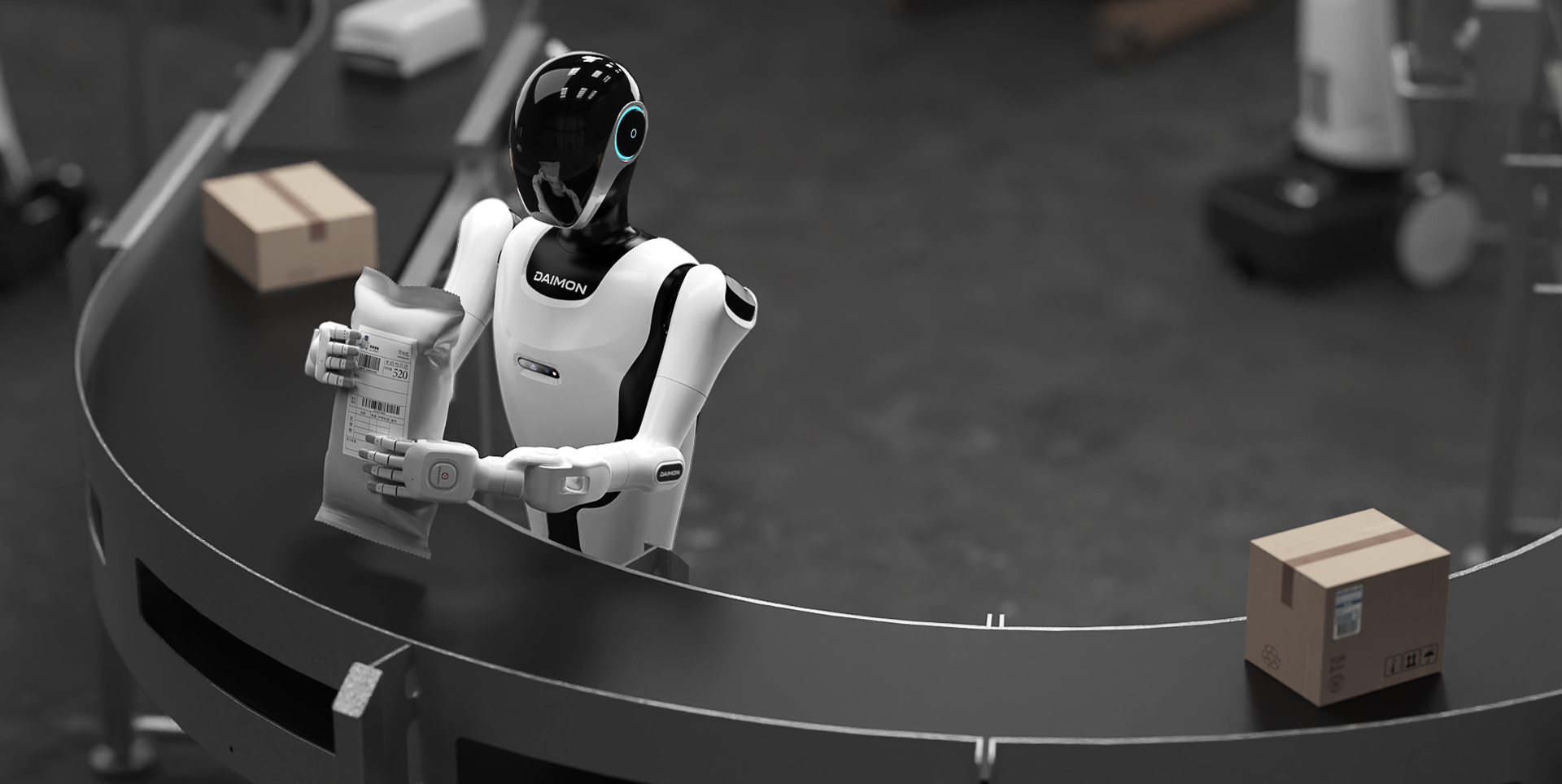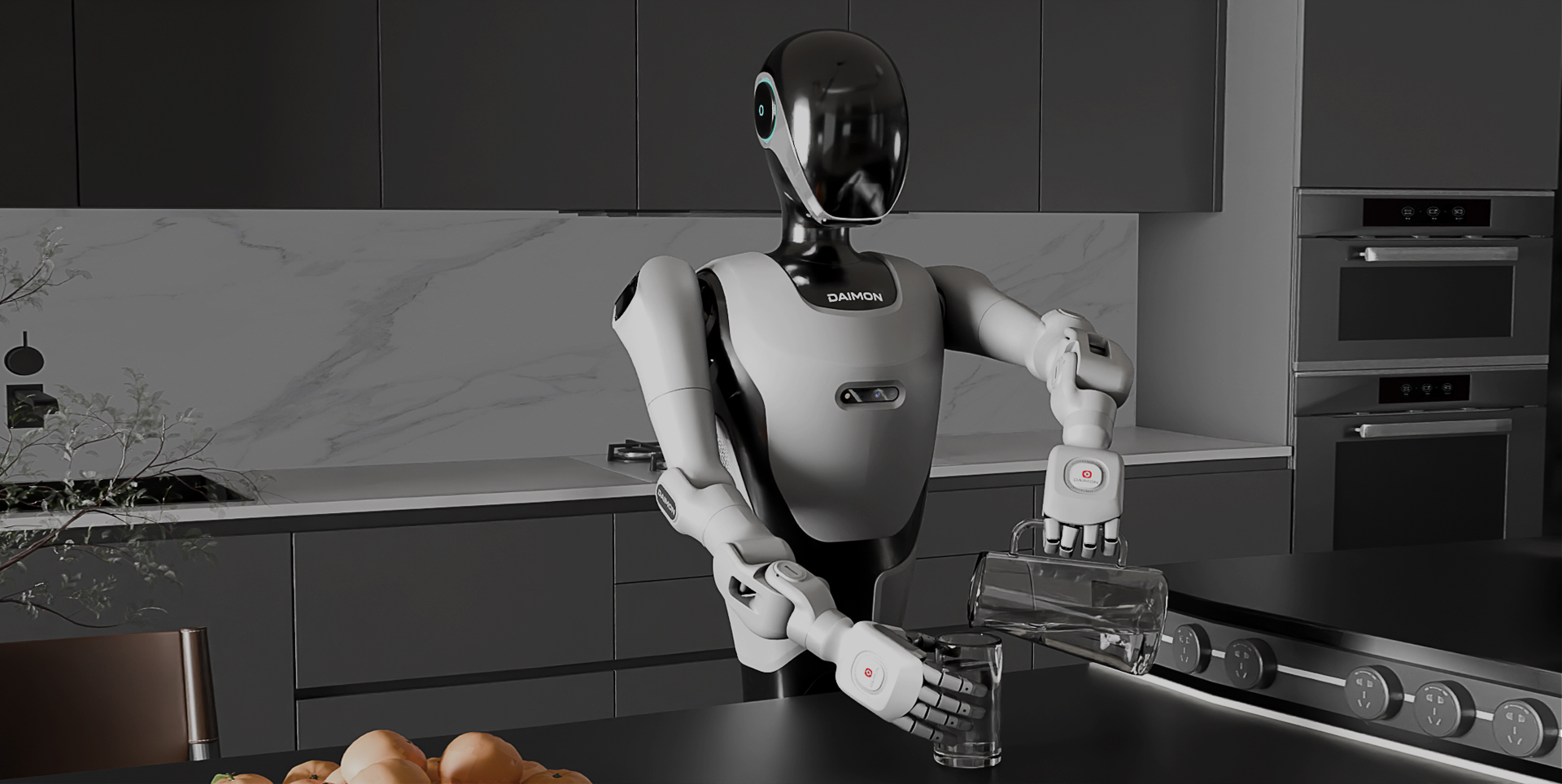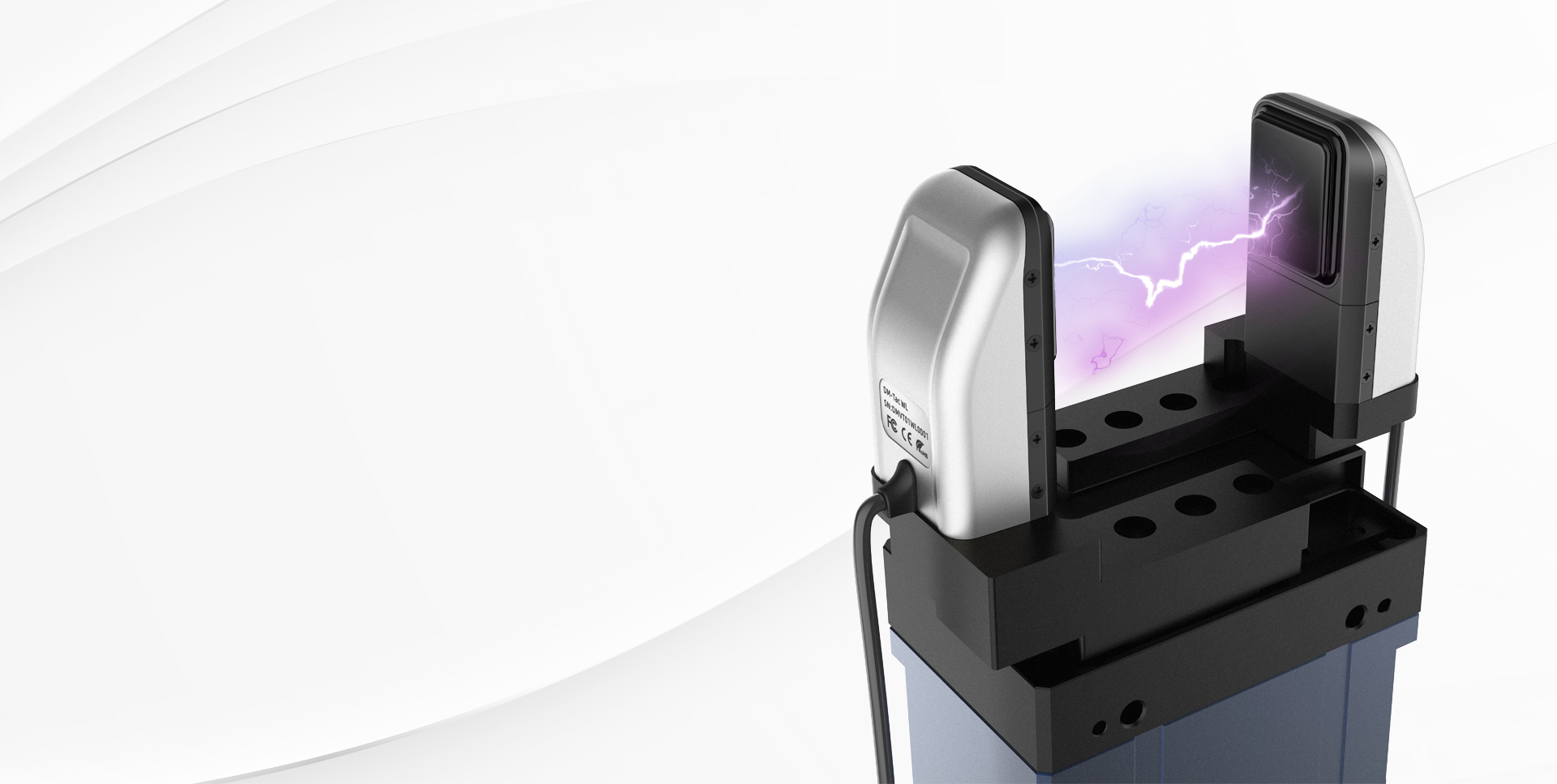






Teleoperation has emerged as a revolutionary advancement in robotics, enabling users to control robots from a distance while reducing the physical demands on operators. As industries increasingly adopt teleoperated robots, it becomes crucial to define what success looks like in this rapidly evolving field. Various factors contribute to the effectiveness of a wearable teleoperation system, influencing both user experience and operational efficiency.
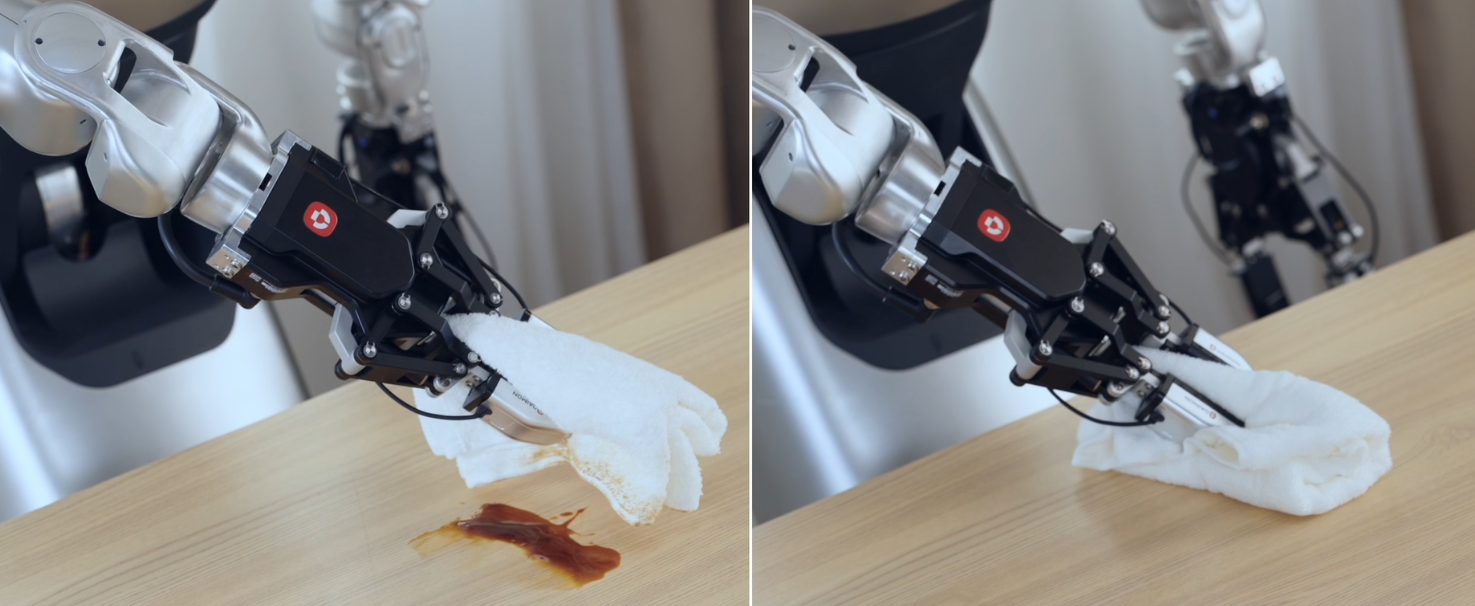
Key Features of Effective Teleoperation
A successful robot teleoperation system is characterized by multiple features that enhance usability and functionality. One primary consideration is the degree of freedom offered to the user. A wearable teleoperation system that provides six degrees of freedom (6 DOF) per arm allows for accurate mapping and fluid movements, making it easier for the operator to control the teleoperated robots effectively. This level of precision is essential, particularly in complex environments where nuanced manipulation is required.
Moreover, an important aspect of success is remote user control and data collection capabilities. Operators should be able to monitor and adjust their commands in real-time while also gathering valuable data about the teleoperated robots' performance. This data can inform future improvements and adaptations, enhancing the overall effectiveness of the teleoperation system. As industries integrate these technologies into their processes, the ability to work with real-time feedback becomes a key determinant of success.
The User Experience
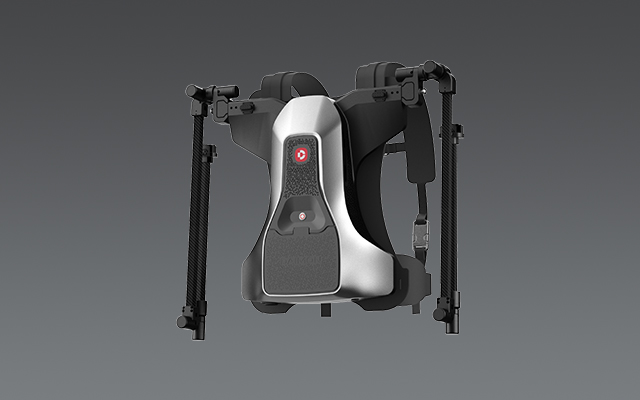
For any teleoperation system to be truly successful, it must prioritize the user experience. Wearable exoskeletons should be lightweight and easy to wear, allowing operators to use them for extended periods without fatigue. Comfort and user-friendliness are paramount, as they directly impact the operator's ability to control teleoperated robots efficiently. If a system is cumbersome or uncomfortable, it could hinder productivity and lead to operator errors, ultimately affecting the outcome of tasks performed by the robots.
Training is another vital component of the user experience. A successful robot teleoperation setup should include comprehensive training programs that help users become proficient in operating the system. When users feel confident and well-trained, they can maximize the potential of the wearable teleoperation system and the teleoperated robots they control.
Looking Toward the Future of Teleoperation
As the field of robot teleoperation continues to evolve, defining success will involve continuous innovation and adaptation. Businesses must remain focused on the needs of operators while ensuring that technological advancements are seamlessly integrated into their systems. A successful teleoperation solution will not only enhance productivity across various scenarios but will also empower operators by providing them with the tools they need to excel.
At Daimon, we are dedicated to setting the standard in developing effective wearable teleoperation systems. Our lightweight, easy-to-wear solutions offer high degrees of freedom and enable remote user control and data collection, which fosters learning and growth in robot development. We believe that as technology advances, so too should our commitment to creating teleoperated robots that truly meet the demands of modern industry. Embracing these innovations is vital for businesses looking to thrive in an increasingly automated world.