





Precision assembly in electronics, medical devices, or automotive components demands tolerances measured in microns. A misalignment of a fraction of a millimeter means a failed product, a broken production line, or costly rework. For years, manufacturers relied on rigid fixturing and human dexterity—but neither scales. We have learned that the true enabler of precision assembly is not better vision alone, but a robot gripper that can feel, adapt, and respond at the speed of touch. So how exactly do grippers achieve that level of precision? The answer lies in merging high-speed tactile perception with flexible control.
Why Standard Robot Grippers Fall Short
Conventional robot gripper designs operate on force limits or simple binary contact detection. They close until a threshold is reached, then stop. This works for uniform parts, but fails when assembling a fragile sensor into a housing or inserting a tiny pin into a socket. Without continuous feedback on surface texture, part deformation, or slip, the gripper is essentially blind after contact. We have seen assembly lines where damage rates linger around 5–8% simply because the robot gripper cannot distinguish between a snug fit and a catastrophic crush. Precision demands micron-level awareness—and that requires a fundamentally different approach.
Closing the Loop with Visuotactile Perception
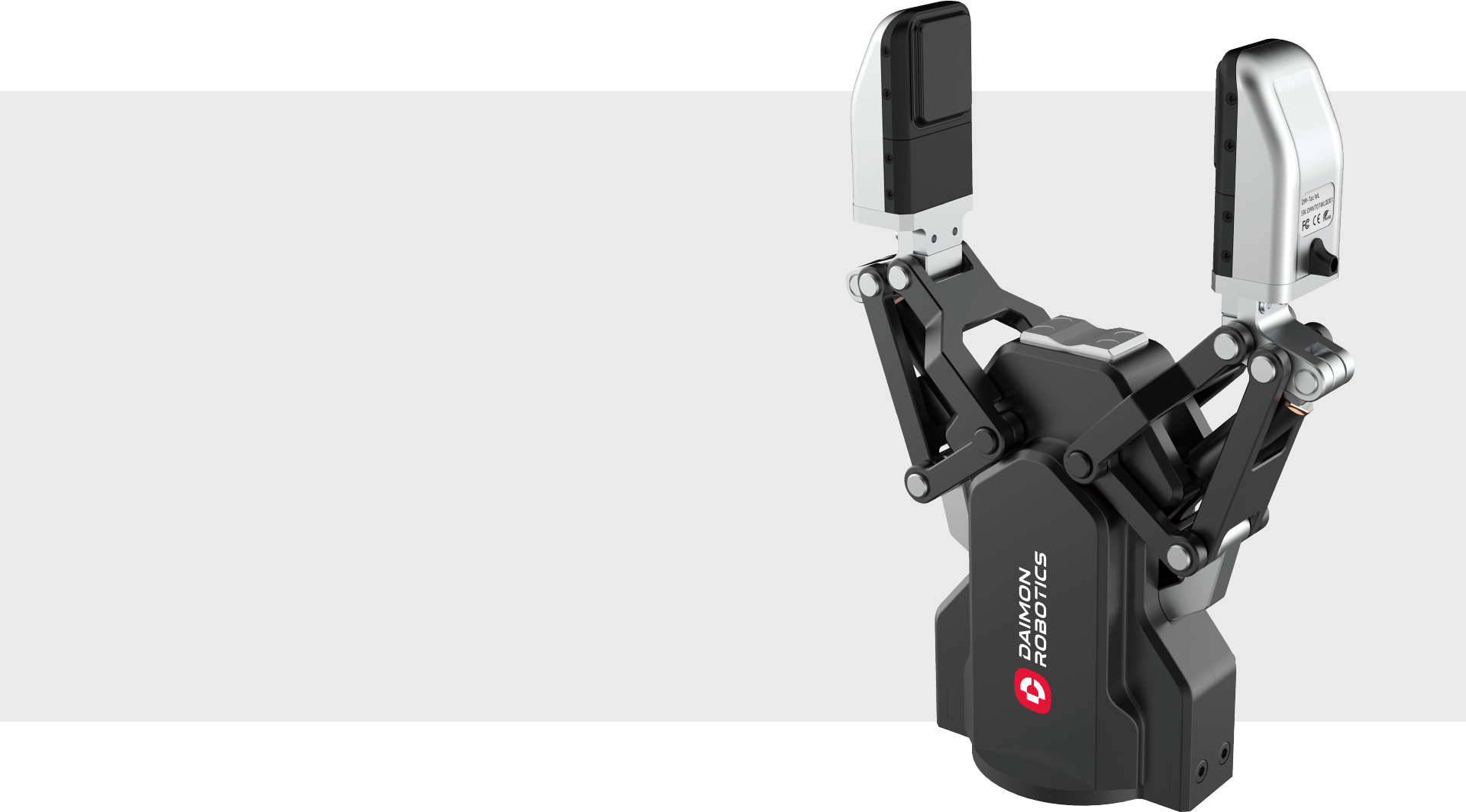
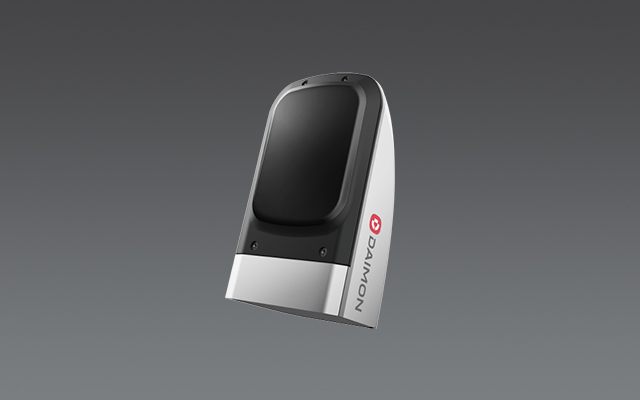
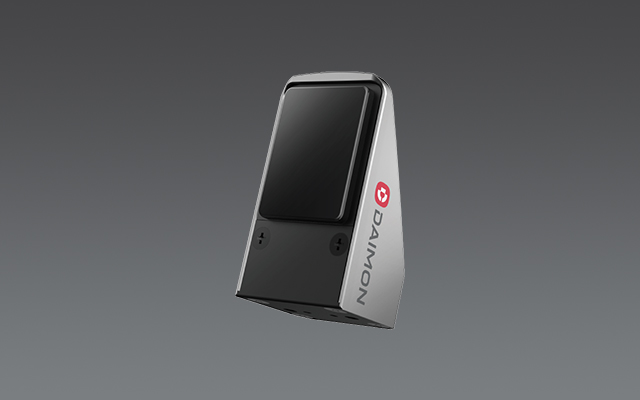
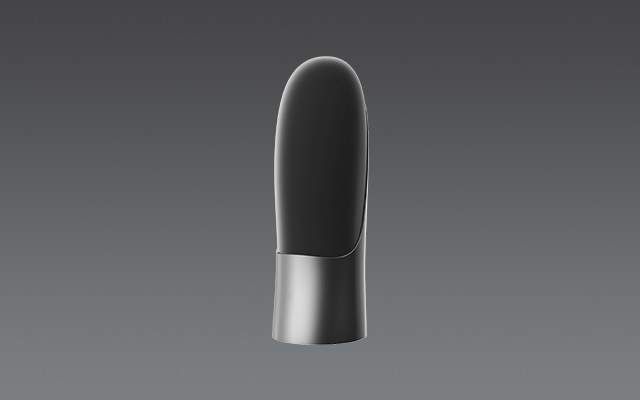
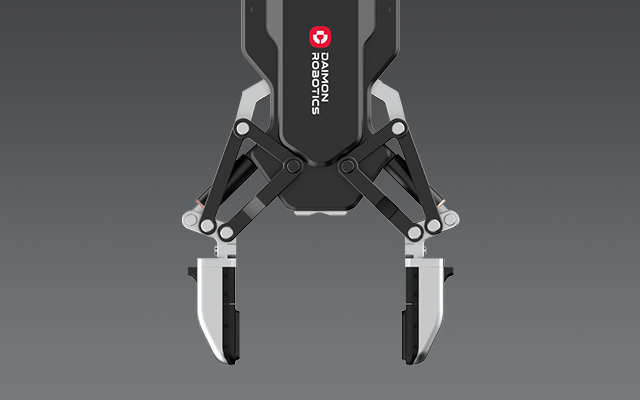
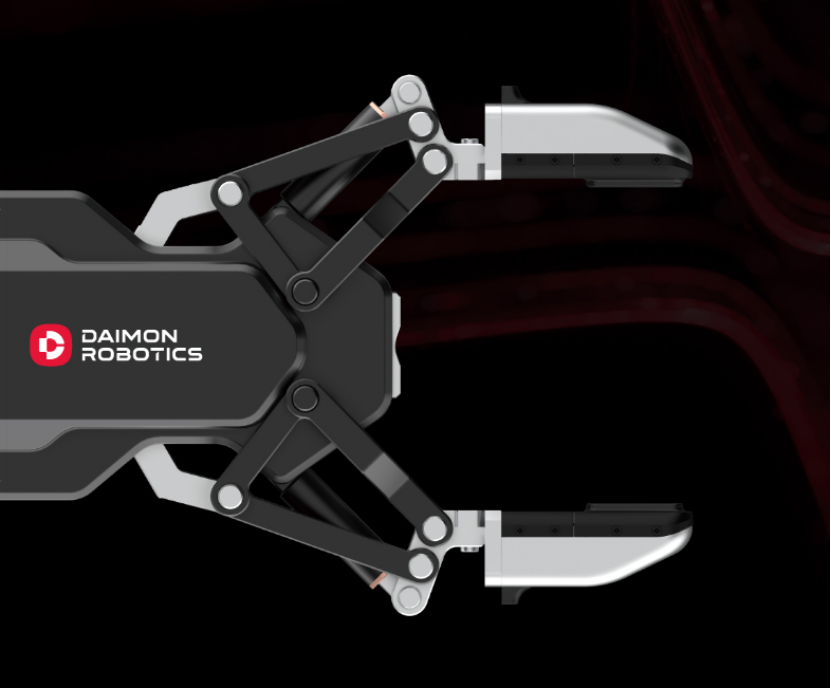
Our Daimon DM-Tac G visuotactile gripper redefines what a robot gripper can do. It integrates a high-precision visual‑tactile sensor that operates at 120Hz, collecting over 9 million data sets per second. That is not a typo: nine million points of contact information every second. This flood of data enables the robot gripper to perceive an object's material, morphology, and real‑time deformation in full 3D resolution. When assembling a delicate connector, the gripper senses the slight give of a rubber seal and the exact resistance of a metal latch—simultaneously. Multimodal perception turns a blind clamp into an intelligent hand that knows whether the part is seated correctly before releasing.
Tangential and Normal Resolution for Slip-Free Assembly
Vision alone cannot detect the moment a component begins to rotate or tilt during insertion. That is why we engineered the DM-Tac G with 3D full‑resolution tactile perception in both tangential and normal directions. This robot gripper recognizes contact changes at the micron level—far thinner than a human hair. It identifies hardness and softness in real time, and more critically, detects the earliest hint of slip. Imagine inserting a micro‑optical lens into a housing: the robot gripper feels the lens bottom out, senses that no lateral movement occurs, and then releases. No trial and error, no damage. We have deployed this capability in laboratory automation and smart manufacturing lines where precision is measured in micrometers, not millimeters.
From Blind Gripping to Intelligent Assembly
Precision assembly cannot be achieved with force‑limited jaws and hopeful programming. It requires a robot gripper that perceives, interprets, and reacts with the same feedback loops as a skilled human hand. At Daimon, we have built that future into the DM-Tac G visuotactile gripper. With 120Hz multimodal perception, over nine million data points per second, and micron‑level tangential and normal force resolution, our robot gripper transforms assembly from a gamble into a precise, repeatable science. Let us show you how Daimon's tactile intelligence delivers zero‑defect assembly—one micron at a time.