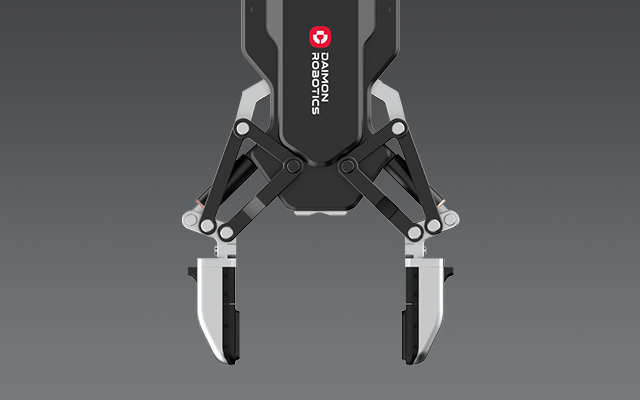






Picking fragile items—think ripe fruit, glass vials, or delicate electronic components—is one of the hardest challenges in industrial automation. Traditional rigid grippers crush, while simple suction cups fail on uneven or porous surfaces. So how do you pick fragile items reliably without damage? The answer lies not in brute force but in tactile intelligence. As we at Daimon have learned through years of research, a robot gripper must sense what it touches at the micron level. Without that feedback, every grasp is a gamble. With it, even the most delicate object becomes manageable. Let us walk you through the principles and the technology that make gentle picking possible.
Why Standard Robot Grippers Struggle with Fragile Objects
Most conventional robot gripper designs rely on position control or basic force thresholds. They close to a preset width or apply a fixed torque. For a steel bolt, that works. For a cherry tomato, it spells disaster. The core problem is blindness: the gripper cannot feel the object deforming under its fingers. It does not detect slip until the item falls. It cannot distinguish between a hard apple and a soft peach. This sensory gap leads to either crushed goods or failed pickups. To solve this, a robot gripper needs high-resolution tactile perception that captures not just contact force but also surface texture, deformation, and incipient slip.
The Solution: High-Resolution Tactile Perception
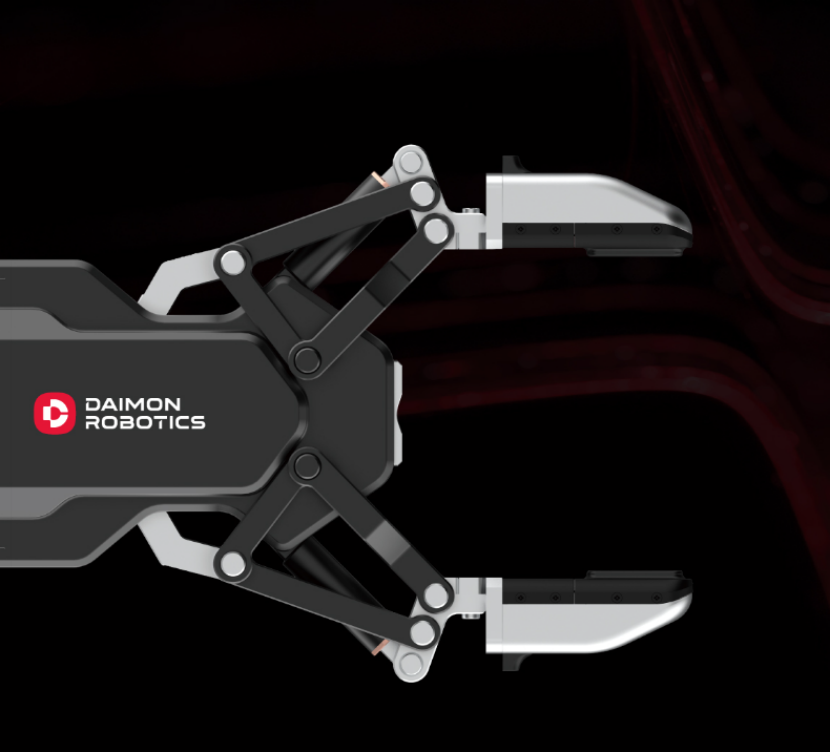
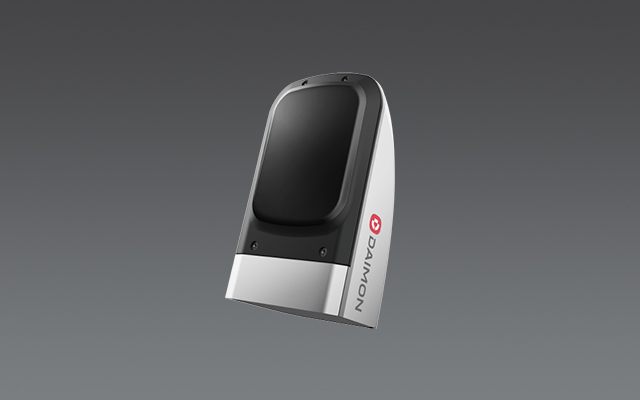
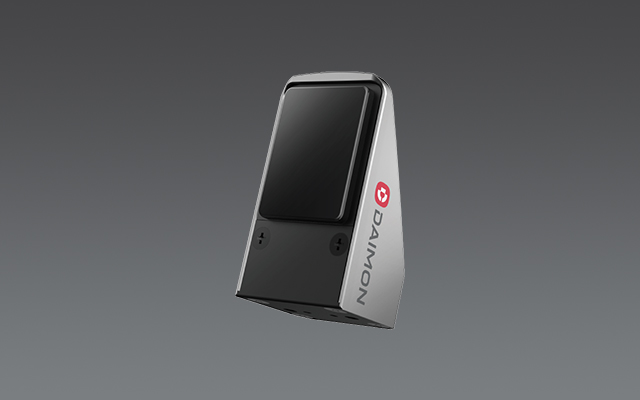
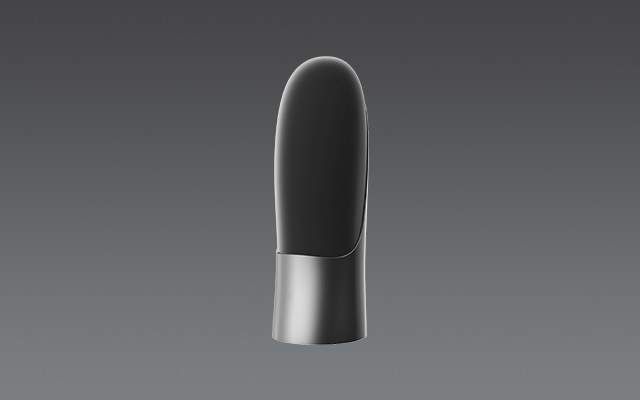
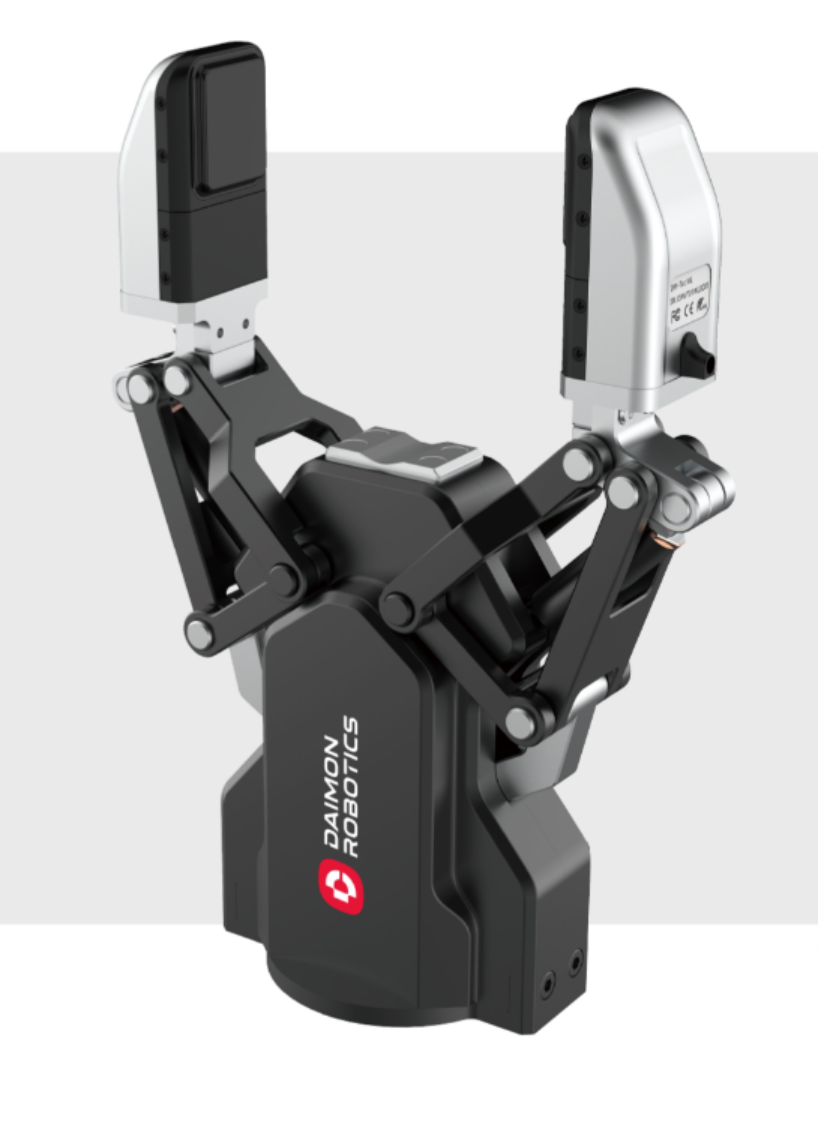
We have engineered the DM-Tac G Visuotactile Gripper specifically for fragile item handling. This robot gripper features 3D full-resolution tactile perception in both tangential and normal directions. What does that mean in practice? It can recognize micron-level contact changes—far beyond human touch sensitivity. When the gripper approaches a fragile object, it instantly measures local hardness and softness. It detects the earliest micro-slips before the object shifts. With this data, our robot gripper continuously adjusts grip force, applying just enough pressure to hold the item without crushing it. For a line of organic strawberries or precision glass lenses, this level of control is transformative.
Practical Steps to Implement Gentle Gripping
If you are deploying a robot gripper for fragile items, follow these principles. First, equip your gripper with tactile sensing that covers the entire contact surface. Second, use slip detection algorithms that trigger force modulation in real time. Third, calibrate for each material category—our DM-Tac G provides accurate data for hardness and softness identification without recalibration between batches. Finally, trust the sensor fusion: vision tells you where the object is, but tactile feedback tells you how to hold it. We have seen customers reduce breakage rates from over 8% to below 0.5% after switching to our visuotactile approach.
Our Recommendation for Reliable Fragile Picking
Fragile item picking does not have to be a production bottleneck. With the right robot gripper, you can achieve speed, precision, and care simultaneously. That is why we recommend Daimon’s DM-Tac G Visuotactile Gripper. Built on years of research in tactile sensing and behavior learning, our robot gripper delivers 3D full-resolution perception that turns delicate handling into a repeatable process. From fruit packing to pharmaceutical assembly, we are ready to help your business pick confidently. Let us show you how touch transforms automation.