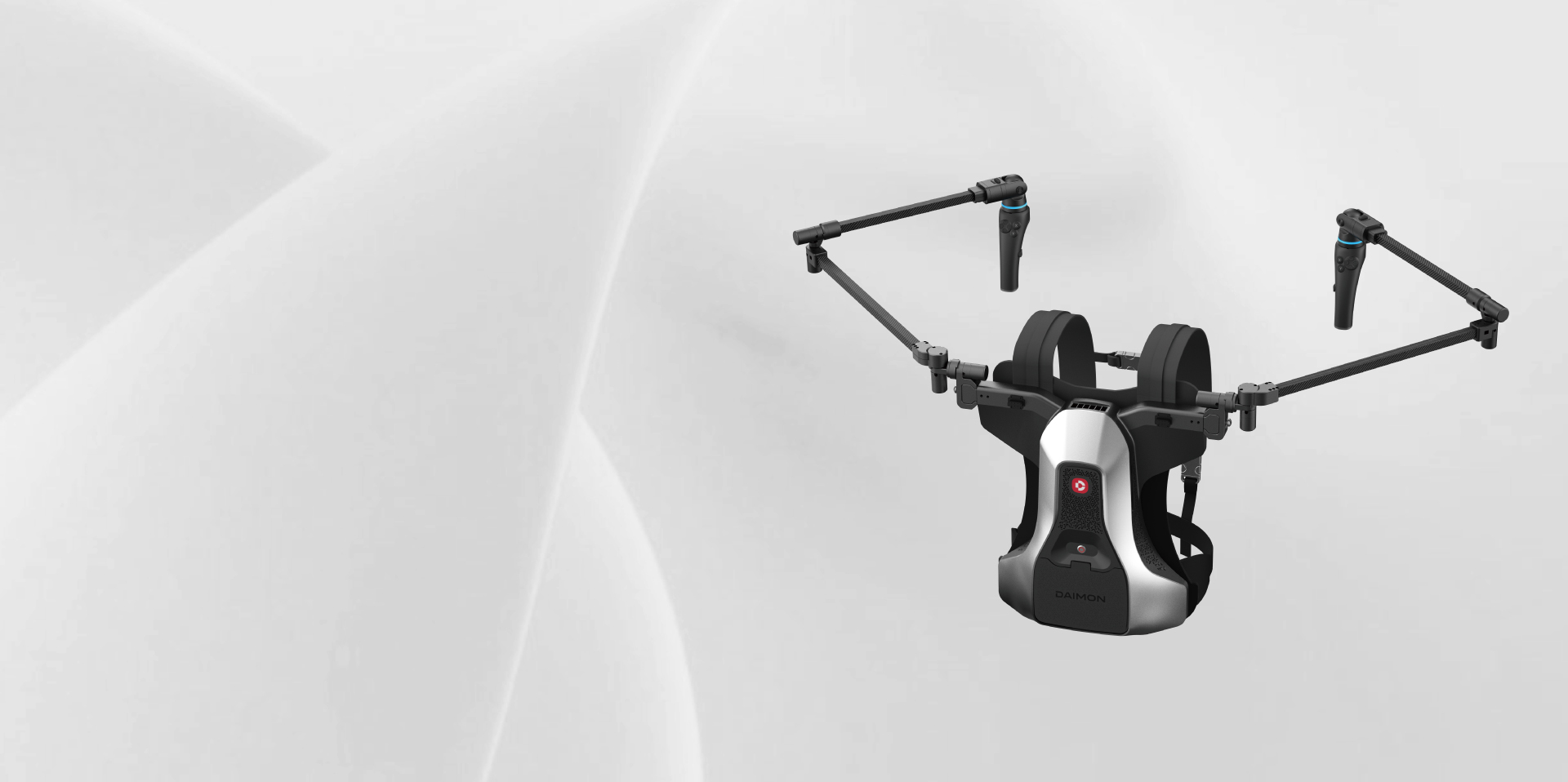
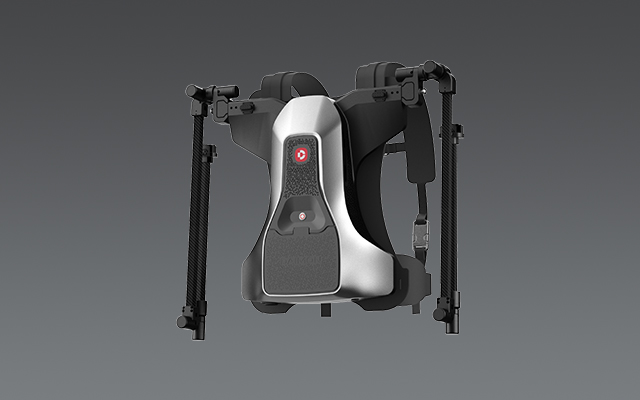






Long-distance robotic control has long faced a central challenge: how can an operator thousands of kilometers away perform complex, whole-body manipulations with the same intuition as being on-site? Standard joysticks and mouse clicks fail miserably when tasks require coordinated waist movements, fine grasping, or rapid scaling between delicate and gross motions. The answer lies in a wearable exoskeleton—a suit that captures human motion and transmits it to a remote robot in real time. At Daimon, we have developed the DM-EXton2 precisely for this purpose, working hand in hand with our technical partner NuExo to make remote control feel almost natural.
Building the Core Workflow: From Human to Robot
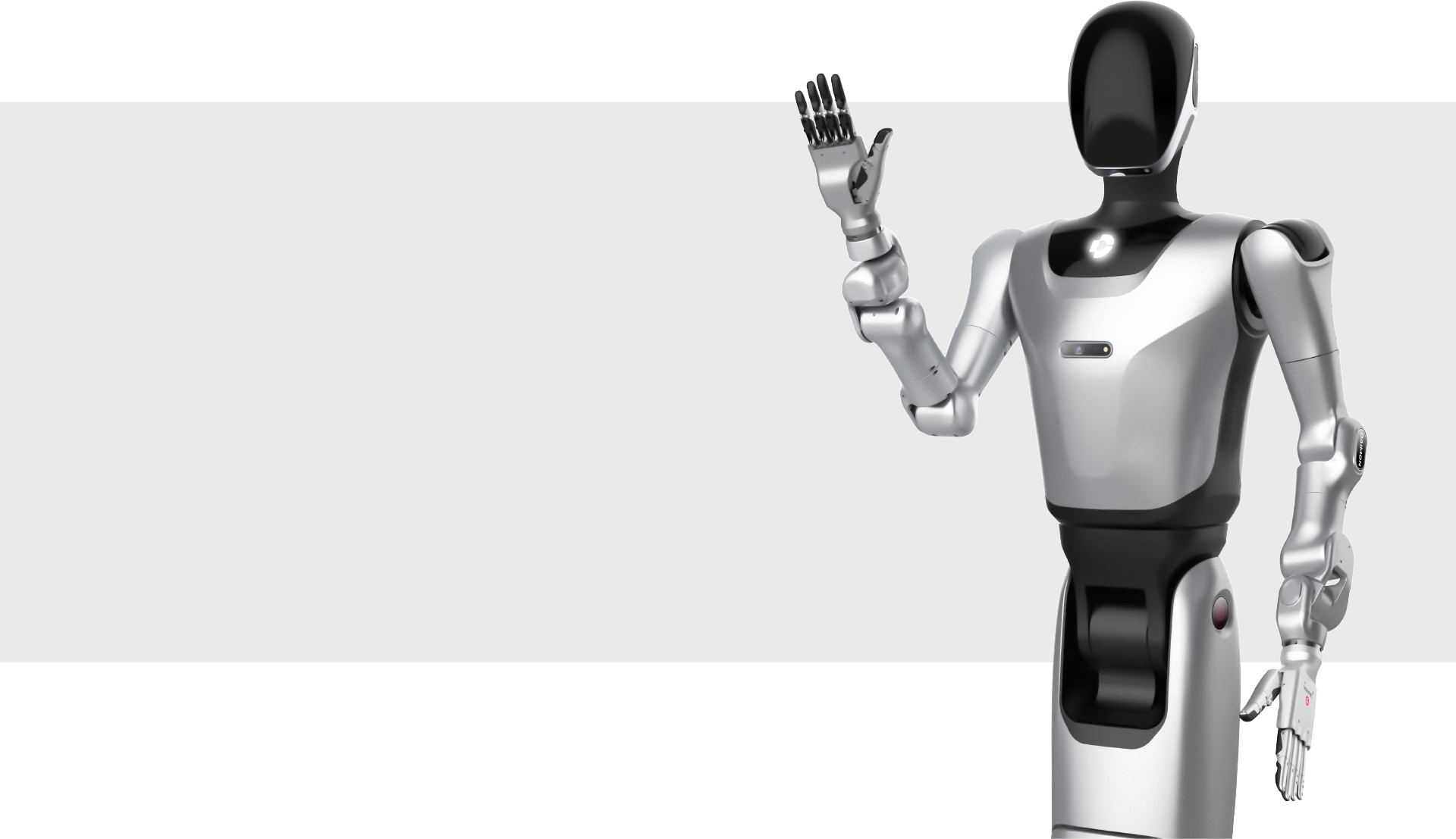
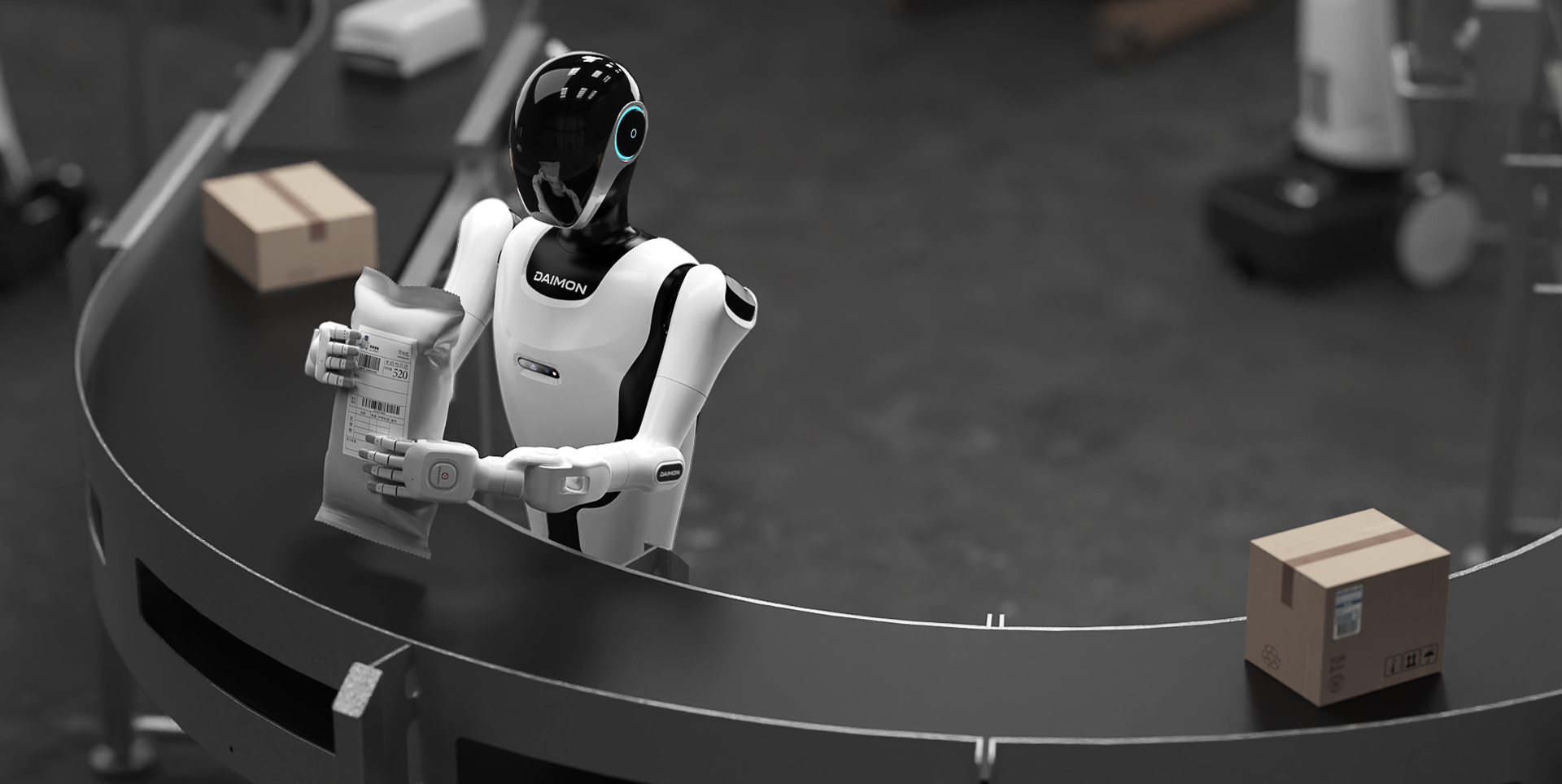
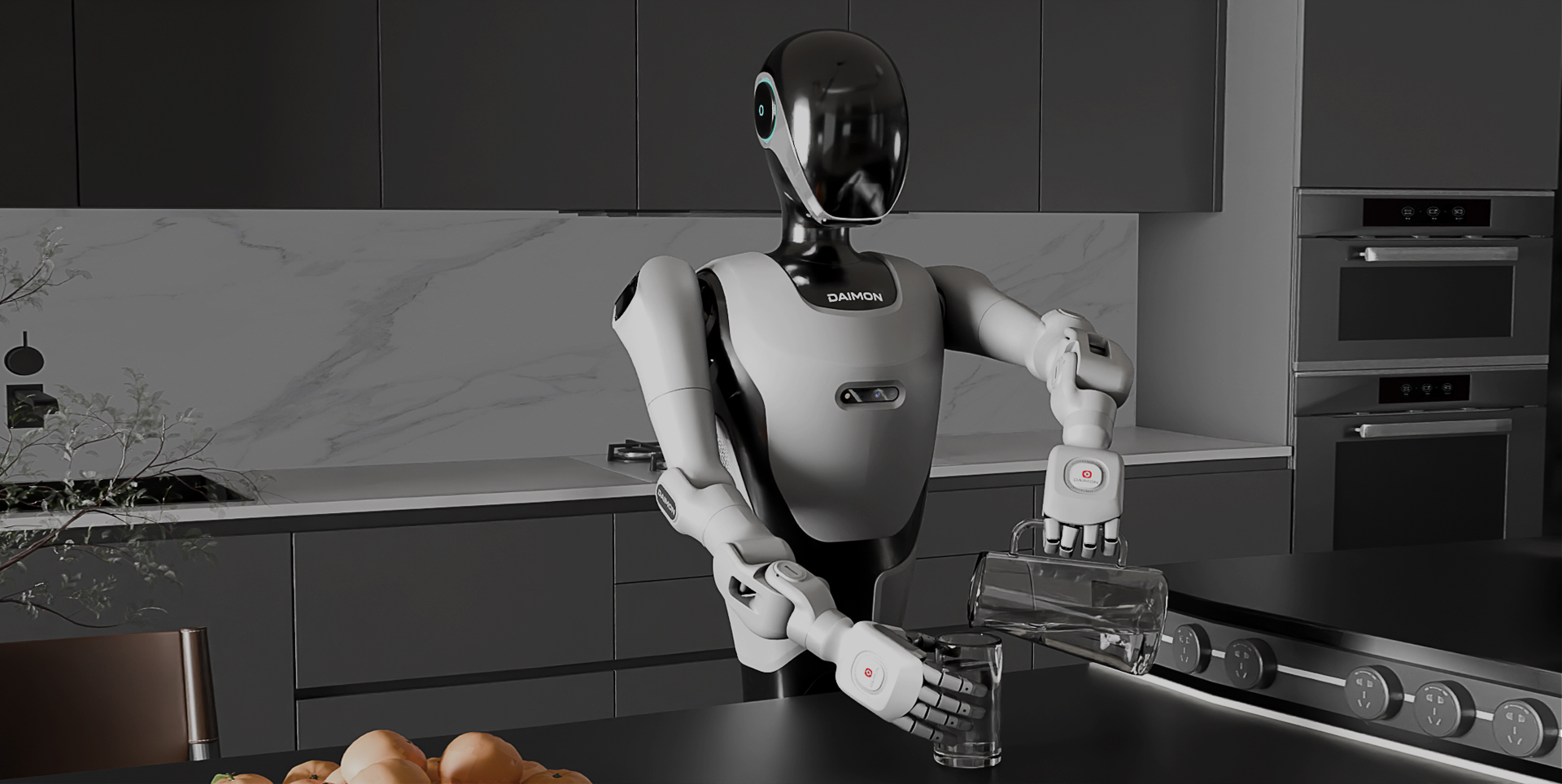
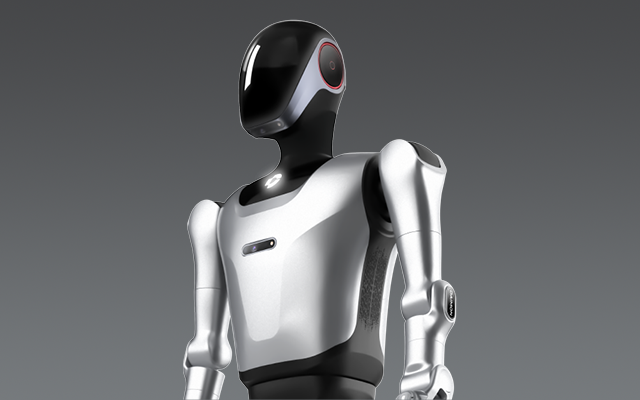
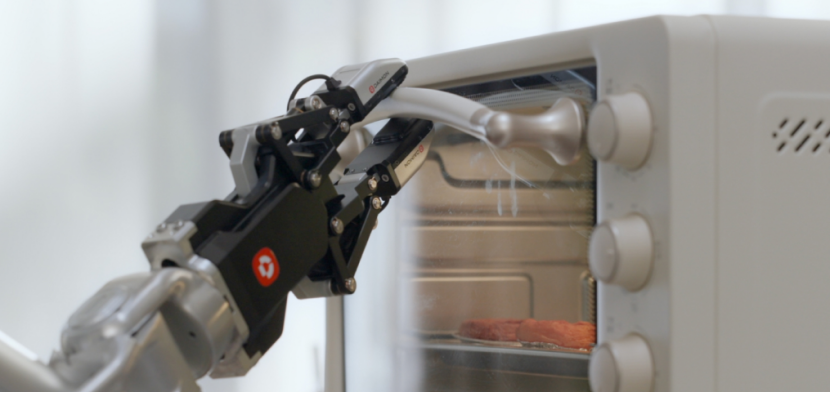
Using a wearable exoskeleton for long-distance teleoperation starts with donning the suit. Our DM-EXton2 supports whole-body teleoperation, including coordinated control of a mobile chassis and waist joint actuation. As the operator moves, the suit captures joint angles and body posture, then sends these signals over a low-latency network to a remote humanoid or industrial robot. We contributed invaluable expertise in motion scaling and data synchronization, ensuring that every subtle movement translates faithfully. This workflow turns abstract commands into tangible actions—whether opening a valve, picking up a fragile component, or navigating a cluttered disaster site.
Three Essential Features for Seamless Remote Control
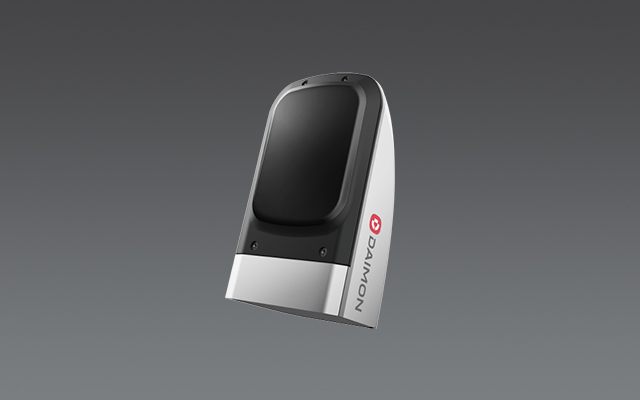
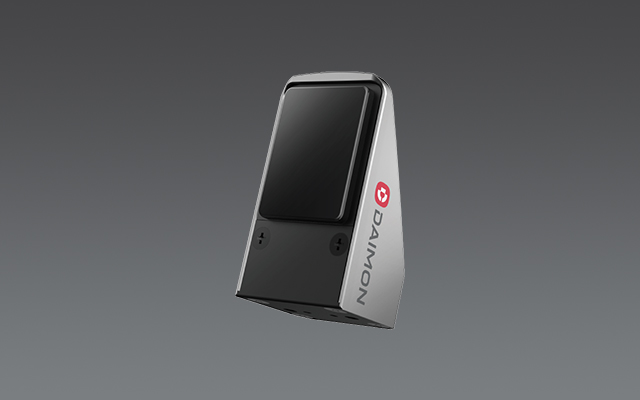
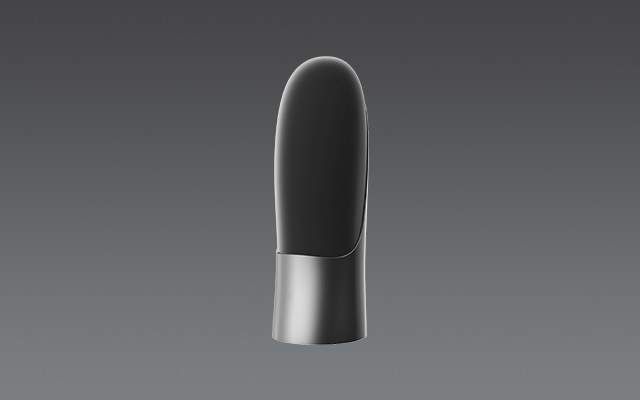
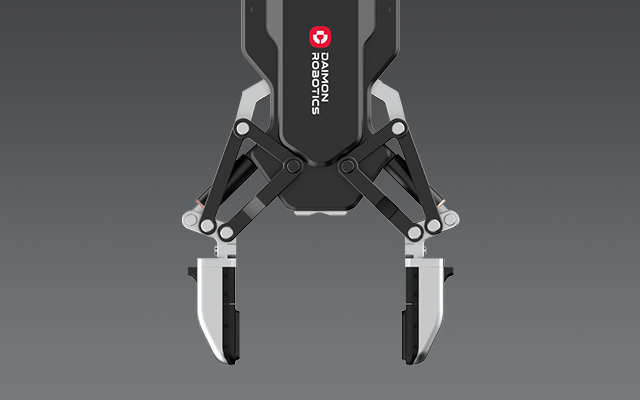
To master long-distance robotics, a wearable exoskeleton must excel in adaptability. The DM-EXton2 offers three game-changing functions. First, 3-gear motion scaling: with one-touch switching, operators can toggle between fine manipulation (e.g., inserting a microchip) and large-motion scenarios (e.g., sweeping a debris field). Second, whole-body teleoperation support covers not just arms but also waist and chassis movement, essential for realistic remote presence. Third, multi-form end-effector adaptation—our snap-fit design lets users swap between control pads and gloves in seconds. This flexibility, co-developed with NuExo, means one device serves multiple end-effectors, drastically reducing training time and equipment costs.
Why Daimon and NuExo Are the Right Partners
Adopting a wearable exoskeleton is not just about hardware; it is about integrated reliability. Our collaboration with NuExo has produced a system that simplifies operations while making data acquisition more efficient. The DM-EXton2 requires no complex calibration between mode switches, and its signal stability has been validated across industrial and research settings.
Our Perspective on the Future of Remote Manipulation
Long-distance robotic control is rapidly moving from sci-fi to standard practice. As we see it, the key is a wearable exoskeleton that feels like a second skin—and that is exactly what Daimon, together with NuExo, has built. We recommend our DM-EXton2 for any business seeking to deploy remote operators safely and efficiently. From hazardous material handling to offshore maintenance, our wearable suit puts human dexterity anywhere in the world. Let us help you close the distance.