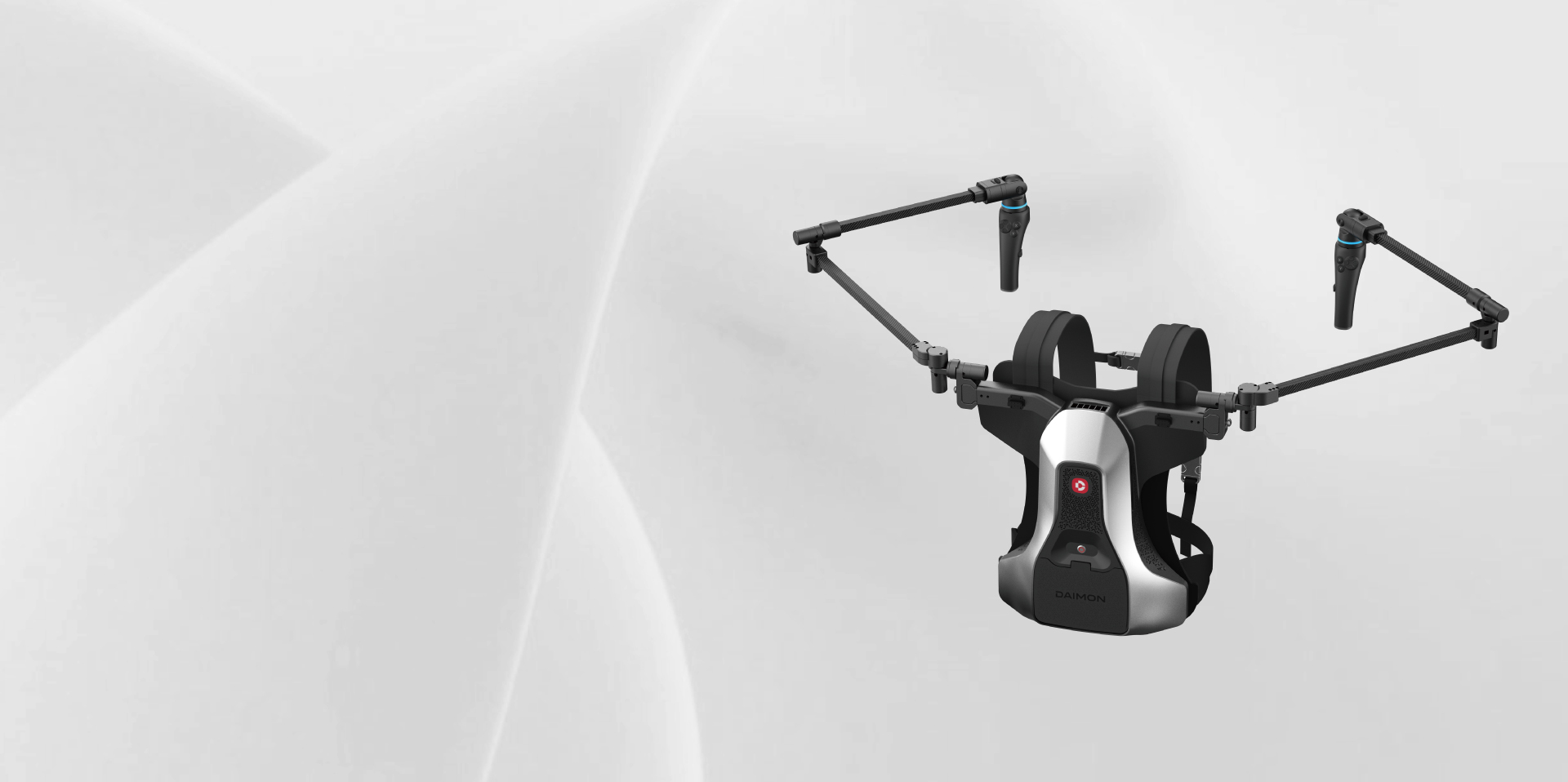






Operating a robot from a distance used to mean watching a screen and guessing at forces. You pressed a button, watched the arm move, and hoped nothing broke. That guessing game ends with a wearable exoskeleton. These devices let you transfer your own arm and hand motions directly to a robotic manipulator, but simply putting one on is not enough. We have learned that effective use requires three deliberate steps: proper calibration, low‑latency control, and realistic haptic feedback. When all three work together, a wearable exoskeleton becomes as natural as using your own limbs—even across continents.
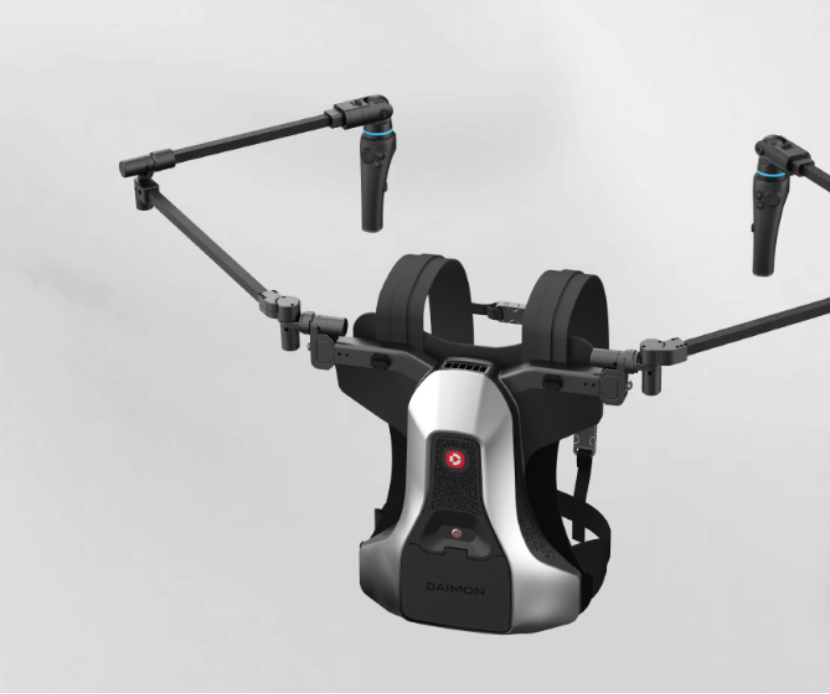
Step One: Don and Calibrate for Natural Motion
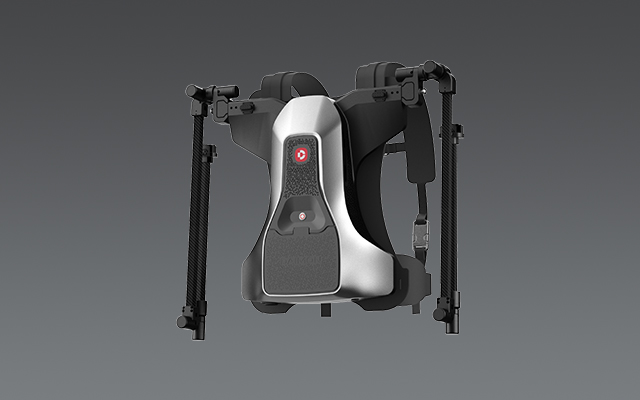
Before any teleoperation begins, the wearable exoskeleton must map to your unique body. Slide your arms into the cuffs, adjust the joint alignment points, and run a quick calibration sequence. The system records your range of motion, preferred speed, and neutral posture. This step is critical because every operator moves differently. Without calibration, the robot might misinterpret a slight shoulder rotation as a large arm sweep. Our approach to teleoperated systems design prioritizes this personalization, ensuring that the exoskeleton’s kinematic model mirrors your anatomy. Once calibrated, you will feel immediate responsiveness—your elbow bend becomes the robot’s elbow bend, without lag or unnatural scaling.
Step Two: Leverage Low‑Latency Teleoperation Commands
Latency destroys dexterity. If your command arrives even 50 milliseconds too late, you can overshoot a target or crush a delicate object. That is why effective use of a wearable exoskeleton demands millisecond‑level synchronization. Our DM-EXton2 achieves 1000Hz low‑latency response, meaning your movements are sampled and transmitted a thousand times per second. This is the heart of modern teleoperated systems design: a closed loop where the exoskeleton sends joint angles, the robot executes them, and force data returns—all within a single millisecond. To use this property, practice slow, deliberate motions first. The system will feel almost pre‑cognitive, allowing you to then speed up naturally. High latency would force you to move cautiously; 1000Hz lets you work at human speed.
Step Three: Feel What the Robot Feels
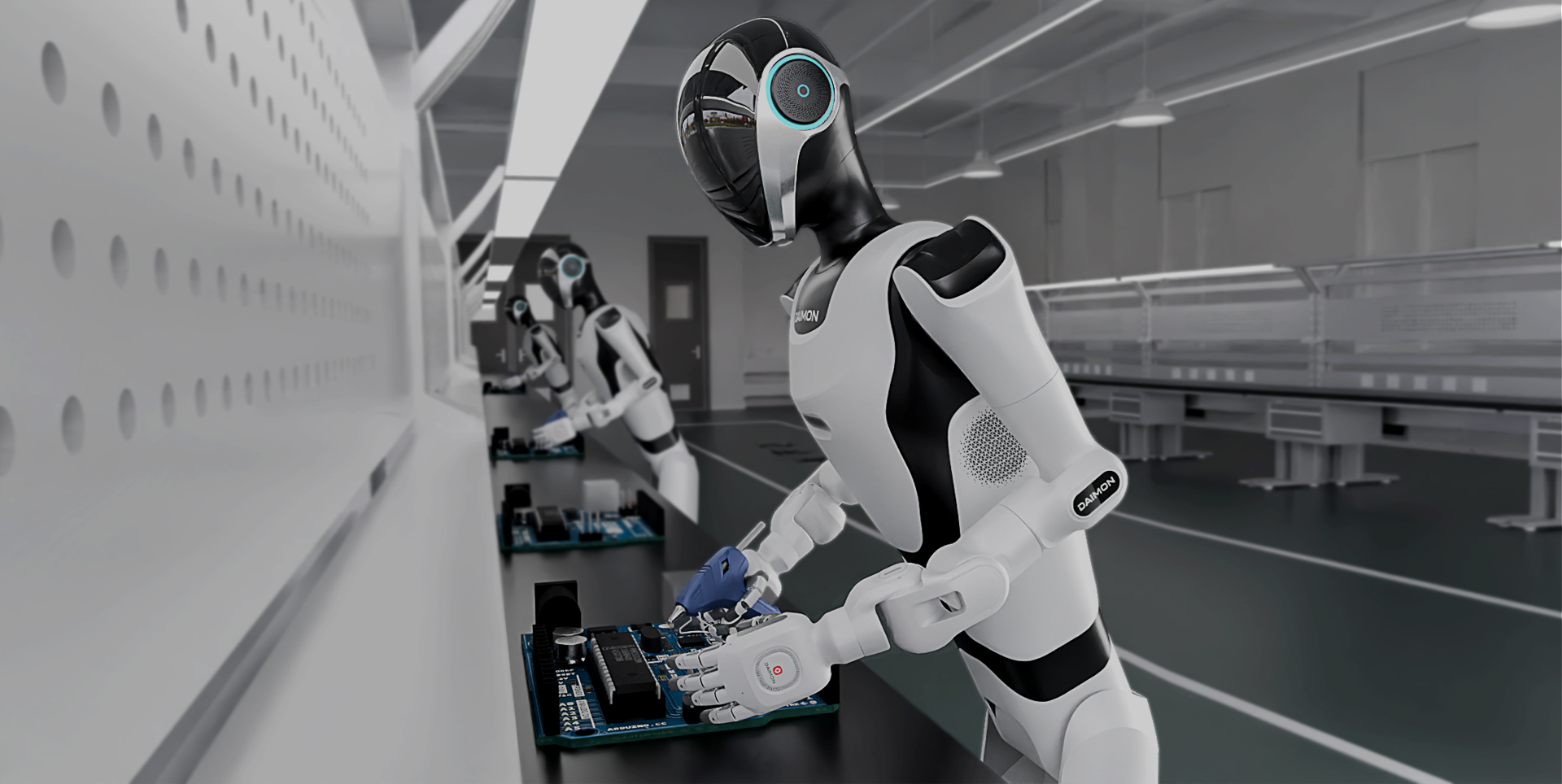
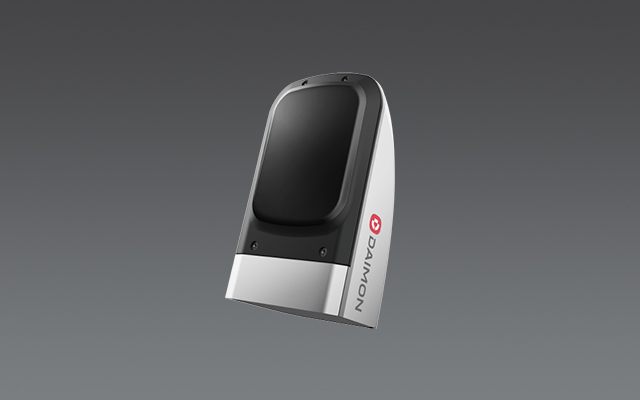
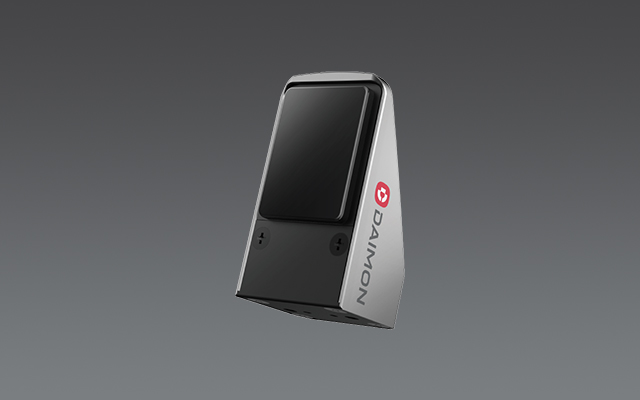
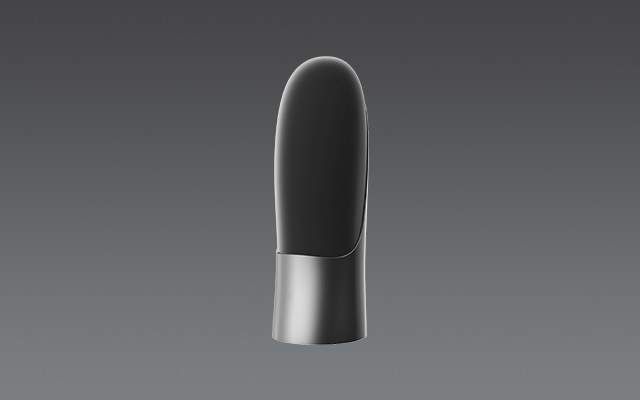
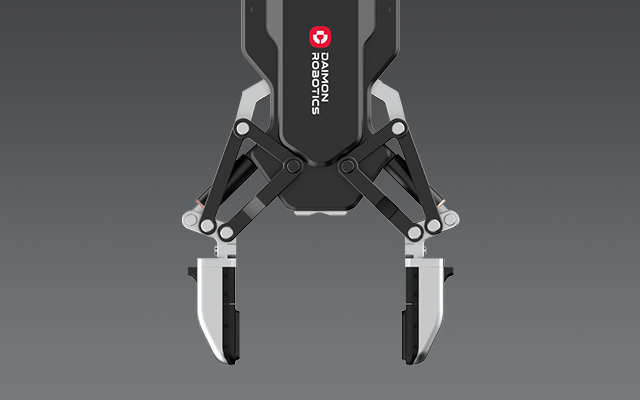
A wearable exoskeleton without haptic feedback is just a motion capture suit. True usability comes when you feel contact forces at your own fingertips. Our DM-EXton2 integrates self‑developed vision‑based tactile sensors that reproduce light touch sensations with remarkable precision. When the robot’s gripper brushes against an object, you feel a soft resistance in your hand. When it picks up a fragile glass vial, you sense the delicate pressure needed. This bi‑directional communication is the pinnacle of teleoperated systems design—information flows from you to the robot and back again. To use this feature effectively, pay attention to the subtle tactile cues during training. Over time, you will no longer think about the exoskeleton; you will simply reach, feel, and grasp as if you were inside the remote workspace.
Smarter Operations Start Here
Using a wearable exoskeleton effectively is not about memorizing button sequences—it is about creating a natural extension of your own body. Calibrate for your unique anatomy, trust low‑latency transmission, and listen to the tactile feedback. These principles apply whether you are handling hazardous materials, performing remote maintenance, or conducting laboratory research. At Daimon, we have embedded these lessons into every aspect of our DM-EXton2 exoskeleton. From the 1000Hz command synchronization to the vision‑based tactile sensors, our teleoperated systems design focuses on one goal: making remote manipulation as intuitive as direct contact. Let us show you how Daimon’s wearable exoskeleton transforms your operators into high‑precision telepresence experts.