





When a robot arm reaches for an object, the success or failure of the entire operation often comes down to one component: the gripper. From myopic pick-and-place cycles to delicate assembly tasks, the way a robot gripper interfaces with its environment defines throughput, quality, and flexibility. At Daimon, we have seen that the most transformative robot gripper applications are those that move beyond simple open-close actions toward intelligent, perceptive grasping. Among all configurations, the parallel gripper remains the workhorse of industrial automation—but only when it is equipped with the right sensing and control capabilities.
Why the Right robot gripper Transforms Automation
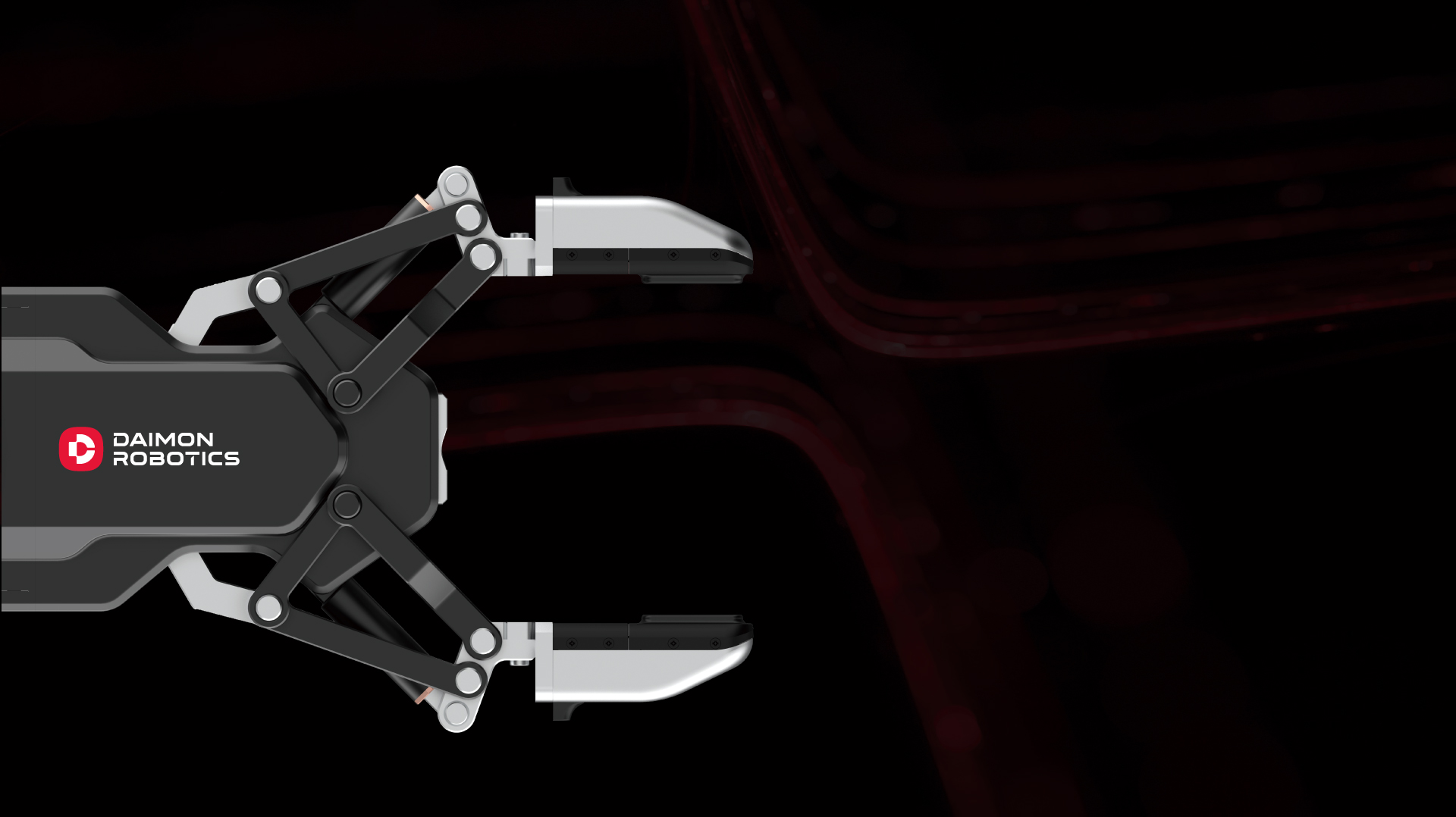
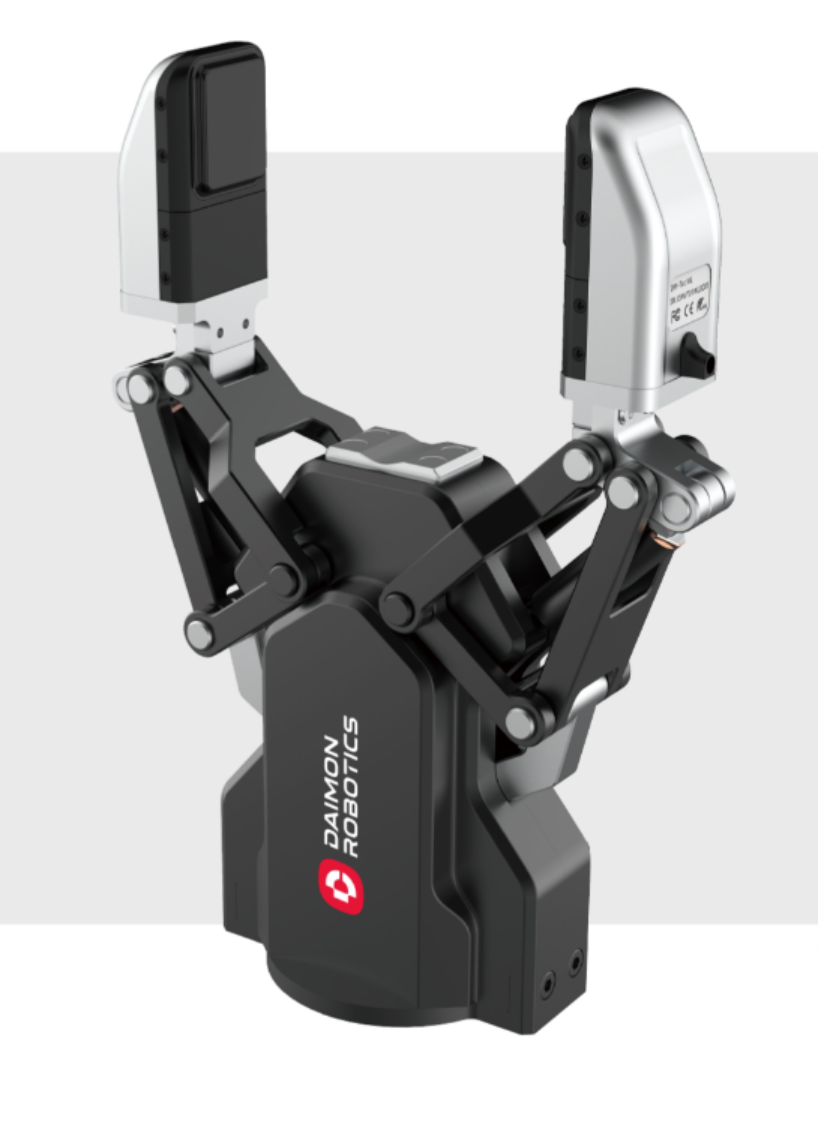
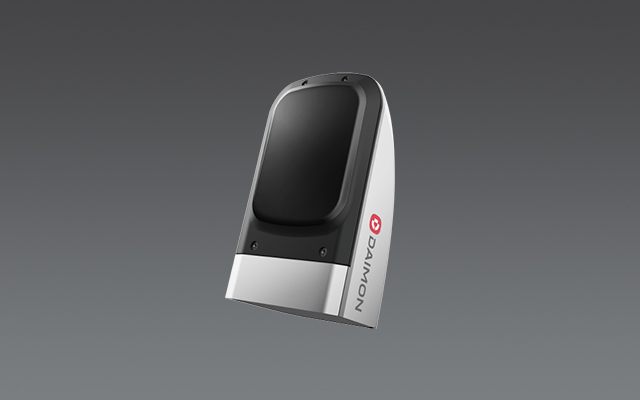
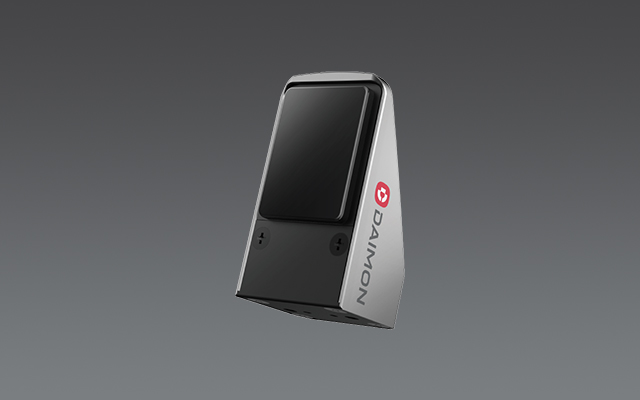
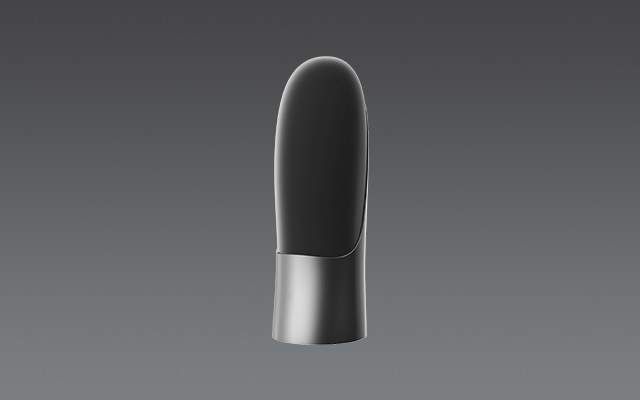
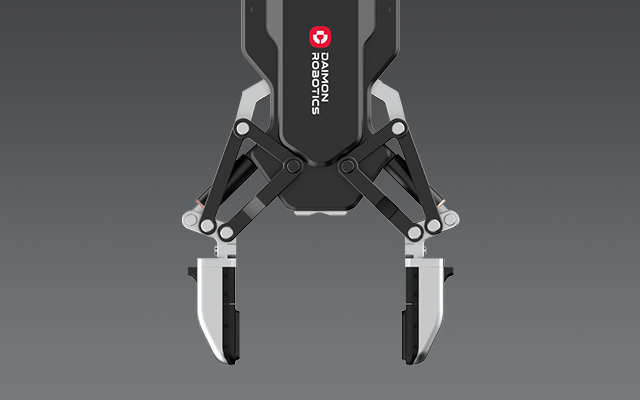
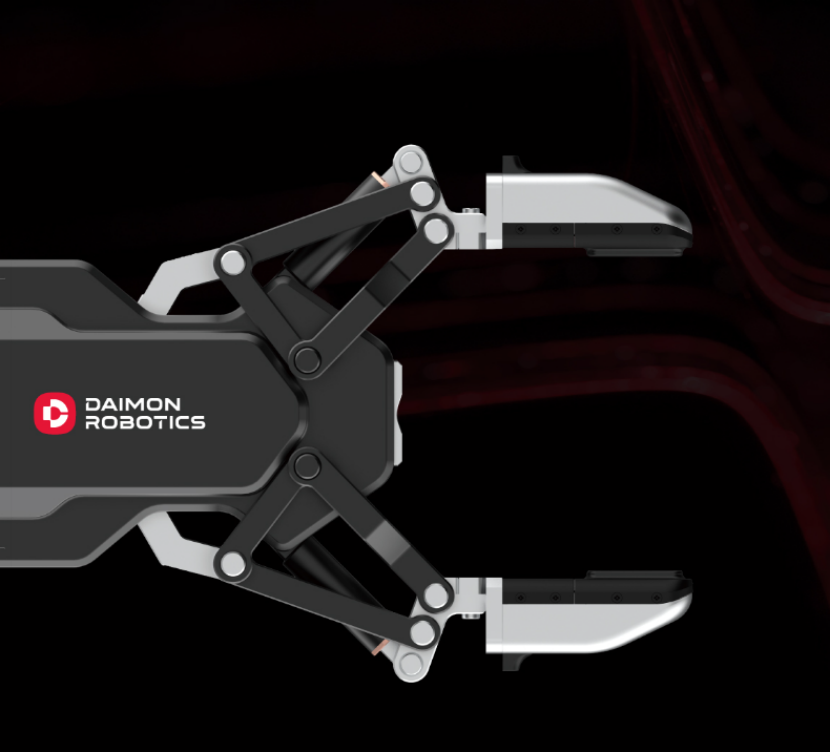
Many engineers assume that any robot gripper can handle a given part if the force is sufficient. In reality, unpredictable part geometry, surface variation, and fragility demand a parallel gripper that adapts in real time. A conventional parallel gripper without tactile feedback will either crush delicate components or drop slippery ones. This is where high-dexterity robot gripper design makes the difference. Our DM-Tac G Visuotactile Gripper integrates a high-precision visual-tactile sensor that collects over nine million data sets per second. When mounted on a robot arm, this robot gripper perceives material, morphology, and deformation in full 3D resolution. The result is a parallel gripper that no longer guesses—it knows.
Moving Beyond Simple Open-Close with parallel gripper
The most common misuse of a parallel gripper is treating it as a binary clamp. In advanced robot gripper applications—such as sorting soft food items, handling pharmaceutical vials, or inserting flexible cables—the gripper must modulate force continuously based on tactile feedback. Our approach at Daimon equips the parallel gripper with 120Hz multimodal perception, capturing subtle contact changes that would otherwise go unnoticed. This allows a robot arm to switch from a firm power grasp to a precision fingertip grip within milliseconds. Moreover, the robot gripper can detect slip onset, measure part deformation, and even identify material properties before committing to a lift. Such capabilities turn a standard parallel gripper into a truly intelligent end effector.
The Daimon Advantage in Gripper Integration
We have learned that successful robot gripper deployment is not just about hardware—it is about how seamlessly sensing integrates with motion control. The DM-Tac G is designed to work with a wide range of robot arms, delivering plug-and-play visuotactile feedback. Whether you are automating a high-speed picking cell or a precision assembly station, our parallel gripper solution reduces changeover time, eliminates trial-and-error programming, and significantly lowers the risk of damage to parts.
From our perspective at Daimon, the future of robot gripper applications lies in perceptive, adaptive gripping. We invite you to experience the DM-Tac G Visuotactile Gripper on your robot arm—where every grasp is precise, every release is confident, and your productivity reaches new heights.