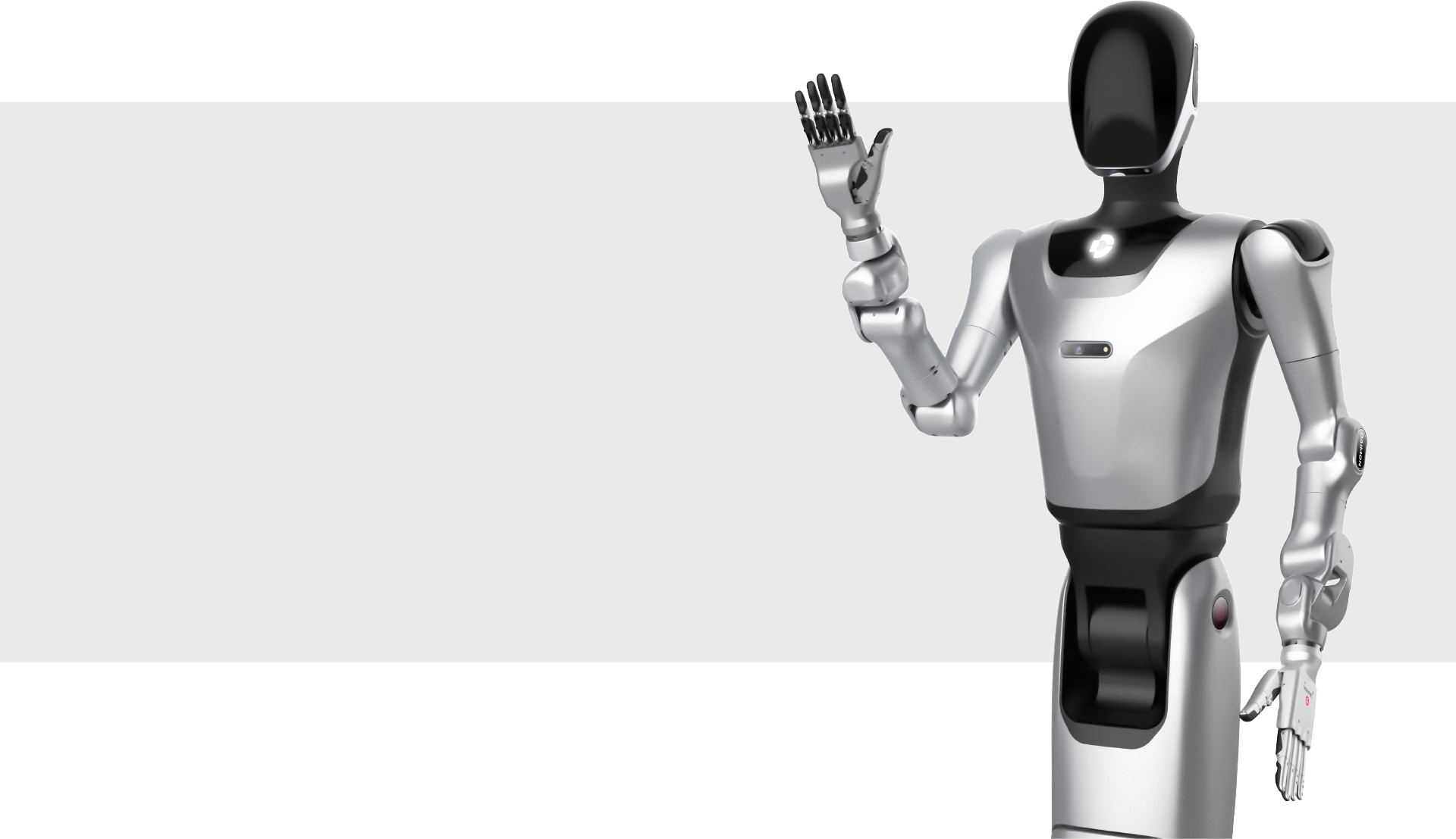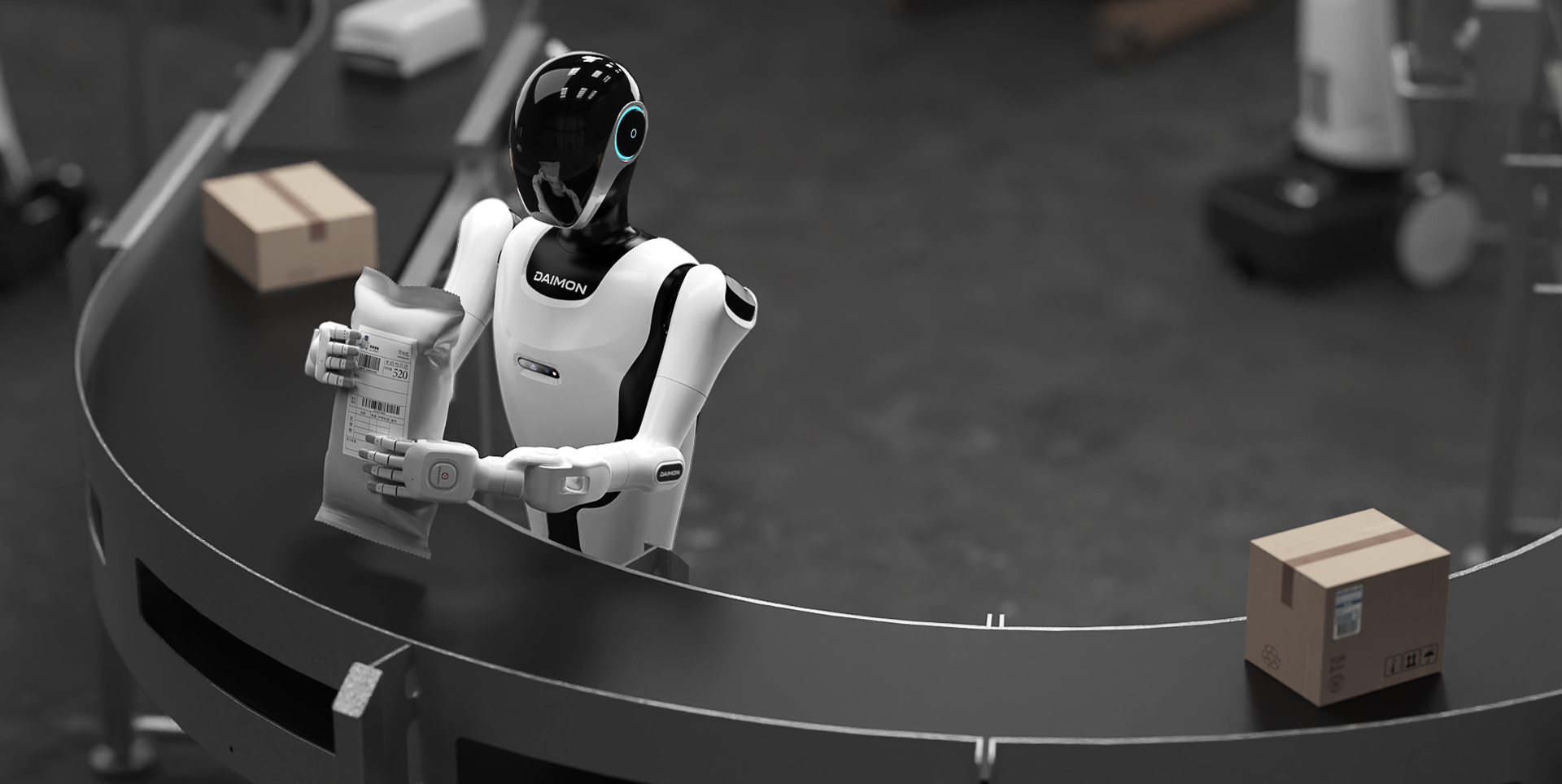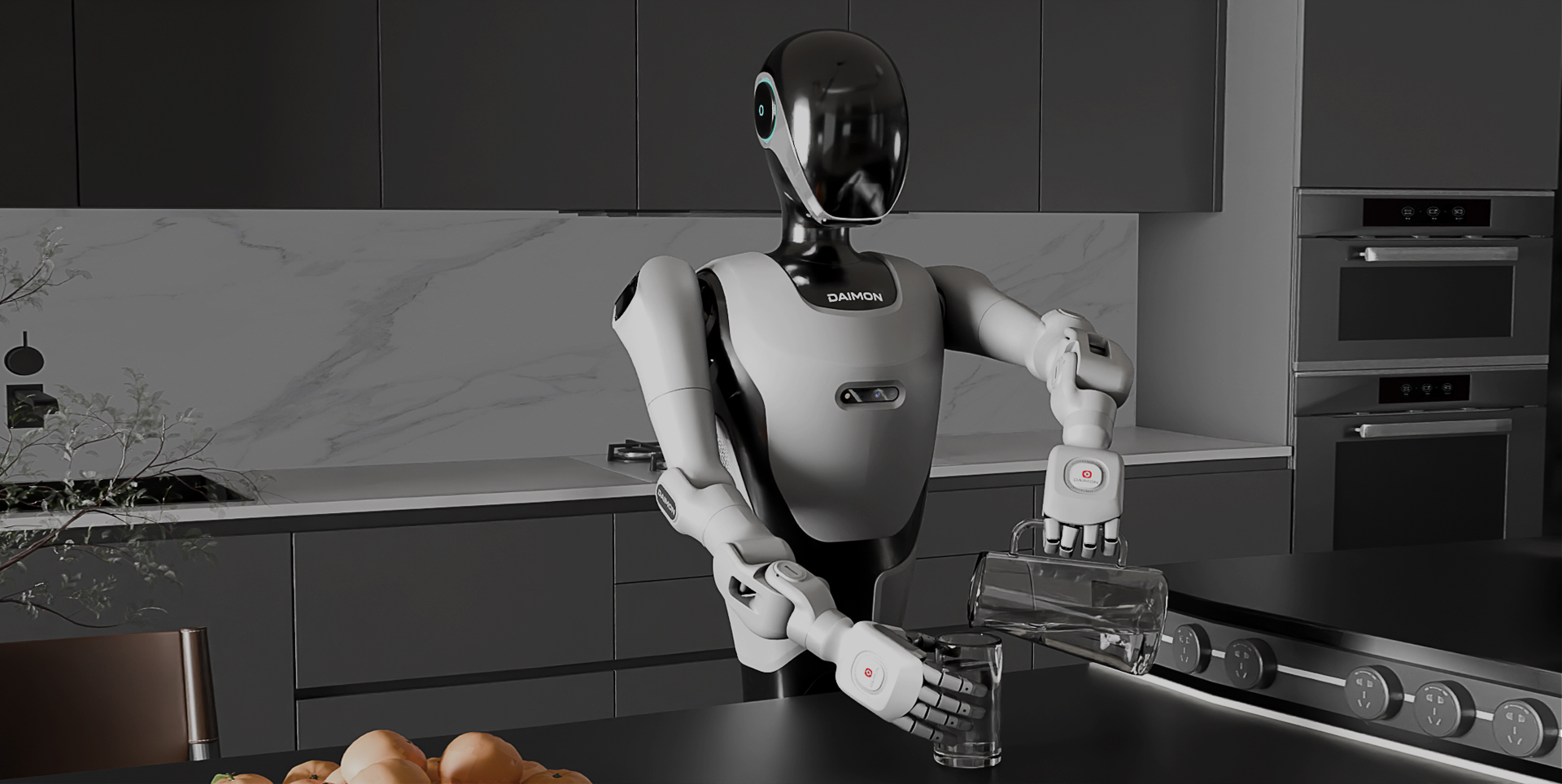
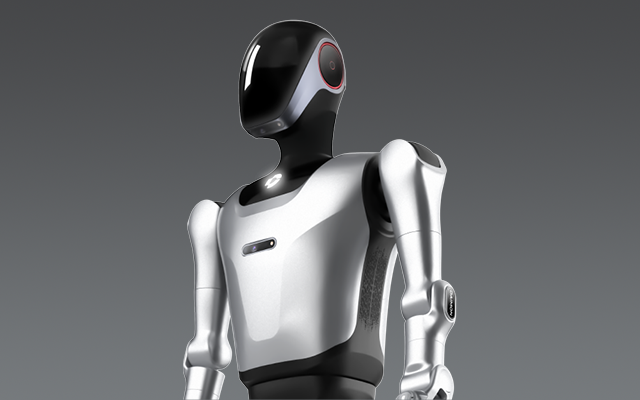






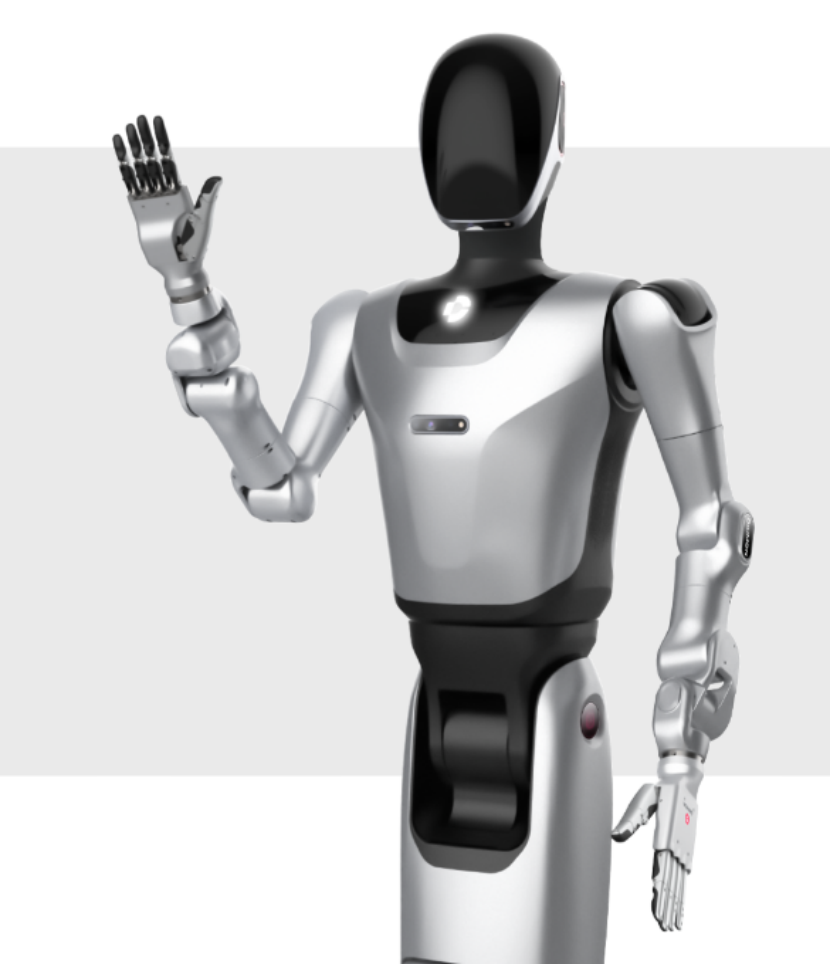
This question is no longer theoretical. Across manufacturing, logistics, healthcare, and service industries, businesses are asking whether robot humanoid systems can move beyond repetitive motions to become genuine collaborators. At Daimon, we have seen that the answer is a definitive yes—but only when robots gain the ability to perceive, reason, and act with human-like adaptability. A smart humanoid robot is not simply a machine that walks on two legs; it is a system that understands its environment through multimodal input and executes complex physical tasks autonomously. The real breakthrough lies in closing the loop between sensing and action.
From Single-Purpose Machines to Smart Humanoid Robot Collaborators
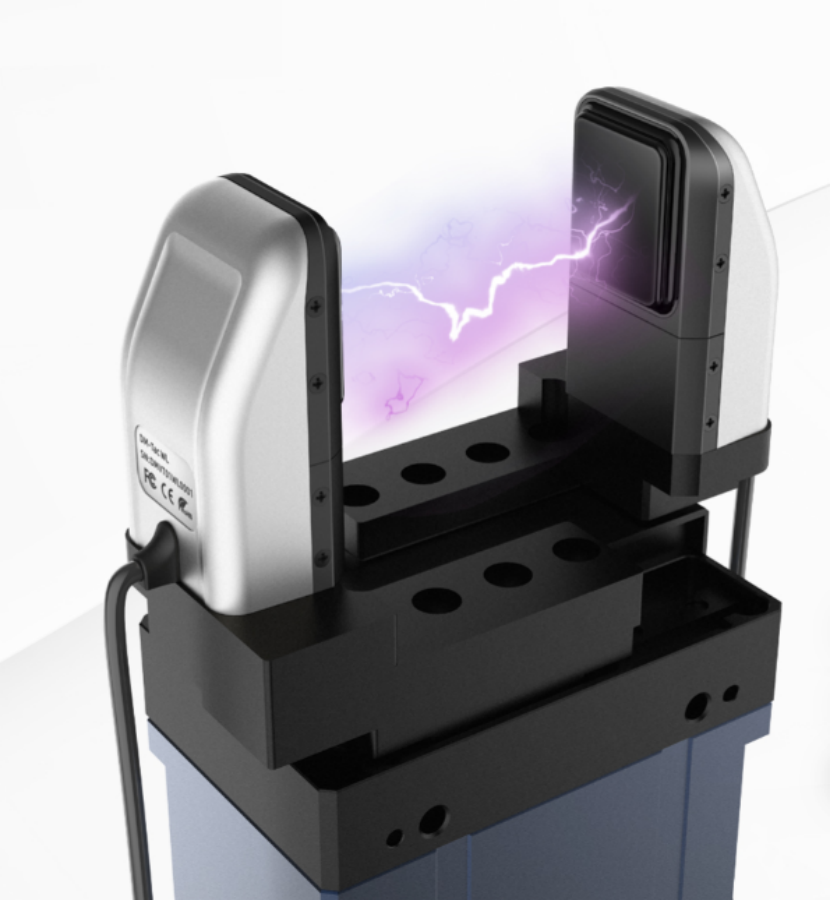
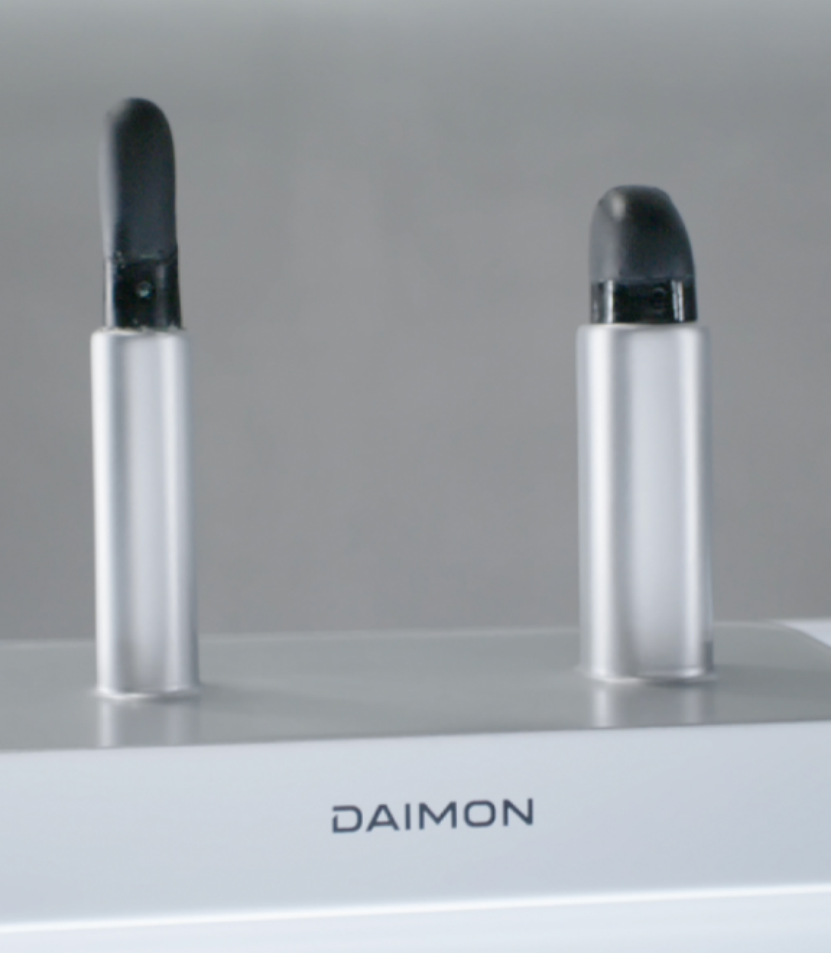
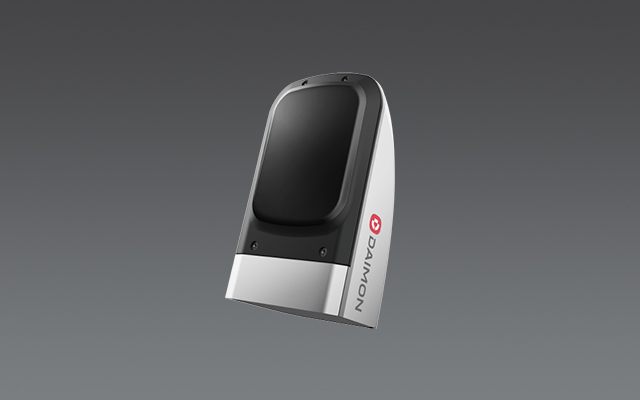
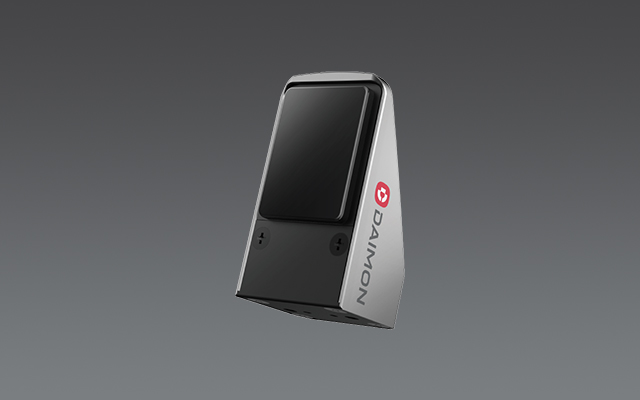
Traditional industrial robots excel at repetitive, pre-programmed actions, but they fail when faced with unexpected part variation or unstructured environments. A robot humanoid designed for true assistance must handle these nuances. The missing link has always been perception-to-action integration. Our Daimon One platform introduces a multimodal VTLA (Vision-Touch-Language-Action) manipulation model that changes this entirely. By integrating vision, touch, and language inputs, a smart humanoid robot can predict action outputs in real time. For example, when asked to "pick up the soft object without squeezing too hard," the robot understands the instruction, visually locates the object, senses its compliance through touch, and modulates grip force accordingly. This is how robots help humans—by reducing the need for explicit programming and adapting to natural instructions.
Closed-Loop Perception Enables Autonomous Complex Tasks
Many so-called robot humanoid systems still operate on open-loop control: see, then move, without verifying contact or adjusting mid-task. True assistance requires continuous feedback. A smart humanoid robot equipped with our Daimon One model achieves a complete closed-loop capability, directly mapping multimodal perceptual inputs to robotic control actions. This means the robot can perform intricate physical interactions, such as inserting a flexible cable into a connector or folding a piece of fabric, with precision that rivals human hands. Moreover, the model enhances reasoning and task generalization in complex scenarios. When a robot humanoid encounters a slightly different part than it was trained on, it does not stop—it adapts.
The Daimon Perspective on Human-Robot Collaboration
We believe that robots help humans most effectively when they become extensions of human intent rather than replacements for human labor. The smart humanoid robot is a tool for empowerment, enabling workers to focus on higher-level decisions while the robot handles physically demanding or dexterity-intensive tasks. From assembly lines to assisted living environments, the ability to perceive, reason, and act in a closed loop transforms what automation can achieve.
At Daimon, we have built this vision into Daimon One—a multimodal VTLA manipulation model that gives robot humanoid systems the intelligence they need to truly help. We invite you to explore how our technology can turn your collaborative robots into capable, adaptable partners. Because when robots understand us, they help us better.